Seasonal Shopping Tips to Maximize Nutrition
16 September 2026
Walk into a grocery store in February and you will see bright red strawberries stacked near the entrance. They look like summer. They taste like almost nothing. That gap between appearance and reality is where seasonal shopping becomes more than a nice idea. It becomes a practical strategy for getting more nutrition per dollar, per bite, and per meal.
The core argument of this article is straightforward: produce grown and harvested in its natural window tends to deliver better flavor, denser nutrient content, and often a lower price, because it does not have to survive thousands of miles of travel or weeks of storage. But the story is not that simple. Seasonality intersects with farming methods, geography, storage technology, personal budget, and cooking habits. Understanding those intersections is what separates a shopper who occasionally buys what looks good from one who consistently eats well.
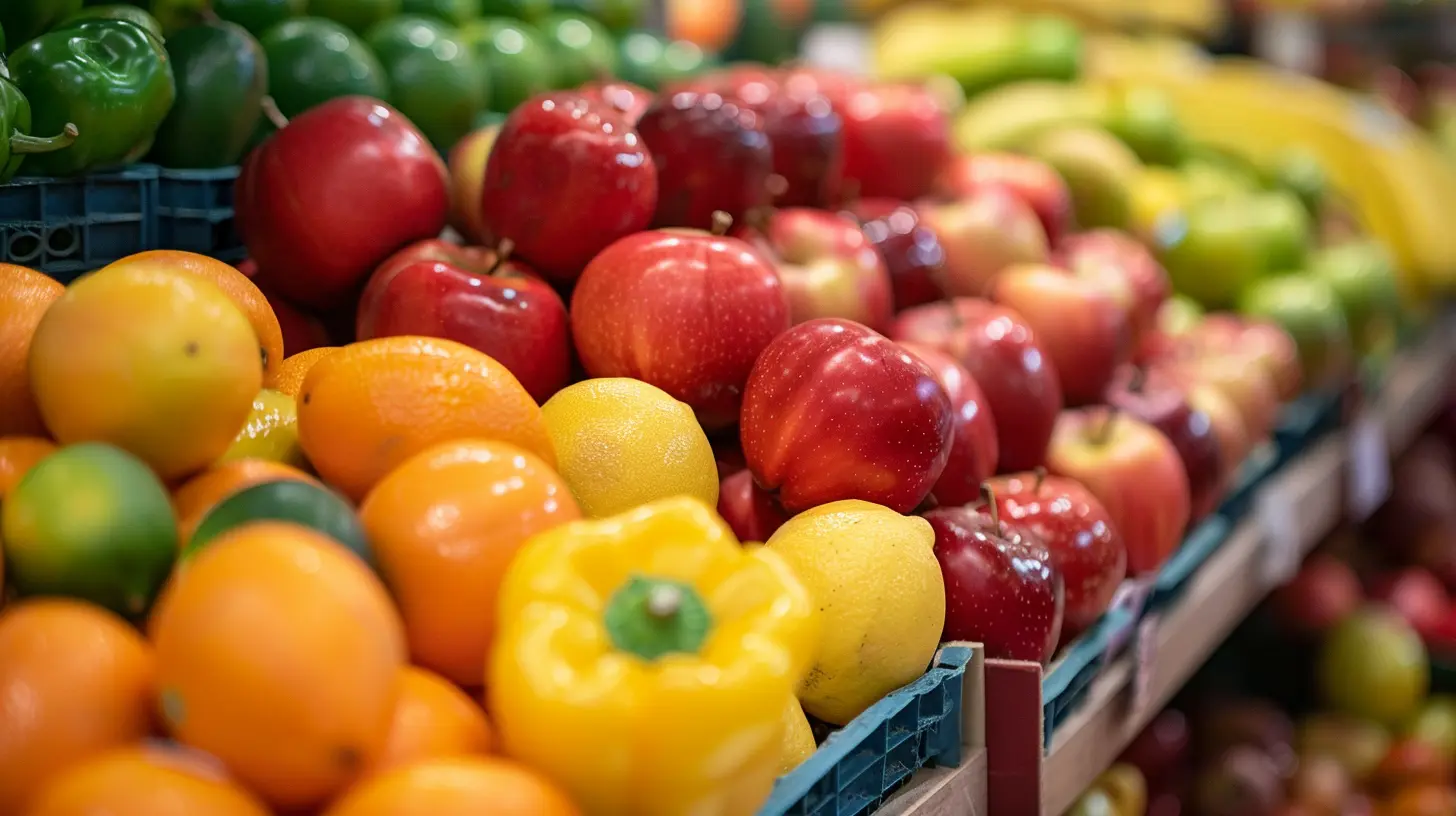
Why Seasonality Affects Nutrition in the First Place
Plants do not produce vitamins and minerals on a fixed schedule. Nutrient content depends on genetics, soil, water, sunlight, temperature, and the stage of maturity at harvest. When a fruit or vegetable is picked before it is fully ripe so it can endure shipping, it has not completed the biochemical work that creates many of its beneficial compounds.Take tomatoes. A tomato allowed to ripen on the vine develops sugars, acids, and aroma compounds in a coordinated way. It also accumulates lycopene, the red carotenoid associated with various health benefits. A tomato picked green and gassed to turn red may look acceptable, but its internal chemistry is different. The color changes. The full flavor and nutrient profile often does not follow.
This pattern repeats across produce. Leafy greens lose vitamin C and folate during extended storage. Berries soften and degrade quickly after harvest, which is why they are often picked firm and underripe for long-distance transport. Stone fruit harvested early never develops the same sweetness or aromatic complexity.
None of this means out-of-season produce is worthless. It still contains fiber, water, and many vitamins. The point is that the ceiling on quality and nutrient density is usually higher when produce is grown and eaten in its proper window.
The Difference Between Local and Seasonal
People often use "local" and "seasonal" as if they mean the same thing. They do not.Local describes distance. Seasonal describes time. A tomato grown in a heated greenhouse two hours away in January is local but not seasonal in the field-grown sense. A mango flown in from a tropical region in July is seasonal somewhere, just not where you live.
Both attributes matter, but for different reasons. Local produce can be fresher and support regional economies. Seasonal produce tends to be cheaper and more flavorful because it is abundant and harvested at peak maturity. The best choices often combine both, but when you have to choose, think about what you actually want: peak flavor and nutrition, lower cost, or lower environmental footprint. The answer changes the decision.
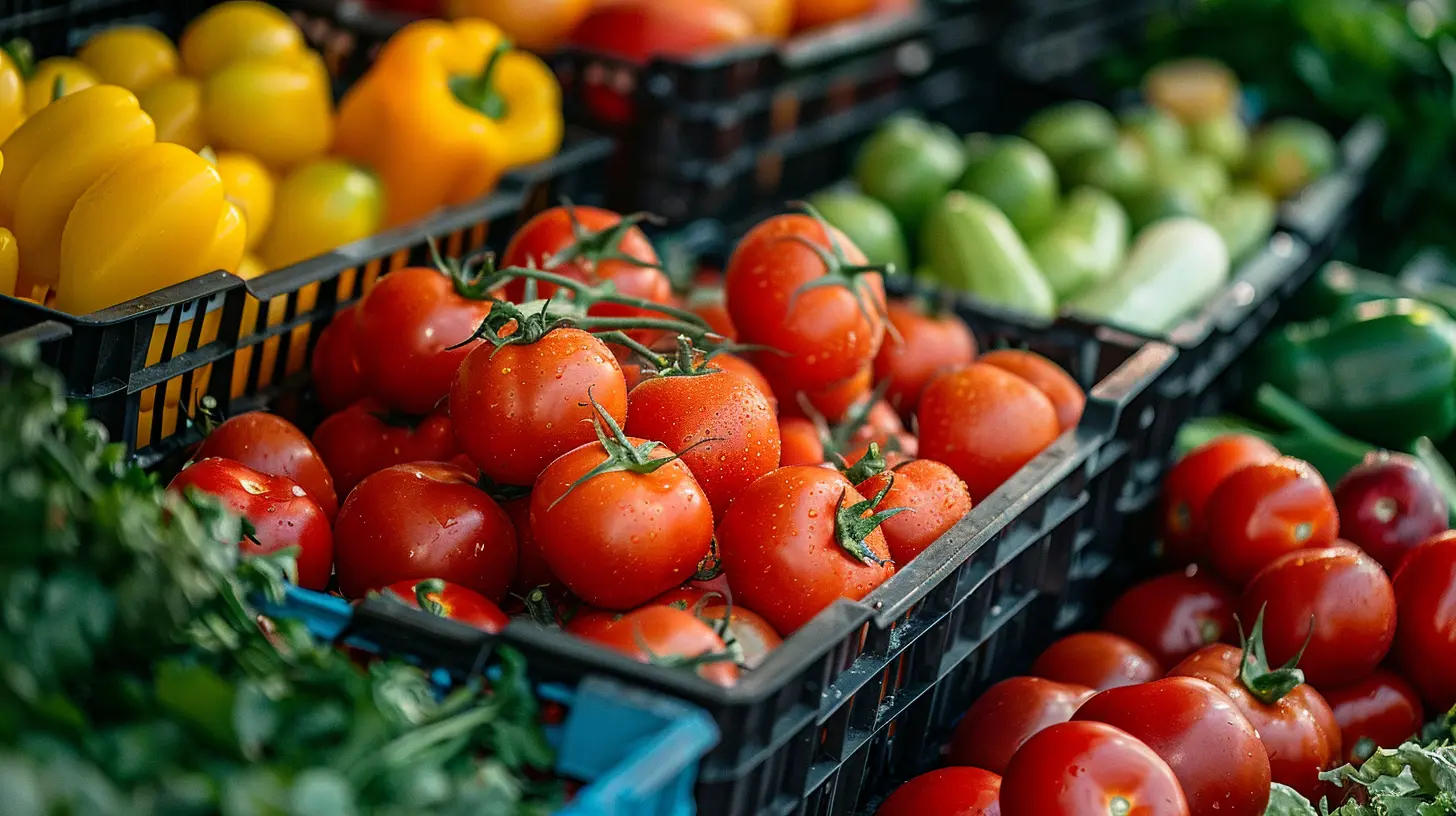
How to Read a Produce Calendar Without Memorizing It
Nobody needs to memorize a fifty-item chart. A few organizing principles will carry you further.Think in Growing Seasons, Not Months
Most regions have a cool season, a warm season, and transition periods between them. Cool-season crops tolerate frost and often taste sweeter after a light chill. Warm-season crops need heat and long daylight. Transition periods produce the most variety and often the best quality.In temperate climates:
- Early spring brings tender greens, radishes, asparagus, peas, and herbs.
- Late spring and early summer bring strawberries, lettuce, and the first stone fruit.
- Midsummer is peak abundance: tomatoes, corn, peppers, cucumbers, zucchini, berries, and melons.
- Late summer and early fall bring apples, pears, squash, and the second wave of leafy greens.
- Late fall and winter favor storage crops: root vegetables, cabbage, onions, and citrus in warmer zones.
Use Your Senses as a Calendar
If you shop at farmers markets, the calendar is written on the tables. When a single crop dominates multiple stalls, it is in season. When prices drop and quality rises at the same time, you have found the window. When a vendor apologizes for the end of a crop, that season is closing.At supermarkets, the signals are weaker but still present. Abundant displays, lower unit prices, and better aroma usually indicate seasonal supply. High prices and bland appearance often indicate off-season imports or storage.
Ask About Storage Versus Fresh Harvest
This is one of the most overlooked questions. Some crops are naturally suited to long storage and remain nutritious for months. Apples, onions, garlic, winter squash, carrots, and potatoes can be stored well under proper conditions. Others degrade quickly and should be eaten close to harvest.So when you see a "seasonal" label in winter, ask whether the item is freshly harvested or coming out of storage. Both can be good, but the trade-offs differ. Storage crops may lose some vitamin C over time, while fresh imports may have been harvested early. Neither is automatically better. Context decides.
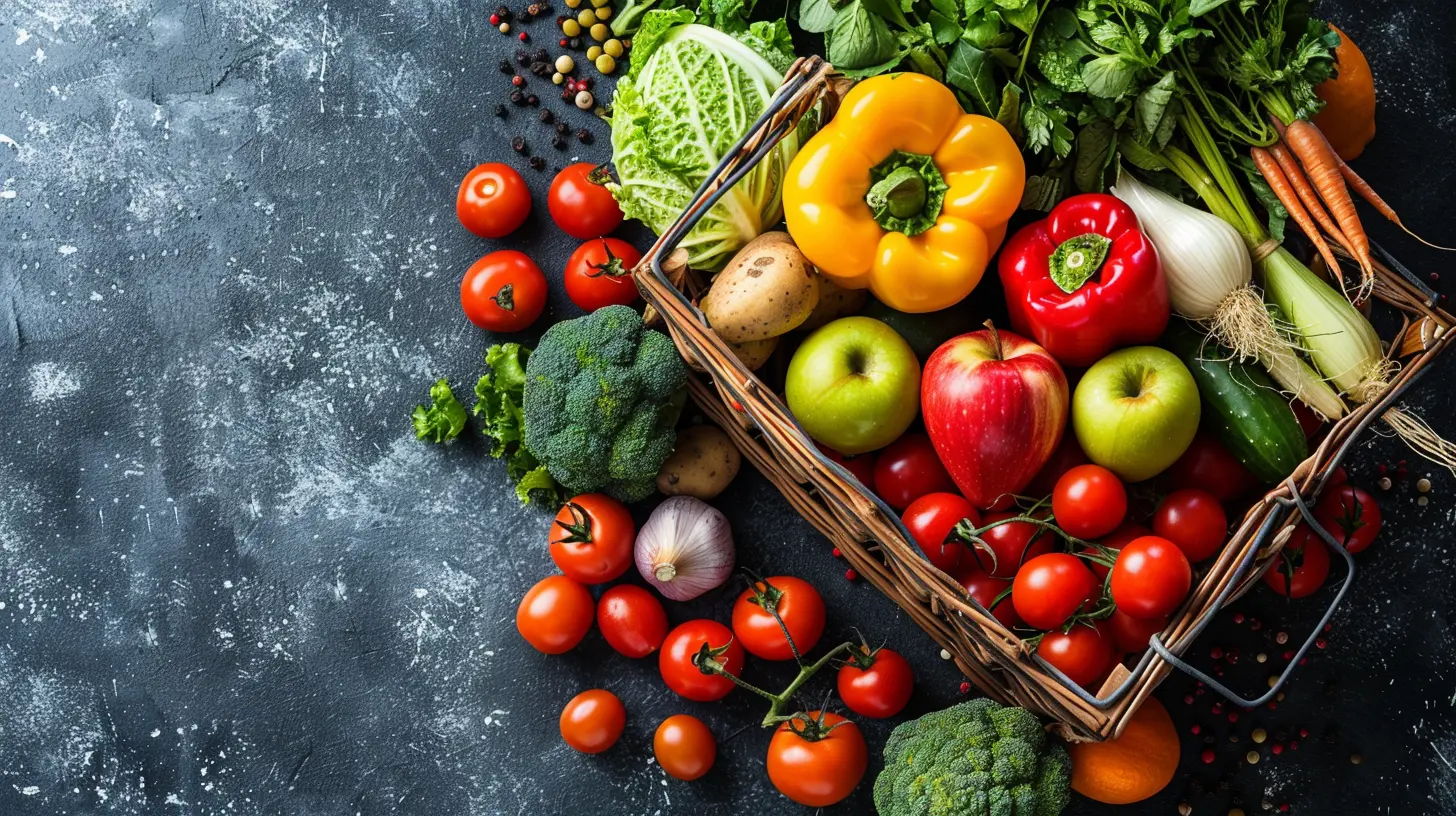
The Economics of Eating Seasonally
Seasonal shopping is often framed as a virtue. It is also a budget tool.When a crop is in peak supply, farms and retailers move volume quickly. Prices fall. Quality rises. This combination is rare in food shopping and worth exploiting. Buying strawberries in June costs a fraction of buying them in December, and the June berries usually taste better.
There is a second layer to this. Seasonal abundance encourages preservation. When tomatoes are cheap, you can buy a case, make sauce, and freeze it. When peaches are abundant, you can freeze slices for smoothies. This turns a short window of low prices into months of better nutrition.
When Off-Season Buying Makes Sense
There are legitimate reasons to buy out of season:- You need a specific nutrient or food for a medical or dietary reason.
- Frozen or canned versions are unavailable or unsuitable.
- You want variety for psychological and social reasons, which matters for long-term adherence.
- The off-season version is still nutritionally adequate and fits your budget.
The mistake is assuming that off-season always means inferior. Frozen produce, for example, is often harvested at peak ripeness and frozen within hours, which can preserve nutrients better than fresh produce that has traveled for a week. Canned tomatoes are frequently processed at peak season and retain lycopene well. These are not compromises. They are smart alternatives.
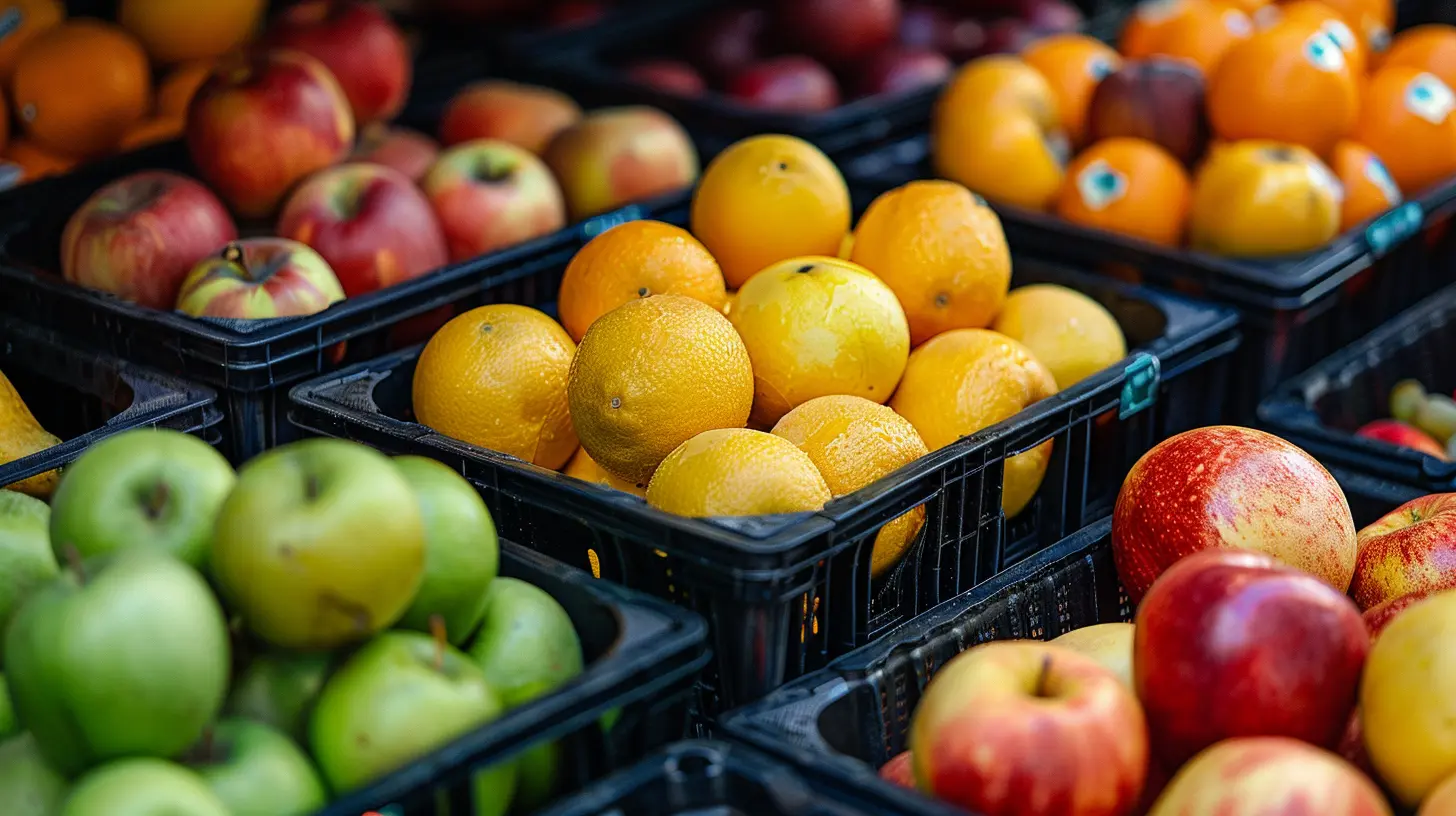
Fresh, Frozen, Canned, and Dried: A Realistic Comparison
Understanding the trade-offs among these formats is essential for maximizing nutrition year-round.Fresh
Advantages: best flavor when in season, highest water content, enjoyable raw, supports local growers.Disadvantages: short shelf life, variable quality, can lose nutrients during transport and storage, often expensive out of season.
Best for: items you will eat within a few days, especially delicate greens, herbs, and berries in season.
Frozen
Advantages: harvested and frozen quickly, retains many nutrients well, long shelf life, available year-round, often cheaper than fresh out of season.Disadvantages: texture changes after freezing, not ideal for raw eating, some products contain added sauces or sodium.
Best for: spinach, peas, corn, berries, broccoli, and anything you plan to cook.
Canned
Advantages: long shelf life, convenient, often processed at peak ripeness, some nutrients like lycopene become more available after heating.Disadvantages: sodium and added sugar in some products, texture is softer, cans can impart metallic notes if acidic foods are stored too long.
Best for: tomatoes, beans, pumpkin, and fish.
Dried
Advantages: concentrated nutrients by weight, lightweight, long shelf life, intense flavor.Disadvantages: water-soluble vitamins degrade over time, sulfites and added sugars in some products, calorie density can lead to overeating.
Best for: legumes, lentils, raisins, dates, and herbs.
The practical rule: use fresh for peak-season eating and raw dishes, frozen for cooking and out-of-season needs, canned for convenience and specific recipes, and dried for staples and concentrated flavor.
Common Mistakes That Undermine Seasonal Shopping
Even motivated shoppers make errors. These are the ones I see most often.Mistaking Appearance for Quality
Perfectly uniform, glossy produce is often bred and handled for appearance, not flavor. Heirloom varieties may look irregular but taste superior. A slightly dull apple from a local orchard can outperform a waxed, uniform import.Buying Too Much at Once
Seasonal abundance tempts overbuying. Produce that spoils before you eat it wastes money and nutrients. Buy what you can realistically use within a week, then return for more.Ignoring Storage Conditions
Different crops need different storage. Tomatoes lose flavor in the refrigerator. Potatoes and onions should be kept dark, cool, and dry, and separated because they speed each other's spoilage. Berries should be refrigerated and washed only before eating. Greens last longer when wrapped loosely with a damp paper towel.Assuming Organic Always Means More Nutritious
Organic farming avoids certain synthetic pesticides and has environmental benefits, but nutrient differences between organic and conventional produce are generally modest and inconsistent. The bigger variables are freshness, variety, soil quality, and how you store and cook the food. If budget is limited, buying a wide variety of conventional produce usually beats buying a narrow range of organic produce.Overlooking Less Popular Cuts and Varieties
Collard greens, turnips, beets, and cabbage are often inexpensive and nutrient-dense. They may not be trendy, but they deliver. Seasonal shopping is a good time to try them, because peak-season versions taste far better than the ones that sit in storage.
Practical Strategies for Different Shopping Environments
Where you shop changes your approach.Farmers Markets
Go early for selection, late for deals. Ask vendors what was harvested today versus what has been in cold storage. Build relationships, because vendors will tell you what is peaking next week and how to cook unfamiliar items.Community Supported Agriculture
A CSA share delivers whatever the farm harvests that week. This forces seasonal eating and often introduces you to new vegetables. The trade-off is less control. If you dislike a particular crop, you will need recipes or preservation methods to handle it. Many farms include newsletters with storage and cooking guidance, which is valuable.Supermarkets
Supermarkets blend seasonal and imported supply. Look for country-of-origin labels, which can tell you whether an item traveled far. Compare prices per pound across formats. Check the frozen aisle for items that are out of season fresh.Ethnic and Specialty Markets
These markets often carry produce that mainstream stores ignore, and they may price seasonal items aggressively. They are also good sources for dried legumes, whole spices, and regional varieties that are nutritionally valuable.Cooking and Preserving to Lock In Nutrition
Shopping well is only half the job. How you handle food at home determines how much nutrition actually reaches your plate.Minimize Time Between Harvest and Eating
Nutrient loss begins at harvest. The faster you eat, the better. This is the strongest argument for seasonal and local shopping.Handle Produce Gently
Bruising accelerates spoilage and nutrient loss. Store items in single layers when possible. Do not pile heavy items on delicate ones.Cook Strategically
Some nutrients are heat-sensitive, notably vitamin C and some B vitamins. Others, like lycopene and beta-carotene, become more available when cooked and eaten with fat. This means there is no single best cooking method. Steaming, roasting, sauteing, and raw eating all have a place.Preserve Peak Season
Freezing, canning, drying, and fermenting are all valid ways to extend abundance. Freezing is the simplest and preserves nutrients well. Canning requires care to avoid contamination. Fermenting adds beneficial bacteria and extends shelf life, though it changes flavor and sodium content.Use the Whole Plant
Stems, leaves, and peels often contain nutrients. Beet greens are edible and rich in vitamins. Broccoli stems are tender when peeled. Carrot tops can become pesto. Using more of what you buy increases nutrition and reduces waste.
Special Considerations for Different Groups
Seasonal shopping advice is not one-size-fits-all.Households With Children
Children often prefer sweet, mild flavors. Peak-season fruit is a natural fit. Involving kids in choosing and preparing seasonal produce increases acceptance.Older Adults
Appetite and digestion change with age. Soft cooked seasonal vegetables, soups, and stews can be easier to manage. Nutrient density matters more than volume.Athletes and Active Individuals
Seasonal produce supports hydration and micronutrient needs. Colorful fruits and vegetables provide antioxidants that help manage exercise-induced stress.People With Medical Conditions
Some conditions require specific dietary patterns. For example, potassium restrictions may limit certain fruits and vegetables. In these cases, seasonal variety should be adapted to medical guidance, not the other way around.Budget-Constrained Households
Seasonal shopping is one of the most effective ways to eat well on a limited budget. Frozen and canned options extend that further.How to Build a Personal Seasonal System
A system beats willpower. Here is a simple approach.1. Identify your local growing seasons. Ask farmers, extension services, or experienced gardeners.
2. List ten to fifteen items you actually enjoy eating.
3. Track when each item is at peak quality and price in your area.
4. Plan meals around what is peaking that week.
5. Preserve the surplus when prices drop.
6. Fill gaps with frozen, canned, or dried options.
7. Reassess each season and adjust.
This system does not require perfection. It requires attention. Over a year or two, you will develop an intuitive sense of what to buy and when, and your cooking will improve as a result.
Misconceptions Worth Retiring
A few beliefs deserve a direct challenge."Out-of-season produce is nutritionally empty." False. It may be lower in some nutrients and flavor, but it still contributes fiber, water, vitamins, and minerals.
"Frozen is always inferior to fresh." False. Frozen is often nutritionally comparable or better, depending on how long the fresh version has been stored.
"Seasonal means expensive." Usually the opposite. Peak supply lowers prices.
"Local always means seasonal." Not necessarily. Greenhouses and controlled environments can produce local food year-round.
"Organic is the only way to eat well." Organic has value, but freshness, variety, and preparation matter more for most people.
Final Thoughts
Seasonal shopping is not about rigid rules or culinary purity. It is about aligning your choices with natural cycles so you get better flavor, better nutrition, and better value. It rewards curiosity, flexibility, and a willingness to cook what is actually available rather than what a recipe demands.Start small. Pick one fruit or vegetable you love and follow it through a full year. Notice how it changes. Notice how your meals change with it. That single practice will teach you more than any chart, and it will quietly improve the way you eat for the rest of your life.
all images in this post were generated using AI tools
Category:
Healthy ShoppingAuthor:

Madeline Howard