How Smoothies Can Help You Stay Hydrated and Nourished
24 September 2026
Water is the quietest thing your body craves. You can ignore thirst for hours while work, traffic, and the endless scroll of daily life pull at your attention. Then a headache arrives, or your focus slips, or your lips feel like paper. By the time you notice, you are already behind on fluids. Smoothies offer a way out of that cycle, not because they are trendy, but because they combine water, fiber, vitamins, minerals, and flavor in a single glass. That combination makes hydration something you look forward to rather than something you force yourself to do.
This article explains how smoothies support hydration and nourishment at the same time, when they work best, when they can backfire, and how to build one that actually serves your body instead of just tasting sweet.
Why Hydration Is About More Than Just Water
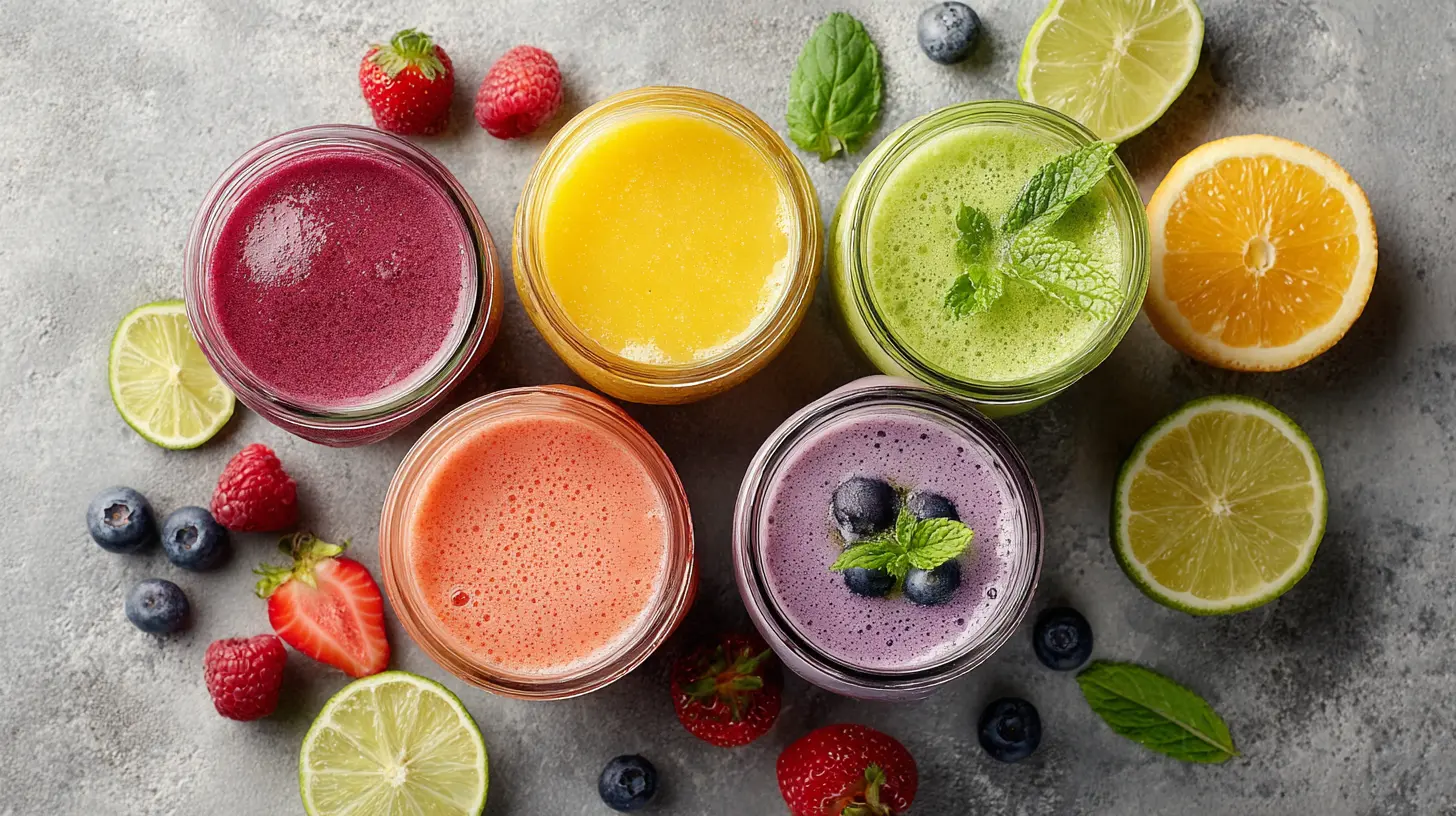
Most people think of hydration as a simple math problem. Drink eight glasses, and you are fine. The human body is not a measuring cup, though. It is a living system that constantly loses water through breathing, sweating, digestion, and even sitting still. Every cell depends on fluid balance to move nutrients, regulate temperature, cushion joints, and keep blood flowing smoothly.Plain water is excellent. Nobody should argue otherwise. But water alone does not replace the electrolytes you lose through sweat, and it does not provide the minerals that help your cells hold onto fluid. This is where food comes in. Roughly twenty to thirty percent of the average person's daily water intake comes from food, according to general nutrition guidance. Fruits and vegetables are mostly water by weight. A cucumber is about ninety-six percent water. A watermelon is around ninety-two percent. A strawberry is roughly ninety-one percent.
Smoothies take that concept and make it drinkable. When you blend water-rich produce with liquid, you create a hydrating matrix that includes water, electrolytes, and fiber. That matrix behaves differently in your body than a glass of water alone. It empties from the stomach more gradually, which means fluid reaches your bloodstream at a steadier pace instead of flooding in and out quickly.
The Role of Electrolytes in Fluid Balance
Electrolytes are minerals that carry an electric charge. Sodium, potassium, magnesium, and calcium are the big four. They sit in your blood and inside your cells, directing water where it needs to go. Without them, water passes through you without being properly absorbed.This is why a smoothie made with banana, spinach, and a pinch of sea salt can hydrate more effectively after a workout than plain water. The banana brings potassium. The spinach adds magnesium and calcium. The salt provides sodium. Together, they help your body retain the fluid you just drank.
That said, most people do not need a sports drink after a casual walk. The average diet already contains plenty of sodium. The point is not to overload your smoothie with salt. The point is to understand that hydration is a partnership between water and minerals, and smoothies can deliver both.
Fiber and the Slow Release of Fluid
Fiber is the other quiet hero here. When you eat a whole apple, the fiber slows digestion and your body absorbs the water inside the fruit gradually. When you blend that apple into a smoothie, the fiber is broken into smaller pieces but it does not disappear. You still get most of the benefit, especially if you keep the skin on and avoid straining the blend.This slow release matters. A rapid influx of water can trigger a quick trip to the bathroom. A slower, steadier delivery gives your cells time to use the fluid for circulation, temperature control, and waste removal. Smoothies are not a replacement for water, but they are a smarter delivery system than many people realize.
What Makes a Smoothie Hydrating
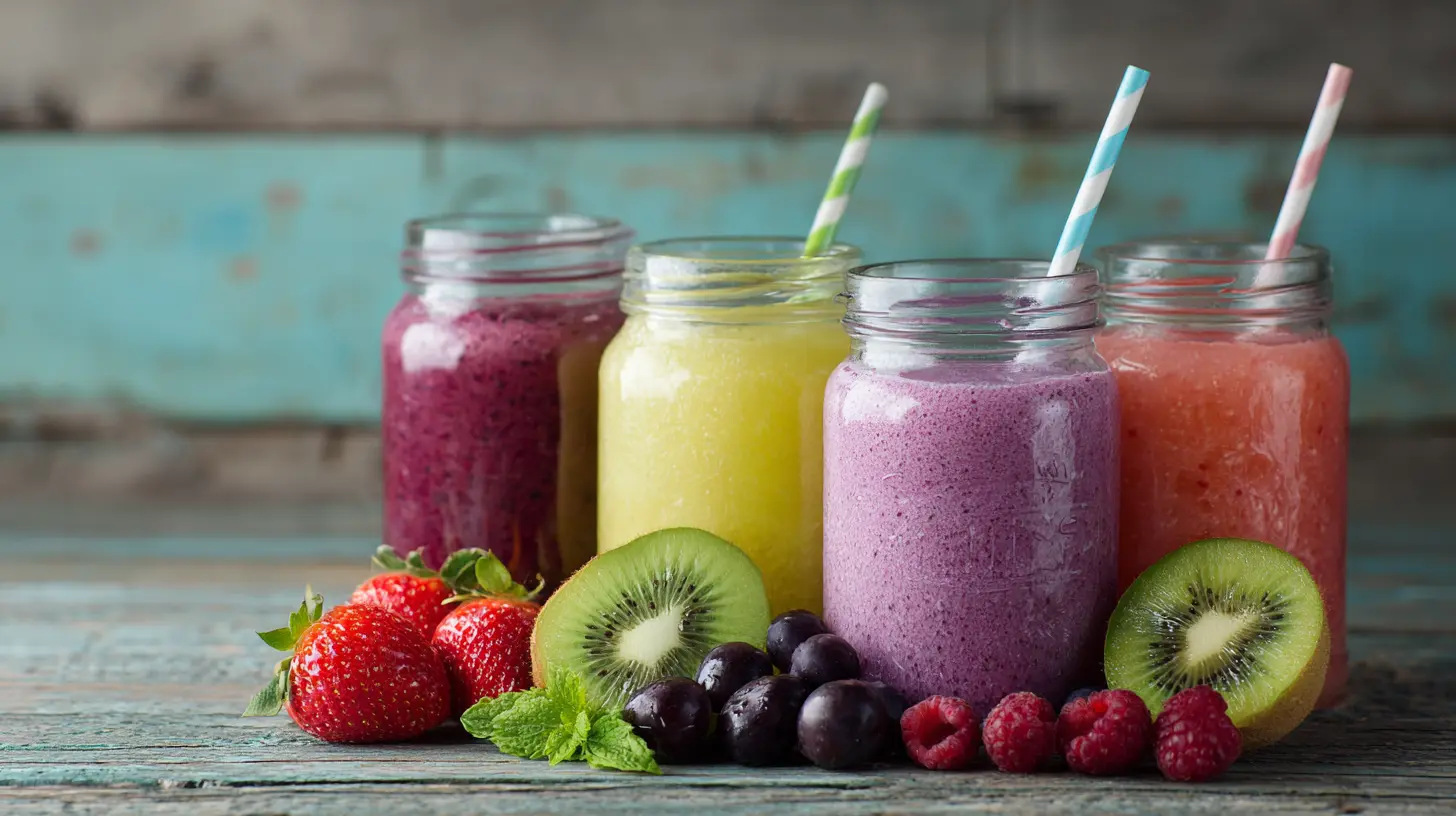
Not every smoothie hydrates well. Some are essentially dessert in a cup, loaded with juice, ice cream, and sweetened yogurt. Those can taste wonderful, but they do not serve the same purpose. A hydrating smoothie follows a few principles.First, the base should be water-rich. Coconut water, plain water, unsweetened plant milk, or even chilled herbal tea all work. Fruit juice is an option, but it adds sugar without fiber, so it is best used sparingly or blended with whole fruit.
Second, the produce should be high in water content. Cucumber, celery, watermelon, cantaloupe, berries, oranges, and leafy greens like spinach and romaine all qualify. These ingredients contribute both fluid and micronutrients.
Third, the smoothie should include a source of electrolytes. Banana, avocado, yogurt, and a small pinch of salt are simple ways to get there. If you are sweating heavily, you may want more. If you are sitting at a desk, you probably do not.
Fourth, the texture should be drinkable but not watery. A smoothie that is too thin passes through you quickly. A smoothie with some fiber and a little healthy fat, such as a spoon of nut butter or chia seeds, stays with you longer and supports better absorption.
A Simple Hydration Formula
Think of a hydrating smoothie as a three-part equation.- Liquid: one to one and a half cups of water, coconut water, or unsweetened plant milk
- Water-rich produce: one to two cups of cucumber, melon, berries, or leafy greens
- Electrolyte and fiber support: half a banana, a tablespoon of chia, a spoon of yogurt, or a small pinch of salt
Blend until smooth. Drink within a few minutes for the best texture, or store in a sealed jar in the refrigerator for up to twenty-four hours. Shake before drinking, because separation is natural.
How Smoothies Nourish Beyond Hydration
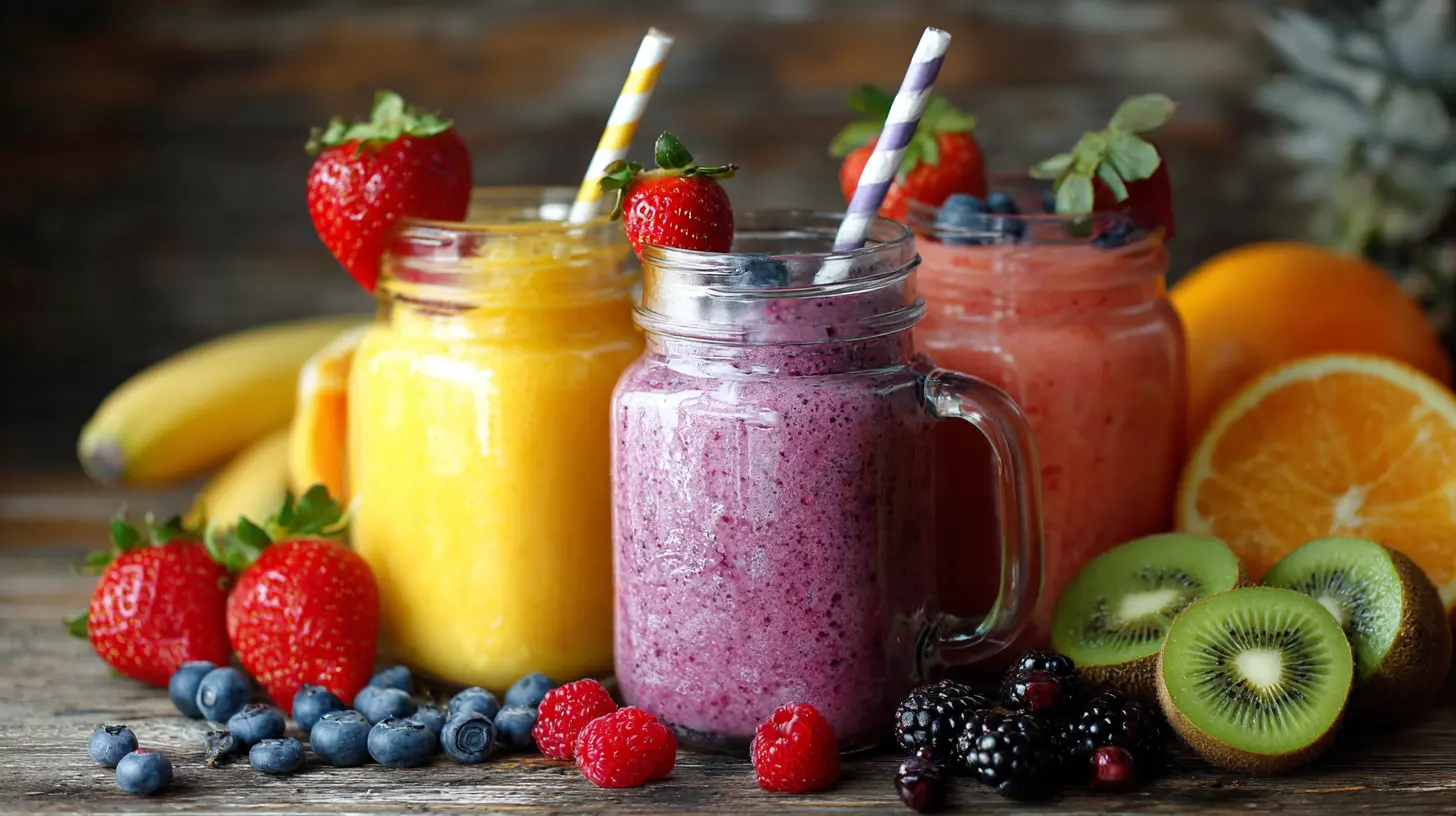
Hydration is only half the story. Smoothies also deliver vitamins, minerals, antioxidants, and phytonutrients that support nearly every system in the body. The blending process breaks down cell walls in plant foods, which can make some nutrients more available for absorption. Lycopene from tomatoes and beta-carotene from carrots, for example, are often better absorbed from blended or cooked forms than from raw whole pieces.This does not mean smoothies are superior to whole foods. Chewing matters. It slows you down, triggers digestive enzymes, and gives your body signals of fullness. A smoothie can be consumed in two minutes, which makes it easy to take in more calories than you intended. The goal is balance, not replacement.
Vitamins and Minerals in a Glass
Consider a basic green smoothie with spinach, banana, mango, and coconut water. That combination provides vitamin C, vitamin K, folate, potassium, magnesium, and a range of antioxidants. It also delivers fluid and fiber. For someone who struggles to eat enough vegetables, this is a practical entry point.Now consider a berry smoothie with Greek yogurt, chia seeds, and almond milk. That blend brings protein, calcium, probiotics, omega-3 fatty acids, and anthocyanins, the pigments that give berries their deep color. It supports muscle repair, bone health, gut flora, and cardiovascular function.
The point is not to memorize nutrient charts. The point is to understand that a well-built smoothie is a multi-purpose tool. It hydrates, nourishes, and satisfies in a way that a plain glass of water cannot.
Protein, Fat, and Satiety
A smoothie that is only fruit and water will spike your blood sugar and leave you hungry an hour later. Adding protein and fat changes the equation. Greek yogurt, kefir, silken tofu, protein powder, nut butter, avocado, and chia seeds all slow digestion and promote fullness.This matters for hydration too. When a smoothie keeps you satisfied, you are more likely to drink it consistently. Consistency is what turns hydration from a chore into a habit.
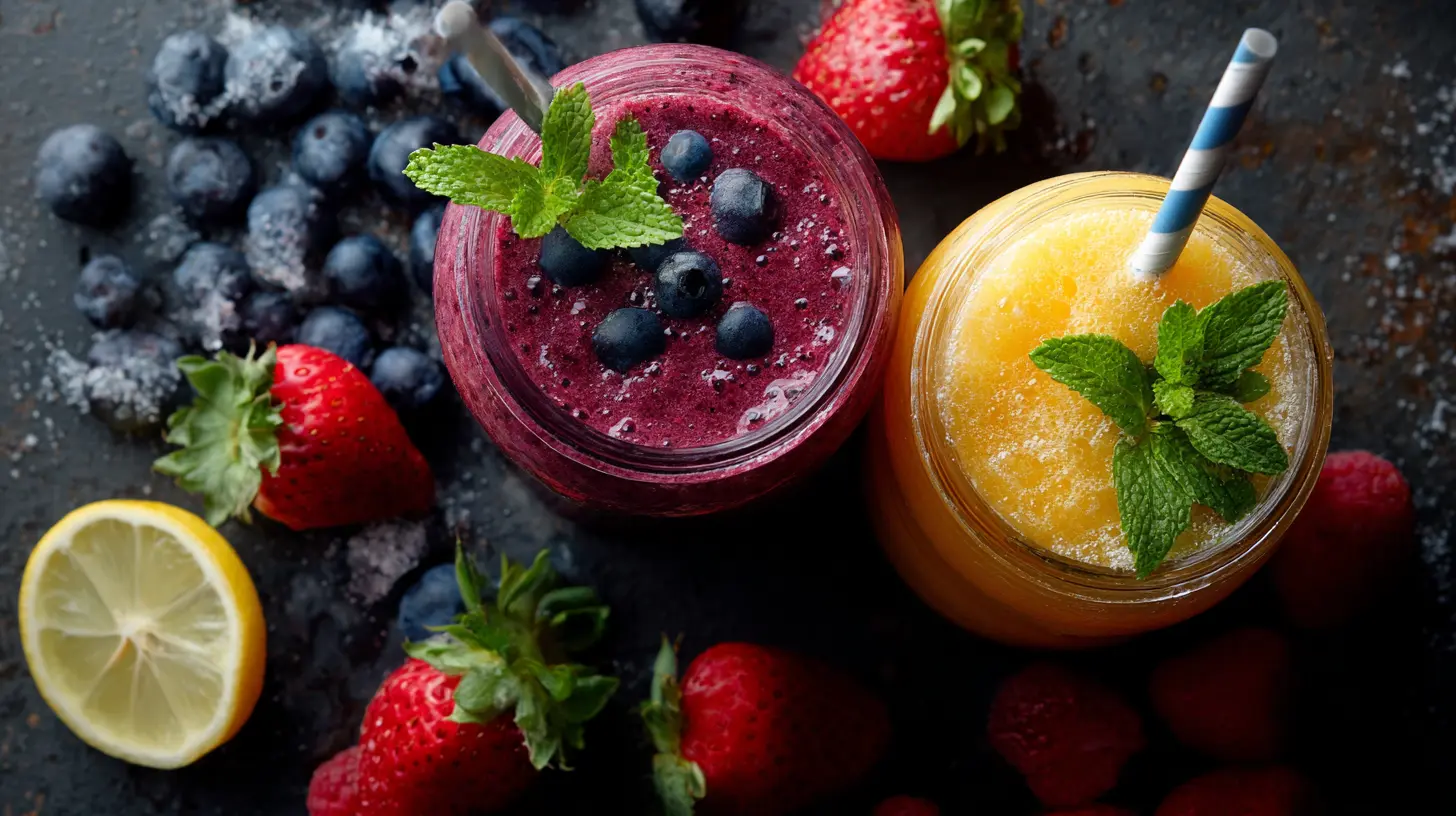
When Smoothies Help Most
Smoothies are not a magic bullet, but there are situations where they shine.After Exercise
Sweating depletes fluid and electrolytes. A smoothie with coconut water, banana, and a pinch of salt can replenish both while also providing carbohydrates for glycogen recovery. Add protein if your workout was intense or prolonged. The liquid format is easy on the stomach when appetite is low.During Illness or Recovery
When you are sick, nauseated, or recovering from surgery, eating can feel impossible. A smoothie offers nutrition in a form that is gentle and easy to swallow. Cold smoothies can soothe a sore throat. Warm smoothies, made with cooked oats and steamed fruit, can be comforting when cold foods feel harsh.For Older Adults
Thirst sensation declines with age. Many older adults are chronically underhydrated without realizing it. A smoothie is a simple way to increase fluid intake without requiring them to remember to drink water. It also delivers protein, which is critical for preserving muscle mass later in life.For Busy Mornings
Breakfast is the most skipped meal in many households. A smoothie can be assembled in five minutes and consumed on the way to work. It is not a replacement for a balanced diet, but it is far better than nothing.When Smoothies Can Work Against You
Honesty matters here. Smoothies are not universally good. They can undermine your goals if you use them carelessly.Sugar Overload
Fruit contains natural sugar, and that is fine in whole form. But when you blend four or five servings of fruit into one drink, you concentrate the sugar while removing the chewing that would normally slow you down. The result can be a rapid blood sugar spike, followed by a crash. For people with diabetes or insulin resistance, this is a real concern.The fix is simple. Use more vegetables than fruit. Choose low-glycemic fruits like berries over high-glycemic ones like mango and banana. Add protein and fat to blunt the spike. And keep portions reasonable.
Calorie Creep
A smoothie can easily exceed six hundred calories if you are not paying attention. Nut butter, avocado, honey, granola, and full-fat yogurt add up quickly. That is not inherently bad, but it matters if you are trying to manage your weight. Liquid calories do not trigger the same fullness signals as solid food, so you may drink a large smoothie and still eat a full meal afterward.Measure your ingredients. Treat a smoothie as a meal, not a beverage. Sit down while you drink it. These small habits make a difference.
Digestive Discomfort
Some people experience bloating or gas after drinking smoothies, especially those high in raw cruciferous vegetables like kale, broccoli, or cauliflower. These foods contain compounds that can be hard to digest raw. If this happens to you, try lightly steaming the vegetables first, or switch to gentler greens like spinach and romaine.Cold temperature can also be an issue. Drinking an ice-cold smoothie on an empty stomach can cause cramping in sensitive individuals. Let it sit for a few minutes, or use room-temperature ingredients.
Dental Considerations
Smoothies coat the teeth with sugar and acid. Sipping one slowly over an hour exposes your enamel to repeated attacks. Drink it in one sitting, rinse with water afterward, and wait at least thirty minutes before brushing. Brushing immediately after acidic foods can wear away softened enamel.
Common Mistakes and How to Avoid Them
Even well-intentioned smoothie drinkers fall into predictable traps. Here are the most common ones and what to do instead.Mistake One: Using Juice as the Base
Juice adds sugar and removes fiber. Use water, coconut water, or unsweetened plant milk instead. If you want sweetness, add a date or a few berries.Mistake Two: Skipping the Greens
Greens are the most nutrient-dense ingredient you can add. Spinach is nearly tasteless in a fruit smoothie. Romaine adds a mild sweetness. Kale is stronger, so start with a small handful and increase gradually.Mistake Three: Overloading on Fruit
Two servings of fruit is plenty for most people. Beyond that, you are mostly adding sugar. Balance with vegetables, protein, and healthy fat.Mistake Four: Drinking Too Fast
A smoothie is not a shot. Sip it slowly enough to let your body register what is coming in. This improves digestion and satisfaction.Mistake Five: Ignoring Portion Size
A blender can hold far more than a single serving. Measure your ingredients or use a smaller container. One tall glass is usually enough.Mistake Six: Treating Smoothies as a Cleanse
Smoothies do not detoxify your body. Your liver and kidneys do that. A smoothie-only diet is not a sustainable or medically recommended approach for most people. Use smoothies as part of a balanced diet, not as a replacement for one.Building a Smoothie for Your Specific Needs
Different goals call for different formulas. Here are three practical templates.The Everyday Hydrator
- One cup coconut water- One cup cucumber, peeled if desired
- Half a green apple
- One handful spinach
- Juice of half a lime
- Small pinch of sea salt
This blend is light, refreshing, and high in water content. It works well in the morning or after a mild workout.
The Recovery Shake
- One cup unsweetened almond milk- One scoop vanilla protein powder
- One frozen banana
- One tablespoon almond butter
- One teaspoon chia seeds
- Cinnamon to taste
This is thicker and more calorie-dense. It supports muscle repair and keeps you full for hours.
The Gut-Friendly Blend
- One cup kefir or plain yogurt- Half cup frozen blueberries
- Half cup steamed and cooled zucchini
- One tablespoon ground flaxseed
- One teaspoon honey, optional
This combination supports digestion and provides probiotics. The steamed zucchini adds creaminess without a strong flavor.
Texture, Temperature, and Timing
Texture is not just aesthetic. It affects how your body handles the drink. A thinner smoothie moves through the stomach quickly. A thicker one lingers, which can be good or bad depending on your goal. If you want fast hydration, keep it thin. If you want satiety, keep it thick.Temperature matters too. Cold smoothies are refreshing in summer and after exercise. Room-temperature smoothies are gentler on the stomach in winter or during illness. You can adjust by using frozen or fresh fruit, and by adding ice or skipping it.
Timing is personal. Some people thrive with a smoothie for breakfast. Others prefer one as a post-workout drink or an afternoon snack. The best time is the one you will actually stick with.
Hydration Beyond the Glass
Smoothies are a tool, not a total solution. You still need plain water throughout the day. You still need whole foods that require chewing. You still need to pay attention to your body's signals.Think of smoothies as a bridge. They connect the pleasure of drinking something delicious with the necessity of nourishing your body. They make hydration easier for people who dislike the taste of plain water. They make vegetables more approachable for people who struggle to eat them. They offer convenience without sacrificing nutrition, provided you build them with care.
The goal is not perfection. It is consistency. A single smoothie will not transform your health. A habit of well-made smoothies, combined with balanced meals and adequate rest, can quietly improve how you feel day after day.
Final Thoughts
Hydration and nourishment are not separate goals. They are two sides of the same coin. Your body needs fluid to carry nutrients, and it needs nutrients to use that fluid well. Smoothies honor that relationship in a way that few other foods can.Start simple. Choose a liquid, add water-rich produce, include a source of electrolytes and fiber, and taste as you go. Adjust according to your energy, your digestion, and your schedule. Pay attention to how you feel an hour later. That feedback is more valuable than any rule.
A smoothie is not a shortcut to health. It is a small, repeatable act of care. Done well, it can keep you hydrated, nourished, and ready for whatever the day asks of you.
all images in this post were generated using AI tools
Category:
Healthy SmoothiesAuthor:

Madeline Howard