How to Support Hormonal Health During Postpartum
1 June 2026
Hey there, mama! First off—congrats on your new little bundle of joy! Whether you're soaking in those fresh baby snuggles or riding the emotional rollercoaster of new motherhood (likely both), you're not alone. Your body just performed a magic trick—growing and birthing a human. That’s no small feat. Now, as you settle into postpartum life, it’s time to talk about something incredibly important (but often overlooked): your hormonal health.
Let’s face it, postpartum hormones can feel like an unpredictable house guest. One minute you’re crying over a diaper commercial, the next you’re laughing at something that really isn’t that funny. Totally normal. But the truth is, while mood swings, fatigue, and baby blues are often expected, they don’t have to derail your whole experience.
In this article, we’re diving into how to support hormonal health during postpartum in a cheerful, relatable, and most importantly—doable—way. So grab a cozy drink (or let’s be honest, that half-cold coffee), and let’s get into it.
Why Hormonal Balance Matters Postpartum
Alright, so let’s break it down. Hormones are like your body’s behind-the-scenes conductors. They orchestrate everything from your mood and metabolism to your sleep and milk production. During pregnancy, your hormone levels rise dramatically. But once the baby arrives? Bam! Everything starts shifting—fast.Estrogen and progesterone levels drop significantly after delivery. Meanwhile, oxytocin (the love hormone) and prolactin (the milk-making hormone) kick in big time. It’s biology doing its thing, but the adjustment can mess with just about every part of your body and mind.
So what does supporting hormonal health really mean? It’s about helping those internal systems get back in balance, so you can feel like yourself again. Or maybe even better than before.
1. Nourish Your Body Like It’s a Temple (Because It Is)
You just did something amazing, so now it’s time to treat your body with the respect it deserves. That starts with food—real, nourishing, energizing food.Prioritize Nutrient-Dense Foods
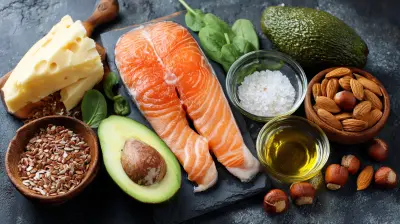
Think of food as your hormonal toolkit. Aim for meals packed with protein, healthy fats, fiber, and colorful veggies. These aren’t just for your physical recovery—they directly impact hormone production and regulation.Here are some hormone-happy foods to keep in your kitchen:
- Avocados – full of healthy fats to support hormone synthesis
- Leafy greens – rich in magnesium and folate (which your body needs right now)
- Salmon – omega-3s for inflammation and mood support
- Eggs – protein plus hormone-building cholesterol
- Nuts and seeds – zinc, selenium, and vitamin E galore
Say Yes to Slow Carbs
Carbs aren’t the enemy—they’re fuel. But focus on slow-digesting carbs like sweet potatoes, oats, lentils, and quinoa. These keep your blood sugar stable, which helps balance insulin—a key hormone linked to mood and energy.
2. Hydration: The Unsung Hormone Hero
Hydration might seem basic, but it’s a game-changer for postpartum recovery. Your hormones, especially prolactin and oxytocin, work better when your body is well-hydrated.If you’re breastfeeding, you’re losing a lot of fluids. And even if you’re not, your body is still in stress-recovery mode. So refill that water bottle often.
? Pro tip: Add a pinch of sea salt or a splash of coconut water for electrolytes—nature’s Gatorade.
3. Sleep (Or At Least Rest) Like It’s Your Job
Yeah, yeah—we know. Sleep with a newborn? Sounds like a cruel joke. But hear me out: even short bursts of quality rest can make a big difference in hormone regulation.Sleep affects everything—your cortisol levels (stress hormone), insulin sensitivity, and even your appetite-controlling hormones like leptin and ghrelin.
How to Sneak in Restful Moments
- Nap when the baby naps – seriously, laundry can wait- Practice deep breathing before bed – even 5 minutes can calm your nervous system
- Trade off nighttime duties with your partner or a helper if possible
Sleep doesn't have to be perfect—it just needs to happen more often than not.
4. Move Your Body, But Keep It Gentle
Exercise is incredible for hormonal health. But postpartum is not the time for boot camps or backflips. Start small and ease your way into movement. The key is consistency, not intensity.Hormone-Friendly Postpartum Workouts
- Walking – fresh air, light cardio, and a mental health boost all in one- Pelvic floor exercises – super important post-birth, even if you had a C-section
- Gentle yoga or stretching – promotes circulation and reduces cortisol
Listen to your body. If something feels off, pause. Movement should feel good, not forced!
5. Lean into Adaptogens and Supplements (With Care)
Sometimes your lifestyle is on point, but you still need a little herbal help. Enter: adaptogens and targeted supplements.Top Picks for Postpartum Hormone Support
- Ashwagandha – helps calm cortisol and support mood (talk to your doctor if breastfeeding)- Maca root – known to support adrenal health and energy
- Magnesium – great for sleep, mood, and muscle recovery
- Vitamin D – essential for everything from mood to immune support
- Omega-3 (DHA & EPA) – especially if you’re not eating fatty fish regularly
⚠️ Important! Always check with your doctor or a qualified practitioner before starting any new supplement—especially if breastfeeding or on medications.
6. Manage Stress Without Guilt
Stress can wreak havoc on hormones, and let’s be honest—postpartum life is full of triggers. The key isn’t to erase stress (impossible), but to manage it in a way that supports your hormones, not floods them.Simple Stress-Busting Habits
- Deep breathing – slow inhales and exhales can instantly lower cortisol- Talk therapy – postpartum mental health matters; don’t hesitate to reach out
- Gratitude journaling – focus on small wins and joyful moments
- Quiet time – even 10 minutes alone with your thoughts can act like a mini-reset
Just remember: caring for your mind is caring for your hormones.
7. Don’t Ignore Emotional Shifts
Mood swings are common postpartum, thanks to those dramatic hormone drops. But while baby blues are normal, ongoing sadness, anxiety, or detachment may be signs of postpartum depression or anxiety.You deserve to feel good—not just survive motherhood.
When to Seek Help
- Feelings of sadness lasting more than two weeks- Trouble bonding with your baby
- Persistent anxiety or panic attacks
- Intense anger or irritability
There is zero shame in asking for help. In fact, it’s a brave, loving thing to do—for yourself and your baby.
8. Support Your Gut – Your Second Brain
Did you know your gut health and hormones are closely linked? Your microbiome (aka gut bacteria) helps regulate estrogen, serotonin, and stress hormones. That means keeping your belly happy can keep your whole system humming.Gut-Loving Habits
- Eat fiber-rich foods – think beans, veggies, and whole grains- Include fermented foods like yogurt, kefir, sauerkraut, or kimchi
- Take a high-quality probiotic—especially after antibiotics
- Limit processed junk that feeds bad bacteria
Your gut is your hormone’s best friend—treat it kindly!
9. Build Your Mom Tribe
Yes, community impacts your hormonal health too! Social connection boosts oxytocin, lowers stress hormones, and reminds you that you’re not in this alone.Whether it’s a friend, a family member, or a virtual support group, having others who "get it" is priceless.
Don't be afraid to ask for help, vent your frustrations, or share your wins. Mom life is better together!
10. Give Yourself Grace (Yes, You!)
Supporting hormonal health isn’t about being perfect—it’s about tuning in. Your body knows what to do; it just needs a little help getting there. You’re already doing amazing. Seriously.So take it one day at a time. Some days you’ll rock it, some days you’ll nap through it—and both are wins in their own way.
You just brought life into this world—now it’s time to give yourself some life back.
The Bottom Line
Postpartum hormones are wild—but they don’t have to rule your life. With some gentle nutrition, movement, rest, and TLC, you can bring your body and mind back into balance. Take your time, ask for help, and trust the process.Motherhood is a journey—and so is healing. You’ve got this, mama
all images in this post were generated using AI tools
Category:
Healthy HormonesAuthor:

Madeline Howard
Discussion
rate this article
2 comments
Darby McKeever
Supporting hormonal health postpartum is essential for both physical and mental well-being. Focus on balanced nutrition, regular exercise, and adequate sleep. Don't hesitate to seek support from healthcare providers if you're feeling overwhelmed. Small daily practices can make a big difference in your recovery and overall health during this time.
August 17, 2026 at 3:13 PM
Madeline Howard
I completely agree. Taking care of yourself with balanced nutrition, exercise, and sleep is so important. And reaching out for help is a key part of the process. Thanks for sharing these valuable insights!
Clarissa King
Great tips for nurturing hormonal balance after childbirth!
June 4, 2026 at 2:52 PM
Madeline Howard
Thank you! I'm glad you found the tips helpful for postpartum hormonal balance.