How to Time Your Meals for Optimal Performance
22 August 2026
Have you ever wondered why despite eating all the "right" foods, your energy levels still dip halfway through the day? Or why your workout feels sluggish even though you loaded up on carbs the night before? It might not just be what you're eating, but when you're eating that needs a closer look.
Let me introduce you to the underrated art of timing your meals. Think of your body as a high-performance car. Sure, premium fuel is important, but putting the right amount into the tank at just the right time is what keeps the engine running at top speed. The same goes for your body—strategically scheduling meals can be the game-changer that takes your energy, focus, and performance to the next level.
In this post, we’re diving into the nitty-gritty of meal timing. Whether you’re an athlete, a busy professional, or someone looking to crush their fitness goals, these tips are for you! 
Why Is Meal Timing Important?
You’ve probably heard the phrase "You are what you eat," but here's the kicker—you’re also when you eat. Food is fuel, and the timing of that fuel can impact your energy levels, metabolism, digestion, and even your mood.Picture this: You wouldn’t fill up your car after a long road trip, right? You’d put gas in before starting the journey. The same logic applies to your meals. Eating the right food at the right time ensures that your body has the energy and nutrients it needs to perform efficiently—whether that’s acing a presentation at work, hitting a PR in the gym, or simply feeling good throughout the day. 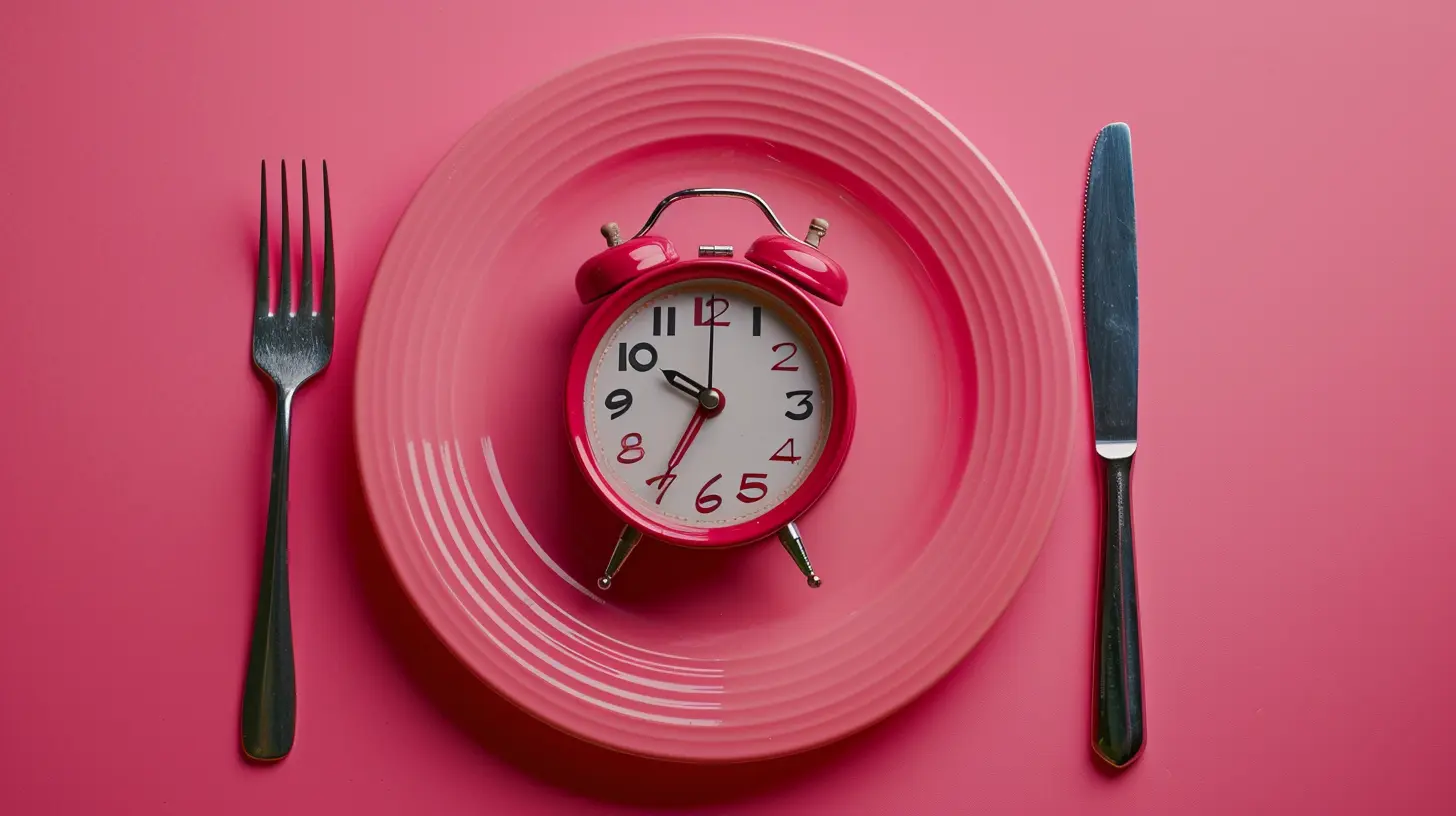
The Science Behind Meal Timing
Let’s quickly nerd out together for a moment (I promise it won’t get too complicated). Meal timing is all about syncing your body’s energy needs with your food intake. Our bodies operate on a 24-hour internal clock called the circadian rhythm, which influences hunger hormones, digestion, and metabolism.For instance:
- Your digestive system is more efficient during the day, which means your body processes and uses nutrients better.
- Eating late at night can throw your circadian rhythm off track, leading to poor sleep and sluggishness the next day.
If you time your meals right, you’re working with your body instead of against it. Simple, right? 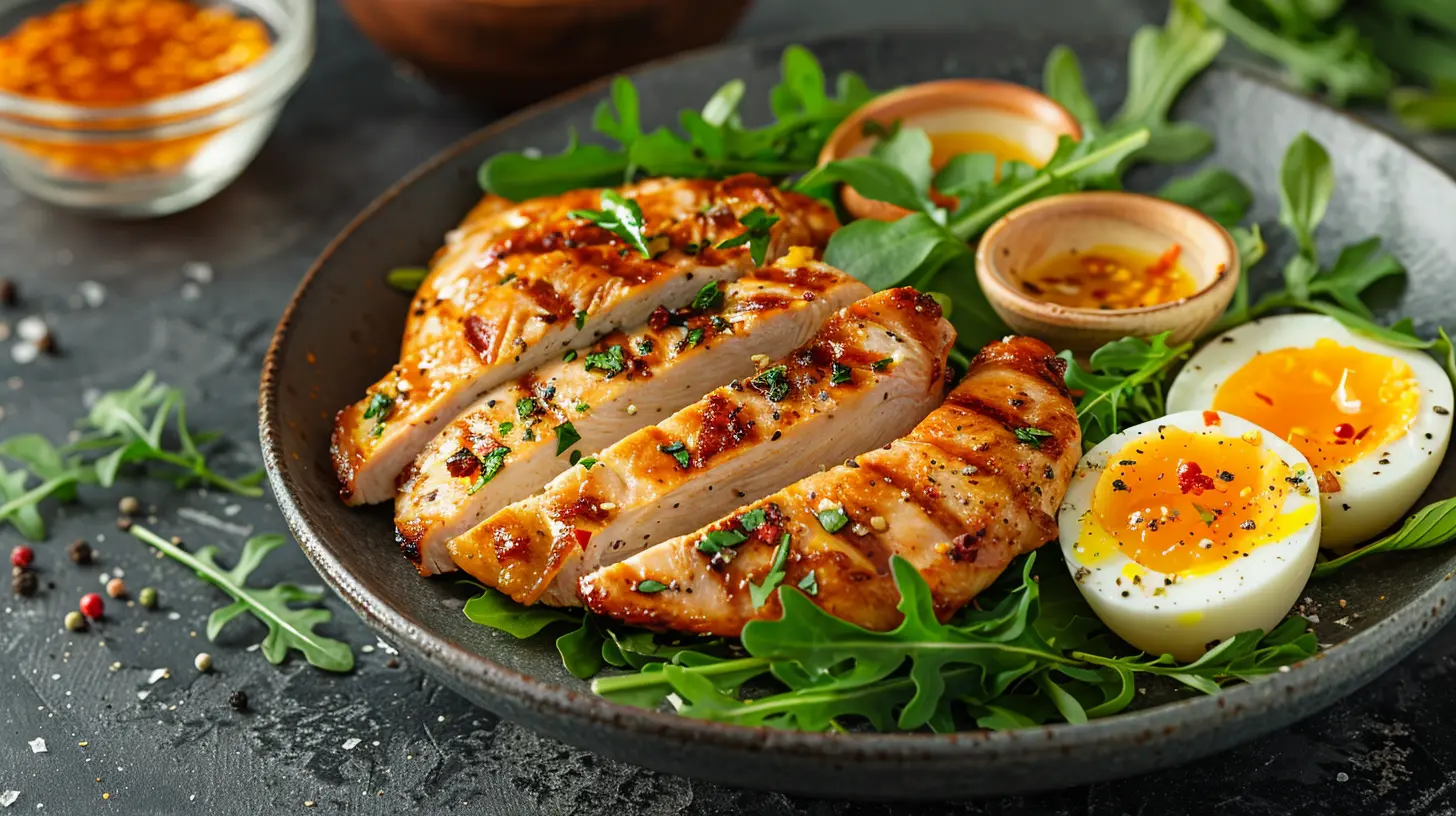
How to Time Your Meals for Peak Energy
1. Start Strong With Breakfast
They don’t call it the most important meal of the day for nothing. Breakfast literally "breaks the fast" after hours of sleeping. Skipping it can leave your brain and body running on fumes. Aim to eat within an hour or two of waking up to kickstart your metabolism and fuel your morning.What should you eat? A combination of protein, healthy fats, and complex carbs is your best friend. Think eggs with avocado toast or Greek yogurt with berries and nuts. These choices keep you fuller for longer and prevent those mid-morning hunger pangs.
2. Snack Smart Between Meals
Ever feel like you’re ready to gnaw your arm off before lunchtime? Instead of suffering, plan for a mid-morning snack. Small, nutrient-packed snacks provide a steady stream of energy and keep you from overloading on calories later.Some snack ideas:
- A handful of almonds and an apple
- A protein bar (low-sugar)
- Veggie sticks with hummus
Make snacking intentional—not something you do mindlessly staring at your screen at work!
3. Fuel Your Lunch Wisely
Lunch is all about recharging for the second half of your day. Instead of grabbing a greasy burger or skipping lunch altogether (we’ve all been there), aim for a balanced meal with lean protein, whole-grain carbs, and plenty of veggies.Timing matters here too. Eating lunch around 12-1 PM is ideal to keep your blood sugar and energy levels stable. If you wait too long, you risk becoming "hangry" (hungry + angry = disaster), which leads to poor food choices. Nobody wants that.
4. Pre-Workout Nutrition—The Power Hour
This is where meal timing really starts to shine for anyone focused on fitness. Eating before a workout is like charging your phone before a long day—you’ll perform better and recover faster.The golden window? Eat 1-3 hours before exercise. What you eat depends on the timing:
- 3 Hours Before: A full meal with carbs, protein, and a little fat. Example: Grilled chicken with quinoa and veggies.
- 1 Hour Before: A lighter snack high in carbs and moderate in protein. Example: A banana with a dollop of peanut butter.
Avoid heavy meals that could weigh you down, and steer clear of sugary snacks that will spike and crash your energy levels.
5. Post-Workout Recovery—The Anabolic Window
Ever heard of the “anabolic window”? It’s the time after your workout when your muscles are primed to absorb nutrients and start repairing. Think of it as your body yelling, "Feed me!"Ideally, eat within 30-60 minutes of finishing your workout. A mix of protein and carbs is your best bet to jump-start recovery. Protein shakes with a piece of fruit or a turkey sandwich on whole-grain bread are great choices.
6. Dinner Done Right
Dinner marks the close of your day, so keep it light but satisfying. Too many carbs or fatty foods can mess with your sleep, so focus on lean protein (like grilled salmon or tofu), fiber-filled veggies, and a small portion of healthy fats.Try to eat dinner at least 2-3 hours before bed. This gives your body enough time to digest so you can sleep soundly instead of tossing and turning.
7. Nighttime Snacks—Yay or Nay?
Let’s settle the debate: Is it okay to eat before bed? Short answer: Yes, but make it small and smart.If you’re truly hungry before bed, opt for a light snack. Something like a handful of nuts, a small piece of dark chocolate, or a slice of low-fat cheese works well. Skip the chips or ice cream, though—they’ll leave you feeling groggy the next morning. 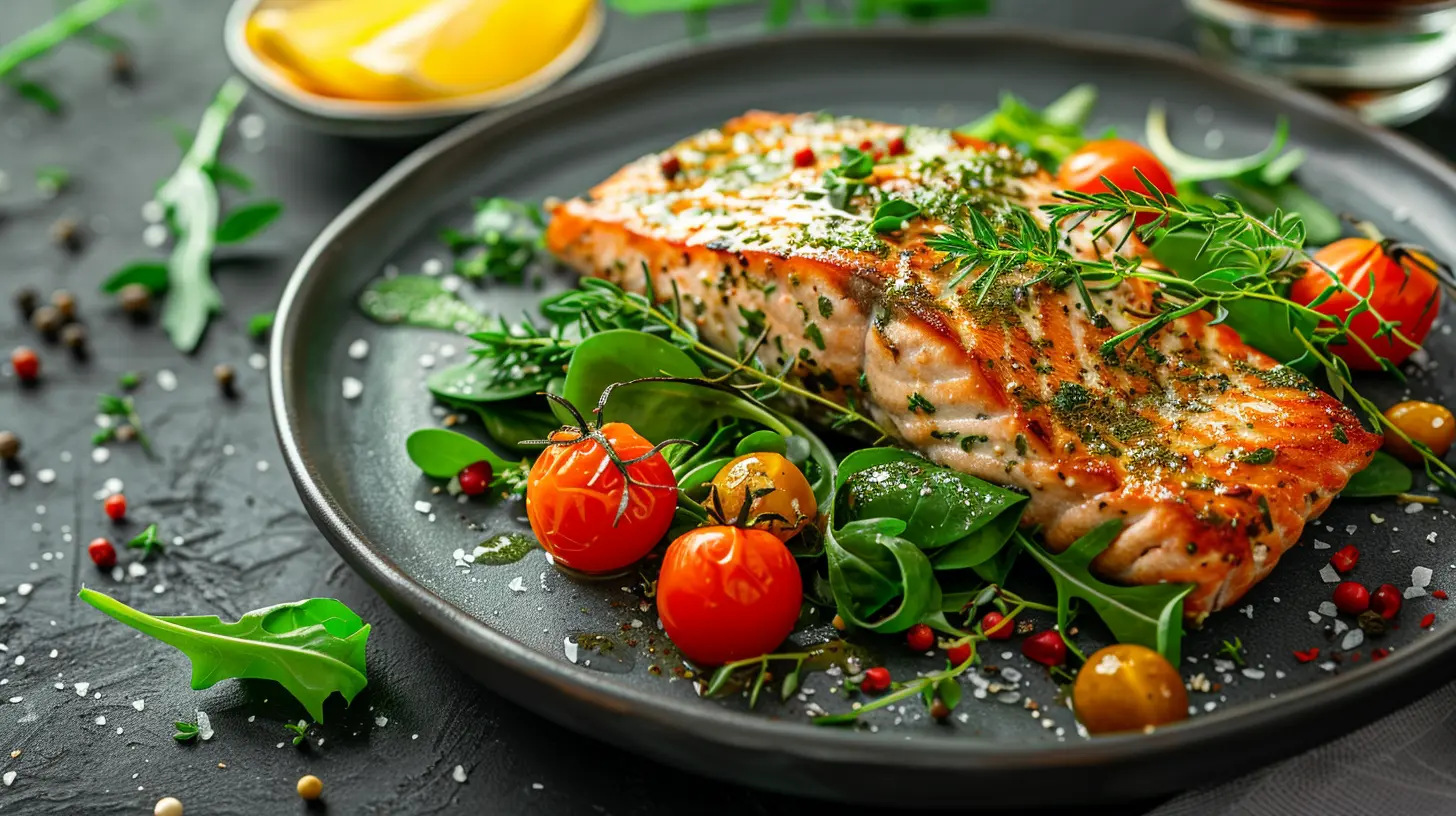
Adjusting Meal Timing for Your Lifestyle
Let’s face it—life isn’t always predictable. Between work, family, and everything else, sticking to a meal schedule can feel impossible. That’s okay! The goal here isn’t perfection, but finding what works for you.Here are some tips to make meal timing more realistic:
- Plan Ahead: Prep meals or snacks so you’re not scrambling when hunger strikes.
- Listen to Your Body: If you’re not hungry, don’t force yourself to eat just because the clock says so.
- Be Flexible: It’s okay to eat lunch at 11:30 AM if you’re starving, or push dinner back if you had a late snack.
Final Thoughts
Meal timing doesn’t have to be complicated—it’s all about syncing your food intake with your body’s natural rhythm and energy needs. By eating at the right times, you can boost your performance, improve digestion, and feel like the best version of yourself.So, grab your planner, map out a rough idea of when to eat, and start experimenting. Listen to your body, adjust as needed, and most importantly, enjoy the process. Remember, food isn’t just fuel—it’s also one of life’s greatest joys.
all images in this post were generated using AI tools
Category:
Sports NutritionAuthor:

Madeline Howard
Discussion
rate this article
1 comments
Katherine Gates
Great article! Timing your meals can truly transform your energy and focus. It's all about finding what works best for you. Small adjustments can lead to big changes in your daily performance. Keep it up!
August 22, 2026 at 4:23 PM
Madeline Howard
Thank you! I'm glad you found it helpful. Small changes really can make a big difference. Appreciate your support!