WHO's New Pandemic Agreement: A Step Towards Equity in Global Health
December 11, 2025 - 08:03
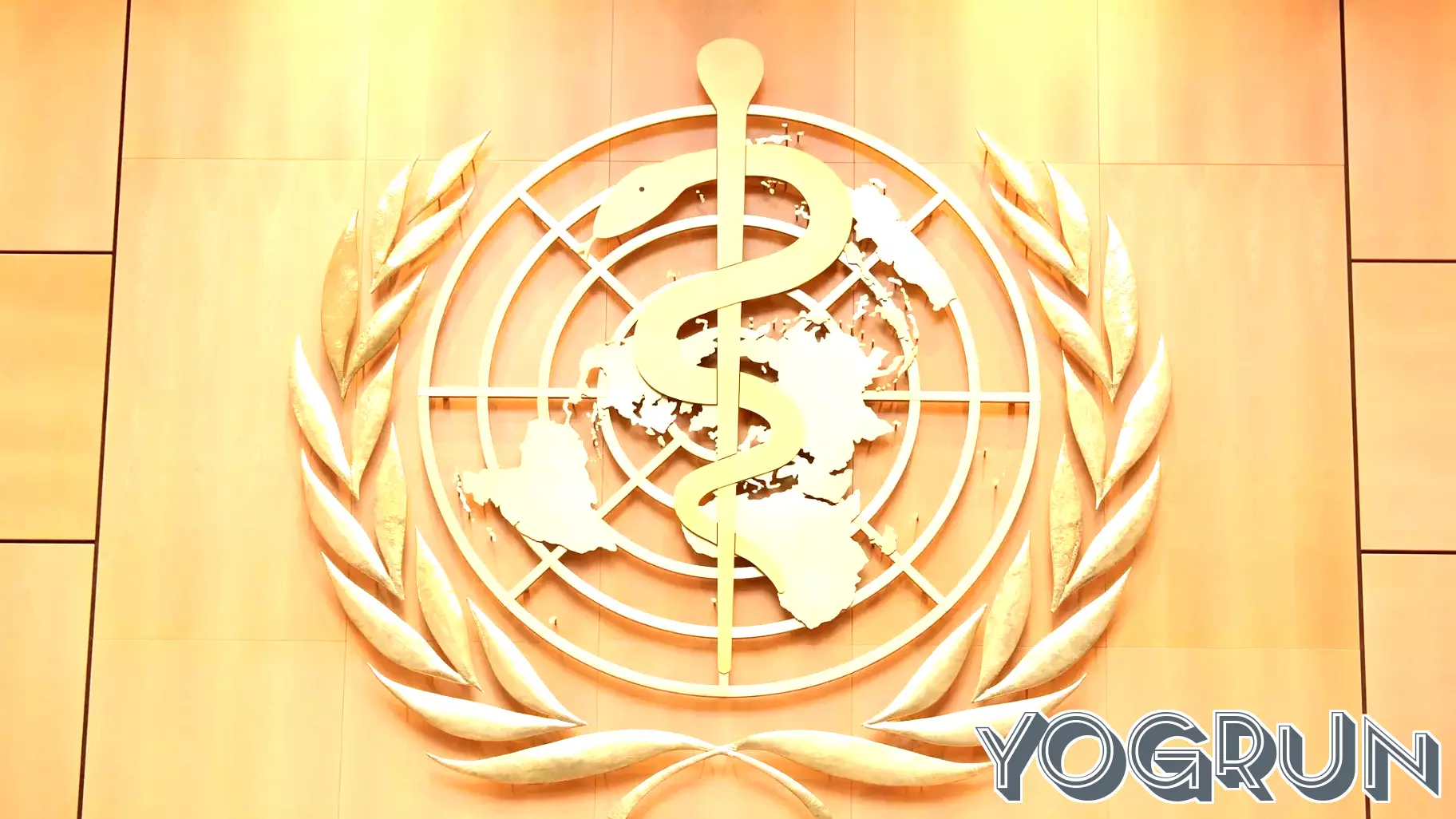
On May 20, 2025, the World Health Assembly reached a significant milestone by unanimously adopting the World Health Organization (WHO) Pandemic Agreement, an international treaty aimed at enhancing pandemic prevention, preparedness, and response. This treaty, the result of three years of intense negotiations, signifies a new chapter in global health cooperation. However, key elements, particularly the Pathogen Access and Benefit-Sharing (PABS) system, remain contentious, raising concerns about equitable access to pandemic-related resources.
The agreement introduces the principle of "One Health," emphasizing the interconnectedness of human, animal, and environmental health in addressing pandemic risks. Despite its ambitious goals, the success of this initiative hinges on robust data sharing and collaboration among nations. The PABS framework is crucial for facilitating the rapid exchange of pathogen samples and genetic data, ensuring that all countries benefit from advancements in diagnostics, therapeutics, and vaccines.
Equity remains a pressing issue, as negotiations around PABS highlight disparities between nations that contribute to pathogen resources and those that primarily benefit from them. Countries rich in biodiversity, often in the Global South, are poised to supply valuable materials, while wealthier nations dominate the technological and financial aspects of product development. To rectify these imbalances, the principle of "common but differentiated responsibilities" should be integrated into PABS negotiations. This would mandate that wealthier nations and their corporations take on greater responsibilities in sharing benefits and supporting developing countries in building their healthcare capacities.
For the WHO Pandemic Agreement to realize its potential, a strong enforcement mechanism within the PABS framework is essential. This would not only enhance compliance but also restore trust in global health governance, ensuring that innovations serve all people equitably. Ultimately, the success of the PABS system will determine whether the promises of the Pandemic Agreement translate into tangible benefits for communities worldwide.
MORE NEWS

October 25, 2026 - 01:22
Hundreds of Antelope Island bison rounded up ahead of health checks, auctionState wildlife officials have completed their annual bison roundup on Antelope Island, gathering hundreds of animals for health inspections and an upcoming auction. The herd currently numbers...

October 24, 2026 - 10:20
LGBTQ+ college students facing discrimination report higher mental health risksA new national study reveals that LGBTQ+ college students who encounter discrimination are significantly more likely to struggle with depression, anxiety, and suicidal thoughts. The research,...
October 23, 2026 - 19:35
Aid Cuts Linked to Rising Child Mortality, Former USAID Health Chief SaysSpeaking at IDWeek 2026, Atul Gawande, MD, MPH, warned that recent cuts to global health funding are costing children`s lives, though he pushed back on the idea that the field has lost all its...

October 23, 2026 - 00:29
Former Mountain Home Student Turns Injury Into Mental Health MissionWhen Ava Johnson saw how an injury kept her sister from playing sports, she wanted to raise awareness for her entire town. That moment became the starting point for a mental health initiative that...