What to Wear for Your Workout: Comfort Over Couture
16 November 2026
When it comes to working out, the clothing you choose plays a critical role in your performance, comfort, and even your motivation. While fashion might influence some choices, the primary focus should always be on functionality and comfort. This article delves into essential considerations when selecting workout attire, the materials that best support physical activity, and how to avoid common pitfalls.
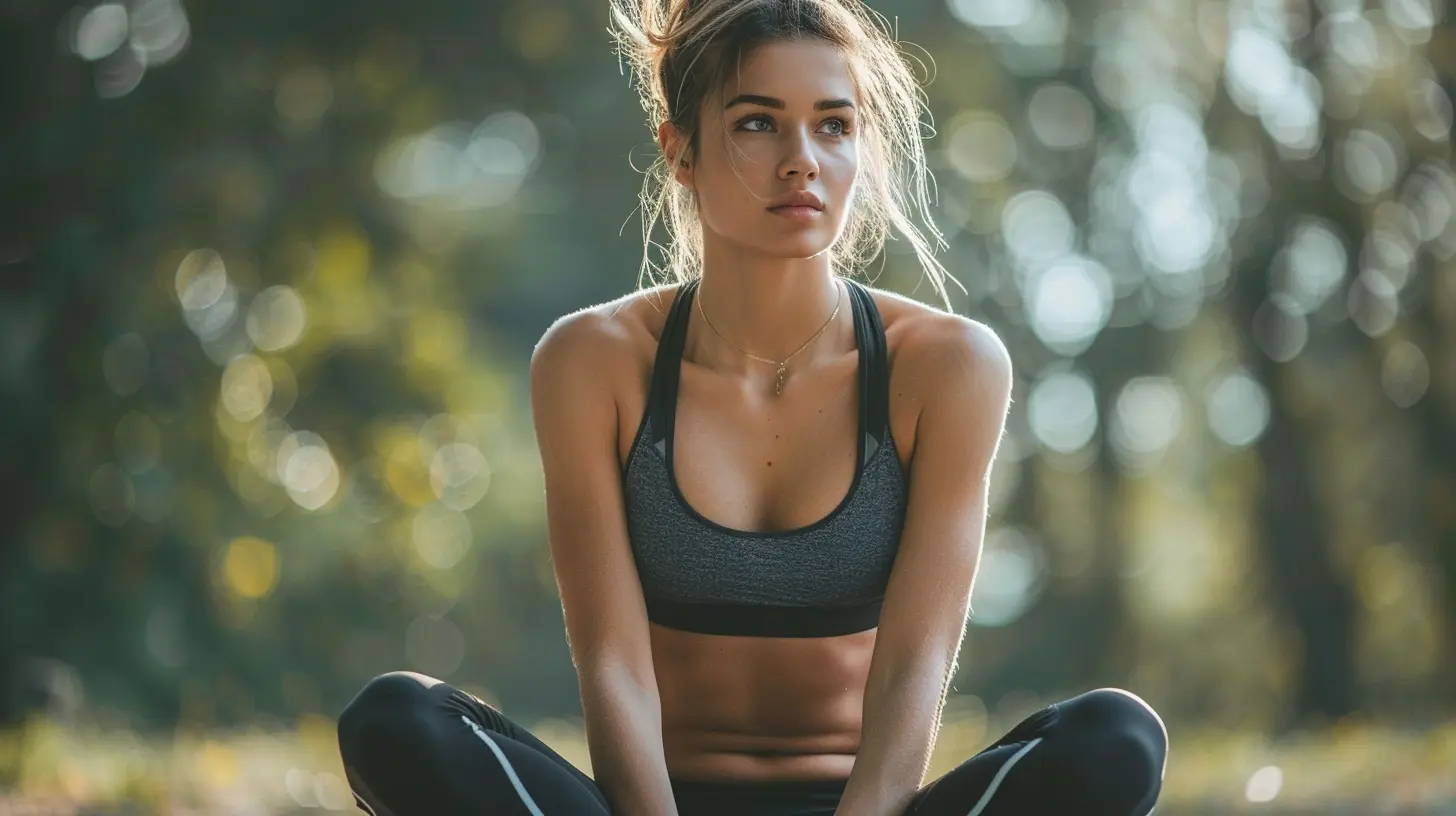
Understanding the Importance of Proper Workout Attire
Choosing the right clothing for exercise is not just about looking good; it has significant implications for your performance and overall experience. The right workout attire can enhance your mobility, wick away sweat, regulate your body temperature, and protect your skin. Conversely, the wrong choices can lead to discomfort, distraction, and even injury.The Impact of Fabric on Performance
The type of fabric you wear can make or break your workout. Here are some common materials and their respective benefits:- Cotton: While comfortable and breathable, cotton absorbs moisture and can become heavy and damp during intense workouts. It's best suited for light activities or casual wear.
- Polyester: This synthetic material is moisture-wicking, meaning it pulls sweat away from your skin. It dries quickly and is durable, making it great for high-intensity workouts.
- Nylon: Similar to polyester, nylon is strong and flexible. It's excellent for yoga and pilates, as it allows for a full range of motion.
- Spandex (Lycra): Often blended with other fabrics, spandex offers exceptional stretch and recovery. It provides a snug fit that supports your muscles during dynamic movements.
When considering fabrics, focus on those that align with your activity level and environment.
Temperature Regulation
Your workout environment can vary significantly based on the season, location, and type of exercise. Temperature regulation is crucial for maintaining optimal performance and avoiding overheating or becoming too cold.- Layering: In colder months, layering is essential. Start with a moisture-wicking base layer to keep sweat away from your body. Add an insulating layer, like fleece, and finish with a wind-resistant outer layer.
- Lightweight Options: In warmer climates, opt for lightweight, breathable fabrics. Look for items with mesh panels or ventilation to promote airflow.
Fit Matters
The fit of your workout clothes can affect your range of motion and comfort. Here's what to consider:- Tight vs. Loose: Tight-fitting clothes can provide support and reduce chafing but may limit movement if overly restrictive. Loose clothing allows for better airflow but can also become a distraction during intense workouts. Finding a balance is key.
- Length: Consider the length of your tops and bottoms. Cropped tops can offer breathability, while longer options may provide more coverage and comfort during certain movements.
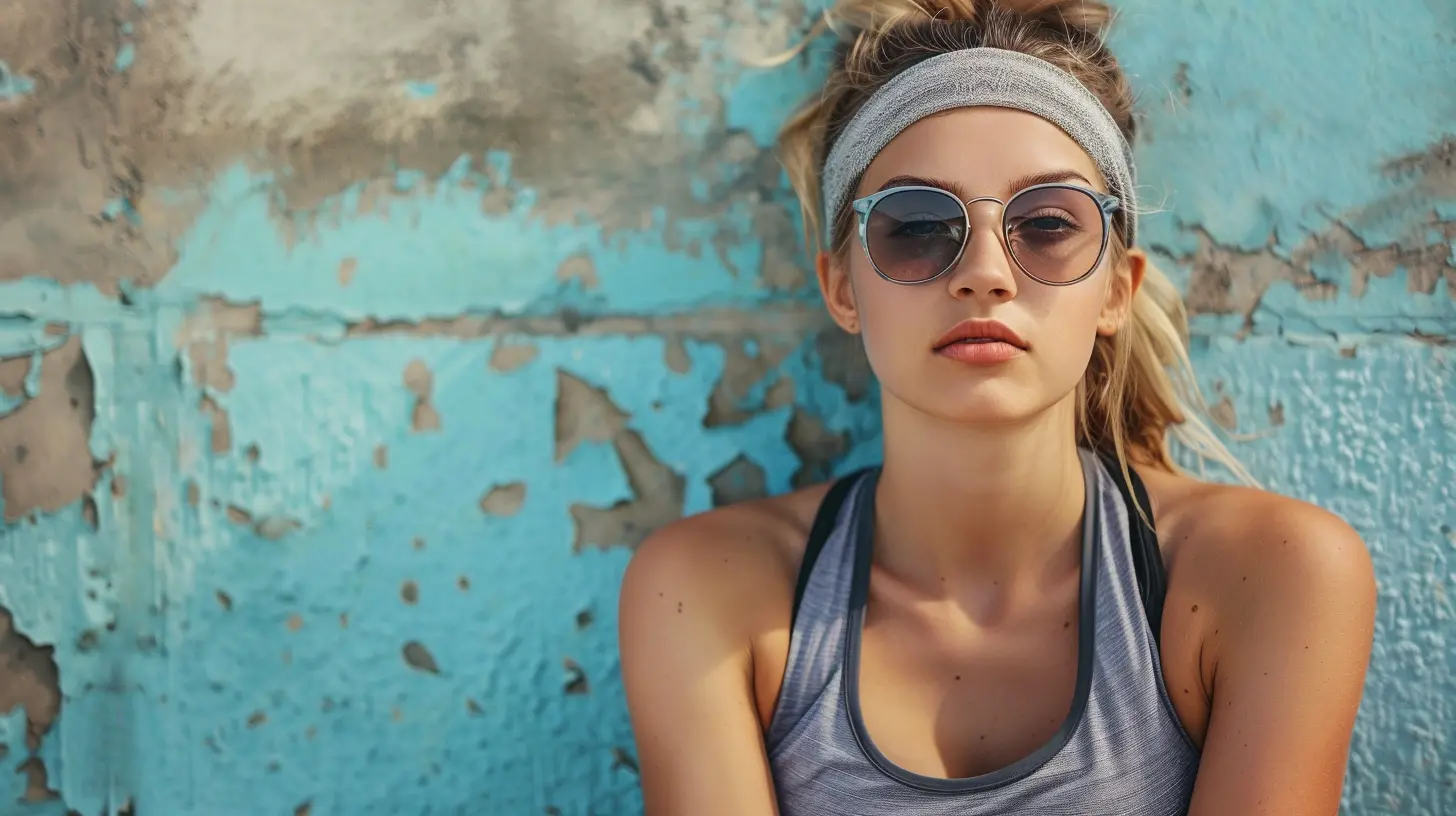
Selecting the Right Gear for Different Activities
Not all workouts are created equal, and neither is the gear you need. Depending on your preferred activities, you may require different types of clothing.Running
For running, prioritize lightweight, moisture-wicking fabrics. Look for:- Shorts or leggings: Choose based on your preference and weather. Both options should fit snugly without being overly tight.
- Technical t-shirts: Opt for breathable materials that minimize chafing. Consider features like reflective elements for safety during early or late runs.
Strength Training
When lifting weights or engaging in strength training, comfort and flexibility are paramount:- Tank tops or fitted shirts: These allow for a full range of motion in your arms.
- Compression gear: These can enhance circulation and muscle support, but be cautious of choosing items that are too tight.
Yoga and Pilates
Flexibility and comfort are essential here, so opt for:- Stretchy leggings or shorts: Look for high-waisted options that won't slip during poses.
- Breathable tops: Choose fitted or loose styles based on your comfort level. Avoid anything with a lot of embellishments that could dig in during stretches.
Cycling
For cycling, you need specialized gear to enhance performance:- Padded shorts: These reduce friction and provide cushioning on the saddle.
- Moisture-wicking jerseys: Look for options with pockets for storing essentials like snacks or your phone.
Accessories to Enhance Your Workout Experience
Beyond clothing, certain accessories can improve your workout comfort and performance.Footwear
Proper footwear is crucial for any workout. Consider the following:- Running shoes: These should offer stability and cushioning. A proper fit is essential; your shoes should provide support without being too tight.
- Cross-training shoes: If your workouts vary between activities, a versatile shoe can offer adequate support for multiple movements.
Sports Bras
For women, a supportive sports bra is non-negotiable. Here are some tips:- Support Level: Choose a bra that matches your activity level. High-impact activities require more support than low-impact ones.
- Fit: The band should sit snugly, and the straps should not dig into your shoulders. Consider trying on several styles to find what offers the best support and comfort.
Headgear
Depending on your preference, a headband or cap can help manage sweat and keep hair out of your face. Look for moisture-wicking materials that won't distract you during your workout.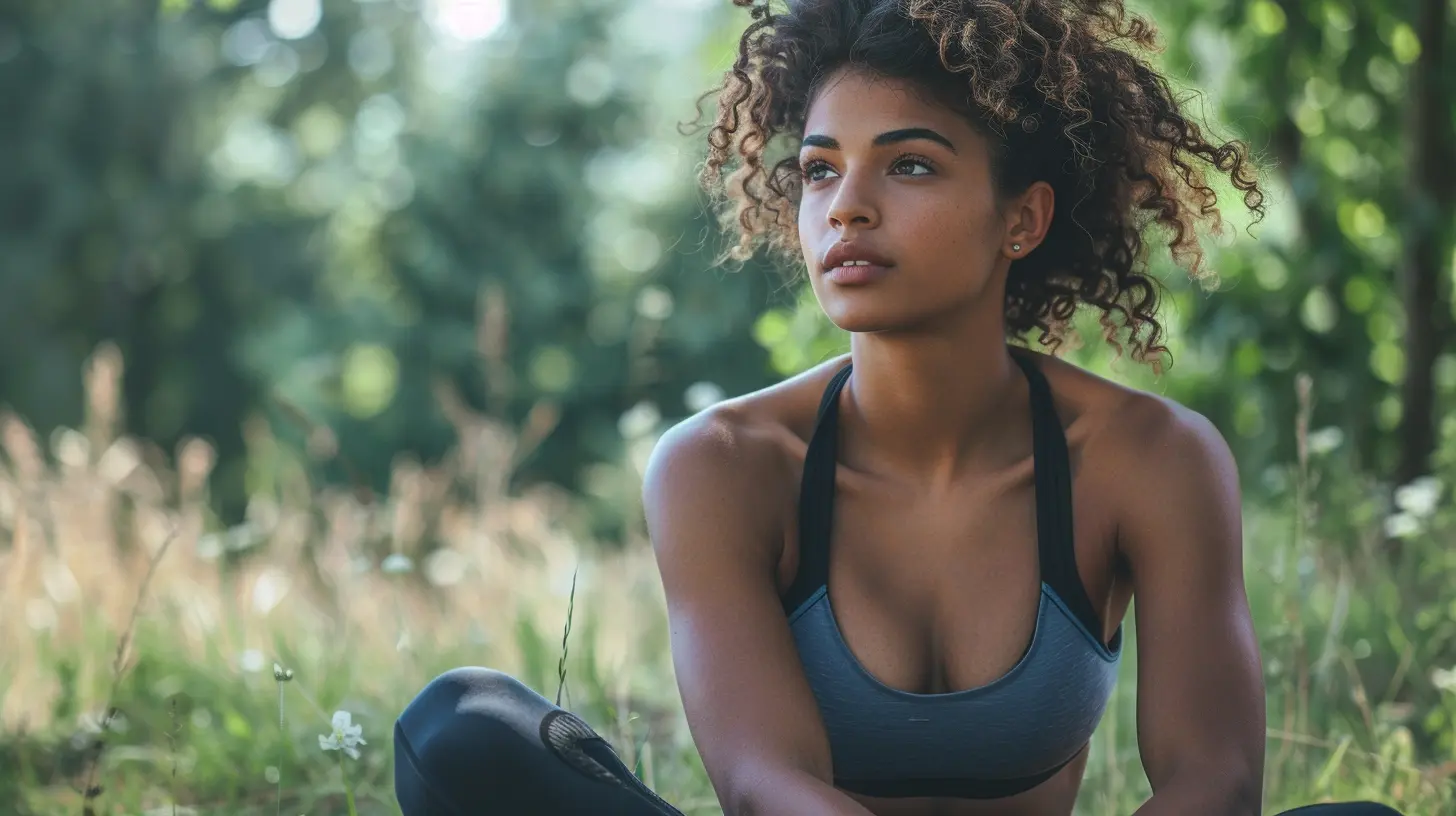
Common Mistakes When Choosing Workout Clothes
Even with the best intentions, it is easy to make mistakes when selecting workout gear. Here are some common pitfalls to avoid:Prioritizing Style Over Function
While it can be tempting to choose trendy items, remember that fashion should not compromise comfort or function. Focus on how the clothing performs during exercise rather than how it looks in the mirror.Ignoring Body Type
Clothing that looks great on someone else may not work for your body type. It's essential to choose styles that flatter your figure and allow for movement. Don't hesitate to try various brands and fits until you find what works best for you.Skipping the Try-On Process
Buying workout clothes without trying them on can lead to discomfort later. Always check for fit, coverage, and functionality before making a purchase.Not Considering Layering Options
For outdoor workouts, not thinking ahead about weather changes can lead to discomfort. Prepare for fluctuating temperatures by investing in layering options that you can easily adjust during your workout.Real-World Examples of Effective Workout Attire Choices
To illustrate the importance of thoughtful workout attire, here are a couple of real-world examples:Example 1: A Runner's Gear
Consider Jane, an avid runner. She always opts for moisture-wicking shorts and a lightweight tank top. On colder days, she layers with a long-sleeve technical shirt and a running jacket. Jane's choice of running shoes is based on her gait analysis, ensuring that she has the right support. This attention to detail keeps her comfortable and focused on her performance.Example 2: A Yoga Enthusiast's Approach
Mark is a yoga instructor who prioritizes flexibility and comfort in his attire. He selects high-waisted leggings that stay in place during inversions and a fitted tank top that allows for a full range of motion. Mark avoids loose clothing that could become a distraction during practice. His choices reflect a commitment to comfort and functionality, allowing him to focus entirely on his students and the practice itself.
Best Practices for Maintaining Your Workout Clothing
Once you have invested in quality workout clothes, proper care is essential to prolong their lifespan:Washing and Drying
- Follow Care Instructions: Always check labels for specific washing and drying instructions. Different fabrics may require different care.- Avoid Fabric Softeners: These can reduce moisture-wicking capabilities. Instead, opt for gentle detergents designed for activewear.
Storage
- Keep Them Dry: Store workout clothes in a dry place to prevent mildew. Avoid leaving damp clothes in a gym bag for extended periods.- Organize by Activity: Consider organizing your workout attire by type of exercise to make selection easier.
Conclusion
Choosing what to wear for your workout is more than just a matter of aesthetics. Prioritizing comfort, functionality, and fit can significantly enhance your performance and enjoyment. By understanding the importance of fabric, fit, and appropriate gear for different activities, you can make informed choices that align with your fitness goals. Remember to avoid common mistakes and focus on maintaining your clothing to ensure it serves you well for many workouts to come.
all images in this post were generated using AI tools
Category:
Fitness For BeginnersAuthor:

Madeline Howard