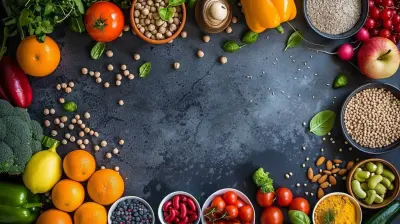
Meal Planning for a Healthy Week Ahead
21 August 2026
Eating healthy doesn’t have to be complicated or time-consuming. With the right meal planning strategy, you can set yourself up for a nutritious and delicious week without the stress of scrambling for meals at the last minute. Whether you're looking to lose weight, boost energy, or simply eat better, meal planning is the key to making healthy eating effortless.
In this guide, we’ll break down everything you need to know about meal planning—from choosing the right ingredients to prepping like a pro. 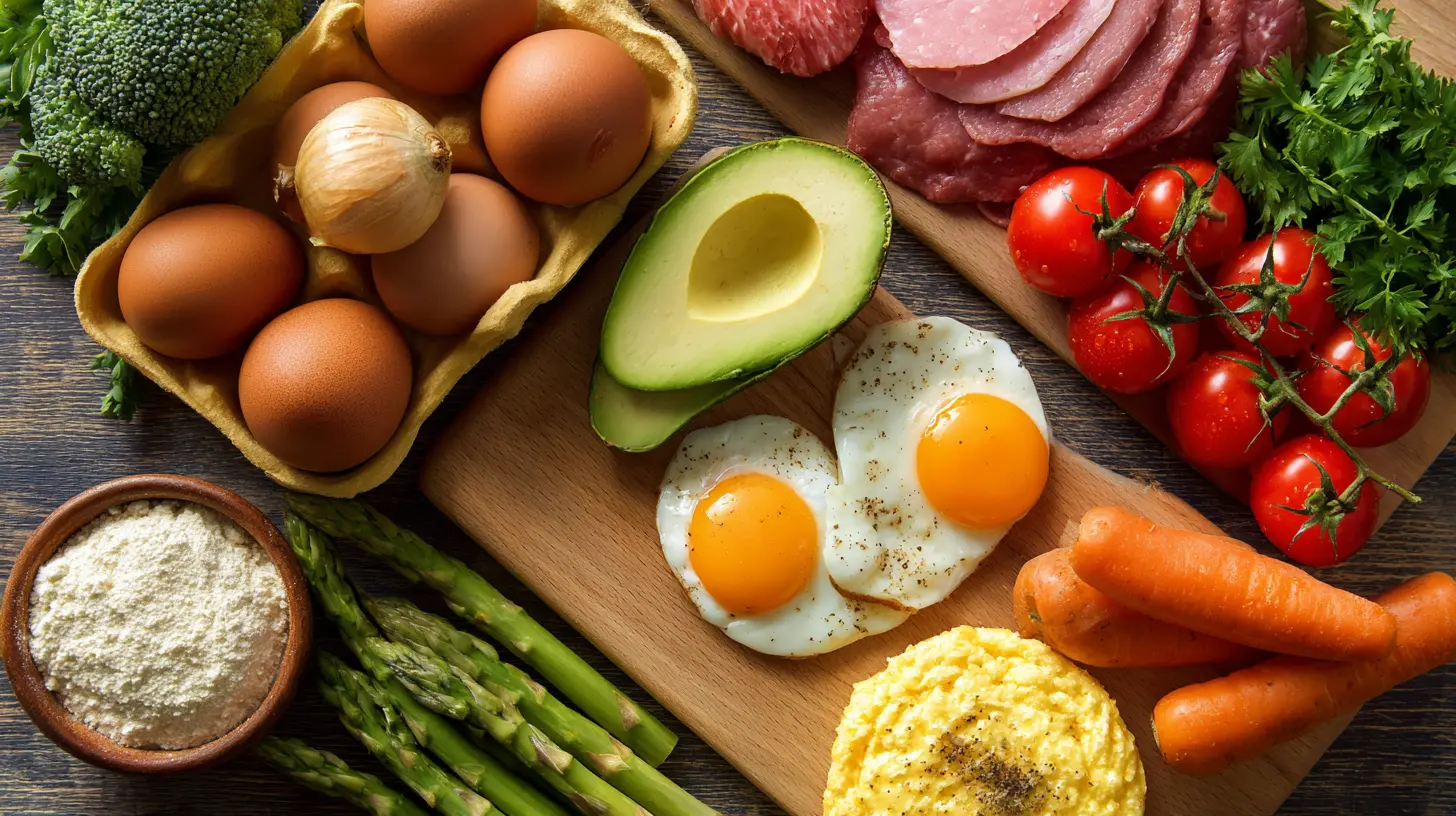
What Is Meal Planning and Why Does It Matter?
Meal planning is the process of deciding in advance what you’ll eat for the week. It involves selecting meals, making a grocery list, and prepping ingredients to save time during the week.So why should you meal plan? Here are a few reasons it can be a game-changer:
- Saves Time – No more last-minute scrambling to figure out what to eat.
- Reduces Stress – Knowing what’s for dinner eliminates the daily "What should I cook?" dilemma.
- Promotes Healthier Choices – Planning helps you control portion sizes and avoid unhealthy last-minute takeout.
- Saves Money – Buying only what you need helps cut down on unnecessary spending.
- Reduces Food Waste – With a plan, you use ingredients efficiently and avoid throwing away unused food.
Now that you know why meal planning is important, let’s dive into how to do it effectively. 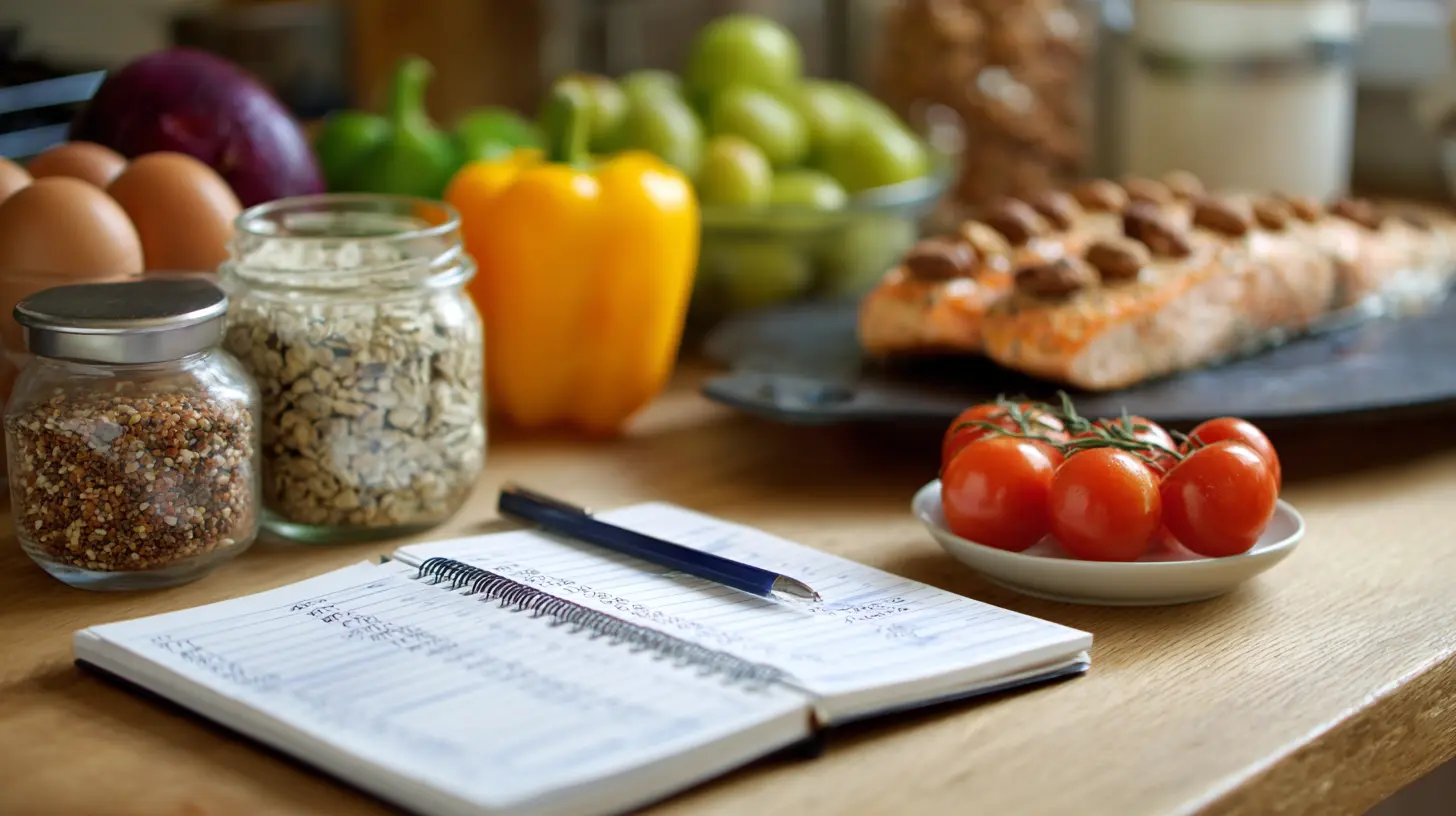
Step 1: Set Your Health Goals
Your meal plan should align with your personal health objectives. Ask yourself:- Are you trying to lose weight? Focus on portion control and balanced macros.
- Do you want to boost energy? Incorporate complex carbs and healthy fats.
- Are you aiming for muscle gain? Increase your protein intake.
- Looking to eat more whole foods? Ditch processed food and go fresh.
Understanding your goals will help you make mindful choices when planning your meals. 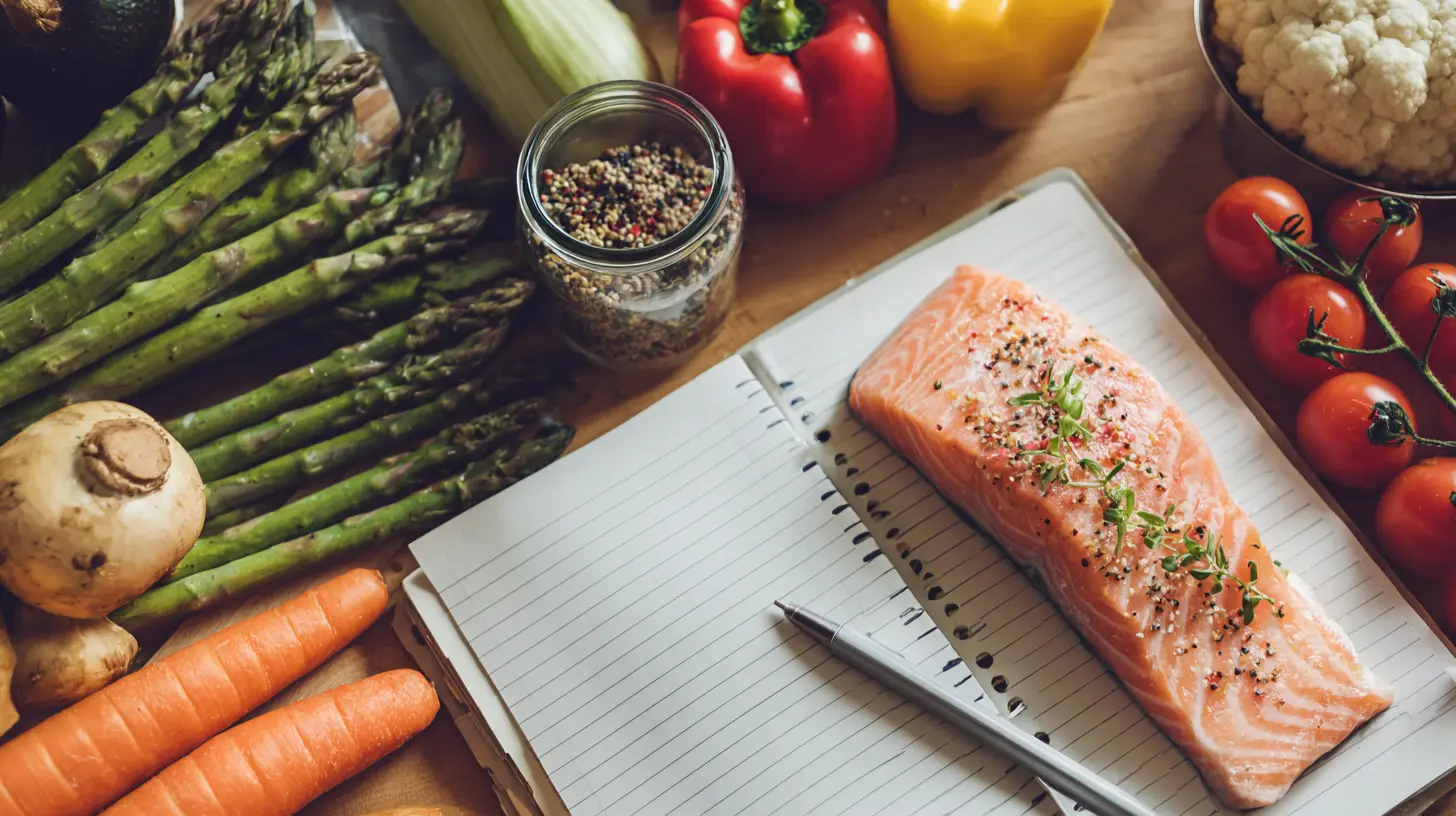
Step 2: Plan Your Meals for the Week
1. Create a Weekly Menu
Start by deciding what meals you’ll eat throughout the week. A good approach is following the 80/20 Rule—eat healthy 80% of the time while allowing flexibility for treats.Here’s a simple breakdown:
- Breakfast: Keep it simple with options like overnight oats, smoothies, or eggs.
- Lunch: Aim for balanced meals with lean proteins, veggies, and whole grains.
- Dinner: Go for variety—stir-fries, grilled proteins, and hearty salads work great.
- Snacks: Healthy options like Greek yogurt, fresh fruit, and nuts keep you energized.
2. Make a Grocery List
Once you’ve planned your meals, jot down what you need. Organize your list by category (produce, dairy, protein, pantry items) to make shopping a breeze.3. Prioritize Nutrient-Dense Foods
Ensure each meal contains a mix of:- Protein – Chicken, fish, tofu, beans, eggs
- Healthy Fats – Avocados, nuts, seeds, olive oil
- Carbs – Whole grains, quinoa, sweet potatoes, legumes
- Fiber – Vegetables, fruits, whole grains 
Step 3: Meal Prep Like a Pro
1. Batch Cooking Saves Time
Dedicate a couple of hours on a Sunday (or any day that works for you) to cook large portions of staple ingredients. Cook grains, chop vegetables, and prepare proteins in advance so assembling meals during the week is quick and effortless.2. Use Proper Storage Techniques
Invest in good-quality meal prep containers to keep food fresh. Glass containers work great for storing cooked foods, while mason jars are perfect for salads and overnight oats.3. Portion Out Meals in Advance
To prevent overeating or undereating, portion meals in advance. This is especially helpful if you have specific calorie or macro goals.Step 4: Keep It Flexible
Meal planning doesn’t mean you have to eat the same thing every day. Switch up flavors, experiment with seasonings, and allow room for spontaneous cravings.Have Backup Options
Sometimes life happens—plans change, and you might not feel like eating what you planned. Keep a few easy-to-make meals like canned tuna, frozen veggies, and instant brown rice on hand for quick fixes.Leave Room for Dining Out
Planning every single meal can feel restrictive. Leave space for an occasional meal out with friends or family without guilt. Just make mindful choices when ordering.Step 5: Stay Consistent and Adjust as Needed
Meal planning is a habit, and like any habit, it gets easier with time. If you find certain meals don’t work for your schedule, tweak your plan. If prepping on Sundays feels overwhelming, try breaking it up into two prep days per week.Tracking your meals for a few weeks can help you identify what works best for you and make adjustments accordingly.
Sample Meal Plan for a Healthy Week
Here’s a simple idea for a balanced week:Monday
- Breakfast: Scrambled eggs with avocado toast- Lunch: Grilled chicken salad with mixed greens
- Dinner: Salmon with quinoa and roasted vegetables
- Snack: Greek yogurt with berries
Tuesday
- Breakfast: Oatmeal with almond butter and banana- Lunch: Quinoa and black bean bowl with avocado
- Dinner: Chicken stir-fry with brown rice
- Snack: Hummus with veggie sticks
Wednesday
- Breakfast: Smoothie with spinach, protein powder, and flax seeds- Lunch: Turkey and avocado wrap with whole wheat tortilla
- Dinner: Baked tofu with steamed broccoli and quinoa
- Snack: Cottage cheese with walnuts
Thursday
- Breakfast: Scrambled eggs with sautéed spinach- Lunch: Lentil soup with whole grain toast
- Dinner: Shrimp tacos with slaw and corn tortillas
- Snack: Almonds and dark chocolate
Friday
- Breakfast: Greek yogurt parfait with granola- Lunch: Chicken and vegetable soup
- Dinner: Beef and veggie stir-fry with soba noodles
- Snack: Fresh fruit with nut butter
Saturday
- Breakfast: Protein pancakes with maple syrup- Lunch: Cobb salad with balsamic dressing
- Dinner: Grilled salmon with roasted sweet potatoes
- Snack: Popcorn with nutritional yeast
Sunday
- Breakfast: Fruit smoothie with protein powder- Lunch: Egg salad with whole grain crackers
- Dinner: Baked chicken with mashed cauliflower and kale
- Snack: Dark chocolate and walnuts
This is just a rough guide—you can switch things up based on your preferences!
Final Thoughts
Meal planning for a healthy week ahead isn’t about perfection—it’s about creating a system that makes eating healthy easier and more enjoyable. With a little preparation, you’ll save time, reduce stress, and nourish your body with wholesome meals.So, why not give it a try this week? Your future self will thank you!
all images in this post were generated using AI tools
Category:
Healthy CookingAuthor:

Madeline Howard
Discussion
rate this article
1 comments
Lark Taylor
Great tips for meal planning! It really simplifies healthy eating throughout the week.
August 29, 2026 at 3:55 AM
Madeline Howard
I'm glad you found the tips helpful! Meal planning can make a big difference in sticking to healthy choices. Happy planning!