The Truth About Sports Drinks: Do You Really Need Them?
4 July 2026
Let’s be honest — we’ve all seen those flashy commercials with elite athletes guzzling down brightly colored sports drinks like liquid superpowers. You know the ones. Hardcore training montages, sweat dripping, game-winning moments — all magically boosted by that mystical bottle of "electrolyte-packed" fuel.
But here’s the big question: Do you really need sports drinks? Or is it all just clever marketing wrapped in neon packaging?
Let’s break it down and get real about what’s in those bottles, who actually benefits from them, and whether you should be sipping them on your daily jog around the block.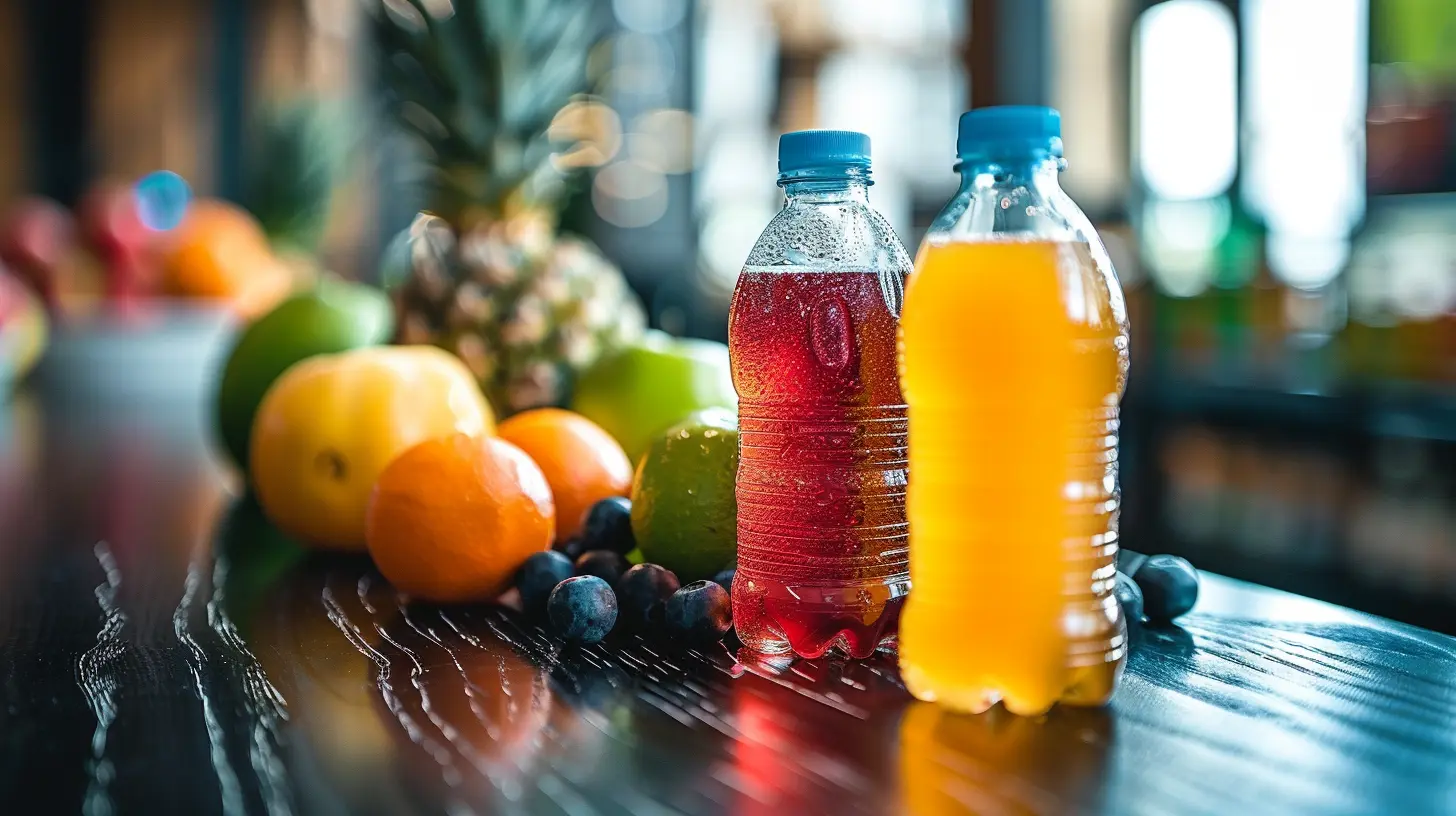
⚡ What Exactly Are Sports Drinks?
Before we dive into whether they're necessary, let’s get clear on what sports drinks actually are.Sports drinks are beverages designed to help athletes rehydrate, refuel, and replenish electrolytes after intense physical activity. They're typically packed with:
- Water (obviously)
- Electrolytes like sodium and potassium
- Sugars (glucose, sucrose, or fructose)
- Sometimes vitamins, flavorings, and colorings
That’s the basic trio: hydration + electrolytes + energy.
They’re not just a random mix of stuff though. The idea is to replace what your body loses through sweat — especially during long or high-intensity exercise.
But here’s the twist: Unless you’re really pushing your body hard, you might not need all that.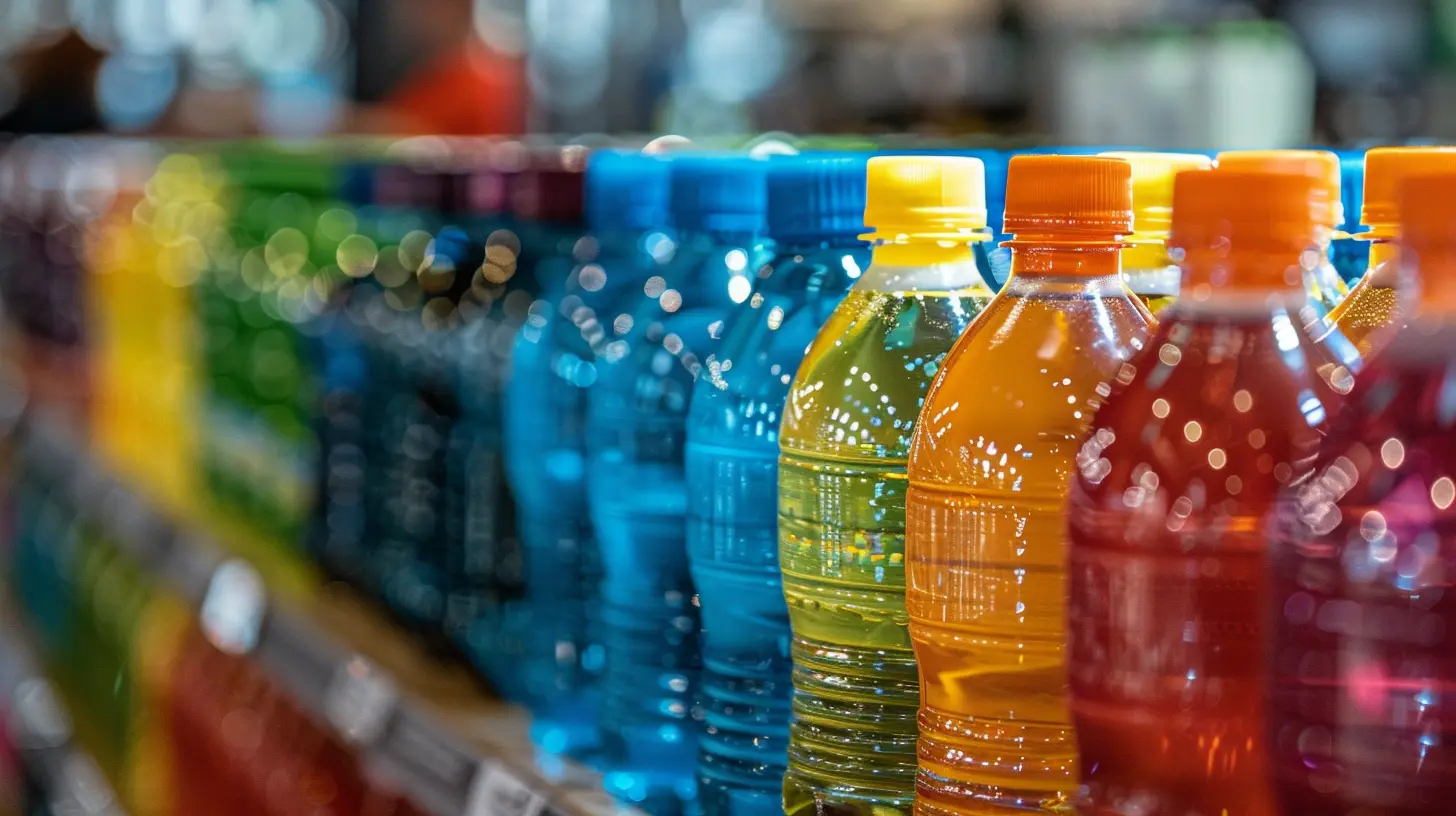
? The Psychology Behind the Bottle
Let’s talk mindset for a sec. Marketing plays a huge role in how we view sports drinks.It’s easy to believe that grabbing a sports drink makes you more “athletic” or legit — like it’s part of your fitness uniform. Just like lacing up your running shoes or slapping on a Fitbit.
But here’s the kicker: Marketing doesn’t equal necessity.
Many of these drinks are promoted as essential, even for casual exercisers. But do you honestly need to fuel a 20-minute yoga class with a sugar-loaded drink?
Probably not. A good ol’ glass of water might do just fine.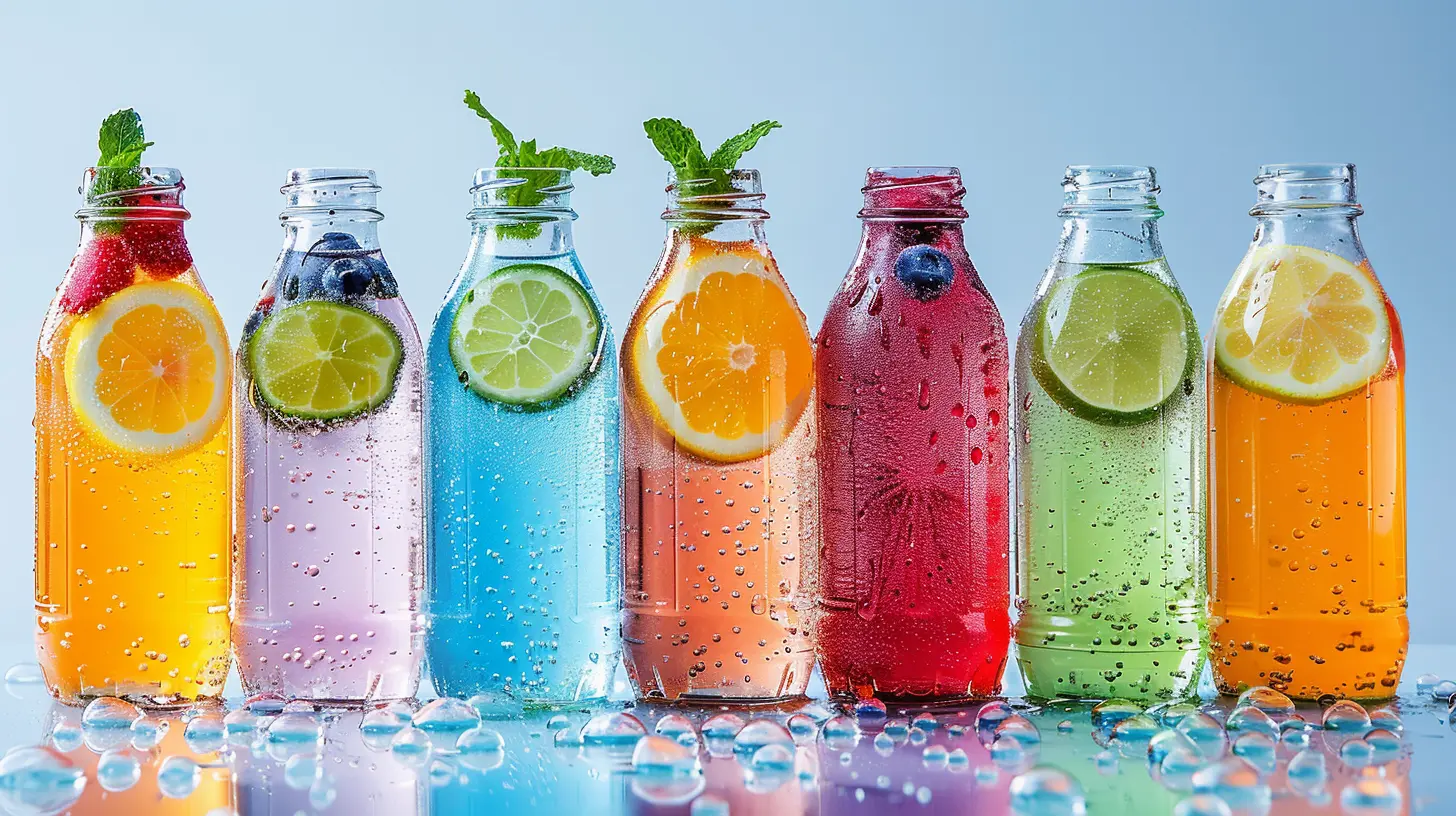
? When Sports Drinks Actually Make Sense
Okay, so we’ve thrown a bit of shade at sports drinks — but let’s be fair. They aren’t completely useless. In fact, for the right person in the right situation, they can be incredibly beneficial.Here’s when they do their job well:
1. Endurance Sports: Running, Cycling, Triathlons
If you’re hitting the pavement for over an hour — sweating buckets and pushing your limits — sports drinks can help you maintain energy and electrolyte balance. Your body’s energy reserves (glycogen) start to dip during long workouts, and that sugar hit can help.2. High-Intensity Interval Training (HIIT) or Team Sports
Intense workouts, especially in hot and humid conditions, can deplete your electrolytes fast. In that case, sports drinks help prevent fatigue and cramps.3. Training in Extreme Heat
Working out in high temperatures = more sweat = more electrolyte loss. A sports drink can help you rehydrate more efficiently than water alone.4. Post-Workout Recovery for Athletes
For serious athletes training multiple times a day or competing in long tournaments, sports drinks can be part of recovery — helping refill glycogen stores quicker.In short — if you’re sweating profusely for over an hour, that bottle of sports fuel can be your friend.
? The Electrolyte Puzzle: What Are They and Why Do They Matter?
Electrolytes are minerals your body needs to function. We’re talking sodium, potassium, calcium, and magnesium. They control nerves, muscles, pH levels, and hydration.When you sweat, you lose some of these key minerals — especially sodium. That’s why some people get muscle cramps or feel weak after intense workouts.
Sports drinks can help replace those, but here’s the thing — for most casual exercisers, your daily diet already gives you plenty of electrolytes.
Bananas, milk, leafy greens, nuts, and even table salt provide what you need. So unless you’re training like a pro, you probably don’t need to chug a bottle of fluorescent fluid just to replace what you lost during a 30-minute walk.
? Sugar Rush or Energy Boost?
Let’s take a closer look at the sugar content in most sports drinks.Many contain 14 to 34 grams of sugar per bottle. That's up to 8 teaspoons! ? That's nearly as much as a can of soda.
Now, that sugar does serve a purpose — giving your muscles quick energy during long workouts. But if you’re drinking these on sedentary days or light workouts, guess what?
That sugar becomes excess calories, possibly leading to unwanted weight gain, blood sugar spikes, and even dental issues. It’s like putting premium fuel in a car that’s parked.
Pro tip: If you want to skip the sugar but still think you need electrolytes, look for low-calorie or no-sugar versions, or add electrolyte tablets to water instead.
? Are All Sports Drinks Created Equal?
Not even close.There are 3 main types of sports drinks:
1. Isotonic
These have a similar concentration of salt and sugar as the human body. They're the most common type, used during general training.2. Hypertonic
These have a higher sugar concentration — mostly for post-exercise recovery. Think energy drinks and carb-heavy options.3. Hypotonic
These have a lower sugar concentration and are better for fast hydration without too many extra calories.So yeah, not all sports drinks are meant for the same thing. Reading the label and understanding your needs is key.
? What Else is in That Bottle?
Beyond electrolytes and sugar, many sports drinks include:- Artificial colors (ever wonder why it's neon blue?)
- Preservatives
- Flavor enhancers
- Caffeine (in some energy-sport hybrids)
If you're health-conscious, all those extras could make you think twice.
There are alternatives out there — more natural, organic versions with cleaner ingredient lists. Or, better yet…
? Natural Alternatives to Sports Drinks
You don’t always need to buy a sports drink to stay hydrated or replenish electrolytes. Nature has some pretty great options:- Coconut water – Naturally rich in potassium and electrolytes
- Watermelon juice – Hydrating and full of antioxidants
- Homemade sports drinks – Mix water, sea salt, a splash of orange juice, and a bit of honey
- Bananas – Great source of potassium
- Pickle juice – Yes, it's a thing! Some athletes swear it helps stop cramps
These options are often lower in sugar, free from artificial junk, and cost a lot less.
? When You Definitely Don’t Need a Sports Drink
Let’s make this clear — not everyone needs a sports drink, and chugging one just because you walked your dog isn't doing you any favors.Here are some situations where water alone is probably your best bet:
- Low-to-moderate exercise under an hour
- Yoga, Pilates, or walking
- Gym sessions that aren't particularly intense
- Trying to lose weight (sports drinks = liquid calories)
- Managing blood sugar issues (due to the sugar content)
Remember: hydration is important — but smart hydration is even better.
✅ How to Know If You Really Need One
Ask yourself these five questions:1. How long did I work out? (Over 60+ minutes?)
2. Was it high intensity? (Am I drenched in sweat?)
3. Was it hot or humid?
4. Do I feel lightheaded or crampy?
5. Am I an athlete in training?
If you answered yes to 2 or more, a sports drink might be helpful. If not, water probably has your back.
?⚕️ What Do Nutritionists Say?
Most health experts agree that for the average person, sports drinks are not a daily necessity.In fact, overconsumption can lead to sugar-related issues. Many nutritionists recommend food-first hydration — meaning you get your electrolytes and energy from a balanced diet and water, not a sugar-packed drink.
But again, context matters.
Elite athletes, marathoners, and people doing long, sweaty workouts? Totally fair game.
? The Takeaway: Choose Wisely, Hydrate Smart
So, do you really need sports drinks?Here’s a quick recap:
- Yes, if you’re training hard, sweating lots, and going long.
- Nope, if your workouts are light, short, or infrequent.
Water is often enough. Your body’s smarter than we give it credit for. And your daily food intake provides most of the electrolytes you need.
That said, sports drinks do have their place — just not on your office desk next to your morning donut.
So next time you're tempted to grab one, think about your workout needs… not just the hype.
Stay hydrated, stay smart, and don't be fooled by the glow-in-the-dark marketing magic.
all images in this post were generated using AI tools
Category:
Sports NutritionAuthor:

Madeline Howard
Discussion
rate this article
1 comments
Dominic Cooper
This article does an excellent job of breaking down the pros and cons of sports drinks. It's important to understand when they are beneficial and when water is sufficient. Thanks for providing clarity on an often misunderstood topic. Keep up the great work!
July 5, 2026 at 3:44 PM
Madeline Howard
Thank you for your feedback! I'm glad you found the article helpful. Understanding when to use sports drinks versus water is key. Appreciate your support!