How to Stay Energized During Long-Distance Cycling
18 January 2026
Long-distance cycling is a thrilling challenge — the open road, fresh air, and the rhythmic sound of wheels spinning under you. But let’s be real. After mile 30 or 40, fatigue starts creeping in, your legs scream for a break, and your energy? Yeah, it’s doing a disappearing act. That’s why knowing how to stay energized during long-distance cycling isn’t just helpful — it’s essential.
If you’ve ever hit “the wall” mid-ride, you know how tough it can be to push through. But don’t sweat it. In this guide, we’re diving into practical and doable tips that’ll help you fuel your ride, keep your energy steady, and actually enjoy the journey. Let’s spin into it!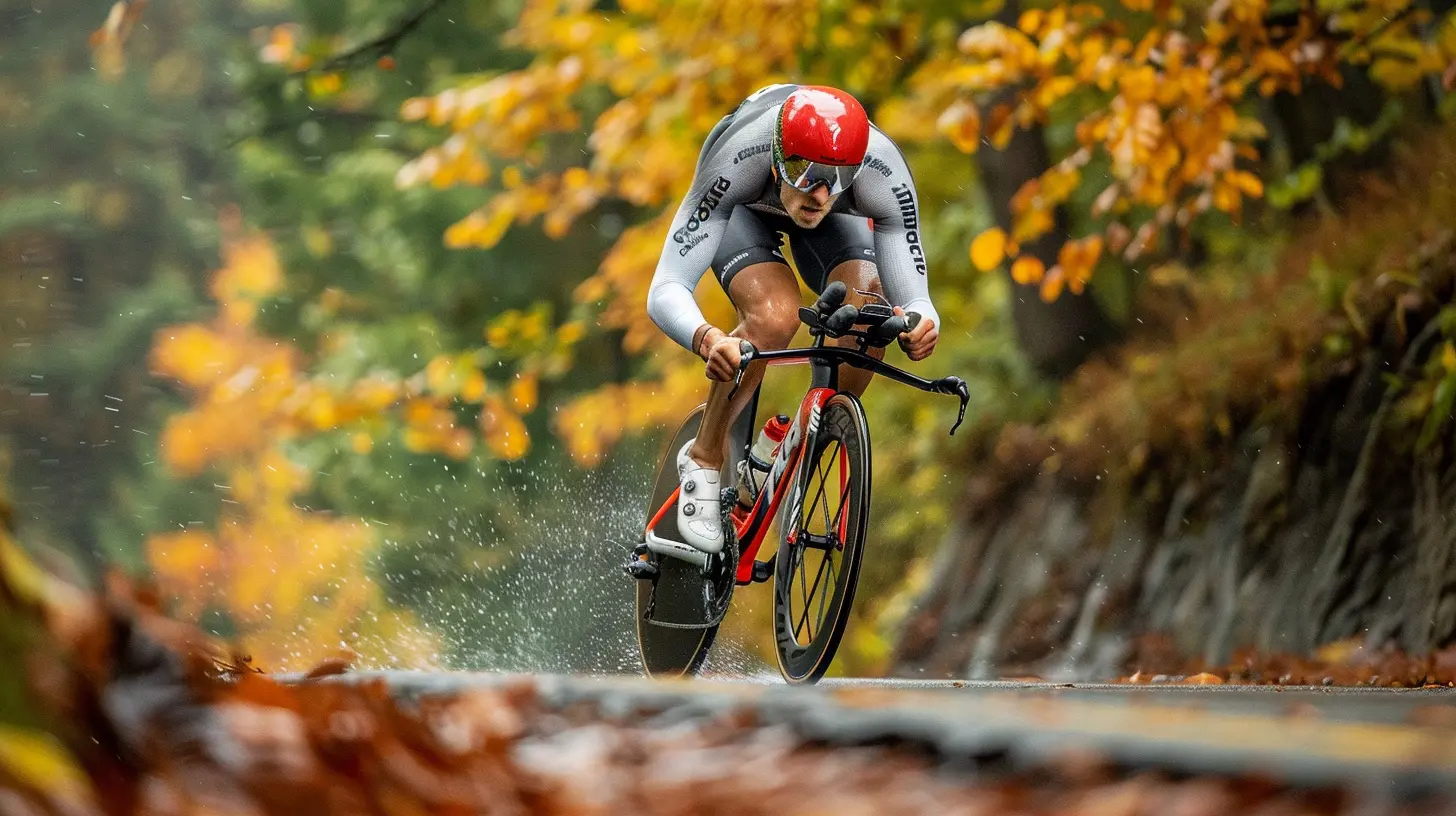
🔋 Why Energy Levels Drop During Long Rides
Before we jump into solutions, let’s quickly talk about the “why.” Why does your energy tank halfway through a ride?Here’s the deal. When you cycle for long hours:
- You burn a TON of calories
- Your glycogen stores (quick energy) get used up
- You lose electrolytes through sweat
- Fatigue sets in from muscle usage and dehydration
It’s like driving cross-country without planning any fuel stops. Eventually, you’ll sputter to a halt.
So, how can you keep your “tank” full?
🚴♂️ 1. Dial in Your Nutrition Strategy
You can't out-pedal a bad diet. Nutrition is the backbone of endurance for any long-distance ride. Here's how to eat smart:🍽️ Pre-Ride Fuel
Think of your body as a race car. You don’t start a race on an empty tank, right?- Eat a high-carb meal 2–3 hours before your ride (like oatmeal with fruit, or whole grain toast with peanut butter)
- Toss in a bit of protein and healthy fat for staying power
- Avoid fatty, greasy foods that can cause digestive drama mid-ride
🚴♀️ During the Ride — Eat Early, Eat Often
If you're waiting for hunger to hit, it's too late. You need to stay ahead of the drop.- Start fueling every 30-45 minutes into the ride
- Aim for 30–60g of carbs per hour (energy bars, bananas, gels, dried fruit)
- Mix it up! Variety keeps things interesting and easier to digest
Pro Tip: Set a timer on your bike computer or watch to remind you to eat. Yep, it’s that important.
🥤 Don’t Neglect Hydration
Water matters — but hydrating smartly is the real game-changer.- Sip every 10-15 minutes, even if you’re not thirsty
- For rides over 90 minutes, include electrolyte drinks (sodium, potassium, magnesium)
- On hot days, up your intake. Think at least 500–700ml per hour
Hydration helps prevent cramps, keeps your head clear, and keeps muscles firing.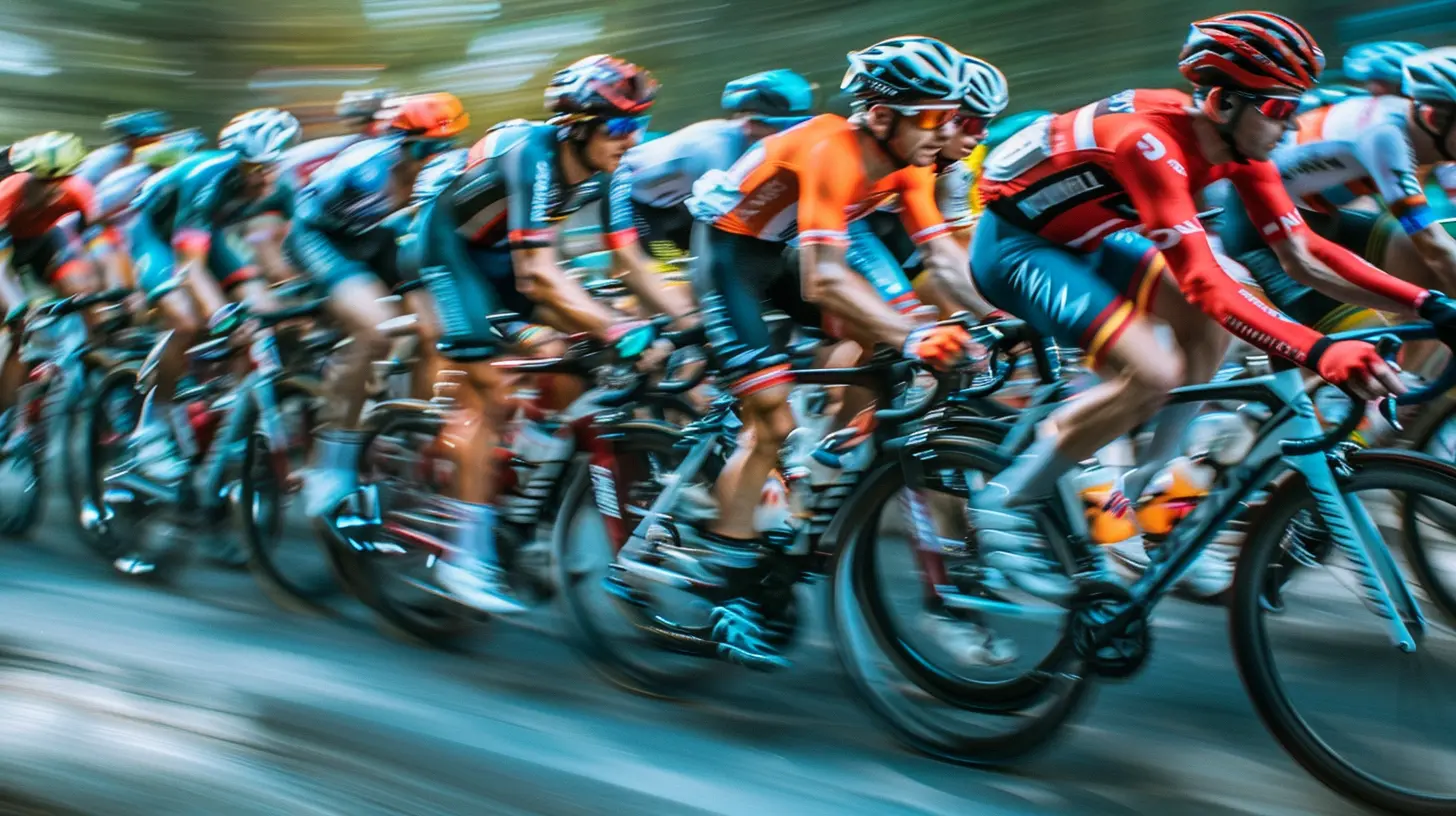
🛌 2. Prioritize Pre-Ride Sleep
No energy drink can fix a bad night’s sleep. Sleep is where your body recovers, rebuilds, and recharges.- Aim for 7–9 hours the night before a long ride
- Avoid heavy meals, caffeine, or screens before bed
- Try a wind-down routine: stretch, read, or meditate
Even one night of poor sleep can sap your endurance and motivation. So treat sleep like part of your training!
⏱️ 3. Pace Yourself — Avoid the Burnout Blast
Cycling long distances isn’t a sprint — it’s a marathon on wheels.Many cyclists blow all their energy early on, thinking they’ll “power through” later. Spoiler alert: it rarely works.
Here’s what you should do:
- Keep your pace steady, especially in the first 30% of the ride
- Use a heart rate monitor or power meter to avoid overexerting
- Ride with others who match your pace — avoid chasing faster cyclists
Think of your energy like a candle. Burn too bright, and you’ll be snuffed out before the finish line.
🧠 4. Train Your Brain for Endurance
Staying energized isn’t just physical — it’s mental too.🧘♂️ Stay Mentally Engaged
Long rides can get monotonous. That’s when your brain starts convincing you to quit.Stay sharp by:
- Listening to upbeat music or podcasts (just stay safe, please!)
- Breaking the ride into chunks — focus on one segment at a time
- Visualizing success (yes, it works — athletes swear by it)
🗣️ Positive Self-Talk
You’d be amazed how much your own inner voice affects performance.Switch “I’m exhausted” to “I’m strong, and I’ve done this before.” Your body often follows your brain’s lead.
Mind over matter? Sometimes, it’s real.
🧪 5. Pack the Right Fuel — and Enough of It
Imagine this: You’re 60 miles into a 100-mile ride, and you realize you’re out of snacks. Nightmare!Don’t be that person. Always pack 3 key types of fuel:
1. Quick carbs – gels, chews, or fruit for bursts of energy
2. Slow carbs – bars or sandwiches for steady energy
3. Hydration fuels – electrolyte tablets or powder
Pack more than you think you’ll need. Weather, terrain, or detours can all stretch your ride longer than planned.
🧦 6. Dress Smart for the Weather
Being too cold or too hot can seriously drain your energy.- In the cold: Your body burns more energy just to stay warm
- In the heat: You lose fluids and overheat faster
Layer smart. Wear moisture-wicking base layers, arm warmers, or cooling gear based on the forecast. And of course — always bring a lightweight packable jacket just in case.
🧰 7. Keep Your Bike (and Body) in Top Shape
A poorly tuned bike is like running in flip-flops — inefficient and exhausting.- Check your tire pressure before every ride
- Lube your chain, inspect brakes and gears
- Get a professional bike fit to avoid excess fatigue or injury
Your body? Do the same.
- Stretch regularly
- Strength train off the bike
- Address aches before they become injuries
A smooth machine rides smoother. And smoother = less energy wasted.
🧊 8. Take Breaks… the Smart Way
Rest stops aren’t for the weak. They’re for the wise.- Plan short, strategic breaks every 1.5–2 hours
- Eat something, stretch out, refill bottles
- But don’t stop too long or you’ll stiffen up
Even 5-minute breaks can reset you mentally and physically. Think of them as pit stops, not finish lines.
🥳 9. Keep it Fun — Motivation is Energy Too
If you’re not enjoying the ride, it’s going to feel a lot longer (and harder).Here’s how to boost your mood — and energy — mid-ride:
- Ride with a buddy or group
- Choose scenic or new routes
- Set mini-goals and celebrate milestones (like 25-mile checkpoints)
Energy isn’t just in your legs. It’s in your headspace too.
🧬 10. Listen to Your Body — Always
Your body whispers before it screams. Pay attention to the signs:- Dizzy? You might need food or hydration
- Weak legs? Could be lack of fuel or overexertion
- Nausea or cramps? Possibly dehydration or electrolyte loss
Don’t “tough it out.” Long-distance cycling should challenge you, not wreck you. Take care of your body, and it’ll take care of you.
Final Thoughts
Staying energized during long-distance cycling is about balance — balancing fuel, hydration, pacing, mindset, and rest. It’s not about being hardcore; it’s about being smart.So, next time you saddle up for a monster ride, follow these tips like a pre-ride checklist. You’ll glide through your miles with fewer crashes, less bonking, and way more smiles.
Ride strong, stay fueled, and remember — it’s not just about getting to the finish line. It’s about enjoying every pedal stroke along the way.
all images in this post were generated using AI tools
Category:
Sports NutritionAuthor:

Madeline Howard
Discussion
rate this article
2 comments
Zareth Burton
Forget the Energizer Bunny! With the right snacks and hydration, you’ll be the one powering through those long-distance rides. Just remember: every pedal stroke is one closer to that well-deserved post-ride pizza. Keep cycling, and carbs will be your best friend!
February 17, 2026 at 5:02 PM
Madeline Howard
Absolutely! The right snacks and hydration are key to maintaining energy on long rides. Carbs truly are your best friend—fuel up and enjoy that post-ride pizza! Happy cycling!
Enid Riggs
While hydration and nutrition are crucial for sustained energy during long-distance cycling, it's equally important to listen to your body. Balancing rest, mental focus, and gradual acclimatization can significantly enhance endurance and overall performance on the bike.
January 21, 2026 at 4:33 AM
Madeline Howard
Absolutely! Listening to your body and finding balance in rest and mental focus are key to maximizing endurance and performance in long-distance cycling. Thank you for highlighting this important aspect!