The Future of Sleep: What Science Predicts for 2026 and Beyond
23 April 2026
Ah, sleep—the one thing we all crave yet often struggle to achieve. You might be wondering, “What does the future hold for our nightly slumber?” Well, grab your favorite pillow and let’s dive into the fascinating world of sleep science, where research and technology are set to reshape our rest in ways we can only imagine.

The Importance of Sleep
Let’s kick things off by understanding why sleep matters. Our bodies are like smartphones, needing to recharge after a long day. Sleep is when our bodies repair, rejuvenate, and refresh. It’s not just about feeling rested; it plays a crucial role in our cognitive functions, emotional well-being, and even our physical health. Poor sleep can lead to a slew of problems—from weight gain to heart disease. So, as we look toward 2026 and beyond, it’s essential to keep in mind just how critical quality sleep is.
Current Trends in Sleep Science
Before we jump into the future, let’s take a quick peek at what’s happening now. The current landscape of sleep science is already buzzing with innovation. Sleep tracking devices, smart mattresses, and apps that analyze your sleep patterns are just the tip of the iceberg. These technologies are designed to help people understand their sleep better and improve it.Sleep Tracking Devices
Wearable tech has come a long way. Devices like smartwatches and fitness bands offer insights into our sleep cycles. They track everything from heart rate to movement, giving users a detailed picture of their nightly rest. The future of these devices is promising—think of wearables that not only track but also provide personalized sleep coaching based on your unique patterns. Imagine waking up to a gentle vibration that gradually increases, mimicking a natural sunrise. Sounds dreamy, right?Smart Mattresses
The rise of smart mattresses is another exciting trend. These beds can adjust firmness, temperature, and even provide real-time feedback on your sleep quality. In 2026, we can expect even more advanced options that integrate AI to learn your preferences and optimize your sleep environment automatically. Picture a mattress that knows when you’re tossing and turning and gently adjusts itself to help you find that perfect sleeping position.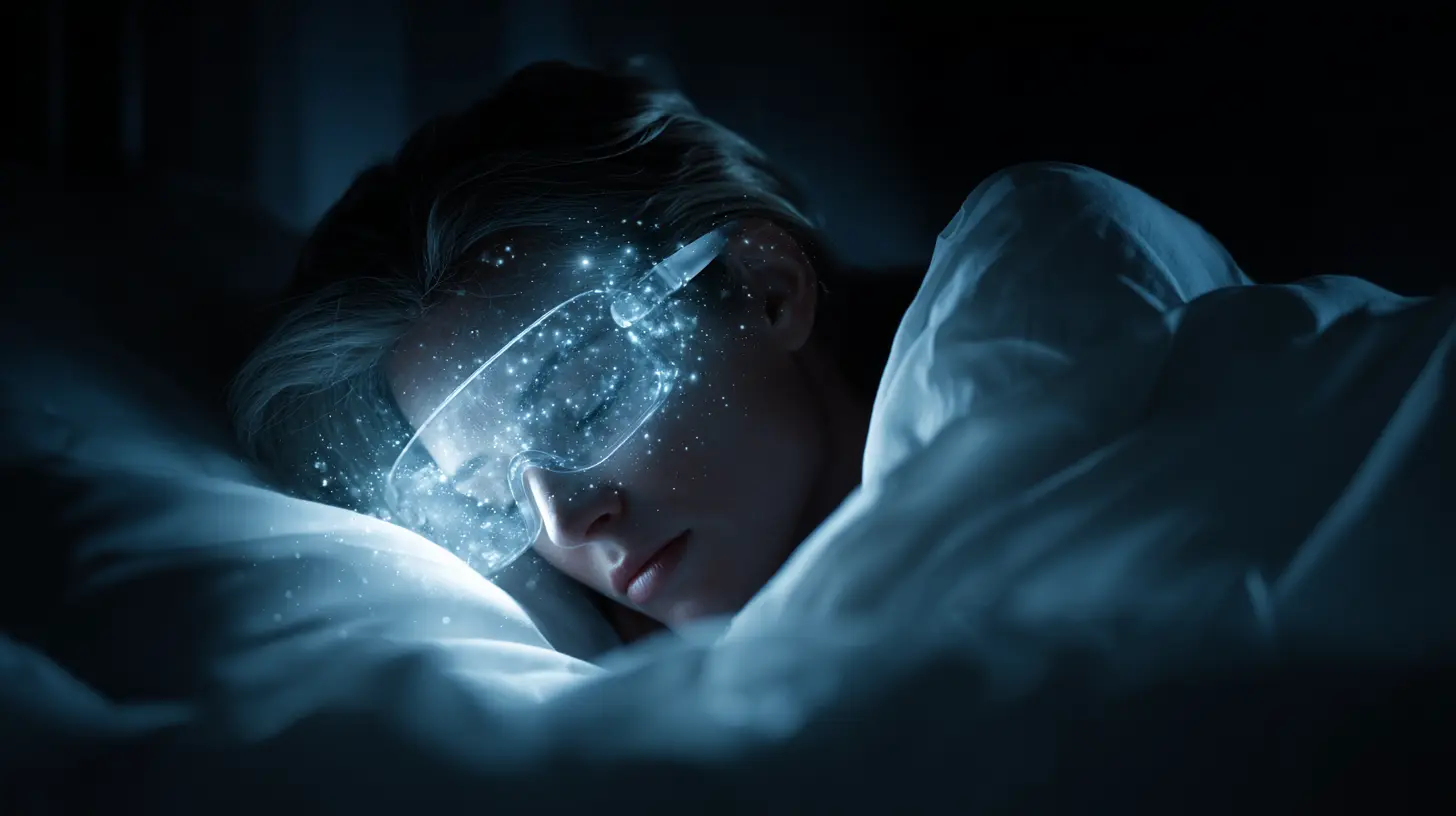
Predictions for 2026 and Beyond
So, what’s next? Here are some predictions based on current research and technological advancements that could dramatically shape our sleep experience by 2026.Advanced Sleep Technology
As technology evolves, so will the tools we use to enhance our sleep. We might see more advanced features in wearables that can detect sleep disorders, like sleep apnea, in real-time. Imagine a device that alerts you or your doctor when it senses irregular breathing patterns. This could lead to earlier diagnoses and better health outcomes for millions.Artificial Intelligence and Sleep
AI is poised to revolutionize many industries, and sleep science is no exception. Picture an AI system that not only tracks your sleep but also learns your habits and suggests personalized sleep routines. "Hey, you’ve been restless lately; maybe try a warm bath before bed?" This kind of tailored approach could help countless individuals improve their sleep quality.Virtual Reality for Sleep Enhancement
How about using virtual reality (VR) to help with your sleep? While it might sound like something from a sci-fi movie, VR is already being tested as a tool for relaxation and sleep induction. By 2026, we could see fully immersive environments designed to help you de-stress and wind down after a long day. Imagine drifting off to sleep while watching calming waves crash on a serene beach, all from the comfort of your bedroom.The Impact of Lifestyle Changes
As awareness grows about the importance of sleep, we can expect shifts in lifestyle choices. More people will prioritize sleep hygiene—creating a sleep-friendly environment, sticking to regular sleep schedules, and limiting screen time before bed. Organizations may even start emphasizing the importance of sleep in workplace culture. Picture a world where napping zones are as common as coffee stations in offices—how awesome would that be?
The Science of Sleep Disorders
Sleep disorders are a significant concern for many individuals. As we move into the future, understanding and treating these issues will be paramount.Increased Awareness and Research
Research into sleep disorders is gaining momentum. By 2026, we might see breakthroughs in understanding conditions like insomnia, narcolepsy, and restless leg syndrome. With more funding and focus on sleep research, it’s likely that new treatments will emerge, offering hope to those who struggle to get restful sleep.Telehealth and Sleep Therapy
Telehealth has exploded in recent years, and it’s likely here to stay. Imagine being able to consult a sleep specialist from the comfort of your bed. Teletherapy for sleep issues could become mainstream, making it easier for people to access the help they need without the hassle of commuting. This could lead to improved mental health outcomes, as sleep and mental wellness are intricately connected.Sleep and Mental Health
Speaking of mental health, let’s talk about the undeniable connection between sleep and our emotional well-being.The Sleep-Mental Health Connection
Research has shown that poor sleep can exacerbate mental health conditions like anxiety and depression. As we move toward 2026, it’s crucial that we continue to acknowledge this link. We could see more integrated approaches to mental health treatment that include sleep coaching and therapy as part of the package.Mindfulness and Sleep
Mindfulness practices are on the rise, and they can significantly improve sleep quality. By 2026, we might see more programs that combine mindfulness techniques with sleep education. Picture guided meditation sessions designed specifically to help you drift off into a peaceful slumber.
The Role of Nutrition in Sleep Quality
Did you know that what you eat can impact how well you sleep? Nutrition plays a vital role in our overall health, and it’s no different when it comes to sleep.Foods for Better Sleep
As we head toward 2026, we can expect to see an increased focus on sleep-friendly diets. Foods rich in magnesium, tryptophan, and antioxidants could become staples for those looking to improve their sleep quality. Imagine meal plans designed with your sleep needs in mind—how convenient would that be?The Rise of Sleep Supplements
With the growing interest in natural health solutions, sleep supplements will likely gain popularity. From melatonin to herbal teas, more people will turn to these options to enhance their sleep. By 2026, we might have a plethora of scientifically-backed sleep aids that cater to individual needs.Conclusion: A Bright Future for Sleep
The future of sleep holds exciting possibilities. With advancements in technology, medicine, and our understanding of sleep science, we can look forward to a time when quality sleep is not just a dream but a reality for everyone. As we move into 2026 and beyond, let’s embrace these changes and make sleep a priority. Because at the end of the day (or night), we all deserve that restful slumber that rejuvenates our minds and bodies.all images in this post were generated using AI tools
Category:
Sleep HygieneAuthor:

Madeline Howard
Discussion
rate this article
2 comments
Anika Mendoza
Sleep is the foundation of health. As science advances, the future holds exciting possibilities for improving our sleep quality and overall well-being. Embrace these changes for a healthier tomorrow.
May 6, 2026 at 3:05 PM
Madeline Howard
I appreciate your insight! Improved sleep quality can truly transform our health, and I'm excited to explore what the future holds.
Emery McGivern
Thank you for this insightful article on the future of sleep! It's fascinating to see how science is evolving our understanding of sleep health. The predictions for 2026 and beyond offer hope for improving sleep quality and overall well-being. I look forward to seeing these advancements come to fruition!
April 25, 2026 at 3:46 AM
Madeline Howard
Thank you for your kind words! I'm excited about the future of sleep too and hope these advancements will make a real difference in people's lives.