How to Make Gluten-Free Pasta That Actually Tastes Good
20 May 2026
Let’s be honest—gluten-free pasta has a bit of a reputation. If you’ve ever tried boiling up a pot full of it, hoping for a delicious bowl of comfort food, only to end up with a pile of sticky mush or cardboard-like noodles, you’re not alone. But here’s the thing—it doesn’t have to be that way.
That’s right! Making gluten-free pasta that tastes amazing is totally doable. You just need the right ingredients, a little technique, and some tried-and-true tips. Whether you're gluten-intolerant, have celiac disease, or are just looking to cut back on gluten, this guide will walk you through how to make gluten-free pasta that’s actually edible—heck, even downright delicious.
Grab your apron. Let’s do this.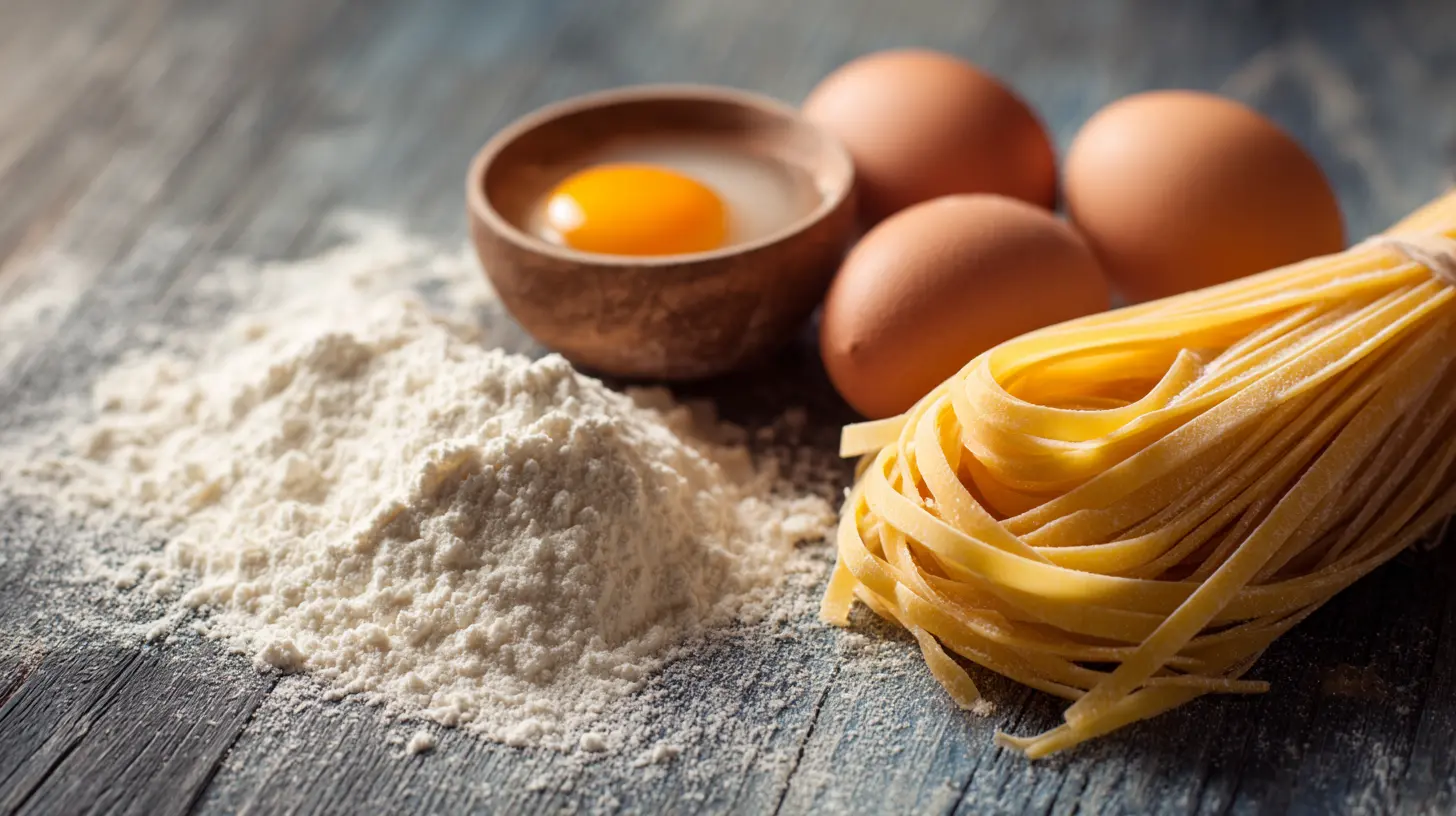
Why Go Gluten-Free in the First Place?
Before we dive into pasta-making magic, let’s have a quick chat—why are so many people going gluten-free these days?Gluten is a protein found in wheat, barley, and rye. For those with celiac disease, consuming gluten can cause serious health issues. Others with non-celiac gluten sensitivity might experience bloating, fatigue, and other unpleasant symptoms.
And then there are those following a gluten-free lifestyle just to feel better. Whatever your reason, finding alternatives to traditional gluten-packed staples—like pasta—can make sticking to the diet a whole lot easier (and way more fun).
What Makes Gluten-Free Pasta So Tricky?
Ever wonder why gluten-free pasta doesn’t quite hit the same as the regular stuff?The answer is right in the name—gluten. Gluten is what gives traditional pasta its stretchy, chewy texture. It’s the magic that holds everything together. Without it, things can fall apart—literally.
So when you're making gluten-free pasta, you're trying to mimic that texture using totally different ingredients.
Imagine trying to build a Lego model using Jenga blocks. Yeah, it’s kinda like that.
But don’t worry—we’ve got the fix. It’s all about the flour blend and technique.
Step 1: Choose the Right Gluten-Free Flour Blend
You can’t just grab any old gluten-free flour and expect spaghetti-worthy results. The best gluten-free pasta uses a thoughtful mix of flours that balance flavor, texture, and structure.Top Gluten-Free Flours for Pasta
- Brown Rice Flour: Offers a neutral flavor and good base texture.- Tapioca Starch or Flour: Brings a bit of chewiness and elasticity.
- Potato Starch: Adds softness and moisture retention.
- Sorghum Flour: Nutty flavor and extra nutrition.
- Millet Flour: Light and mildly sweet.
- Xanthan Gum or Psyllium Husk: Acts as a binder to replace gluten's structure.
The secret sauce? Mix and match. Most great gluten-free pasta recipes use a combination of these to get that perfect “bite.”
Step 2: DIY Gluten-Free Pasta Dough
Let’s roll up our sleeves. Time to make some dough!Here’s a basic (but bomb) gluten-free pasta dough recipe that you can tweak as needed.
? Gluten-Free Pasta Dough Recipe
Ingredients:- 1 cup brown rice flour
- ½ cup tapioca flour
- ½ cup potato starch
- 1 tsp xanthan gum or 1 tbsp psyllium husk (for binding)
- 3 large eggs
- 1 tbsp olive oil
- Pinch of salt
- 1–2 tbsp water (as needed)
Instructions:
1. In a large bowl, whisk together the dry ingredients. Make sure everything is well combined—no flour clumps allowed.2. Create a well in the center of your flour mix and crack in your eggs. Add olive oil.
3. Using a fork or your hands, slowly incorporate the flour into the wet ingredients until it forms a shaggy dough.
4. Knead gently until the dough is smooth. If it’s too dry, add water a tablespoon at a time.
5. Cover with a towel or plastic wrap and let it rest for 20–30 minutes. This helps the flours hydrate and makes the dough easier to work with.
Step 3: Roll It and Cut It
Got your dough? Awesome. Now it’s time to turn that lump into beautiful noodles.Option 1: Hand-Rolling
If you don't have a pasta machine, no stress. Use a rolling pin to flatten out the dough on a lightly floured surface (use rice flour or cornstarch). Roll it as thin as possible without tearing.Then, use a sharp knife or pizza cutter to slice it into fettuccine, tagliatelle, or even lasagna sheets.
Option 2: Pasta Machine
If you're fancy (or just smart), use a pasta machine. It’ll give you consistent results and save your wrists a workout.Start with the widest setting and work your way down, lightly dusting with flour between rolls to prevent sticking.
Step 4: Cook It Right
Here’s where a lot of gluten-free pasta goes wrong—cooking it like regular pasta.Don’t do that.
Gluten-free pasta cooks faster and can go from “al dente” to “overcooked disaster” in seconds. Keep these tips in mind:
- Boil water with a generous pinch of salt.
- Add pasta and stir immediately to prevent sticking.
- Keep a close eye—most homemade gluten-free pasta cooks in 3-5 minutes.
- Taste-test early and often.
- Drain and rinse lightly with warm water to stop the cooking if needed.
That’s it! You’re halfway to pasta heaven.
Bonus Tip: Dry or Freeze Your Pasta for Later
Made too much (on purpose, obv)? You can totally save it for another day.To Dry:
- Lay your noodles in a single layer on a floured tray.- Let them air-dry for a few hours until they're no longer sticky.
- Store in an airtight container for up to a week.
To Freeze:
- Dust noodles with flour, coil into little nests.- Freeze on a tray, then transfer to a freezer bag.
- Cook straight from frozen—no need to thaw.
Sauce Pairings That Work Wonders
Let’s be real: even the best gluten-free pasta needs a good sauce to truly shine.Here are some go-to pairings:
| Pasta Type | Sauce That Slaps |
|----------------|---------------------------------------------|
| Fettuccine | Creamy Alfredo or mushroom garlic sauce |
| Spaghetti | Classic marinara or basil pesto |
| Lasagna Sheets | Rich bolognese or veggie-packed ragu |
| Penne (if extruded) | Chunky tomato sauce or cheese-based sauces |
Don't overdo the sauce—aim for a balance that lets your pasta texture still shine through.
Common Mistakes You’ll Want to Avoid
Alright, almost done. But first, let’s make sure you’re not falling into common gluten-free pasta traps.❌ Using Just One Flour
A single flour like almond or coconut won’t cut it. You need a blend for structure and flavor.❌ Overkneading the Dough
No gluten means kneading does less. Too much action and your dough becomes tough or breaks apart.❌ Overcooking
Seriously—it takes minutes. Don’t walk away from the stove.❌ Not Letting it Rest
Rest time = hydration = better texture.Love Store-Bought? Here's What to Look For
If making pasta from scratch isn’t your jam every night, hey, no judgment. Some store-bought versions are pretty darn good—if you know what to look for.Check the Ingredients:
- Blends that include rice, corn, quinoa, or legumes tend to have better texture.- Avoid fillers or unfamiliar gums (some mess with flavor or digestibility).
- Look for brands that include xanthan gum or use eggs—they usually hold their shape better.
Our Favorite Brands:
- Jovial (brown rice pasta that holds up!)- Tinkyada (soft, but tasty)
- Banza (chickpea-based and protein-packed)
- Barilla GF (closer to traditional pasta texture)
Just remember—cook them a bit al dente, and don't over-sauce!
Final Thoughts: You CAN Make Gluten-Free Pasta That Rocks
Creating delicious gluten-free pasta doesn’t require a culinary degree—just a little patience, the right flour blend, and the willingness to experiment.Sure, it might take a couple of tries to get it perfect, but once you do? Game over. You’ll be slurping up bowls of pasta that rival your favorite Italian restaurant—without the gluten.
So go ahead. Roll that dough, slice those noodles, and cook with confidence. Your taste buds (and tummy) will thank you.
Bon appétit — gluten-free style.
all images in this post were generated using AI tools
Category:
Gluten FreeAuthor:

Madeline Howard
Discussion
rate this article
2 comments
Farrah McLanahan
This is a game changer! Excited to try your tips for delicious gluten-free pasta.
August 16, 2026 at 3:36 PM
Madeline Howard
I'm thrilled to hear you're excited! Enjoy the pasta and let me know how it turns out.
Astoria McKinney
Gluten-free doesn't have to mean taste-free; with the right ingredients, pasta can shine!
May 20, 2026 at 4:01 AM
Madeline Howard
Absolutely! With the right mix of ingredients, gluten-free pasta can be both delicious and satisfying. I'm excited to share some tips in the article!