The Evolution of Yoga: Honoring Tradition While Embracing Modern Practices
3 February 2026
Yoga isn't just a fitness trend—it’s a 5,000-year-old journey of the mind, body, and spirit. Whether you're flowing through a Vinyasa on your mat or meditating in silence, yoga has a way of adapting to time, culture, and personal needs. But have you ever stopped to wonder how this ancient spiritual practice became the yoga you see in stylish studios and Instagram feeds today?
Let’s take a deep, intentional breath and dive into the evolution of yoga—from sacred rituals born in India to modern poses performed across the globe.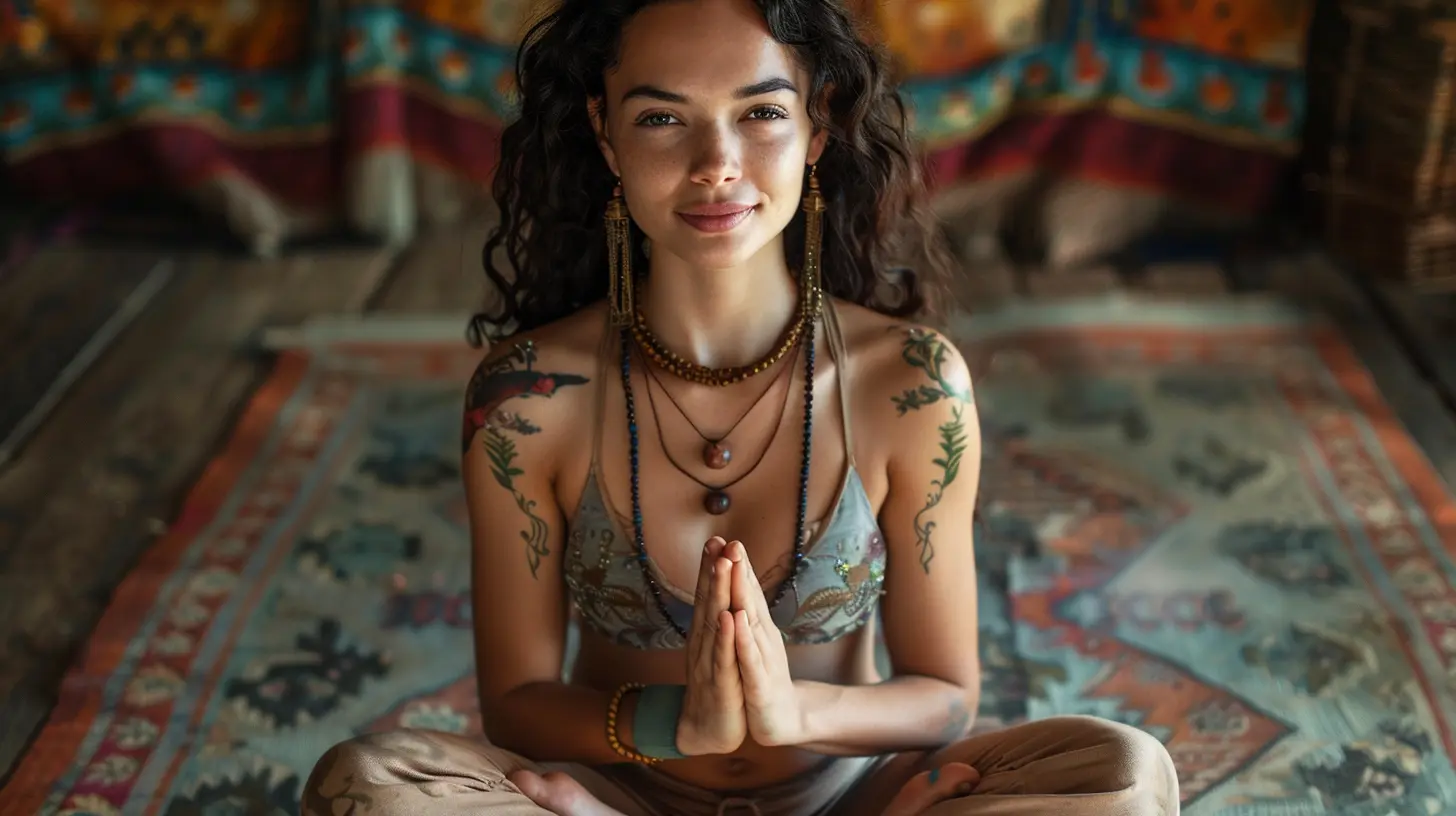
A Sacred Beginning: Where Yoga Truly Started
Before yoga pants and branded mats, yoga was part of something much bigger—a spiritual and philosophical lifestyle rooted in ancient Indian culture. Its earliest mentions appear in the Rig Veda, one of the oldest sacred texts in the world. Back then, yoga had nothing to do with downward dogs or warrior poses—it was all about deepening one's consciousness and living in harmony with the universe.The practice focused on meditation, breath control (pranayama), ethical living, and connecting to the divine. The physical postures (what we now call asanas) came much later, and only played a supporting role in preparing the body for long periods of seated meditation.
So, yoga wasn’t about burning calories—it was about burning ego.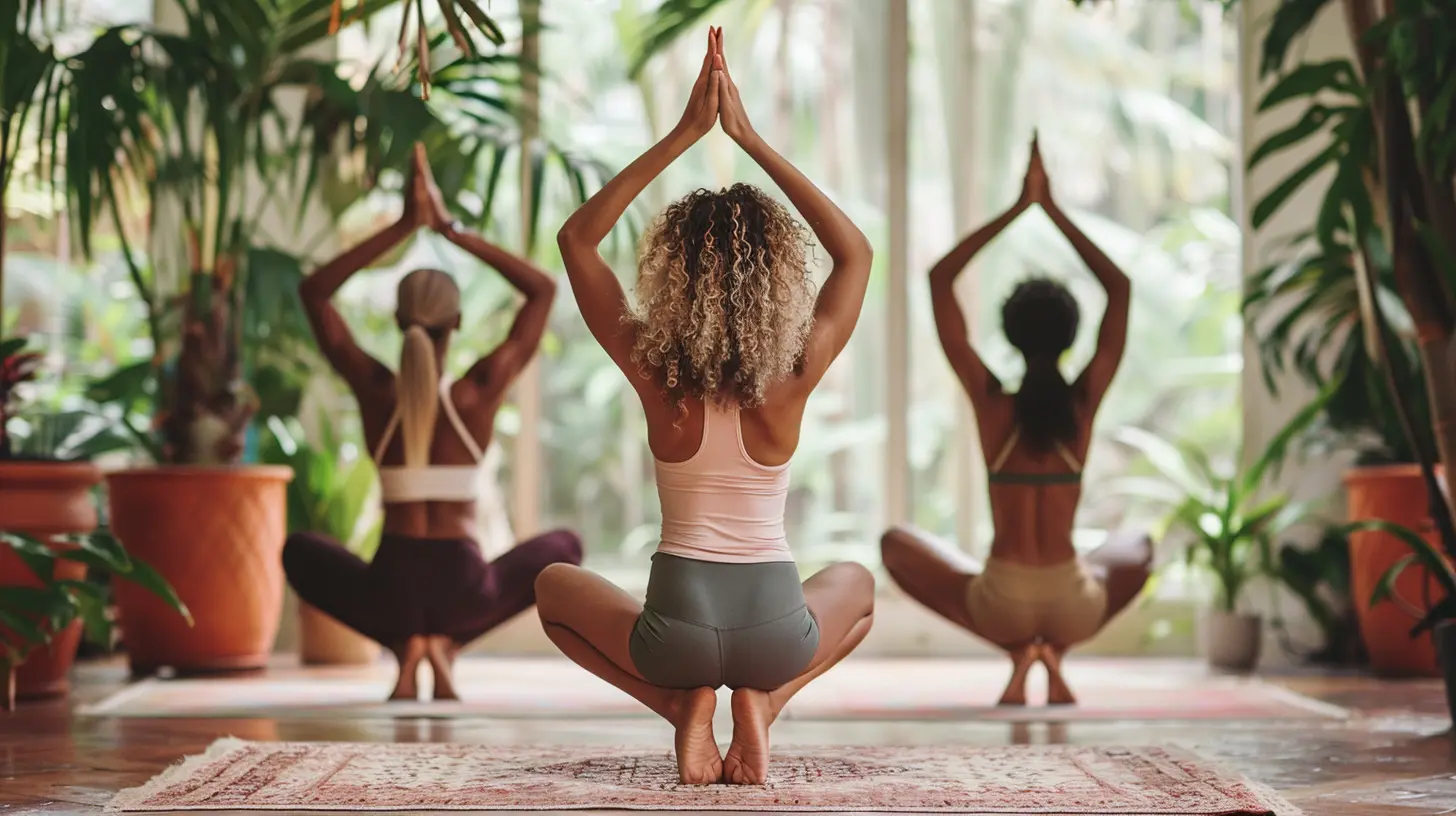
The Classical Period: The Yoga Sutras & Philosophical Framework
Fast forward to around 200 BCE, and we meet Patanjali, the sage who penned the Yoga Sutras. This text is like the GPS of classical yoga. It outlines the Eight Limbs of Yoga—a holistic approach that includes moral precepts (yamas), self-discipline (niyamas), posture (asana), breath control (pranayama), withdrawal of senses (pratyahara), concentration (dharana), meditation (dhyana), and blissful absorption (samadhi).Interestingly, only one of the eight limbs focuses on physical movement. The rest is all inner work—mental clarity, self-awareness, compassion, discipline. This really puts into perspective how physical yoga, though popular today, is just one slice of the spiritual pie.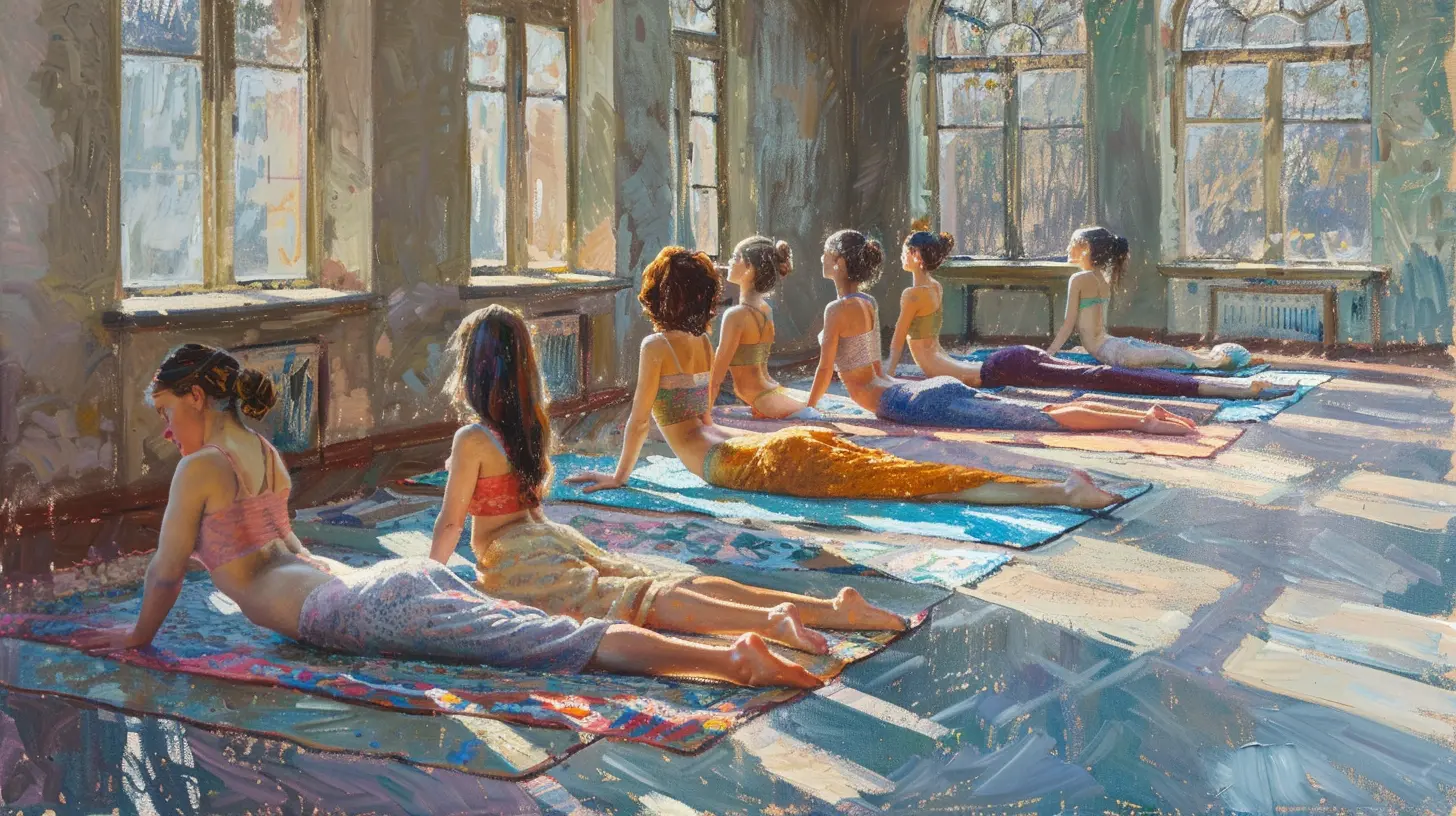
Yoga Leaves India: The Global Shift Begins
Let’s be real—colonialism and globalization had a huge impact on how yoga spread beyond its Indian birthplace. In the late 19th and early 20th centuries, Indian gurus started sharing yoga with the West. Swami Vivekananda played a big role in this when he introduced the spiritual philosophy of yoga at the Parliament of the World's Religions in Chicago in 1893.But it wasn’t until the mid-20th century that physical yoga—the asana practice—really took root in the Western world. Teachers like T. Krishnamacharya, B.K.S. Iyengar, Pattabhi Jois, and Indra Devi began tailoring yoga to suit Western sensibilities, blending tradition with modern fitness ideals.
From then on, yoga began its transformation—from a meditative path toward enlightenment to a globally recognized form of exercise.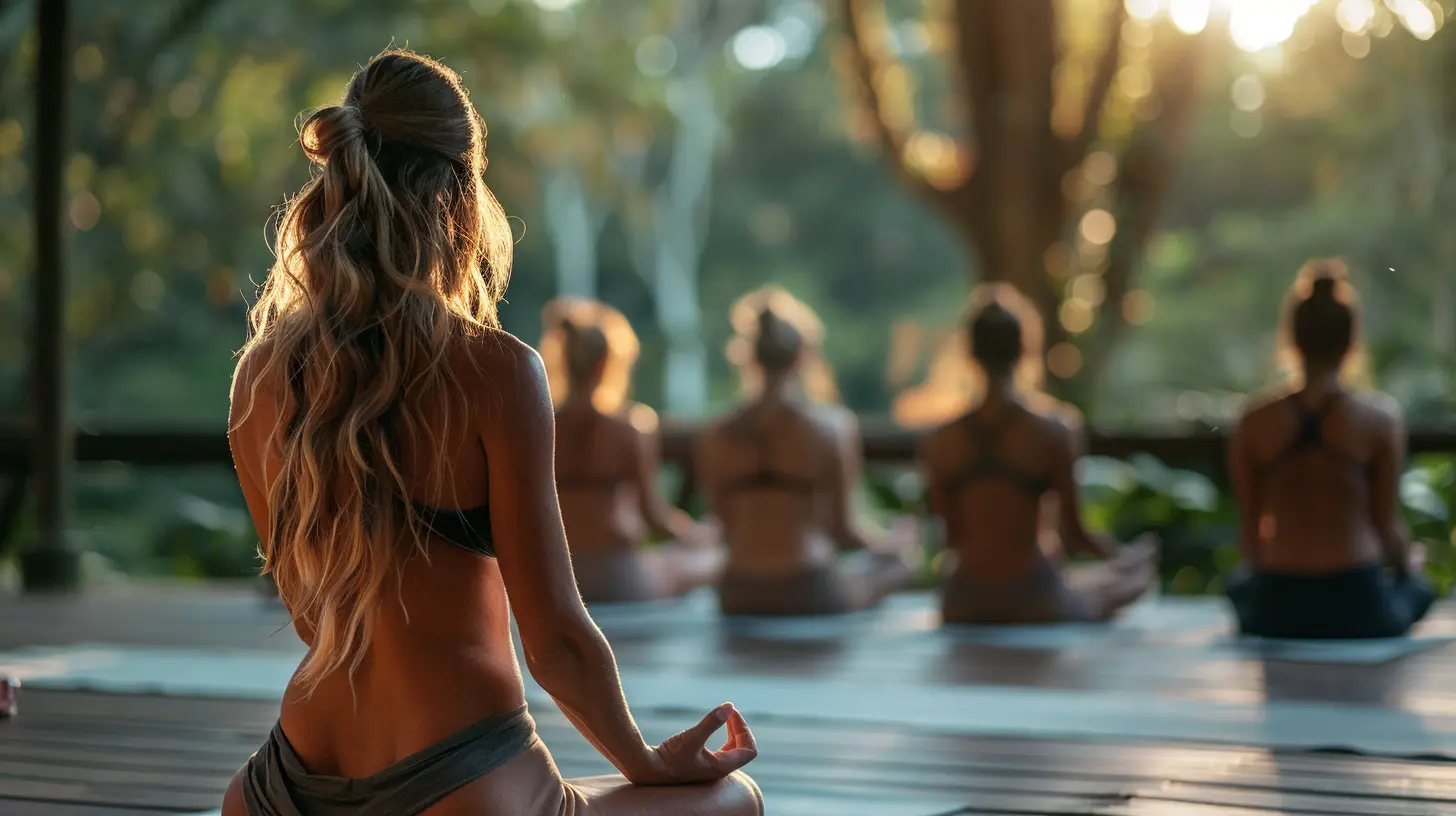
The Modern Yoga Boom: A Double-Edged Sword?
By the 1990s and early 2000s, yoga studios were popping up everywhere. It became synonymous with wellness, flexibility, and a toned physique. With celebrities endorsing it and yoga pants turning into everyday wear, the practice became a lifestyle—and a booming industry.And here’s where it gets tricky.
On one hand, millions of people were benefiting physically and mentally. Yoga helped reduce stress, lower blood pressure, improve mobility, and build strength. It was accessible, inclusive, and empowering.
But on the flip side, commercialization sometimes stripped yoga of its roots. The spiritual and philosophical elements got lost in the hustle. Instagram yogis in handstands began to define the narrative, sidelining deeper practices like meditation, chanting, and ethical living.
It raises the question: Can we truly honor yoga’s ancient wisdom while adapting it to modern life?
Short answer: Yes, but it takes intention.
Yoga in the 21st Century: Fusion, Innovation, and Inclusivity
Today, yoga exists in many flavors. You've got the traditionalists sticking to ancient Vedic texts, and then you’ve got modern yogis offering goat yoga, beer yoga, or even rage yoga (yep, it’s a thing). While some of these styles raise eyebrows, they also show yoga’s adaptability and universal appeal.Let’s look at some key trends shaping modern yoga:
1. Tech-Driven Yoga
Thanks to apps, YouTube, and Zoom, yoga is more accessible than ever. You can practice on a beach in Bali or in your bedroom at 6 AM. This digital shift exploded during the COVID-19 pandemic and isn’t slowing down.The positive? Flexibility and global community.
The downside? Less human connection and hands-on guidance.
2. Trauma-Informed Yoga
This powerful adaptation acknowledges that not everyone finds safety in stillness or movement. Trauma-informed yoga invites people to reconnect with their bodies gently, without pressure. It’s a reminder that yoga isn’t one-size-fits-all.3. Inclusive Yoga
Modern yoga is also becoming more body-positive, accessible, and inclusive. More teachers are challenging stereotypes and advocating for representation across size, race, age, and ability. You don’t need to touch your toes or chant in Sanskrit to belong in a yoga class.4. Deeper Return to Philosophy
Interestingly, as yoga grows more mainstream, there’s also a counter-movement diving back into the roots of yoga. Some practitioners crave more than just sweat—they want self-study, ethical living, and spiritual growth.This “full-spectrum yoga” approach brings all eight limbs back into the limelight.
Bridging the Gap: How to Practice With Respect
If yoga has taught us anything, it’s to stay curious, compassionate, and conscious. So how do we navigate this evolving landscape and still honor the essence of yoga?Here are a few gentle pointers:
1. Educate Yourself
Take time to learn about yoga’s origins, philosophy, and cultural context. Read translations of the Yoga Sutras or Bhagavad Gita. Listen to Indian teachers. This depth enriches your practice like nothing else.2. Use Sanskrit Mindfully
Not every teacher needs to chant in Sanskrit, but understanding the language’s sacred significance can build deeper respect. Even learning pose names like “Tadasana” instead of just “Mountain Pose” creates connection.3. Go Beyond Asana
Challenge yourself to explore the other limbs of yoga. Try journaling (svadhyaya), practicing compassion (ahimsa), or sitting quietly with your breath. These elements are the heart of yoga, not just the stretch.4. Support Authentic Voices
Follow and support South Asian teachers and communities who preserve yoga’s roots. Diversity in leadership maintains authenticity and reduces cultural appropriation.Finding Your Balance: Tradition vs. Innovation
Think of yoga like a tree. Its roots are firmly planted in ancient soil—rich in wisdom, philosophy, and spirituality. But its branches? They stretch toward the sky, evolving with each season and generation.Some branches may look different, even quirky. That’s okay, as long as we stay connected to the roots. Yoga isn’t about perfection—it’s about presence. And whether you’re in a studio or your living room, in silence or in sweat, the goal remains the same: union. Union with self, with breath, and with the life around you.
So yes, it’s possible to respect the old while embracing the new. In fact, that’s the essence of yoga itself—finding balance, being adaptable, and moving with purpose.
Final Thoughts: The Journey Matters
Yoga’s evolution isn’t a betrayal of its past—it’s a living expression of its core teachings. Just like our bodies and minds, yoga must flow, shift, and respond to the world around us.What matters is not how it looks from the outside, but how it feels on the inside.
So next time you roll out your mat, remember—you’re stepping into a sacred tradition that’s thousands of years old. But you’re also shaping its modern story with every breath, every pose, and every intention.
And that? That’s pretty powerful.
all images in this post were generated using AI tools
Category:
YogaAuthor:

Madeline Howard
Discussion
rate this article
2 comments
Alyssa McFadden
Ah yes, because nothing says ancient wisdom like downward dog selfies!
February 23, 2026 at 4:07 AM
Madeline Howard
Thank you for your perspective! It's interesting how modern practices can coexist with ancient traditions.
Rusty McCarthy
From pretzel poses to power naps—namaste!
February 10, 2026 at 3:23 PM
Madeline Howard
Thank you! Yoga truly encompasses a beautiful blend of tradition and contemporary practices. Namaste!