Exploring the Mental Benefits of Inversions in Yoga
16 January 2026
Let’s be real for a second: when you think of yoga, especially those fancy headstands or upside-down poses, your first thought probably isn’t, “Wow, I bet that’s great for my mental health.” Instead, you’re likely thinking, “Nope, not flipping myself over today!”
But here's the cool thing — inversions in yoga aren’t just for super-flexible Instagram yogis. They’re powerful tools for calming the mind, reducing anxiety, and even boosting your mood. So, what’s the deal with going upside down? Why are these topsy-turvy poses getting all the hype in the mental wellness world?
Grab your yoga mat and a comfy cushion — we're about to flip the script on mental health with yoga inversions.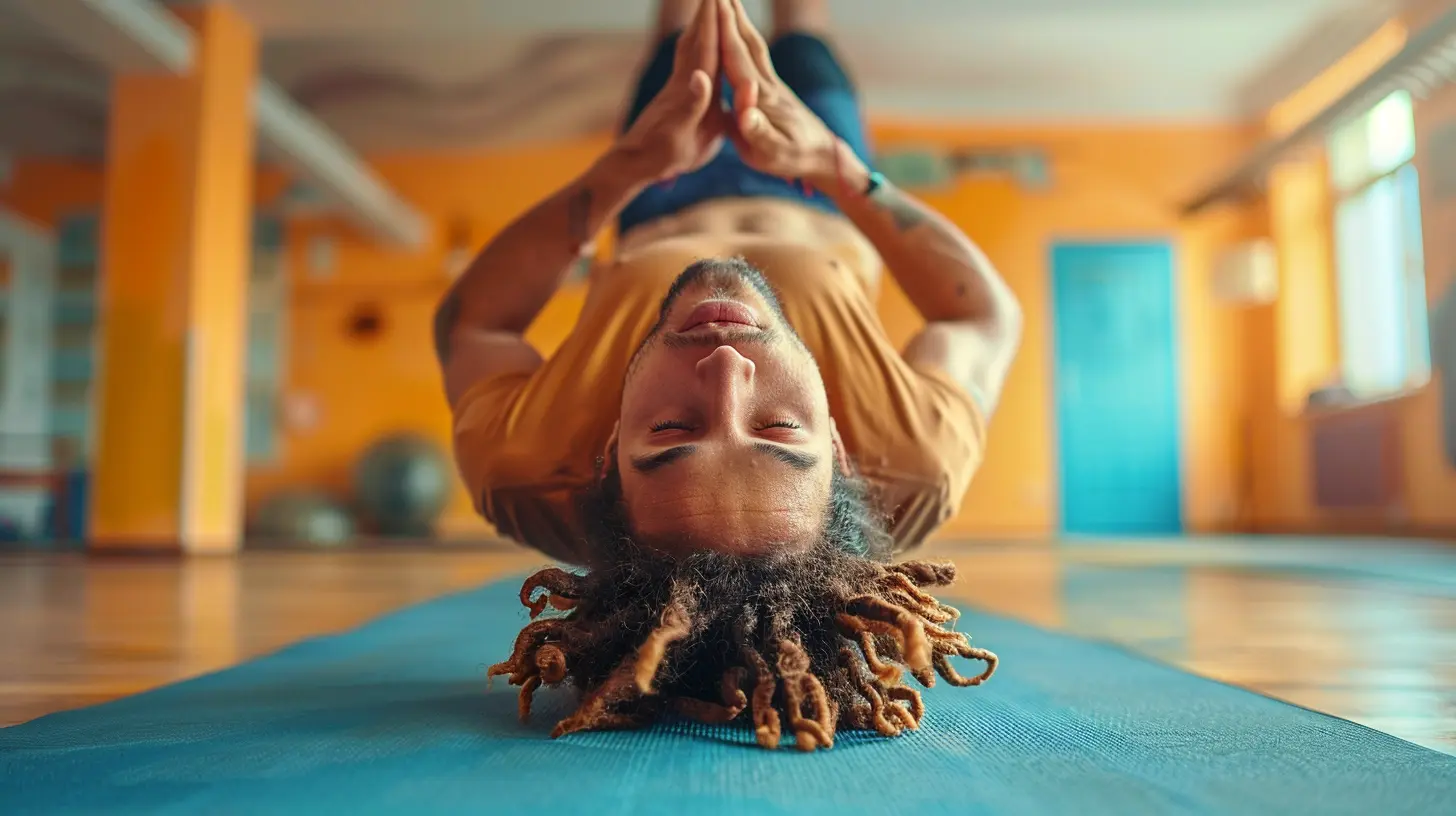
What Are Yoga Inversions, Anyway?
Let’s break it down first.In simple terms, a yoga inversion is any pose where your heart is higher than your head. Yep, it’s not just handstands or headstands. Even something as chill as Legs-Up-the-Wall (Viparita Karani) counts.
Here are a few common inversion poses:
- Shoulder Stand (Sarvangasana)
- Headstand (Sirsasana)
- Handstand (Adho Mukha Vrksasana)
- Forearm Stand (Pincha Mayurasana)
- Legs-Up-the-Wall Pose (Viparita Karani)
- Downward Dog (Adho Mukha Svanasana) – Yup, it’s technically an inversion too!
See? You're probably already doing inversions without even realizing it.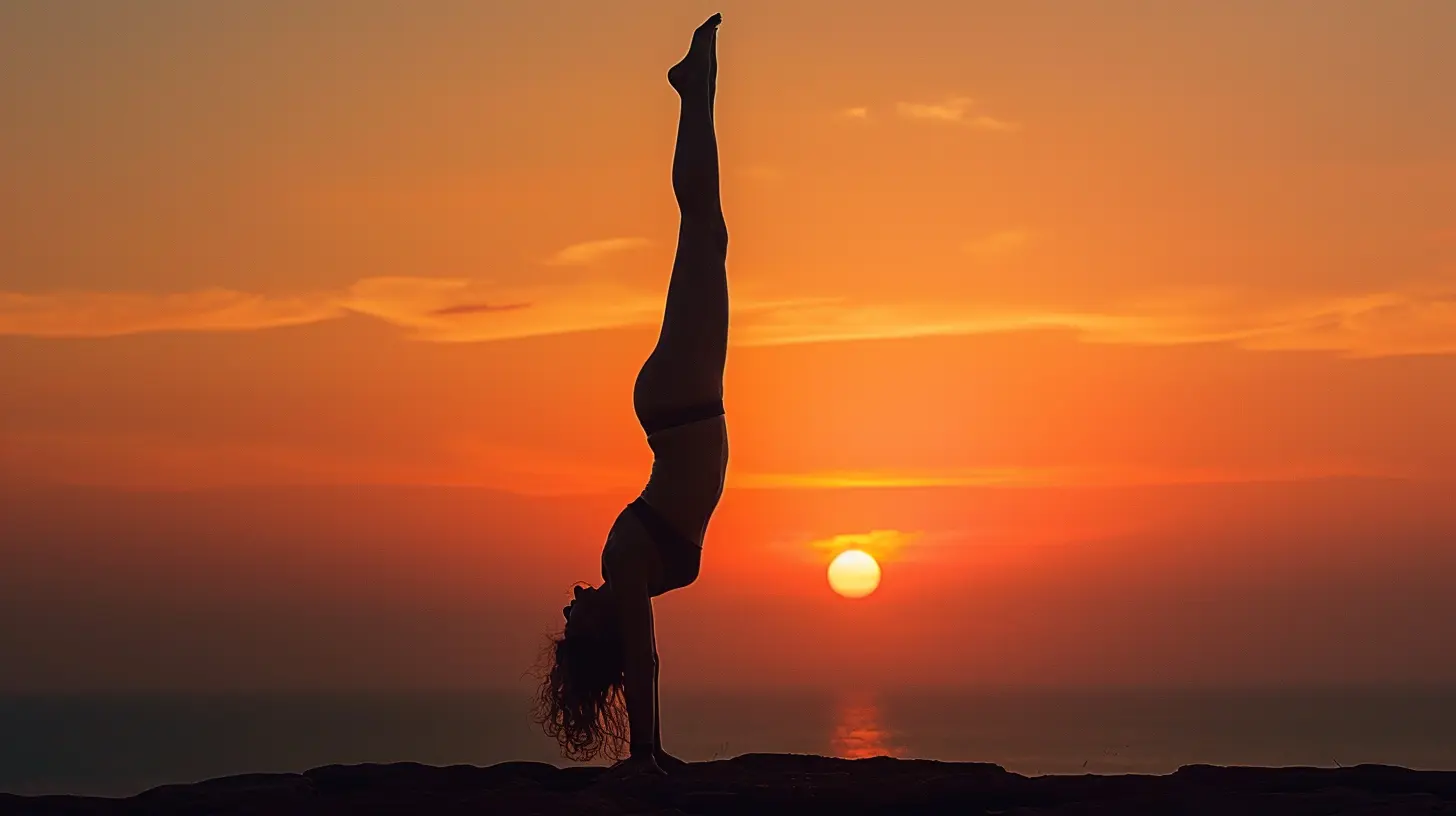
So Why Flip Upside Down?
Good question. Let’s get into the real magic — the mental benefits. Sure, inversions make for great social media content, but the internal transformation? That’s where the gold lies.
1. Inversions Help You Slow Down and Be Present
Have you ever tried balancing on your head while thinking about your to-do list? Nope. Doesn’t really work.Inversions demand presence. They pull your mind away from distractions and bring you into the now. It’s like a mental reset button. When your world is quite literally turned upside down, it forces you to become hyper-aware — of your breath, your body, your thoughts.
This intense focus helps calm mental chatter and anxiety. You simply can’t be anywhere else but here.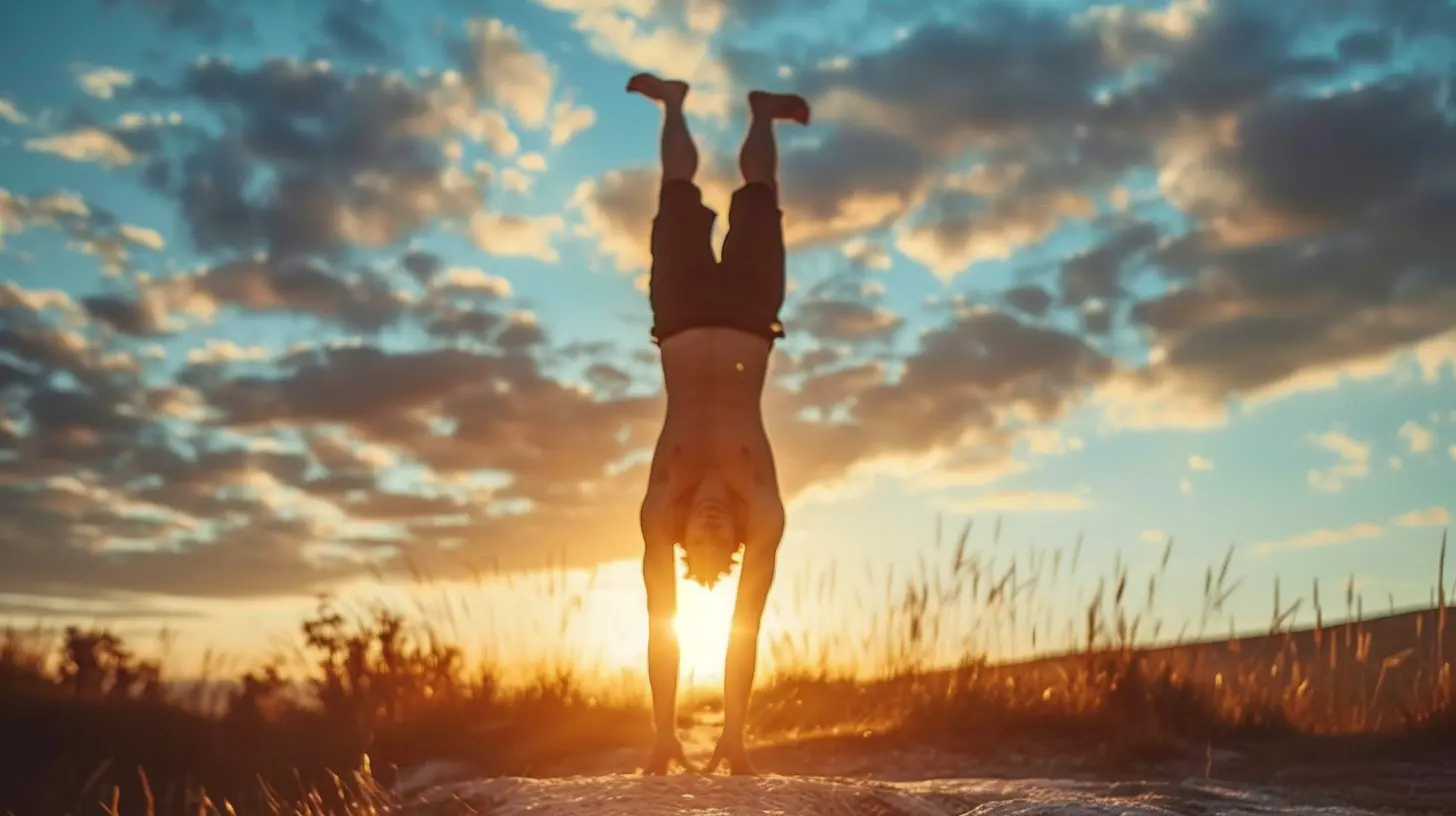
2. They Boost Blood Flow to the Brain
Here’s a little anatomy refresher — when you’re upright, gravity pulls blood down, keeping most of it circulating around your lower body. But when you invert, you’re changing that flow.Inversions gently encourage more blood and oxygen to reach the brain. What does this mean for your mind?
- Enhanced mental clarity
- Improved concentration
- A sense of alert calmness
It’s like giving your brain a fresh cup of coffee — without the jitters.
3. Say Goodbye to Stress and Anxiety
Let’s face it — stress is a beast. But inversions might just be your secret weapon.Many inversions activate the parasympathetic nervous system, also known as the "rest and digest" mode. Especially gentle inversions like Legs-Up-the-Wall or Shoulder Stand can calm the nervous system and lower cortisol levels (that’s your stress hormone).
You know that feeling when you're wrapped in a cozy blanket with zero worries? That’s pretty much the vibe gentle inversions bring. You’re lowering your physical stress response while sharpening your emotional resilience.
4. Trains Your Brain to Handle Fear
Balancing upside down is kinda scary — let’s not sugarcoat it.But that’s a good thing.
Facing fear on the mat (like that moment before attempting your first headstand) teaches you how to respond to stress in real life. You build confidence. You learn patience. You realize that falling isn't the end of the world.
Each time you conquer an inversion, you're also chipping away at mental blocks and self-doubt. You’re basically training your brain in courage. How cool is that?
5. Improves Sleep Quality
Struggling to fall asleep or stay asleep? Inversions might help.Gentle inversions ease the nervous system and calm an overactive brain. That’s right — they help transition your mind from go-go-go mode to a slower, calmer rhythm, perfect for drifting into sleep.
Try doing a few minutes of Legs-Up-the-Wall before bed. It’s like a lullaby for your nervous system.
6. Increases Self-Awareness and Mindfulness
Inversions are not just physical feats; they’re mental journeys. Being upside down forces you to tune into parts of your body and mind you usually ignore. You start noticing how your thoughts react under pressure. You become aware of your breath, your feelings, your inner dialogue.Over time, this builds mindfulness — that beautiful state of being grounded, connected, awake.
And the more mindful you are during practice, the more it spills into your daily life. You become calmer during chaos, softer in stressful moments.
7. Elevates Your Mood... Naturally
Ever finished an exhilarating inversion and felt like you could conquer the world?That’s no fluke.
Inversions trigger the release of feel-good chemicals like dopamine, endorphins, and serotonin. These natural brain boosters lift your mood, reduce symptoms of depression, and help you feel more connected.
Think of it as nature’s antidepressant — no pills, just poses.
8. Improves Mental Focus and Memory
Feeling foggy? Inversions might help clear things up.When more oxygen reaches the brain, cognitive functions sharpen. That means better memory, clearer thinking, and more laser-like focus.
Students, professionals, parents — basically anyone with a busy brain — can benefit from a few minutes of inversion practice each day.
9. Encourages Playfulness and Creativity
When was the last time you did something playful?Inversions bring out your inner child. They encourage you to experiment, to fall, to laugh at yourself — and that’s refreshingly liberating. This spirit of play stirs up the creative part of your brain.
Suddenly, you aren’t just strengthening your body — you're unlocking creativity, spontaneity, and imagination.
Getting Started: Inversions for Beginners
Okay, you’re sold. You’re ready to dip your toes in. But let’s keep things safe and simple.Here are beginner-friendly inversions to try:
- Legs-Up-the-Wall Pose (Viparita Karani) – Great for calming the nervous system.
- Downward Dog – A gentle inversion that stretches and energizes.
- Bridge Pose – Lifts the heart above the head in a subtle way.
- Supported Shoulder Stand – Use props or a wall for assistance.
Don’t feel pressured to dive into headstands right away. Yoga is a practice, not a performance.
Tips for Safe Inversion Practice
1. Go Slow – Respect your body and don’t rush into complex poses.2. Use a Wall – Walls are your best friend when building confidence.
3. Warm Up First – Loosen up your shoulders, wrists, and core.
4. Listen to Your Body – Any pain = stop. Discomfort is okay, but pain is a no-go.
5. Breathe – Holding your breath? Time to come out of the pose.
6. Work with a Teacher – Especially for more advanced inversions.
Remember, it’s not about how long you stay upside down. It’s about showing up, tuning in, and trusting the process.
When to Avoid Inversions
As amazing as they are, inversions aren’t for everyone, all the time. You should avoid inversions if you:- Have high blood pressure
- Are pregnant (check with your doctor)
- Have neck injuries or glaucoma
- Just ate a giant meal (seriously, not fun)
Always listen to your body (and your doctor). There are plenty of ways to get the benefits without full-on flipping.
Final Thoughts: The Mental Magic of Going Upside Down
Inversions in yoga aren't just cool party tricks — they're a deeply transformative mental tool. Whether you're battling anxiety, stuck in a rut, or just need a brain boost, flipping your perspective (literally) can do wonders.You don’t need to master a perfect handstand. Even lying on the floor with your legs up the wall can shift your whole mental state.
So, next time life feels heavy, try looking at it from another angle — upside down might just be exactly what your mind needs.
all images in this post were generated using AI tools
Category:
YogaAuthor:

Madeline Howard
Discussion
rate this article
2 comments
Rachel Wolfe
Inversions in yoga significantly enhance mental well-being by promoting clarity, reducing anxiety, and boosting mood. Integrating these poses into your practice can lead to deeper mindfulness and a greater sense of balance.
February 13, 2026 at 3:53 AM
Madeline Howard
Thank you for your insightful comment! I completely agree that inversions play a vital role in enhancing mental well-being and fostering mindfulness.
Lysander Gray
Embrace your upside down!
January 16, 2026 at 4:39 AM
Madeline Howard
Thank you! Embracing inversions truly helps shift our perspective, both on the mat and in life.