The Best Sleeping Positions for Spine and Sleep Health
28 September 2026
You spend roughly a third of your life in bed. If you are like most adults, you have never given much thought to how you arrange your body during those hours. You pick a position that feels comfortable, drift off, and repeat the same pattern night after night. But here is what makes this worth examining: the position you hold for seven or eight hours straight either supports your spine's natural curves or works against them. Over months and years, that accumulated pressure shapes how your back feels, how you wake up, and sometimes whether you wake up at all with pain.
This article breaks down the major sleeping positions, explains what each one does to your spine and surrounding structures, and offers practical guidance on choosing and adjusting your posture. It also covers the trade-offs nobody mentions, the mistakes that quietly sabotage good intentions, and the specific adjustments that make a real difference.
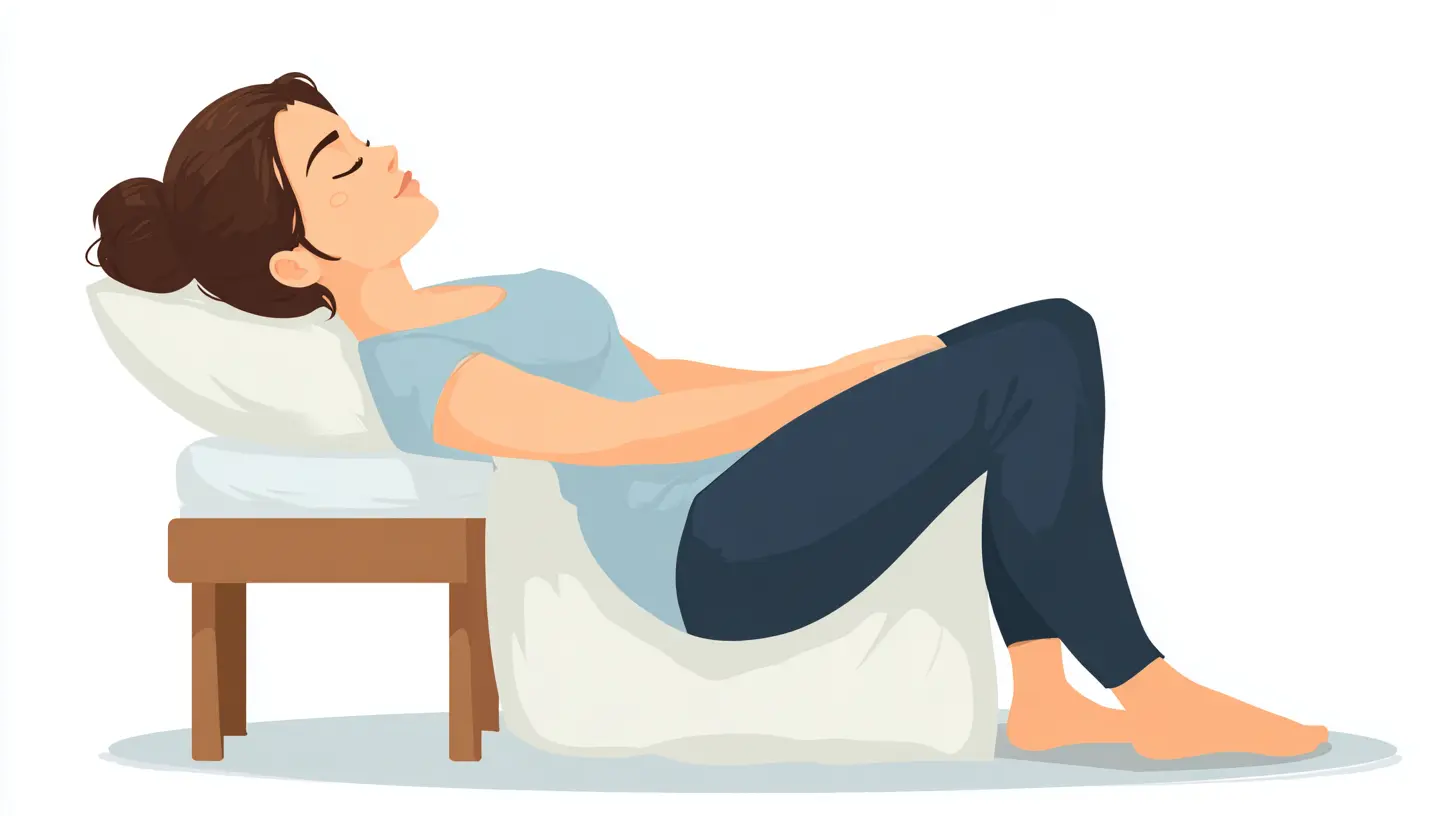
Why Sleeping Position Matters More Than Most People Realize
Your spine has three natural curves: a gentle inward curve in the neck (cervical lordosis), an outward curve in the mid-back (thoracic kyphosis), and an inward curve in the lower back (lumbar lordosis). During the day, your muscles work constantly to hold these curves in balance. At night, those muscles relax. If your sleeping surface and position do not support the curves, ligaments and joint capsules take over the load. They are not designed for that job over long periods.There is also the matter of spinal discs. These gel-filled cushions between vertebrae rehydrate and refill overnight, which is why you are slightly taller in the morning. That rehydration process works best when pressure on the discs is distributed evenly. A twisted or unsupported position concentrates load on one side of a disc, which can contribute to irritation over time.
Then there is the circulatory and breathing angle. Certain positions restrict blood flow, compress nerves, or make it harder to breathe efficiently. Sleep quality and spinal health are not separate issues. They feed each other. A position that hurts your back fragments your sleep. Fragmented sleep increases pain sensitivity the next day. The cycle reinforces itself.
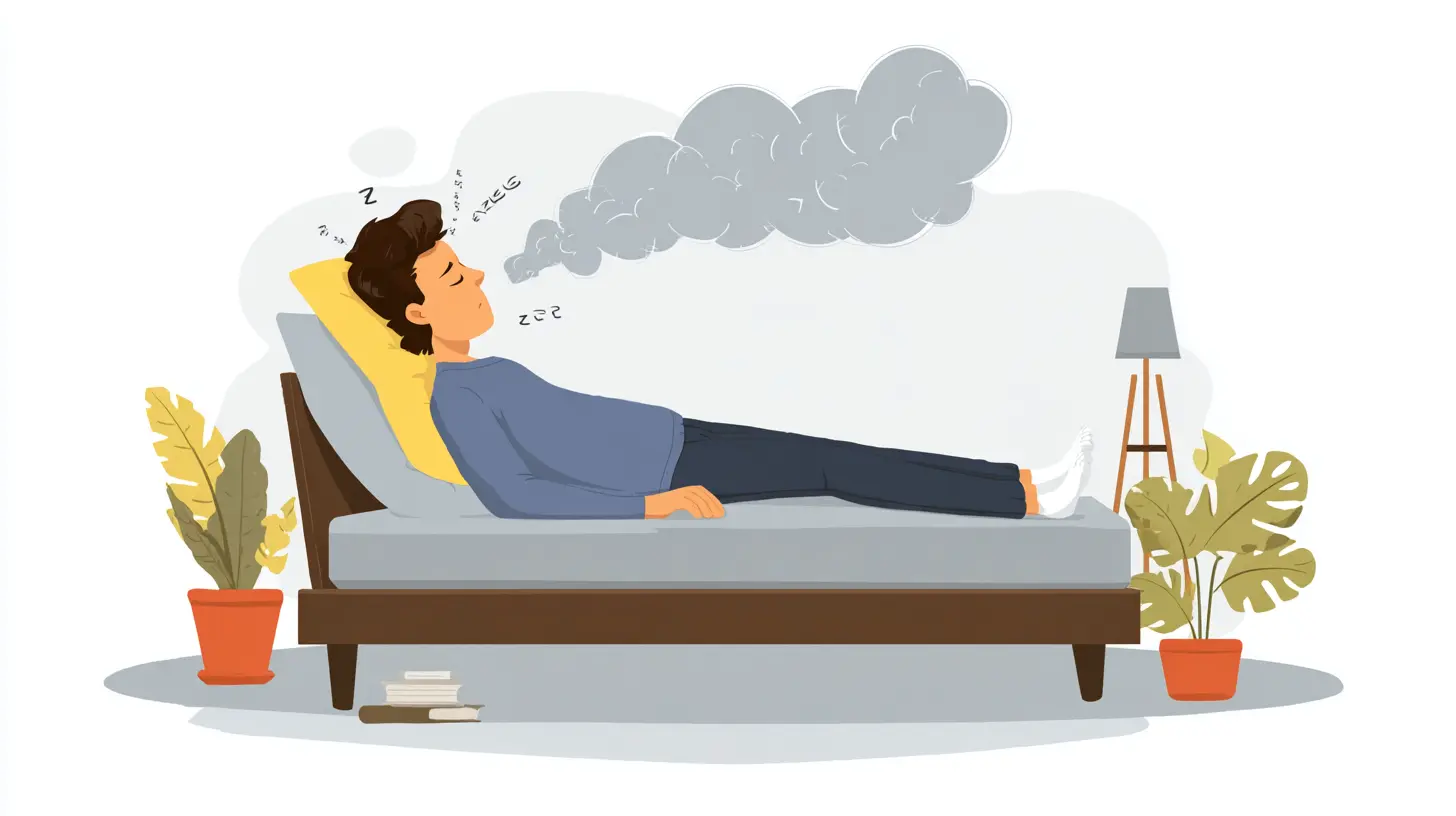
The Main Positions, Ranked and Explained
There is no single best position for every person. Body type, existing conditions, pregnancy, age, and mattress all shift the equation. But there is a clear hierarchy based on how well each position preserves spinal alignment.Sleeping on Your Side
Side sleeping is the most common position worldwide and, for most people, the best compromise between comfort and spinal support. When done correctly, it keeps the spine in a relatively neutral alignment and reduces snoring and acid reflux compared to back sleeping.The catch is in the details. Most side sleepers do not keep their spine neutral. They let the top leg drop forward, which rotates the pelvis and twists the lower back. They tuck the chin toward the chest, which flattens the neck curve. They sleep on a pillow that is too thick or too thin for their shoulder width.
To make side sleeping work:
- Choose a pillow that fills the gap between your ear and the outer edge of your shoulder. If your head tilts down or up, the pillow is wrong.
- Place a pillow between your knees. This keeps the top leg level with the bottom one and prevents pelvic rotation. It is one of the simplest, highest-return adjustments you can make.
- Slightly bend both knees. Do not draw them up toward your chest.
- Extend your bottom arm slightly forward or tuck it under the pillow. Avoid sleeping directly on the arm for long periods, which can compress the ulnar nerve and cause numbness.
Which side? Left side sleeping is often recommended for people with acid reflux because it keeps the stomach below the esophagus. It also improves circulation for pregnant women by reducing pressure on the inferior vena cava. Right side sleeping is fine for most others. If you have shoulder pain, sleeping on the opposite side may help, though a contoured pillow can make either side tolerable.
Sleeping on Your Back
Back sleeping is the most spine-neutral position when the head and knees are properly supported. It distributes body weight evenly and keeps the head, neck, and spine in a straight line. It also minimizes facial contact with the pillow, which some people prefer for skin reasons.The problem is that back sleeping is not comfortable for everyone, and it tends to worsen snoring and sleep apnea. When you lie on your back, gravity pulls the soft tissue of the throat downward, narrowing the airway. For people with obstructive sleep apnea, back sleeping can meaningfully increase the number of breathing pauses per night.
If you sleep on your back, do this:
- Use a relatively thin pillow or a cervical contour pillow. A thick pillow pushes the head forward and reverses the neck curve.
- Place a pillow or rolled towel under your knees. This flattens the lower back slightly and takes tension off the lumbar spine.
- Keep your arms at your sides or slightly out. Do not sleep with your arms overhead for long stretches, which can compress nerves in the shoulder region.
Back sleeping is often recommended after certain spinal surgeries, for people with specific disc conditions, and for those who wake with neck pain from side sleeping. It is a poor choice for anyone with untreated sleep apnea or severe acid reflux.
Sleeping on Your Stomach
Stomach sleeping is the position most likely to cause problems. When you lie face down, your neck must rotate sharply to one side so you can breathe. That sustained rotation stresses the cervical spine and can compress nerves. Your lower back also tends to sag into the mattress because the abdomen is not supported, exaggerating the lumbar curve.There is no way to make stomach sleeping fully spine-neutral. The best you can do is minimize the damage:
- Use a very thin pillow or no pillow at all under your head.
- Place a flat pillow under your pelvis and lower abdomen to reduce lumbar sagging.
- Alternate which side your head faces so you are not always rotating the neck in the same direction.
If you regularly wake with neck pain, numbness in your arms, or lower back stiffness, stomach sleeping is the first thing to change. For some people, it is the only change needed.
The Fetal Position
The fetal position is a variation of side sleeping, and it is popular because it feels secure and warm. But a tightly curled fetal position rounds the spine significantly. Held for hours, it can overstretch the back muscles and compress the discs on the front side.A modified fetal position, with knees only slightly bent, is fine. The key is to avoid pulling the knees up toward the chest. If you sleep in a tight curl, try extending your legs a bit more each night. A pillow between the knees helps maintain the position once you find it.
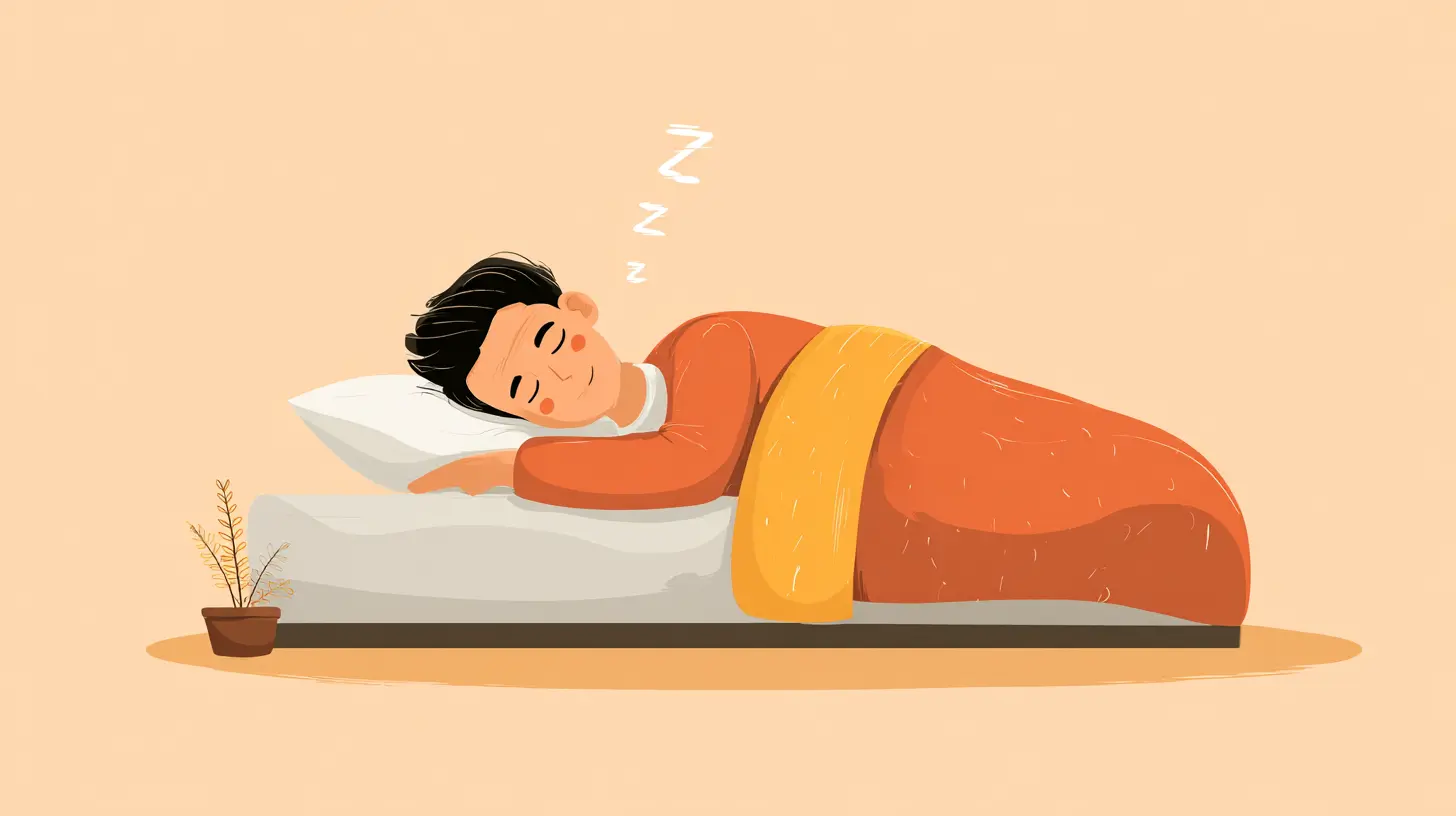
Mattress and Pillow: The Other Half of the Equation
No sleeping position works if your mattress and pillow fight against it.Mattress Firmness
A mattress that is too soft lets the heaviest parts of your body sink, which throws the spine out of alignment. A mattress that is too firm creates pressure points at the shoulders, hips, and heels, and it prevents the spine from settling into its natural curves. Most people do best with a medium-firm mattress that supports the body without creating pressure.Side sleepers generally need a slightly softer surface to accommodate the shoulder and hip. Back and stomach sleepers do better with firmer support. If you share a bed with someone of very different body weight, a mattress with zoned support or an adjustable air chamber can help.
Pillow Height and Shape
Pillow height should match your sleeping position and shoulder width.- Side sleepers need a thicker pillow to fill the shoulder gap.
- Back sleepers need a thinner pillow that supports the neck curve without pushing the head forward.
- Stomach sleepers need the thinnest pillow possible, or none.
Contour pillows with a raised edge and a dip in the middle can help back and side sleepers maintain the cervical curve. Cervical rolls, which are cylindrical pillows placed under the neck, can be useful for short periods but are not ideal for all-night use unless recommended by a clinician.
The Knee Pillow
A knee pillow is one of the most underused tools in sleep ergonomics. For side sleepers, it prevents the top leg from dropping and rotating the pelvis. For back sleepers, a pillow under the knees reduces lumbar tension. It costs little and takes seconds to position. If you try only one adjustment from this article, make it this one.
Special Situations That Change the Rules
General advice does not always apply. Certain conditions and life stages call for specific adjustments.Pregnancy
As pregnancy progresses, the growing uterus presses on the inferior vena cava when a woman lies flat on her back, which can reduce blood flow to the heart and cause dizziness, shortness of breath, or reduced blood flow to the placenta. Left side sleeping is generally recommended from the second trimester onward. A pillow between the knees and another under the abdomen can make this position sustainable through the night.Acid Reflux and GERD
Sleeping on the left side has been associated with less reflux than sleeping on the right side or on the back. Elevating the head of the bed by a few inches, using a wedge or bed risers rather than stacking pillows, can further reduce symptoms. Stacking pillows under the head does not work well because it bends the neck and does not elevate the stomach.Sleep Apnea and Snoring
Back sleeping worsens both. Side sleeping is generally better. Some people use positional therapy, which involves a device or a technique to keep them off their back. If you have diagnosed sleep apnea, positional changes may help but should not replace prescribed treatment such as CPAP.Shoulder Pain
Side sleeping on the painful shoulder is usually uncomfortable. Sleeping on the opposite side with a pillow supporting the affected arm can help. Some people find back sleeping with the arms supported is the most tolerable option during a flare-up.Neck Pain and Cervical Disc Issues
A supportive contour pillow and back sleeping with a thin pillow often work best. Stomach sleeping with the head rotated is particularly problematic for the cervical spine and should be avoided if you have neck pain or a history of disc problems.Common Mistakes That Undo Good Intentions
Even people who know the basics often make small errors that add up.- Using a pillow that is too thick for back sleeping. This pushes the head forward and flattens the neck curve.
- Skipping the knee pillow. Without it, side sleeping twists the lower back.
- Sleeping on a mattress that sags in the middle. A visible dip means the spine is not supported.
- Falling asleep in one position and waking in another without adjusting. If you wake on your stomach, reposition before going back to sleep.
- Ignoring morning stiffness. If you consistently wake up stiff or sore, your position or your sleep surface is likely the cause.
- Assuming pain is just part of aging. It is not. Position and surface changes often resolve it.
How to Change Your Sleeping Position Without Losing Sleep
Changing a lifelong sleep habit is hard. Your body has muscle memory for the old position. Trying to force a new one cold turkey often leads to poor sleep and abandonment of the effort.A gradual approach works better. Start by adding supports to your current position. If you sleep on your back, add a knee pillow. If you sleep on your side, add a knee pillow and check your pillow height. If you sleep on your stomach, try shifting to your side for part of the night. Use pillows to block the position you are trying to avoid. Some people sew a tennis ball into the back of a shirt to prevent rolling onto their back, a technique used in positional therapy for sleep apnea.
Give any change at least two weeks. Sleep positions are habits, and habits take time to rewire. If you wake up uncomfortable, adjust the supports rather than abandoning the goal.
What to Look for in the Morning
Your body gives you feedback every morning. Use it.- Waking with a stiff neck suggests your pillow height or position is off.
- Lower back pain that eases after you get up and move often points to poor mattress support or a twisted sleeping position.
- Numbness or tingling in the arms or hands suggests nerve compression from arm position or neck rotation.
- Headaches in the morning can be related to neck position, jaw clenching, or sleep apnea.
Track these patterns for a week. They are more useful than any general recommendation because they reflect your specific body and sleep setup.
When to See a Professional
Sleep position adjustments are not a substitute for medical care. See a doctor or a physical therapist if you have persistent pain, numbness, weakness, or if you suspect sleep apnea. A clinician can assess your spine, recommend imaging if needed, and refer you to a sleep specialist. For some conditions, such as a herniated disc or spinal stenosis, the right sleeping position is only one part of a broader treatment plan.Putting It Together: A Practical Checklist
If you want to improve your spine health through sleep, start here:1. Identify your dominant sleeping position.
2. Match your pillow height to that position and your shoulder width.
3. Add a knee pillow if you sleep on your side or back.
4. Check your mattress for sagging and replace it if it is past its useful life.
5. If you sleep on your stomach, work on transitioning to your side or back.
6. Give any change two weeks before judging it.
7. Track morning symptoms and adjust accordingly.
None of this is complicated, but it does require attention. The reward is a spine that gets eight hours of support instead of eight hours of strain. That is a trade worth making.
all images in this post were generated using AI tools
Category:
Sleep HygieneAuthor:

Madeline Howard
Discussion
rate this article
1 comments
Daniella Barker
Great article! I appreciate the tips on sleeping positions. It's fascinating how the right posture can influence spine health and overall sleep quality. Looking forward to trying some of these suggestions.
September 28, 2026 at 2:52 AM