Post-Exercise Recovery: The Role of Protein and Carbs
2 April 2026
Alright, so you’ve just crushed your workout—maybe you ran like the wind, lifted like a beast, or burpeed your way through a sweat-fest of epic proportions. Now what? Do you flop on the couch, scroll TikTok, and hope your muscles sort themselves out? Nope! Because here's the deal: what you fuel your body with after exercise is just as important (if not more) than the workout itself.
Today, we’re diving deep (but in a fun way) into the delicious science of post-exercise recovery and the dynamic duo behind it—protein and carbs. Why these two? Because they’re basically Batman and Robin for your sore muscles, and if you’re not feeding your body right after a workout, you might just be sabotaging your own gains.
So grab a smoothie, stretch those legs, and let’s unpack this together.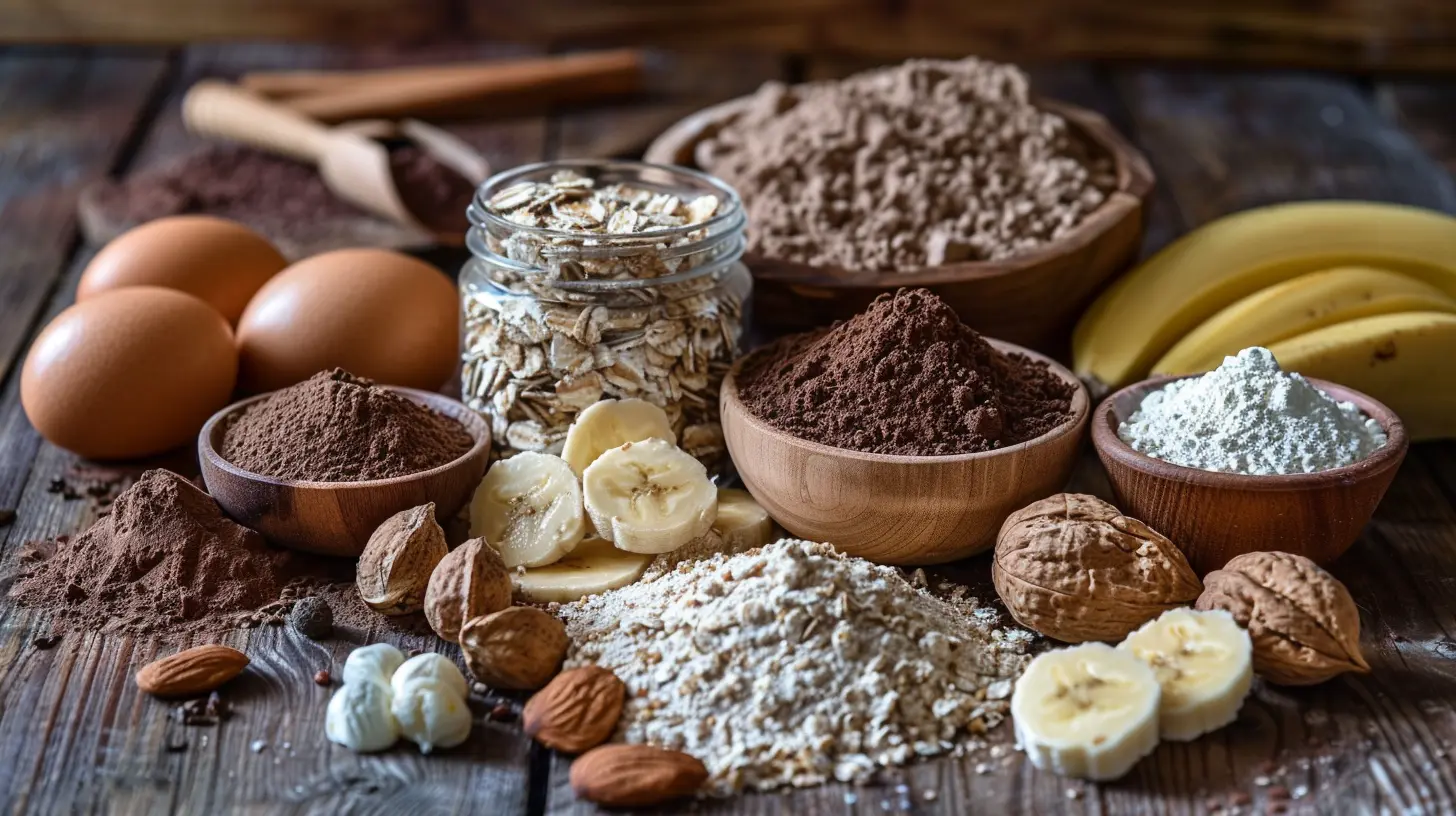
Why Post-Workout Nutrition Even Matters
Let’s start with a quick rewind. When you work out—whether it’s lifting, running, yoga, CrossFit, or chasing your dog around the park—you’re actually creating tiny tears in your muscle fibers. That might sound scary, but it’s a good thing! These microtears are what make your muscles stronger… once they repair.But here’s the catch: muscles don’t rebuild themselves out of thin air. They need building blocks (hello, protein!) and energy (enter: carbs!) to come back better, faster, and stronger than before.
In short, no proper recovery = no gains. And nobody wants that.
Meet the MVPs: Protein and Carbs
Protein – The Repair Specialist
Think of protein like the construction crew of your recovery team. After a tough workout, your muscles are basically yelling for help, and protein swoops in like a hero with a tool belt full of amino acids.These amino acids are the raw materials your body uses to rebuild muscle tissue. If you skimp on protein after working out, your body might not have enough of these materials to properly repair and grow stronger, leaving you sore, tired, and progress-less (yes, that’s a word now).
Carbs – The Energy Refill
Now carbs get a bad rap sometimes (thanks, diet culture), but when it comes to post-exercise recovery, they’re non-negotiable. Your body stores carbs as glycogen in your muscles, and during a workout, you burn through that stash like it’s Black Friday.Carbs after exercise help top up those glycogen stores so you’re not dragging yourself through the rest of the day like a zombie. Think of carbs as the gas in your tank—you don’t drive around empty and expect to go far, right?
Timing Is Everything—Yes, Really
So now you’re thinking, “Cool, carbs and protein are important. Got it. But when should I eat them?”Great question! The 30 to 60-minute window after your workout is prime time for muscle recovery. Your body is basically a sponge right after exercise, ready to soak up nutrients and put them to work. It doesn’t mean you need to chug a protein shake the second you re-rack your dumbbells, but don’t wait hours either.
Just remember: the sooner, the better.
How Much of Each? Let’s Break It Down
Alright let’s crunch (pun intended) some numbers:- Protein: Aim for around 20-30 grams post-workout. That’s roughly the amount in a chicken breast, a protein shake, or a cup of Greek yogurt.
- Carbs: Depending on how intense your workout was, shoot for 2 to 3 times the amount of carbs compared to protein. So if you’re getting 25 grams of protein, you’re looking at roughly 50–75 grams of carbs.
More endurance-based workout (like running)? Go higher on carbs.
More strength-based workout (like lifting)? Go bigger on protein.
Simple math. Muscle math.
Best Post-Workout Protein and Carb Combos (That Aren’t Boring)
You don’t have to eat bland chicken and plain rice unless you’re into that sort of thing. Here are some recovery-friendly snack and meal ideas that don’t feel like punishment:1. Chocolate Milk (Yes, Really)
We’re not kidding—low-fat chocolate milk has a near-perfect carb-to-protein ratio, plus it tastes like nostalgia and comes in a bottle. Pro athletes swear by it. Who are we to argue?2. Greek Yogurt Parfait
Layer plain Greek yogurt with berries, granola, and a drizzle of honey. Boom—protein and carbs in a cup with legit dessert vibes.3. Turkey and Hummus Wrap
Wrap it all in a whole wheat tortilla and throw in some spinach for good measure. Chewy, savory recovery magic.4. Smoothie Time
Blend up some protein powder, banana, berries, oats, and some nut butter with almond milk. This option is easy on the stomach and hard on muscle soreness.5. Eggs and Toast
Classic breakfast but make it post-workout. Add some avocado if you’re extra like that.What If You Skip Post-Workout Fuel?
We get it. Sometimes life gets in the way. You finish your workout, the kids are screaming, the emails pile up, and suddenly it’s dinner time. Skipping your post-exercise meal occasionally won’t wreck your life, but do it regularly and you're asking for:- Slower muscle recovery
- Increased soreness (hello, DOMS)
- Lower energy levels
- Missed strength or endurance gains
- And in some cases, muscle breakdown. Yikes.
Let’s just say… it’s not ideal.
The Science Backs It Up (But We’ll Keep It Fun)
Alright, for the science lovers out there, let’s geek out briefly.Studies consistently show that protein intake post-exercise increases muscle protein synthesis, which is the fancy way of saying “building muscle.”
Meanwhile, carbs consumed after a workout help restore muscle glycogen especially if you’ve done endurance or high-intensity training. Pairing them together? That's the magic. Eating protein and carbs together post-workout enhances glycogen storage even more than carbs alone. It’s like a recovery power-up combo!
To sum it up in meme language:
> Protein alone = 👍
> Carbs alone = 👍
> Protein + carbs = 💪 🚀 🔥
Okay But… What About Fats?
Good question! Fats aren’t the enemy. While they’re not the star of the post-workout plate like protein and carbs, having a little fat (like from peanut butter, avocado, or olive oil) won’t harm your recovery. In fact, it might even help slow down digestion slightly, leading to a steadier release of nutrients.Just don’t go overboard. Leave the deep-fried stuff for your cheat day (or cheat moment—we don’t judge).
Hydration: The Unsung Hero
All this talk about food and we almost forgot about water. Rookie mistake!Rehydrating after a workout is crucial, especially if you’ve been sweating buckets. Dehydration can actually make your muscles cramp, your recovery drag, and your energy levels tank. So drink up!
Bonus: Add electrolytes if you had an especially sweaty session or worked out for longer than an hour. Coconut water, sports drinks, and even DIY electrolyte mixes can help.
Final Thoughts: Don’t Overthink It
At the end of the day, post-workout nutrition doesn’t have to be complicated. It’s not about counting every gram or timing your meals to the exact second. It’s about giving your body what it needs to recover, repair, and get stronger.Focus on real, whole foods. Pair a good source of protein with some quality carbs. Stay hydrated. Get some rest. Repeat.
And remember—your body works hard for you. The least you can do is feed it right and help it bounce back like a champ.
Happy refueling, friends!
TL;DR: Quick Tips for Post-Workout Recovery
- Eat within 30–60 minutes post-exercise- Aim for 20–30g of protein
- Pair with 2–3x that amount in carbs
- Don’t fear a little fat
- Hydrate like a camel at Coachella
- Consistency beats perfection
all images in this post were generated using AI tools
Category:
Sports NutritionAuthor:

Madeline Howard
Discussion
rate this article
2 comments
Ivory Rhodes
Fuel your gains! Balancing protein and carbs post-workout is key to recovery and maximizing your fitness efforts.
April 15, 2026 at 4:34 AM
Madeline Howard
Absolutely! Balancing protein and carbs post-workout is essential for optimal recovery and enhanced performance. Thank you for emphasizing this important aspect!
Finn Ruiz
Post-exercise recovery isn’t optional; it’s essential. Don’t skimp on protein and carbs—fuel your body right to maximize gains and speed up recovery. Prioritize your health, and watch your performance skyrocket.
April 7, 2026 at 3:04 AM
Madeline Howard
Absolutely agree. Proper recovery with protein and carbs is key to getting the most out of your workouts. It's all about fueling your body for better performance.