The Best Fruits and Veggies to Supercharge Your Smoothies
24 October 2026
A smoothie can be a genuinely great meal or snack, or it can be a sugar bomb that leaves you hungry an hour later. The difference usually comes down to what you put in the blender and how you combine it. Fruit gets most of the attention because it is sweet, colorful, and easy to like. Vegetables often get sidelined because people worry they will ruin the taste. Both deserve a closer look, because the right produce choices affect not just flavor but also texture, satiety, nutrient absorption, and how your body handles the sugar load.
This guide breaks down the fruits and vegetables that earn their place in a smoothie, why they work, when to use them, and what to watch out for. It also covers the mistakes that turn a healthy habit into a dessert in disguise, and the practical strategies that make smoothies actually satisfying.
Why Produce Choice Matters More Than You Think
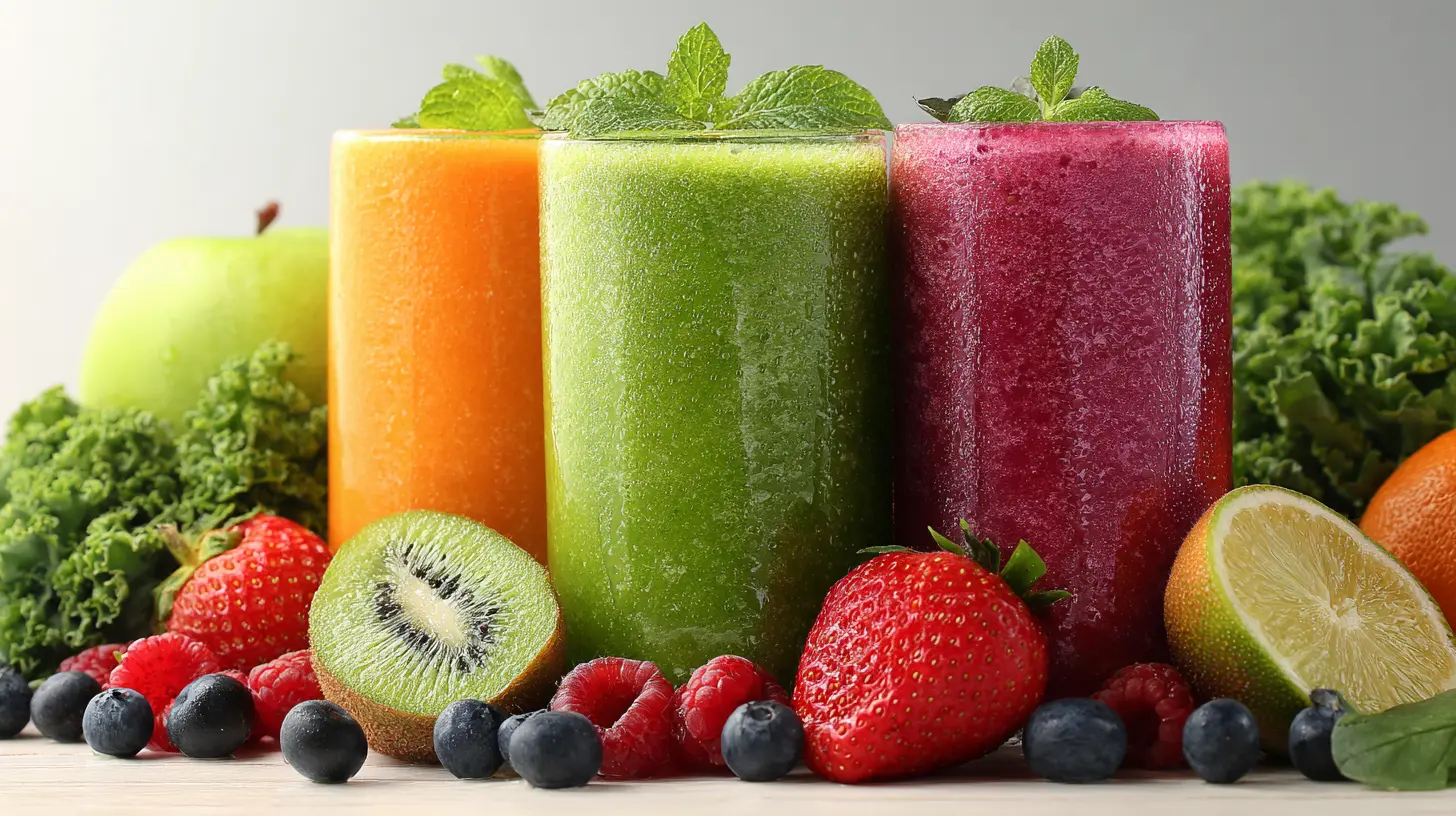
Blending is not the same as juicing. When you juice, you strip away fiber and leave behind a concentrated liquid. When you blend whole fruit and vegetables, the fiber stays in the glass. That fiber slows digestion, feeds gut bacteria, and blunts the blood sugar spike you would get from drinking juice alone. This is the single most important reason to favor whole produce over juice in smoothies.But fiber alone does not tell the whole story. Different fruits and vegetables bring different structures. Some are high in soluble fiber, which forms a gel in your gut and slows gastric emptying. Others are high in insoluble fiber, which adds bulk and keeps things moving. Some contain compounds that inhibit nutrient absorption, like the oxalates in spinach or the tannins in certain berries. Some are naturally high in water and make a smoothie thin and refreshing, while others are dense and starchy and make it creamy and filling.
Texture matters too, and not just for enjoyment. A smoothie that is too thin drinks quickly and does not trigger the same fullness signals as one you sip slowly. A smoothie that is too thick can be unpleasant to drink. The balance of water-rich produce, fibrous produce, and creamy produce is what makes a smoothie work.
Fruits That Earn Their Place
Berries: The Default Choice for Good Reason
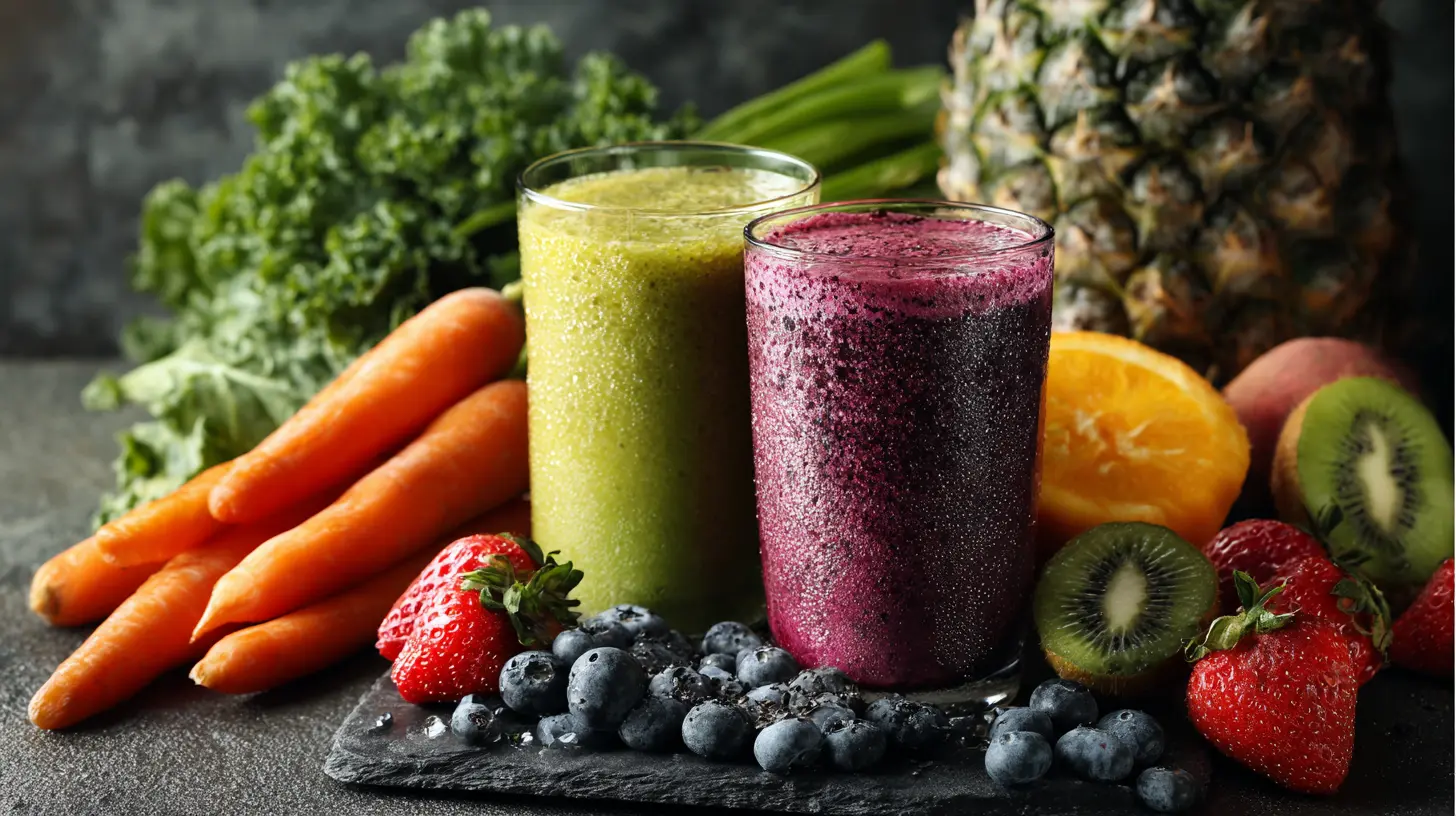
Blueberries, raspberries, blackberries, and strawberries are the most reliable fruits for smoothies. They are relatively low in sugar compared to tropical fruits, high in fiber, and rich in anthocyanins, the pigments responsible for their deep colors. Anthocyanins are associated with antioxidant and anti-inflammatory activity, though the practical takeaway is simpler: berries give you a lot of nutritional value for relatively few calories and a modest sugar load.Raspberries and blackberries are especially useful because their seeds add texture and their fiber content is among the highest of common fruits. Blueberries are milder and blend into almost anything. Strawberries are the lowest in fiber of the group but are high in vitamin C and blend to a smooth consistency that works well with vegetables.
One practical note: frozen berries are often better than fresh for smoothies. They are picked at peak ripeness, they chill the smoothie without diluting it with ice, and they are usually cheaper year-round. The nutritional difference between frozen and fresh berries is minimal, and in some cases frozen retains more vitamin C because it does not sit on a shelf losing potency.
Bananas: Creamy, Cheap, and Easy to Overuse
Bananas are the workhorse of smoothie making. They add natural sweetness, potassium, and a creamy texture that makes vegetable-heavy blends palatable. A frozen banana blended with a handful of spinach and some milk tastes like a milkshake, which is why it is the standard entry point for people trying to eat more greens.The trade-off is sugar and starch. A medium banana contains roughly 14 grams of sugar and about 27 grams of carbohydrate. That is not a problem in isolation, but it adds up quickly when combined with other sweet fruit. Bananas also dominate flavor, which can mask the taste of vegetables but also makes every smoothie taste like banana.
Use bananas strategically. Half a frozen banana is often enough to achieve creaminess without overwhelming the blend. If you want to reduce sugar, pair a smaller amount of banana with fiber-rich berries and a source of protein or fat to slow absorption.
Mango: Tropical Sweetness With a Caveat
Mango blends into a silky, almost custard-like texture and pairs well with greens, ginger, and citrus. It is higher in sugar than berries, with about 23 grams of sugar per cup, so it works best as a flavor anchor rather than a base. A quarter to a half cup of frozen mango can transform a bland green smoothie into something you actually look forward to drinking.The caveat is portion control. Mango is easy to overpour because it is so palatable, and a smoothie with a full cup of mango plus a banana plus juice can easily exceed 40 grams of sugar. That is fine for someone who just finished a long run, but it is not ideal as a daily breakfast for a sedentary office worker.
Pineapple: Enzymes and Acidity That Help
Pineapple contains bromelain, a group of enzymes that break down protein. This is sometimes marketed as a digestive aid, and while the evidence for meaningful digestive benefit from a smoothie-sized portion is modest, bromelain does have a practical culinary effect: it can make a smoothie with protein powder or Greek yogurt feel less heavy. The acidity also brightens the flavor of earthy vegetables like kale and cucumber.Pineapple is moderately high in sugar, similar to mango, so treat it as a flavoring agent rather than a base. Frozen pineapple chunks work well and eliminate the need for ice.
Kiwi: An Underrated Option
Kiwi is tangy, high in vitamin C, and contains an enzyme called actinidin that, like bromelain, helps break down protein. It blends well with greens and adds a brightness that cuts through creamy bases. The seeds are small enough to blend smoothly in most high-powered blenders, though lower-powered models may leave them intact. Kiwi is moderate in sugar and adds a distinct flavor that does not get old as quickly as banana.Tart Cherries: A Niche but Useful Choice
Tart cherries, often sold frozen, have a sourness that balances sweet fruit and a growing reputation for supporting sleep and recovery. The evidence is not conclusive enough to call them a treatment, but they are a reasonable choice if you enjoy the flavor. They pair well with cocoa powder and yogurt for a smoothie that tastes like dessert without being one.Fruits to Use With Caution
Grapes, watermelon, and ripe pears are high in sugar and water and low in fiber relative to their sweetness. They are not bad, but they contribute little structure and a lot of sugar. Watermelon in particular makes a smoothie thin and sweet without adding much nutritional density. If you use them, pair them with fiber-rich ingredients and a protein source.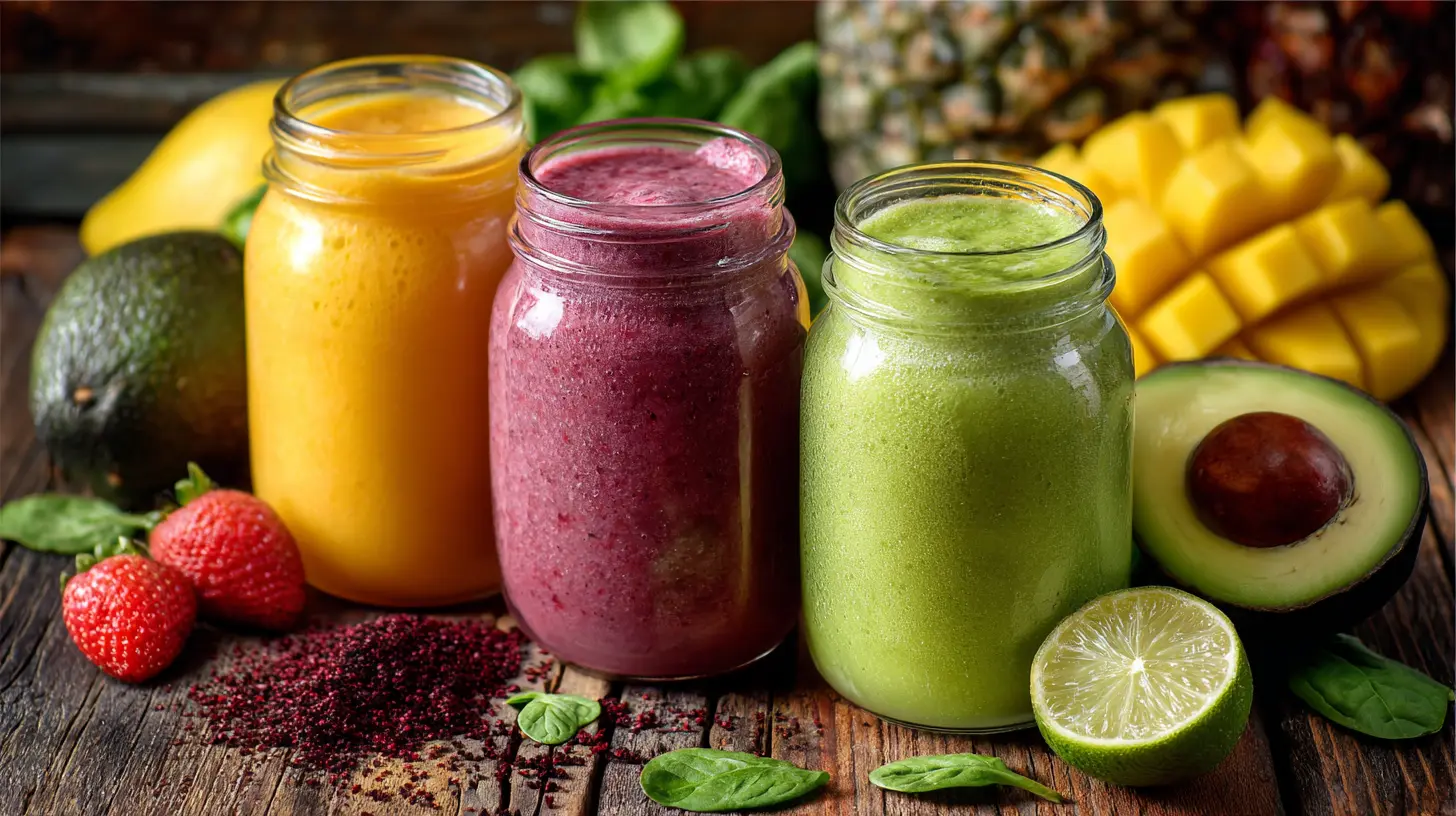
Vegetables That Actually Work in Smoothies
Spinach: The Entry-Level Green
Spinach is the most forgiving green for smoothies. Its flavor is mild, it blends to a smooth consistency, and it is rich in folate, iron, and vitamin K. The common concern is oxalates, which can bind to calcium and contribute to kidney stones in susceptible people. For most healthy people, spinach in a smoothie is not a problem, but if you have a history of calcium oxalate stones, rotating spinach with lower-oxalate greens is a sensible precaution.Spinach also contains vitamin K, which can interfere with blood-thinning medications like warfarin. People on these medications should keep their vitamin K intake consistent rather than eliminating spinach entirely. Consistency matters more than avoidance.
Kale: More Fiber, More Flavor
Kale is higher in fiber than spinach and has a more pronounced earthy, slightly bitter flavor. It holds up well in smoothies when paired with sweet fruit and a creamy base. Lacinato kale, also called dinosaur kale, is milder than curly kale and blends more smoothly. Removing the stems reduces bitterness and improves texture.Kale is a good choice if you want more fiber and a stronger nutritional profile, but it is less forgiving than spinach. A smoothie with too much kale and not enough sweetness tastes like a lawn. Start with a small handful and increase as your palate adjusts.
Cucumber: Hydration Without Sugar
Cucumber is mostly water, which makes it a useful way to thin a smoothie without adding juice or sugar. It has a neutral, slightly grassy flavor that disappears behind fruit. It also contains silica and other compounds that are sometimes promoted for skin health, though the evidence is thin. The practical value is texture and hydration.Cucumber pairs especially well with pineapple, mint, and lime for a smoothie that tastes clean and refreshing rather than sweet. It is a good choice for people who find most smoothies too heavy.
Zucchini: Creaminess Without Banana
Frozen zucchini is one of the best-kept secrets in smoothie making. When blended, it becomes creamy and neutral, similar to banana but with far less sugar and starch. It adds fiber, potassium, and water without dominating flavor. For people who want to reduce banana intake or who dislike the taste of banana, frozen zucchini is an excellent substitute.The key is to freeze it in chunks and to peel it if the skin is thick or bitter. Smaller, younger zucchini are milder. A half cup of frozen zucchini adds body to a smoothie without any noticeable vegetable taste.
Cauliflower: Surprisingly Neutral
Frozen cauliflower rice or small frozen florets blend into a creamy, neutral base that adds fiber and vitamin C without much flavor. It works well in smoothies with berries and yogurt, where its slight sulfurous note is masked. It is not the right choice for a fruit-only smoothie where subtle flavors matter, but in a mixed blend it disappears.Beet: Powerful but Polarizing
Beetroot adds deep color, earthy sweetness, and nitrates that the body converts to nitric oxide, which can support blood flow and exercise performance. The evidence for performance benefits is strongest for concentrated beet juice, not a smoothie with a quarter of a beet, but the nutritional value is real.The challenge is flavor. Raw beet is intensely earthy and can taste like dirt to people who are sensitive to it. Roasting beets before freezing softens the flavor and brings out sweetness. Pairing beet with tart fruit like raspberries or citrus helps balance it. Start with a small amount and see how your palate responds.
Carrot: Sweetness With Fiber
Carrots add natural sweetness, beta-carotene, and fiber. Raw carrots can be gritty in a smoothie unless your blender is powerful. Steaming or roasting them first, then freezing, solves the texture problem and improves flavor. Carrot pairs well with orange, ginger, and mango.Avocado: Fat That Changes Everything
Avocado is technically a fruit, but it functions like a vegetable in smoothies. It adds creaminess and monounsaturated fat, which slows digestion and helps absorb fat-soluble vitamins from other ingredients. A quarter of an avocado is usually enough. More than that makes the smoothie thick and heavy.Avocado is especially useful in smoothies that contain leafy greens, because the fat helps absorb the fat-soluble vitamins in the greens and improves mouthfeel. It also makes a smoothie more satiating, which is often the missing piece for people who find smoothies leave them hungry.
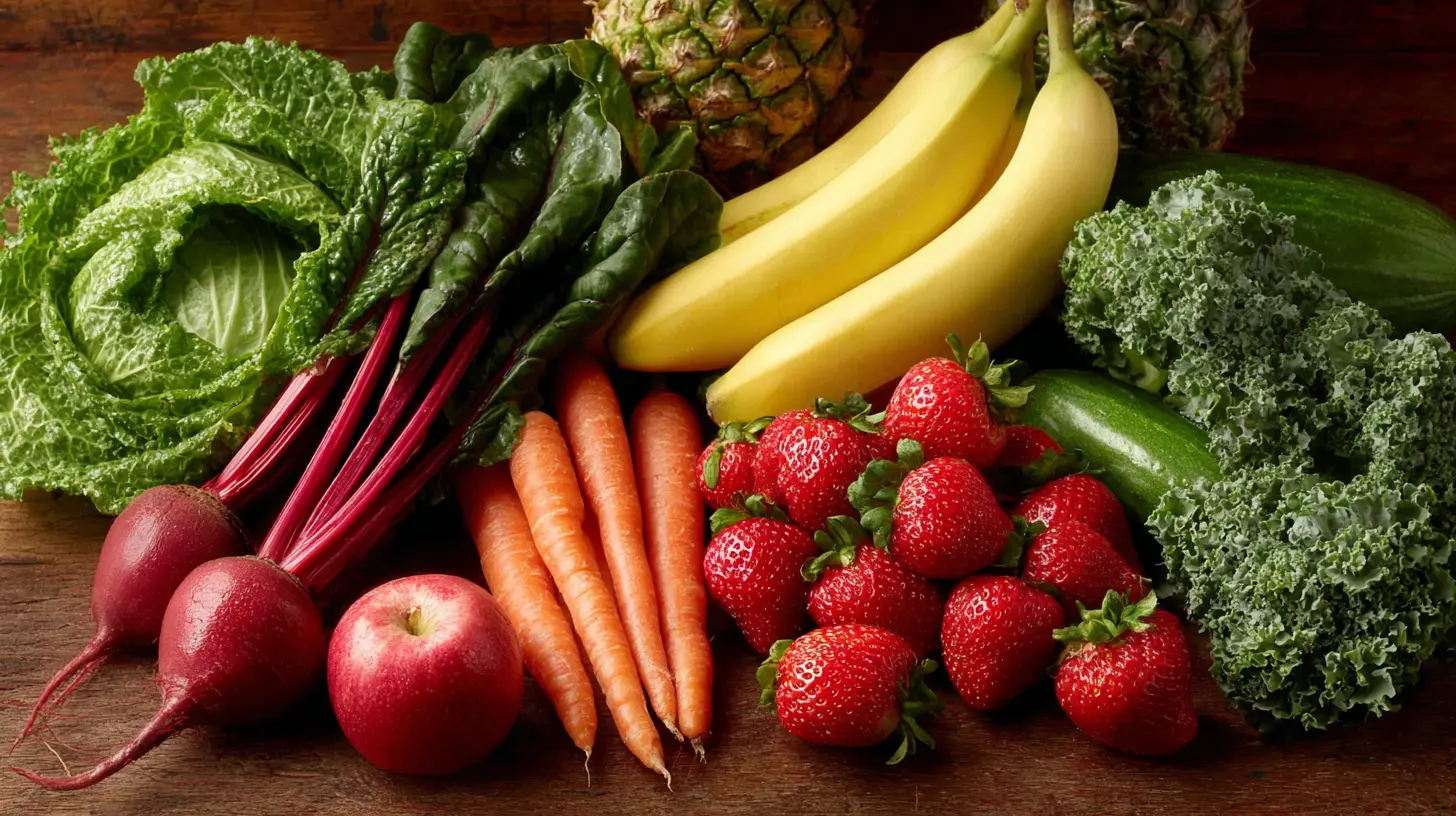
Building a Balanced Smoothie: The Framework
A smoothie that keeps you full and does not spike your blood sugar follows a simple structure:- A fiber-rich base: leafy greens, frozen zucchini, cauliflower, or berries
- A creamy element: banana, avocado, yogurt, or frozen cauliflower
- A flavor anchor: mango, pineapple, berries, or citrus
- A protein source: Greek yogurt, cottage cheese, protein powder, silken tofu, or a spoon of nut butter
- A liquid: water, milk, unsweetened plant milk, or coconut water
The ratios matter. A common mistake is using too much fruit and too little of everything else. If your smoothie is mostly fruit, it is essentially a fiber-containing dessert. That is not inherently bad, but it will not keep you full and it will deliver a larger sugar load than most people expect.
A practical starting point is one cup of liquid, one to two cups of produce total, and one serving of protein. Adjust from there based on whether you want a light snack or a full meal.
Common Mistakes and Misconceptions
Misconception: Green Smoothies Are Always Healthier
Adding spinach does not automatically make a smoothie healthy. A smoothie with spinach, a banana, a cup of mango, and apple juice is still high in sugar and moderate in fiber. The greens add nutrients, but they do not cancel out the sugar. Balance matters more than the presence of a green ingredient.Mistake: Using Juice as the Liquid
Juice adds sugar and removes fiber. Water, milk, or unsweetened plant milk are better defaults. If you want more flavor, use whole fruit instead of juice. Coconut water is a reasonable option if you want electrolytes, but it still contains sugar.Mistake: Overloading With Sweet Fruit
Most smoothie recipes online use far more fruit than necessary. A banana, a cup of mango, a cup of berries, and a date is a lot of sugar for one drink. Reducing fruit to one or two sources and increasing vegetables and protein produces a smoother blood sugar response and a more satisfying drink.Mistake: Ignoring Texture
A smoothie that is too thin is easy to drink too fast, which reduces satiety. A smoothie that is too thick is unpleasant. Frozen produce is the best tool for texture control because it chills and thickens without dilution. If your smoothie is too thick, add liquid in small increments. If it is too thin, add frozen produce or a spoon of chia seeds.Misconception: You Need a High-Powered Blender
A high-powered blender makes smoother smoothies with fibrous ingredients like kale stems and carrot, but it is not essential. A standard blender works fine if you chop ingredients smaller, use frozen produce, and add liquid gradually. The main difference is texture, not nutrition.
Practical Tips That Make a Real Difference
Freeze your produce in portions. Wash, chop, and freeze spinach, kale, zucchini, and cauliflower in individual bags. This reduces prep time and eliminates the excuse of not having fresh ingredients on hand.Use frozen produce instead of ice. Ice dilutes flavor and makes smoothies watery. Frozen fruit and vegetables chill and thicken at the same time.
Add fat-soluble vitamins with fat. If your smoothie contains spinach, kale, or carrot, include a small amount of avocado, nut butter, or full-fat yogurt. The fat helps your body absorb vitamins A, D, E, and K.
Rotate your greens. Spinach is high in oxalates, kale is high in fiber, and both contain vitamin K. Rotating among spinach, kale, and other greens like Swiss chard or collards reduces the risk of overloading on any single compound.
Taste before you sweeten. Many people add honey or dates out of habit. Taste the smoothie first. Ripe fruit and a pinch of salt often provide enough sweetness.
Consider timing. A smoothie with a lot of fruit is better around a workout when your muscles can use the sugar. A smoothie with more vegetables, protein, and fat is better as a meal replacement or afternoon snack.
When Smoothies Are Not the Right Choice
Smoothies are convenient, but they are not universally ideal. People with irritable bowel syndrome may find certain fruits and vegetables, especially those high in fermentable carbohydrates like mango, watermelon, and cauliflower, trigger symptoms. People with kidney stone history should be cautious with high-oxalate greens. People on blood thinners should keep vitamin K intake consistent. And anyone who tends to drink smoothies quickly may find they are less satiating than solid food, even with the same ingredients.For most people, smoothies are a useful tool for increasing produce intake, especially for those who struggle to eat enough vegetables. The key is to treat them as a meal or snack with a deliberate composition, not as a liquid dessert.
Final Thoughts
The best fruits and vegetables for smoothies are the ones that balance flavor, texture, fiber, and nutrition in a way that fits your goals. Berries, spinach, frozen zucchini, and avocado are reliable foundations. Mango, pineapple, and banana are useful flavor anchors in moderation. Beet, kale, and cauliflower are powerful but require more careful pairing. The real skill is in the ratios: enough fiber and protein to keep you full, enough flavor to keep you drinking it, and not so much sweet fruit that you undo the benefits.Start with a structure, adjust to your taste, and pay attention to how you feel an hour after drinking. That feedback will tell you more than any recipe.
all images in this post were generated using AI tools
Category:
Healthy SmoothiesAuthor:

Madeline Howard
Discussion
rate this article
1 comments
Daniella Lee
If you want to elevate your smoothies, stop overlooking the powerhouse fruits and veggies. Go bold with greens and berries, and don't shy away from unexpected flavors. Your taste buds will thank you!
October 24, 2026 at 4:48 AM