Creating a Sleep Sanctuary: Tips for a Restful Bedroom
31 August 2026
There is a special kind of misery that comes with staring at the ceiling at 2:47 AM, negotiating with yourself about whether a glass of water is worth the effort of getting up, while your brain decides to replay that embarrassing thing you said in 2014. You toss, you flip the pillow to the cold side, you kick a leg out from under the blanket to regulate your internal thermostat. And then you wonder: why is this room, the one you designed for rest, actively working against you?
The truth is, most bedrooms are not designed for sleep. They are designed for living, working, scrolling, folding laundry, and storing random boxes. But your brain is a creature of context. If it associates your bedroom with emails, arguments, and endless TikTok scrolling, it will not easily switch into sleep mode. The solution is not just buying a new mattress or taking melatonin. It is about transforming the entire environment into a dedicated sanctuary for rest.
This guide is not about perfection. It is about practical, evidence-informed changes that you can make this weekend to turn your bedroom from a chaotic multi-purpose room into a sleep haven. We will dig into the science of light, sound, temperature, and clutter, and we will address the common mistakes that sabotage even the best intentions.
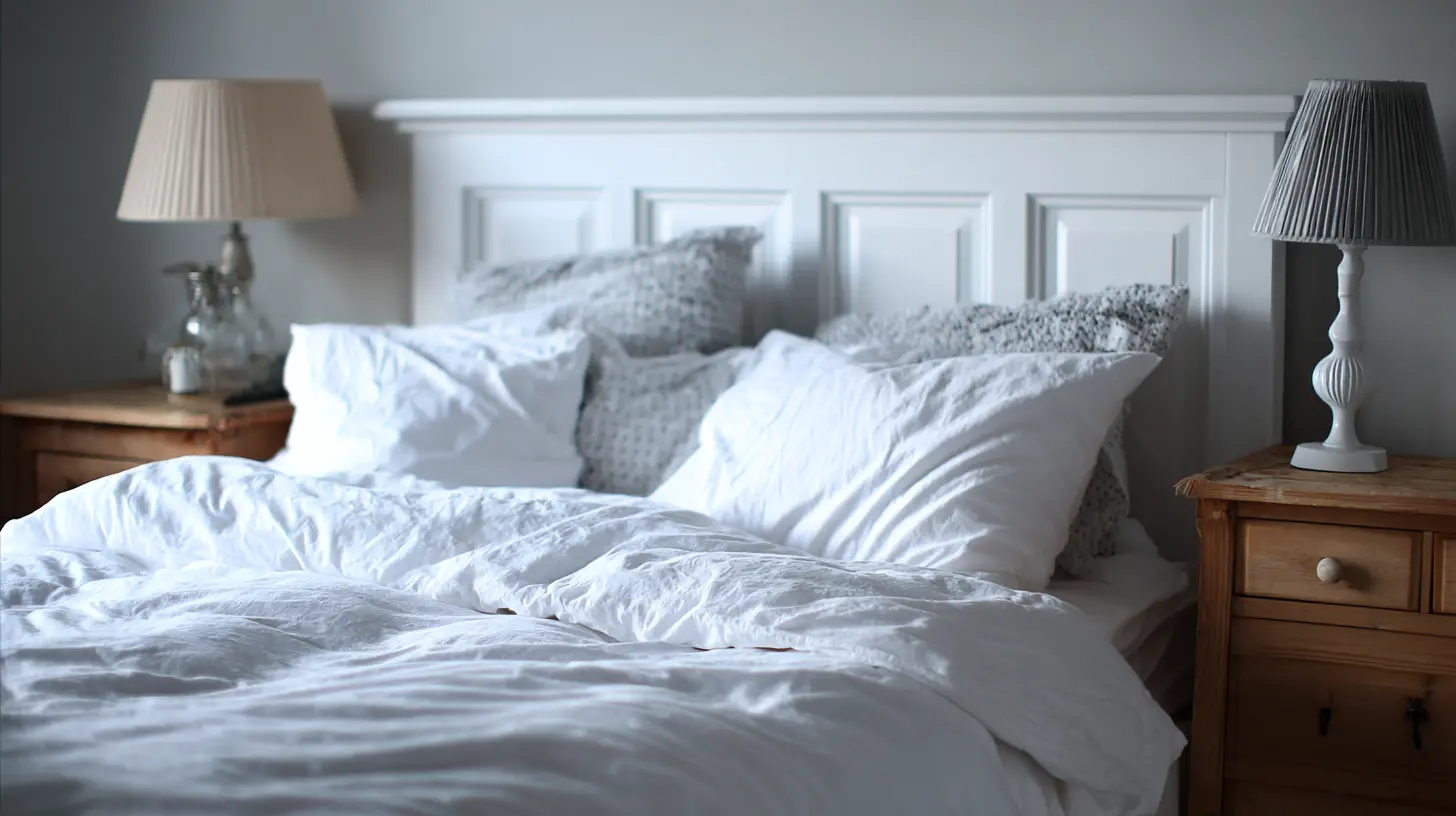
The Prime Directive: Your Bed is for Two Things Only
Let us start with the most powerful, and most violated, rule of sleep hygiene. Your bed should be associated with sleep and intimacy. That is it. Not work. Not eating. Not watching Netflix. Not scrolling through your phone.When you do other activities in bed, you train your brain to be alert in that environment. Your brain starts to associate the mattress with the stress of your inbox or the stimulation of a thriller series. Over time, this creates a conditioned arousal response. You get into bed, and instead of feeling drowsy, you feel wide awake because your brain is expecting activity.
This is not just a suggestion. It is the foundation of the stimulus control therapy used by sleep specialists to treat chronic insomnia. The protocol is simple but requires discipline. If you cannot fall asleep within about 20 minutes, you should get out of bed, go to a dimly lit room, and do something boring until you feel sleepy. Then return to bed. This breaks the cycle of frustration and re-teaches your brain that the bed is for sleeping.
The practical takeaway: if you must work from home, do not do it from your bed. If you want to watch a movie, sit in a chair, not under the covers. Your bed is a sacred space. Treat it that way.
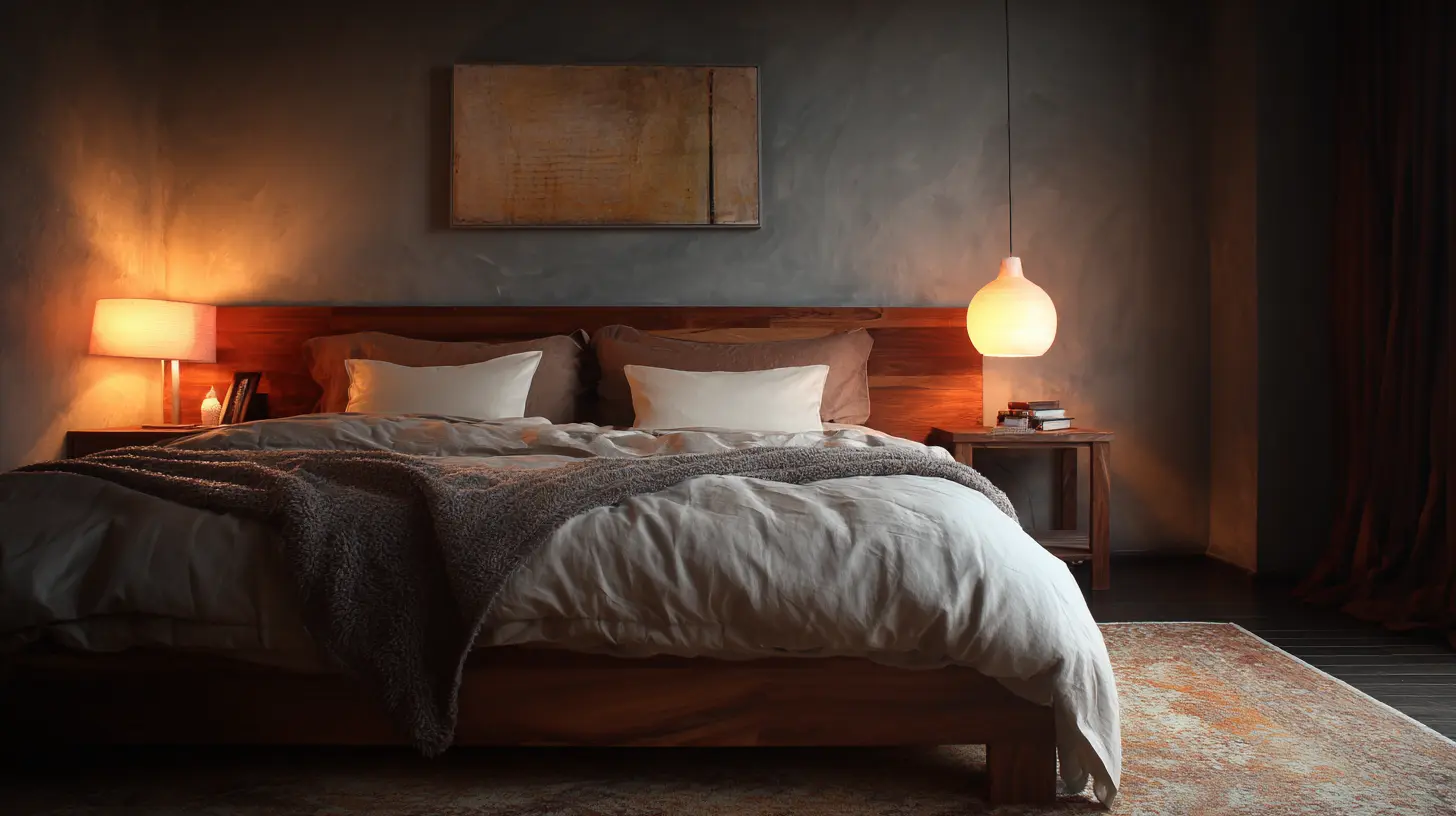
The Temperature Tango: Why Cooler is Better
You might think that a warm, cozy room is the key to a good night's sleep. You would be wrong. The body's core temperature naturally drops in the evening as part of the circadian rhythm that prepares you for sleep. Your body needs to shed heat to initiate and maintain deep sleep. A room that is too warm interferes with this process, leading to restless nights and frequent awakenings.The ideal bedroom temperature for most people is between 60 and 67 degrees Fahrenheit (15.5 to 19.4 degrees Celsius). This is not a hard rule, but it is a strong starting point. If you run hot, you might prefer the lower end. If you run cold, you might prefer the higher end.
The key is to make your room cooler than the rest of your house. Here is where the trade-off comes in. Cranking the AC all night can be expensive and environmentally unfriendly. A better approach is to use a programmable thermostat that lowers the temperature about an hour before bed and raises it slightly before you wake up. Alternatively, use a ceiling fan or a dedicated floor fan to create airflow. The movement of air helps evaporate moisture from your skin, which feels cooling even if the ambient temperature is not that low.
Do not forget about your feet. If you have poor circulation, cold feet can actually keep you awake. This is a common paradox. The room is cool, your core is hot, but your feet are freezing. The solution is not to raise the room temperature. Instead, wear socks to bed. This dilates blood vessels in the feet, which actually helps redistribute heat and lower your core temperature. It sounds counterintuitive, but it works.
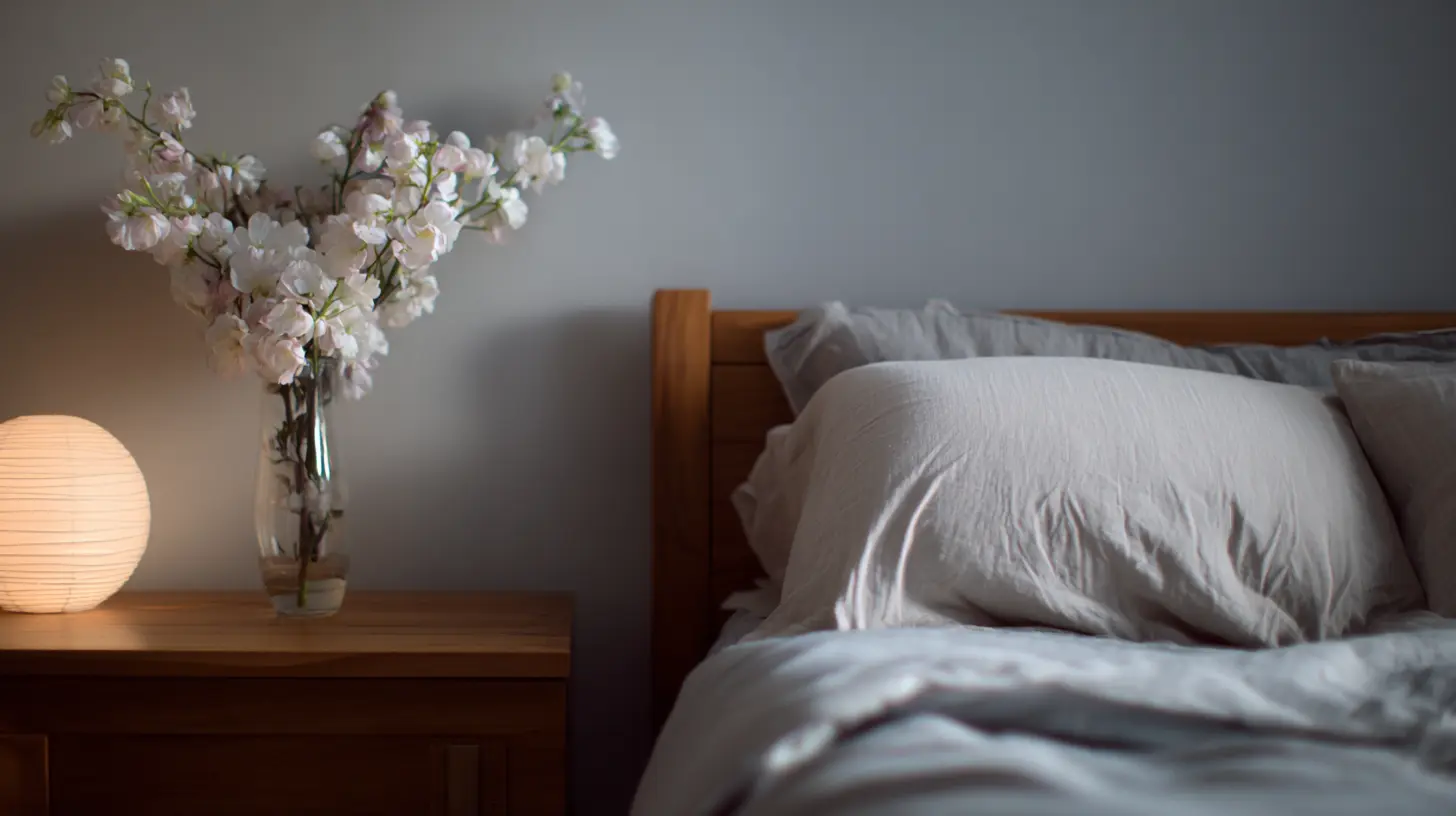
The Darkness Protocol: Blackout is Not Just for Vampires
Melatonin is the hormone that signals your body to prepare for sleep. It is produced by the pineal gland in response to darkness. The problem is that our modern world is filled with light pollution, both from streetlights outside and from the glowing screens inside our bedrooms.Even a small amount of light can suppress melatonin production. A study published in the Journal of Clinical Endocrinology and Metabolism found that exposure to room light during the evening suppressed melatonin by about 50 percent compared to dim light. This suppression can delay sleep onset and reduce sleep quality.
The fix is to make your room as dark as possible. This is where you need to be thorough. Start with blackout curtains or blinds. These are not the same as regular curtains. They have a special lining that blocks external light completely. They are especially important if you live in a city or near a streetlight.
Next, identify all the little lights in your room. The LED indicator on your TV, the charger light on your phone, the clock display, the standby light on your laptop. These are all sources of light pollution. Cover them with electrical tape or a small piece of cardboard. It looks a bit odd, but your sleep will thank you.
Here is a common mistake: people buy a sleep mask and think they are done. A sleep mask is a useful backup, but it is not a substitute for a dark room. Masks can shift during the night, and they can be uncomfortable for side sleepers. A truly dark room means you do not need a mask.
One more thing: the color of light matters. Red light is the least disruptive to melatonin production. Blue light is the most disruptive. So if you need a nightlight for safety, choose one that emits a dim red or amber glow. Avoid white or blue LEDs.
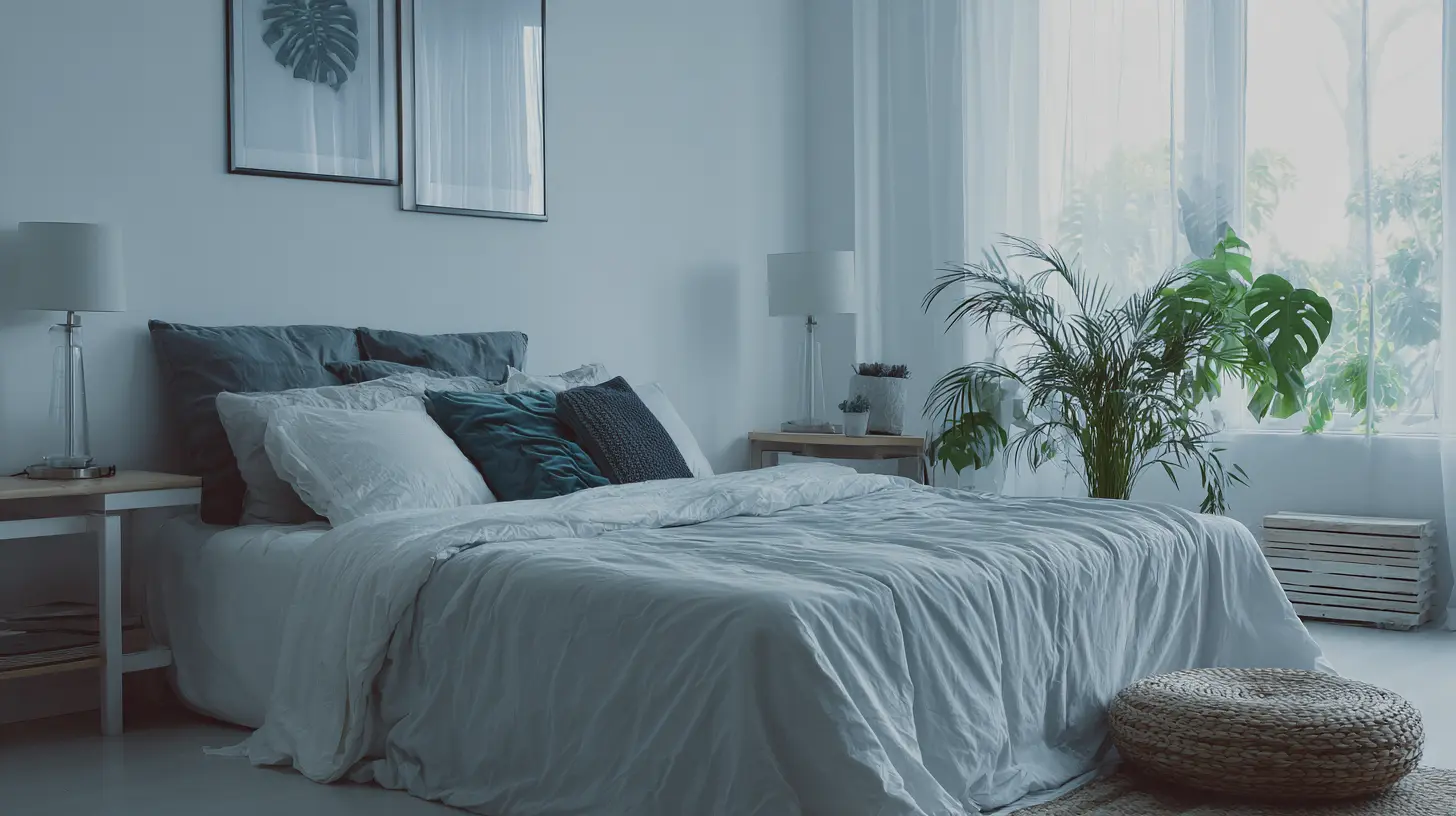
The Soundscape: Silence is Golden, But Not Always
Sound is a double-edged sword. A completely silent room can be unsettling for some people, because the brain interprets silence as a potential threat and may become hyper-vigilant. On the other hand, unexpected noises like a car horn or a dog barking can jolt you from deep sleep.The goal is to create a consistent background sound that masks disruptive noises. This is called sound masking. The most effective tool for this is a white noise machine, but not all white noise is created equal. True white noise is a hissing sound like static. Pink noise is deeper and more like rainfall or ocean waves. Brown noise is even deeper, like a low rumble.
Which is best? It depends on your preference. Some research suggests that pink noise may be better for improving deep sleep, but the evidence is not conclusive. The most important factor is that you find the sound pleasant and consistent. If you hate the sound of rain, do not force yourself to listen to it all night.
A fan is a classic solution that works well for many people. It provides both white noise and cooling airflow. The downside is that fans can be noisy in a mechanical way, and some people find the constant hum irritating.
For those who prefer silence, earplugs are an option. But they come with a trade-off. They can be uncomfortable, and they block all sound, including the sound of a baby crying or an alarm clock. If you use earplugs, make sure your alarm is loud enough to wake you, or use a vibrating alarm on your wrist.
The best approach is to combine strategies. Use a white noise machine to mask unpredictable sounds, and address the source of the noise if possible. If your neighbor has a barking dog, that is a problem you cannot fix with a machine. But you can make the sound less intrusive.
The Clutter Factor: Your Brain on Chaos
Visual clutter is a form of mental stimulation. When you walk into a room and see piles of clothes, stacks of papers, and miscellaneous objects, your brain processes this information even if you are not consciously aware of it. This processing keeps your mind active and can make it harder to relax.There is a reason why the concept of "out of sight, out of mind" exists. A cluttered room creates a cluttered mind. This is not just a philosophical idea. Research has shown that visual clutter can increase stress and reduce the ability to focus.
You do not need to become a minimalist or throw away all your possessions. You just need to reduce the visual noise in your bedroom. The goal is to create a space that feels calm and uncluttered.
Start with the surfaces. Clear your nightstand. It should have a small lamp, maybe a book, and a glass of water. Nothing else. If you need to charge your phone, put it on a dresser across the room, not on the nightstand. This also removes the temptation to check it in the middle of the night.
Next, tackle the floor. Clothes on the floor are a major source of visual clutter. If you are prone to tossing clothes on a chair, invest in a proper hamper with a lid. Out of sight, out of mind.
Finally, consider the color palette of your room. Calming colors like soft blues, greens, and earth tones are associated with relaxation. Bright, saturated colors like red and orange are stimulating. You do not need to repaint your entire room, but you can add calming accents through bedding, curtains, or wall art.
The Mattress and Pillow Conundrum
You cannot create a sleep sanctuary if your mattress is lumpy and your pillow is flat. These are the physical foundations of your sleep. But here is the problem: there is no single best mattress or pillow. The right choice depends on your sleeping position, body weight, and personal preference.For side sleepers, a medium to medium-soft mattress is often better because it allows the shoulders and hips to sink in slightly, maintaining a straight spine. You also need a pillow that fills the gap between your ear and shoulder. A pillow that is too high will strain your neck. A pillow that is too low will cause your head to tilt downward.
For back sleepers, a medium-firm mattress is often recommended to support the natural curve of the lower back. You need a thinner pillow to keep your head in a neutral position.
For stomach sleepers, a firm mattress is usually best to prevent the hips from sinking too deep. You need a very thin pillow, or no pillow at all, to avoid straining your neck.
The trade-off is that what feels good in the store may not feel good after three hours of sleep. Many mattress companies offer sleep trials, typically 90 to 120 nights. Use this trial period seriously. Sleep on the mattress for at least a few weeks before making a judgment. Your body needs time to adapt to a new surface.
Pillows are even more personal. There are memory foam, latex, down, and synthetic fills. Each has pros and cons. Memory foam conforms to your shape but can sleep hot. Latex is bouncy and cool but more expensive. Down is soft and luxurious but loses support over time and is not great for allergy sufferers. Synthetic fills are affordable and hypoallergenic but may not last as long.
The key is to replace your pillow every 1 to 2 years and your mattress every 7 to 10 years. If you wake up with a stiff neck, a sore back, or a feeling that you did not sleep well, it might be time for a change.
The Screen Problem: Blue Light and the Brain
This is the most common mistake in modern sleep hygiene. You get into bed, you scroll through your phone for 20 minutes, and then you wonder why you cannot fall asleep. The problem is not just the blue light. It is also the content.Blue light suppresses melatonin production, making it harder to fall asleep. But the content of your screen is also stimulating. Reading a stressful news article or an intense social media thread keeps your brain in a state of alertness. Even a funny video can be stimulating, because it activates your emotional and cognitive centers.
The ideal solution is to avoid screens for at least an hour before bed. This is easier said than done. If you must use your phone, use the night mode or blue light filter feature. This changes the color temperature of the screen to a warmer hue, which is less disruptive. But it is not a complete solution. The filter reduces blue light, but it does not eliminate it.
A better alternative is to replace screen time with a relaxing activity. Read a physical book. Do some gentle stretching. Write in a journal. Meditate. Listen to a calm podcast or audiobook. The goal is to wind down, not to wind up.
If you need to use your phone as an alarm, put it in airplane mode and place it across the room. This prevents you from checking it in the middle of the night and also prevents the temptation of morning scrolling before you even get out of bed.
The Aroma of Rest: Scent and Sleep
Scent is a powerful but often overlooked tool for creating a sleep sanctuary. The olfactory system has a direct connection to the limbic system, the part of the brain that processes emotions and memories. This is why a certain smell can instantly transport you back to a memory.Lavender is the most well-studied scent for sleep. Research has shown that lavender can increase slow-wave sleep and improve sleep quality. It is not a sedative, but it has a calming effect that can help you relax.
Other scents that may help include chamomile, sandalwood, and bergamot. The key is to use a scent that you find pleasant and relaxing. If you hate lavender, it will not help you sleep, no matter what the research says.
How you use the scent matters. A diffuser with essential oils is a popular choice. But be careful with dosage. Too much scent can be overwhelming and actually keep you awake. Start with a small amount and see how you feel.
Alternatively, you can use a linen spray on your pillows and sheets. This is a low-effort, high-reward approach. Just a few spritzes before bed can create a calming atmosphere.
One caution: if you have pets, be careful with essential oils. Some oils, like tea tree and eucalyptus, are toxic to cats and dogs. Always check the safety of any essential oil before using it in a room where your pets sleep.
The Ritual of Wind-Down
Your bedroom is not just a physical space. It is also a psychological one. To make it a sanctuary, you need to create a consistent routine that signals to your body that it is time to sleep.This is called a wind-down ritual. It is a series of activities that you do in the same order every night, about 30 to 60 minutes before bed. The consistency is key. Your brain learns to associate these activities with sleep.
A good wind-down ritual might look like this:
1. Dim the lights in your bedroom and hallway.
2. Turn off all screens.
3. Change into comfortable sleepwear.
4. Do a few gentle stretches or a simple breathing exercise.
5. Read a few pages of a physical book.
6. Write down any lingering thoughts or worries in a journal.
7. Use the bathroom and brush your teeth.
8. Get into bed.
The exact activities do not matter as much as the consistency. What matters is that you are calming your mind and body, not stimulating them.
One common mistake is to use the wind-down time to solve problems. Do not do that. If you have a worry, write it down and tell yourself you will deal with it tomorrow. This is called thought dumping. It is a way to offload mental burdens so they do not keep you awake.
The Misconception of "Catching Up" on Sleep
Many people believe that they can function on five hours of sleep during the week and then catch up on the weekend with twelve hours. This is a misconception. Sleep is not like a bank account where you can deposit and withdraw at will. It is a biological process that affects every system in your body.Chronic sleep deprivation has been linked to a host of health problems, including obesity, diabetes, cardiovascular disease, and cognitive impairment. The idea of catching up is appealing, but it does not fully reverse the damage.
The better approach is to prioritize sleep every night. This means setting a consistent bedtime and wake time, even on weekends. The consistency reinforces your body's natural circadian rhythm, making it easier to fall asleep and wake up.
This is one of the hardest habits to maintain, especially for social people. But the payoff is worth it. A consistent sleep schedule is one of the most effective things you can do for your overall health.
The Final Word: Patience and Adaptation
Creating a sleep sanctuary is not a one-time project. It is an ongoing process of tuning and adjustment. What works for you in the summer may not work in the winter. What works at age 30 may not work at age 50.The key is to approach this with patience. Do not try to change everything at once. Pick one or two changes and stick with them for a week. See how you feel. Then make another change.
If you have tried all of these tips and you still have trouble sleeping, it is time to talk to a healthcare professional. Insomnia can be a symptom of underlying issues like anxiety, depression, or sleep apnea. A doctor can help you identify the root cause and recommend appropriate treatment.
Your bedroom is more than just a place to sleep. It is a reflection of your priorities. If you prioritize rest, your room will reflect that. And when you prioritize rest, you are not just investing in better sleep. You are investing in better waking hours, better mood, better focus, and better health.
So dim the lights, lower the temperature, clear the clutter, and give your bed the respect it deserves. Your future self, waking up refreshed and ready to face the day, will thank you.
all images in this post were generated using AI tools
Category:
Sleep HygieneAuthor:

Madeline Howard
Discussion
rate this article
1 comments
Zedric Peterson
Transforming your bedroom into a sleep sanctuary sounds like a dream come true. Just imagine cozy blankets, calming scents, and the perfect pillow. With these tips, you'll be snoozing like royalty in no time. Sweet dreams really do start at home... so let the magic begin!
September 4, 2026 at 4:46 AM
Madeline Howard
Thanks for the lovely thoughts! A sleep sanctuary truly makes all the difference. Happy dreaming!