The Art of Letting Go: Using Mindfulness to Release Stress
22 January 2026
Stress—it's that unwelcome guest that sneaks into our lives, overstays its welcome, and leaves us feeling drained and overwhelmed. Whether it's work deadlines, relationship struggles, or simply the chaos of daily life, stress has a way of creeping in and taking over.
But what if I told you that you don’t have to hold onto it? That there’s an art to letting go, and mindfulness is the key?
Mindfulness isn't just a trendy buzzword—it’s a powerful tool that can help you release stress, ease anxiety, and embrace inner peace. So, let’s dive deep into how mindfulness can help you let go and create space for a calmer, more balanced life. 
Why Letting Go Matters
Holding onto stress is like carrying a heavy backpack filled with bricks. The longer you carry it, the heavier it feels. Eventually, it weighs you down, affecting your mental and physical health.Studies show that chronic stress can lead to a variety of health issues, including high blood pressure, weakened immunity, and even heart disease. Emotionally, it can contribute to anxiety, depression, and burnout.
Letting go isn't about ignoring problems or pretending everything is fine. It’s about accepting what we can’t control and making room for peace. And that’s where mindfulness comes in. 
What Is Mindfulness?
Mindfulness is all about being present. It’s the practice of paying attention—to your thoughts, emotions, and surroundings—without judgment.Instead of getting lost in regrets about the past or worries about the future, mindfulness helps you stay anchored in the present moment. And when you're truly present, stress loses its grip on you.
Simply put, mindfulness allows you to hit the pause button on life’s chaos and reset your mind. 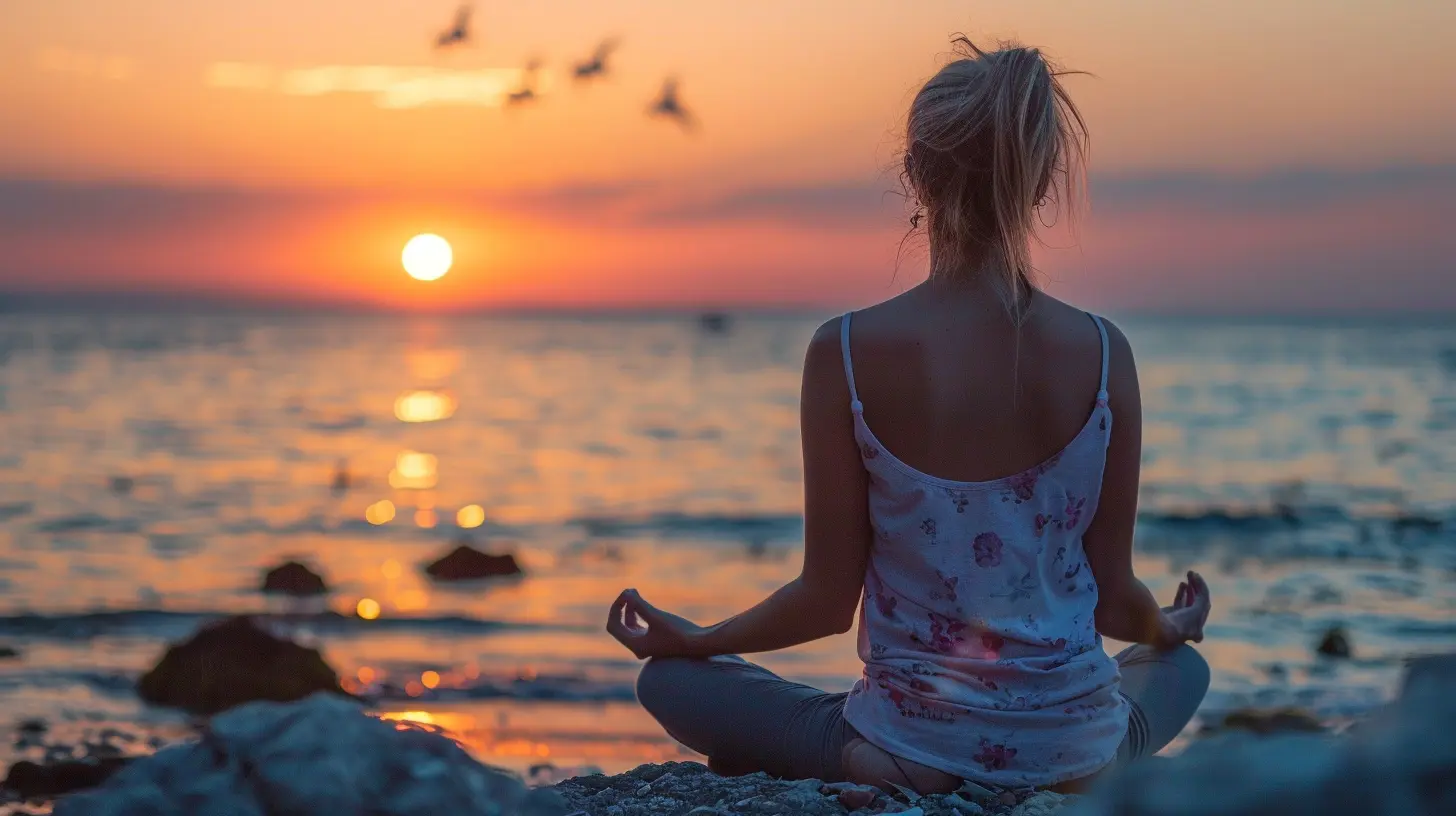
The Connection Between Mindfulness and Letting Go
Letting go doesn’t happen overnight. It’s a practice, just like mindfulness. When you practice mindfulness, you become more aware of your thoughts and emotions. You start to recognize negative patterns, and over time, you learn to release what no longer serves you.Think of your mind like a river. Thoughts and emotions flow through it. Mindfulness teaches you to observe them, instead of clinging to them. You don’t have to hold onto every stressful thought—just let it drift away, like a leaf floating downstream. 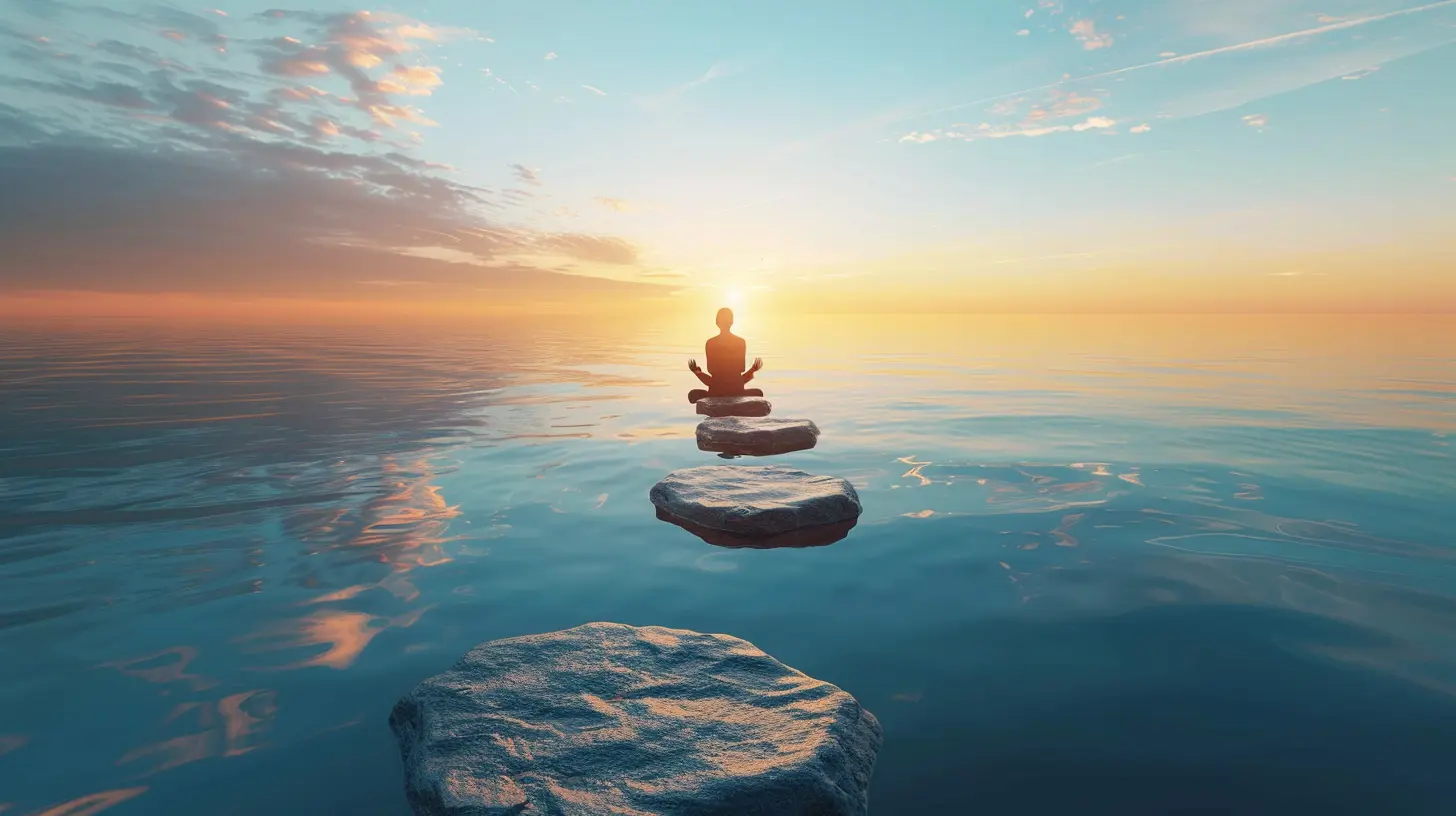
Practical Mindfulness Techniques to Release Stress
So, how exactly do you practice mindfulness to let go of stress? Here are some simple, yet powerful, techniques:1. Mindful Breathing
Breathing is something we do automatically, but how often do we truly pay attention to it? Mindful breathing is one of the easiest and most effective ways to calm your mind and body.Try this:
- Find a quiet place and sit comfortably.- Close your eyes and take a deep breath in through your nose. Hold for a second.
- Slowly exhale through your mouth.
- Focus on the sensation of your breath moving in and out.
- If your mind starts to wander, gently bring your focus back to your breath.
Even just five minutes of mindful breathing can help you feel more centered and at peace.
2. Body Scan Meditation
Stress often manifests physically—tight shoulders, a clenched jaw, or a knot in your stomach. A body scan meditation helps you tune into these sensations and release tension.Try this:
- Lie down or sit comfortably.- Close your eyes and take a few deep breaths.
- Start at the top of your head and slowly scan down your body, noticing any areas of tension.
- As you notice tension, imagine it melting away with each exhale.
This practice brings awareness to your body and helps you physically let go of stress.
3. Journaling Your Thoughts
Writing can be incredibly therapeutic. Sometimes, the simple act of putting thoughts on paper helps you release them.Try this:
- Write down whatever is weighing on your mind—without worrying about grammar or structure.- Ask yourself: Is this something I can control? If not, how can I shift my focus?
- Once you've written it all out, take a deep breath and let it go.
Seeing your thoughts on paper can provide clarity and make it easier to release what’s no longer serving you.
4. Practicing Gratitude
It’s easy to focus on what’s going wrong, but shifting your attention to what’s going right can change everything. Gratitude is a powerful antidote to stress and negativity.Try this:
- Each morning or before bed, list three things you’re thankful for.- They don’t have to be big—sometimes, the little things matter most (like a warm cup of coffee or a kind smile from a stranger).
Redirecting your focus to gratitude creates a sense of peace and contentment, making it easier to let go of stress.
5. Letting Go Through Visualization
Sometimes, a visual cue helps us release emotional baggage. Visualization is a great way to symbolically let go of stress.Try this:
- Close your eyes and imagine holding a balloon.- Picture your worries, fears, and stress written all over it.
- Now, imagine releasing the balloon and watching it float away.
- As it disappears into the sky, feel the weight lift off your shoulders.
This simple exercise can help you mentally detach from stress and create a sense of emotional freedom.
Embracing the Present Moment
Letting go isn’t about never feeling stress again—it’s about responding to it differently. When we practice mindfulness, we stop reacting out of habit and start responding with awareness.Instead of getting caught up in negative thoughts, we recognize them, acknowledge them, and choose to let them go. Over time, this becomes second nature, and stress no longer controls us.
Mindfulness teaches us that peace isn’t found in the absence of chaos, but in how we engage with life’s ups and downs.
Final Thoughts
The art of letting go is just that—an art. It takes practice, patience, and a willingness to embrace the present moment. Mindfulness isn't about escaping reality, but about facing it with a newfound sense of calm and clarity.So, take a deep breath. Let go of what no longer serves you. And remember, the only moment you truly have is this one—make it count.
all images in this post were generated using AI tools
Category:
MindfulnessAuthor:

Madeline Howard
Discussion
rate this article
2 comments
Winter McAleer
Mindfulness is a powerful tool for stress relief. By embracing the art of letting go, individuals can cultivate a greater sense of peace and resilience, improving overall well-being and mental clarity in daily life.
February 17, 2026 at 5:02 PM
Madeline Howard
Thank you for your insightful comment! I completely agree—mindfulness truly enhances our ability to let go and fosters resilience and peace in our lives.
Spike King
This article beautifully highlights the power of mindfulness in stress relief. Embracing letting go can truly transform your well-being. Great read!
January 28, 2026 at 4:33 AM
Madeline Howard
Thank you for your kind words! I'm glad you found the article helpful in exploring mindfulness and letting go.