Top Habits for Maintaining Healthy Hormone Levels
21 February 2026
Hormones are the body's chemical messengers, regulating everything from metabolism and mood to reproductive health and energy levels. When your hormones are in balance, you feel great. But when they’re out of whack? Fatigue, weight gain, mood swings, and other frustrating symptoms can take over.
The good news? You can naturally support hormone balance with simple lifestyle habits. In this article, we’ll cover the top habits that help keep your hormones in check so you can feel your best every day.

1. Prioritize Quality Sleep
Ever notice how sluggish and irritable you feel after a bad night’s sleep? That’s your hormones talking. Sleep plays a major role in regulating cortisol (the stress hormone), insulin (which controls blood sugar), and even reproductive hormones like estrogen and testosterone.How to Improve Sleep for Better Hormone Balance:
- Stick to a consistent sleep schedule—even on weekends.- Create a relaxing bedtime routine (think reading, dim lighting, or meditation).
- Avoid screens at least an hour before bed—blue light messes with melatonin production.
- Keep your bedroom cool, dark, and quiet for optimal rest.
Getting 7-9 hours of quality shut-eye each night gives your body time to repair, reset, and keep hormones in harmony.

2. Manage Stress (Because Cortisol Can Wreak Havoc)
Stress isn’t just a mental burden—it throws your hormones into chaos. When you're constantly stressed, your body pumps out cortisol, which can lead to weight gain, anxiety, and even hormone imbalances like estrogen dominance or testosterone deficiency.Ways to Keep Stress in Check:
- Practice deep breathing or meditation daily.- Exercise regularly, but don’t overdo it—too much intense exercise can spike cortisol.
- Laugh more! Seriously, laughter reduces stress hormones and lifts your mood.
- Set boundaries—say no to things that drain your energy.
Lowering chronic stress means lower cortisol, which helps regulate the rest of your hormonal system.
3. Eat a Nutrient-Rich Diet
You can’t out-supplement a bad diet. Your food choices directly affect hormone production, so eating the right nutrients is key.Hormone-Friendly Foods to Focus On:
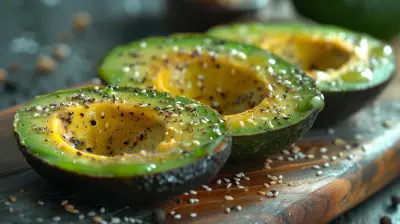
- Healthy fats (avocados, nuts, olive oil, coconut oil) – support hormone production.- Protein (eggs, fish, chicken, tofu) – balances blood sugar and aids muscle repair.
- Fiber-rich foods (leafy greens, whole grains, legumes) – help flush out excess estrogen.
- Fermented foods (yogurt, kimchi, sauerkraut) – support gut health, which is directly linked to hormone balance.
Also, avoid processed foods, excess sugar, and inflammatory seed oils—they can spike insulin levels, trigger inflammation, and throw hormones off balance.

4. Maintain Blood Sugar Stability
Blood sugar spikes and crashes don’t just affect energy levels—they mess with your hormones, too. When insulin is constantly elevated due to a diet high in refined carbs and sugar, it can lead to insulin resistance, which is linked to hormonal disorders like PCOS.Tips to Keep Blood Sugar Stable:
- Pair carbs with protein or healthy fats to slow glucose absorption.- Eat balanced meals at regular intervals—don’t skip meals and binge later.
- Cut back on processed sugar and opt for natural sources like fruit.
- Stay hydrated—dehydration can cause blood sugar fluctuations.
By keeping blood sugar stable, you’ll prevent energy crashes and help regulate key hormones like insulin and cortisol.
5. Get Moving, but Find a Balance
Exercise is fantastic for hormone regulation, but overdoing it can have the opposite effect—especially with high-intensity workouts that spike cortisol.Best Exercises for Hormone Balance:
- Strength training – boosts testosterone and growth hormone.- Walking & yoga – reduce cortisol and improve insulin sensitivity.
- HIIT (in moderation) – helps with fat loss and metabolic health.
The key is consistency. Move your body daily, but listen to it—if you're feeling exhausted instead of energized, it's a sign to slow down.
6. Support Gut Health
Your gut and hormones are closely connected. An unhealthy gut can lead to hormone imbalances, inflammation, and even mood issues like anxiety and depression.How to Improve Gut Health for Better Hormones:
- Eat plenty of fiber (fruits, veggies, whole grains).- Include probiotic-rich foods (yogurt, kefir, kimchi) to boost healthy gut bacteria.
- Minimize processed foods and artificial sweeteners—they disrupt gut flora.
- Stay hydrated to support digestion and nutrient absorption.
A happy gut means better hormone regulation, improved digestion, and even clearer skin.
7. Avoid Endocrine Disruptors
Hormone-disrupting chemicals (also known as endocrine disruptors) lurk in everyday products—plastics, personal care items, and even household cleaners. These chemicals mimic hormones and can throw your natural balance out of sync.Simple Ways to Reduce Exposure:
- Use glass or stainless steel instead of plastic for food storage.- Choose natural, fragrance-free personal care products.
- Switch to non-toxic household cleaners.
- Filter your tap water to remove contaminants.
Small swaps can make a big difference in reducing your exposure to hormone-harming chemicals.
8. Stay Hydrated
Water plays a crucial role in hormone transportation and detoxification. Dehydration can impact cortisol levels, digestion, and even thyroid function.Hydration Tips for Hormonal Health:
- Aim for at least 8 cups of water a day (more if you're active).- Avoid sugary drinks—they spike blood sugar and stress your hormones.
- Add lemon or herbal teas for a natural flavor boost without additives.
Proper hydration supports metabolism, energy levels, and detox pathways—all essential for hormone health.
9. Ensure You’re Getting Enough Essential Nutrients
Certain vitamins and minerals play a huge role in hormone production and regulation. Deficiencies can lead to imbalances, so making sure you’re getting enough is crucial.Key Nutrients for Hormonal Health:
- Magnesium – helps regulate cortisol and improve sleep.- Vitamin D – essential for reproductive hormone balance.
- Zinc – supports testosterone production and immune function.
- Omega-3s – reduce inflammation and support brain and hormonal health.
If you struggle to get these through diet alone, a high-quality supplement might be worth considering.
10. Prioritize Self-Care and Downtime
We live in a fast-paced world, and constantly being "on" can strain your hormonal system. Taking time for yourself isn’t a luxury—it’s a necessity.Simple Ways to Prioritize Self-Care:
- Unplug from technology for an hour each day.- Spend time outdoors—fresh air and sunlight boost mood-regulating hormones.
- Do something you love daily, whether it’s reading, gardening, or painting.
- Practice gratitude—it can help lower cortisol and improve emotional balance.
A little self-care goes a long way in keeping your hormones happy and your mind at ease.
Final Thoughts
Your hormones influence how you feel, look, and function every day. The right habits—like getting quality sleep, managing stress, eating well, and avoiding toxins—can keep your hormones balanced naturally.The best part? These changes don’t just improve hormone health—they enhance overall well-being, boosting energy, mood, and vitality. So start small, stay consistent, and listen to your body—it knows what it needs.
all images in this post were generated using AI tools
Category:
Healthy HormonesAuthor:

Madeline Howard
Discussion
rate this article
2 comments
Pamela Sweeney
Great tips! It's amazing how simple habits can make such a difference in our hormone health. Excited to try some of these out and keep my balance in check!
March 10, 2026 at 4:42 PM
Madeline Howard
Thank you! I'm glad you found the tips helpful. Wishing you success on your journey to balanced hormone health!
Pilar McAdams
Loved this article! It's refreshing to see simple, actionable tips for balancing hormones. Incorporating these habits into daily life feels achievable, and I can't wait to start implementing them. Thank you for the helpful insights!
February 21, 2026 at 3:22 AM
Madeline Howard
Thank you so much for your kind words! I'm glad you found the tips helpful and achievable. Best of luck incorporating them into your daily routine!