Supplements for Speed: Do They Really Help?
19 June 2026
Let’s be honest—we all wish we could turn into human rockets sometimes. Whether you're chasing a personal best on the track, trying to shave off seconds on your cycling time, or just want to run after your kid without gasping for air, we've all wondered if there's a magic pill to get us faster. That’s where supplements for speed come in. But here’s the question that’s probably been burning in your mind: Do they actually work?
Let’s dive into the world of speed supplements, unpack what’s hype and what’s backed by real science, and figure out whether they’re worth your time, energy, and money.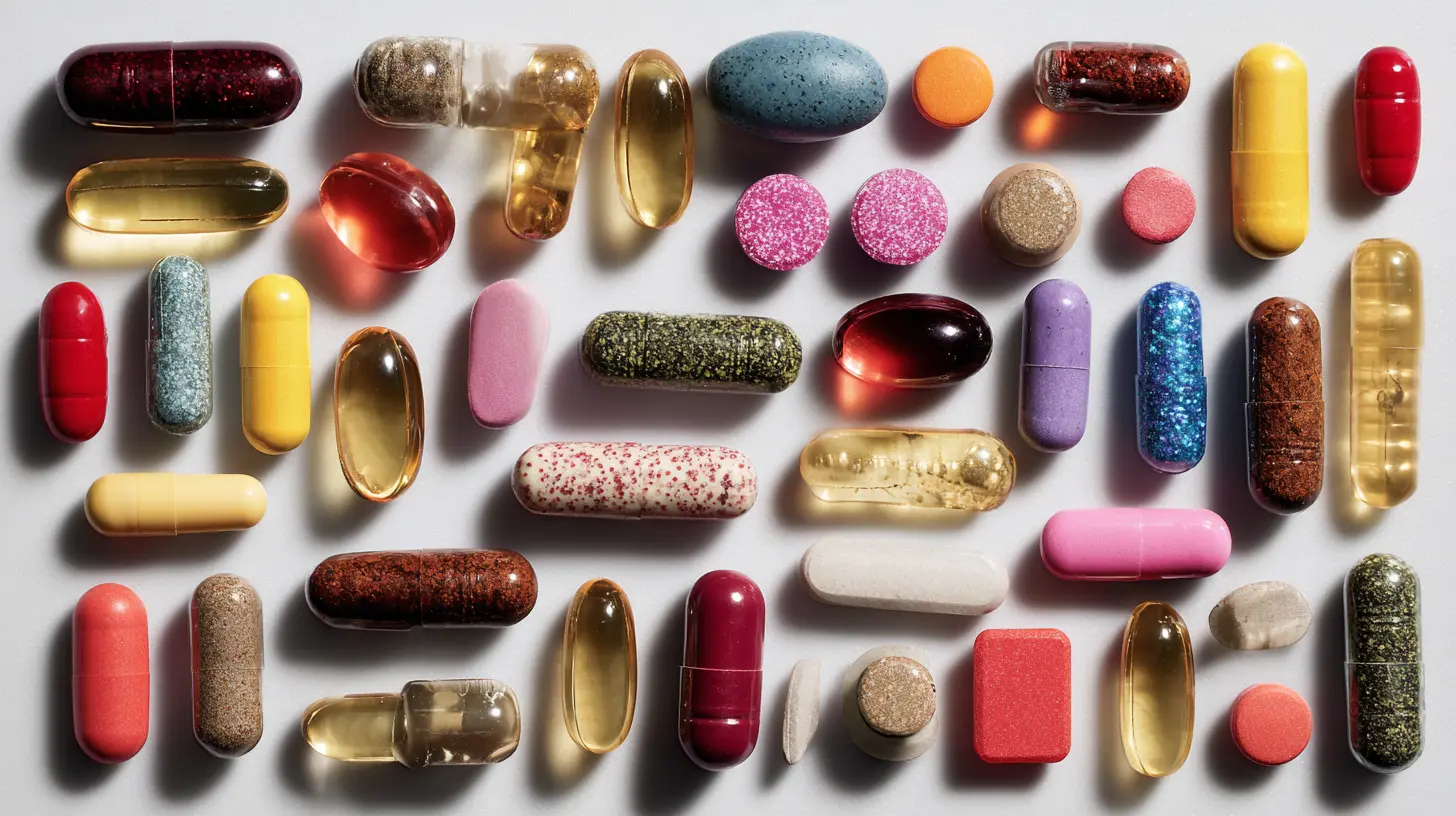
What Are Supplements for Speed?
So, when we talk about “speed supplements,” what exactly do we mean?Basically, we’re talking about dietary supplements—powders, pills, or drinks—that claim to enhance speed, reaction time, and explosive power. These are super popular among athletes, sprinters, football players, and even weekend warriors. Many of these supplements promise to:
- Boost energy
- Improve sprint performance
- Increase muscle power
- Enhance endurance (because speed usually needs some stamina too!)
But again, promises are one thing—results are another.
Common Ingredients in Speed Supplements
Let’s break down the usual suspects found in these products. You’ve probably seen some of these on labels:1. Caffeine
Ah yes, our old friend caffeine. You know it from your morning coffee, but it’s also one of the most researched performance enhancers out there.How does it help?
- Boosts alertness and reduces perceived effort
- Enhances reaction time
- Helps with sprint performance in short bursts
But beware—too much and you’ll be jittery and wired like a Christmas tree. Not ideal when you’re trying to focus on that 100-meter dash.
2. Creatine Monohydrate
Probably the poster child of sports supplements. Creatine is a naturally occurring compound found in your muscles.What does it do?
- Increases muscle ATP stores (aka energy for quick, explosive movements)
- Improves short-duration, high-intensity performance (hello, sprints and jumps)
- Helps with recovery between bursts of effort
If you're aiming for that fast-twitch muscle magic, creatine is worth considering.
3. Beta-Alanine
This one’s a bit of a sleeper. Not everyone talks about it, but it plays a big role in buffering acid buildup in your muscles.Why does that matter?
Ever felt that burning sensation mid-sprint? Yeah, beta-alanine helps delay that burn, meaning you might squeeze out a little more speed before fatigue sets in.
4. Nitrates (Beetroot Juice)
Yes—beets! Turns out, beetroot is loaded with nitrates which help widen your blood vessels and improve oxygen efficiency.How does that help speed?
Better oxygen delivery? Check.
More efficient energy use? Double check.
This can help with sprint endurance and recovery between sprints.
5. Branched-Chain Amino Acids (BCAAs)
These are three essential amino acids (leucine, isoleucine, valine) that help reduce muscle breakdown and aid in muscle recovery.Faster recovery = more training.
More training = faster you. See where we’re going with this?
Do Supplements Actually Make You Faster?
Okay, so we know what these supplements do on paper. But let’s get down to the stuff that really matters—do they work in the real world?Here's the thing: supplements can help—but they’re not miracles in a bottle.
Think of them like icing on a well-baked cake. If your training, sleep, and nutrition are on point, supplements might give you that tiny edge. But if you’re skipping workouts and living off pizza? Even the fanciest supplement won’t save you.
Let’s look at a few scenarios:
✔️ You’re an athlete with a dialed-in training plan
Using creatine or caffeine before your workout might actually translate to more explosive power and better sprint times. Studies show noticeable improvements in elite athletes when they supplement intelligently.⚠️ You’re just getting started with fitness
If you haven’t mastered the basics—like proper running form, building endurance, or strength training—then supplements probably won’t make much difference. Focus on the foundations first.
The Psychological Boost (Yep, It’s Real)
You know that feeling when you think you’ve got a secret weapon? That “I’ve got something extra in my tank today” vibe? That’s the placebo effect, and it’s very real.Even if a supplement doesn’t dramatically change your physiology, believing that it works might improve your performance. Confidence plays a massive role in any sport.
So, if popping that pre-workout drink makes you feel like the Flash—well, that mental edge could help you push harder.
Risks and Side Effects Worth Mentioning
Let’s keep it real—not all supplements are safe, and some may do more harm than good. Here are some things to watch out for:- Caffeine Overload: Too much can lead to heart palpitations, anxiety, or even insomnia. Not super helpful for recovery, right?
- Creatine Bloating: Some people experience water retention or stomach discomfort. Always start small.
- Unregulated Products: Some supplements sneak in ingredients that aren’t listed or approved. Stick with brands that offer third-party testing.
And if you’re a competitive athlete? Make sure your supplements are WADA-compliant. Nobody wants a surprise suspension.
Natural Ways to Boost Speed (Without a Pill)
Let’s not forget—your body is already an incredible machine. Supplements are just one piece of the puzzle. If you're serious about getting faster, pay attention to these too:? Proper Sprint Training
Intervals, sprint drills, form work—these are gold when it comes to speed. If you’re not putting in the reps, you’re just hoping for a shortcut.? Recovery and Sleep
Speed comes from training, but it’s built during rest. Aim for 7–9 hours of quality sleep and embrace recovery days.? Nutrition
Fuel your body like a Formula 1 car. Healthy carbs, lean proteins, and hydration are the basics most people overlook.? Mental Focus
Speed isn’t just about legs—it's about focus and reaction time. Visualization, mind-muscle connection, and sharp reflexes matter.When to Consider a Supplement
So, should you try supplements for speed? Maybe. Here’s when they might make sense:- You’re hitting a performance plateau
- Your training and nutrition are already consistent
- You're preparing for a competition
- You’re tracking performance and want to optimize
Always talk to a trainer, nutritionist, or sports doc before diving into a new supplement routine. Your body, your rules—but let’s play it safe.
Final Thoughts: Are Speed Supplements Worth It?
Let’s wrap it up—speed supplements can help, but they aren't cheat codes. They're tools, not magic. If you’ve already got good training habits, sleep well, and eat like a champ, then sure, go ahead and give them a try.But don’t forget—you can’t fake hard work. The real speed comes from the grind, not just the scoop.
So next time someone asks, “Do supplements for speed really help?” You can smile and say, “Only when you’ve already done the homework.”
Quick Summary
| Supplement | Potential Benefit | Best For ||------------|------------------|-----------|
| Caffeine | Energy & reaction time | Short workouts, sprints |
| Creatine | Explosive power, recovery | Sprinters, gym-goers |
| Beta-Alanine | Delays fatigue | Longer sprint sets |
| Nitrates (Beet Juice) | Oxygen efficiency | Repeated sprint efforts |
| BCAAs | Muscle recovery | Frequent trainers |
FAQs
Q: Can I take multiple supplements together?A: Yep, but start slow. Some combos work better than others, and too many at once can mess with your stomach or energy levels.
Q: Do supplements make you faster instantly?
A: Not usually. Some, like caffeine, work short-term. Others, like creatine, need consistent use over weeks.
Q: Are natural options better than synthetic ones?
A: Not necessarily. It depends on the supplement and the brand. Look for clean ingredients, minimal fillers, and third-party testing.
Q: Should teens or young athletes use these supplements?
A: It’s best to focus on nutrition and training first. Always consult with a healthcare professional if you're under 18.
all images in this post were generated using AI tools
Category:
Sports NutritionAuthor:

Madeline Howard
Discussion
rate this article
2 comments
Alana McClary
This article offers a balanced look at the role of supplements in enhancing speed. It combines science with personal insights, making it clear that while some supplements might help, they should complement a well-rounded diet and training regimen. Worth a read!
September 9, 2026 at 7:40 AM
Claire Sawyer
While some supplements may enhance performance for certain athletes, it's crucial to focus on a balanced diet and proper training. Results can vary widely, so individual research is essential.
June 27, 2026 at 2:31 AM
Madeline Howard
Absolutely agree. A balanced diet and training should always come first. Supplements can help, but they are not a substitute for hard work and smart choices. Individual research is key.