Yoga and Balance Training: Building Stability from the Ground Up
3 January 2026
Balance is something we often take for granted—until we lose it. Whether it's a stumble on the sidewalk or feeling wobbly during a workout, it’s a reminder that stability is essential for daily life. But here’s the good news: balance isn’t just a lucky trait some people have. With the right training, you can build it from the ground up, and yoga is one of the best ways to do just that.
In this article, we’ll dive into how yoga and balance training go hand in hand, why stability matters, and how you can incorporate simple yet effective poses into your routine. So grab a mat, take a deep breath, and let’s get started! 
Why Balance Matters More Than You Think
Balance isn’t just about standing on one leg. It’s a complex skill that involves coordination, strength, flexibility, and focus. Whether you're an athlete, an office worker, or a senior looking to prevent falls, balance plays a huge role in your overall well-being.Think about it—every movement you make requires some level of stability. Walking, bending, reaching, and even sitting upright depend on your body’s ability to stay centered. When your balance is off, so is everything else.
Benefits of Good Balance
Improving your balance can:- Prevent Injuries – A strong, stable body helps reduce the risk of falls, sprains, and muscle strains.
- Enhance Athletic Performance – Whether you play sports or just enjoy staying active, better balance means better control over your movements.
- Improve Posture – Poor posture often stems from weak stabilizing muscles. Strengthening these muscles helps keep your spine aligned.
- Boost Core Strength – Since balance relies on core engagement, training it naturally strengthens your abs and lower back.
- Sharpen Mental Focus – Many balance exercises require concentration, improving your mind-body connection. 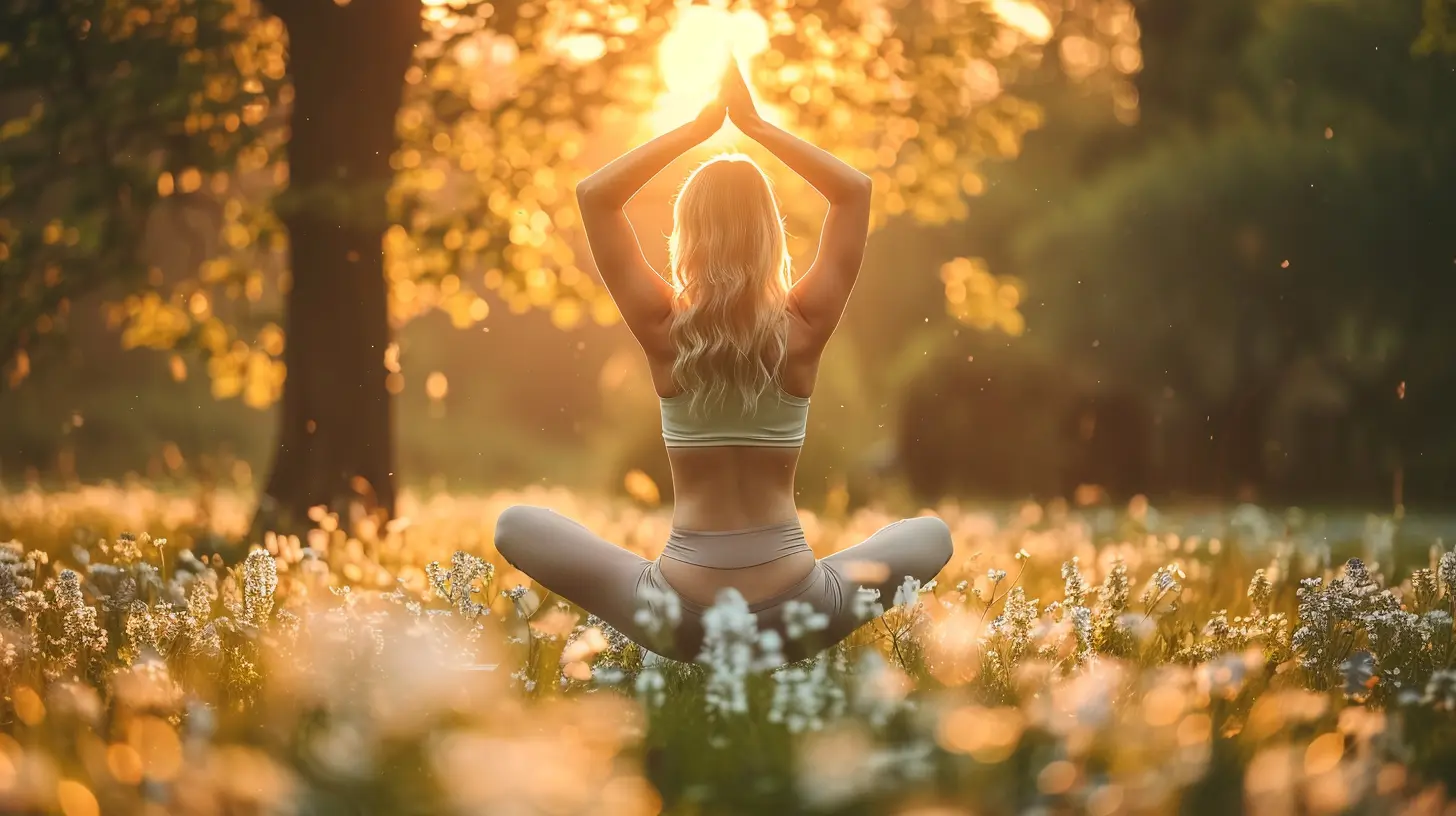
How Yoga Builds Balance from the Ground Up
Yoga is more than just stretching—it’s a full-body experience that challenges strength, flexibility, and concentration. Many poses require you to engage your core, align your posture, and remain steady, making it a fantastic way to train balance.The Science Behind Yoga and Stability
Yoga enhances balance in three key ways:1. Strengthens Stabilizing Muscles – Poses like Tree Pose and Warrior III activate deep muscles that keep you upright.
2. Improves Proprioception – This fancy term refers to your body's awareness of its position in space. Yoga helps fine-tune this awareness.
3. Encourages Mindfulness and Focus – Holding a pose requires mental concentration, training your brain alongside your body. 
The Best Yoga Poses for Balance and Stability
Ready to start building your balance? Try incorporating these yoga poses into your routine.1. Tree Pose (Vrksasana)
Great for: Core stability, leg strength, and focusHow to do it:
- Stand tall with feet hip-width apart.
- Shift your weight onto your right foot and lift your left foot, placing it on your right inner thigh or calf.
- Bring your hands to your heart or reach them overhead.
- Hold for 30 seconds, then switch sides.
✅ Tip: Keep your gaze fixed on a point to help with stability.
2. Warrior III (Virabhadrasana III)
Great for: Core engagement, leg strength, and alignmentHow to do it:
- Start in a standing position.
- Shift your weight onto your right foot and slowly extend your left leg straight behind you while lowering your torso forward.
- Stretch your arms forward or keep them at your sides.
- Hold for 20-30 seconds, then switch sides.
✅ Tip: Engage your core to stay steady and avoid wobbling!
3. Dancer’s Pose (Natarajasana)
Great for: Balance, flexibility, and leg controlHow to do it:
- Stand tall and shift your weight onto your right foot.
- Bend your left knee and grab your left foot behind you.
- Extend your right arm forward and slowly push your left foot into your hand.
- Hold for 20-30 seconds, then switch sides.
✅ Tip: Focus on deep breathing to maintain your balance.
4. Half Moon Pose (Ardha Chandrasana)
Great for: Core engagement, leg stability, and flexibilityHow to do it:
- From Warrior II, shift your weight onto your front leg.
- Place your front hand on the mat (or a block) and lift your back leg parallel to the ground.
- Extend your top arm to the sky and gaze upward.
- Hold for 20-30 seconds, then switch sides.
✅ Tip: Press through your standing foot and engage your core for stability.
5. Eagle Pose (Garudasana)
Great for: Leg endurance, focus, and stabilityHow to do it:
- Stand tall, then wrap your right leg over your left leg, balancing on one foot.
- Cross your right arm under your left arm, bringing your palms together.
- Sit into the pose and hold for 30 seconds, then switch sides.
✅ Tip: Keep your knees slightly bent and breathe deeply to stay centered. 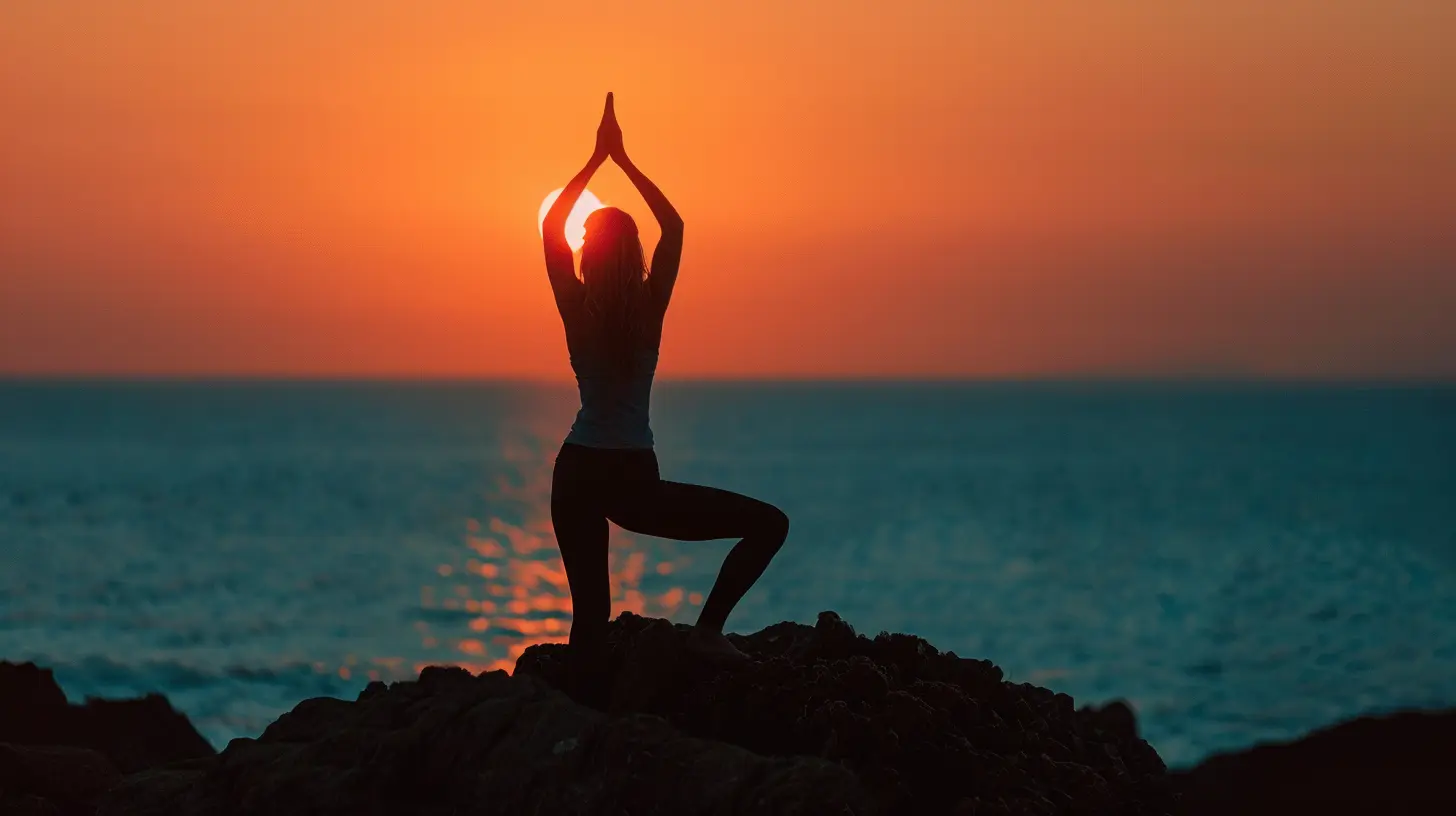
Tips for Improving Balance with Yoga
1. Start Slow – Don’t rush into advanced poses. Build a strong foundation first.2. Strengthen Your Core – A strong core is crucial for balance. Engage your abs in every pose.
3. Use Props If Needed – Blocks, a wall, or even a chair can help you feel more secure.
4. Breathe Deeply – Your breath helps stabilize you. Slow, steady breathing keeps you focused.
5. Practice Regularly – Like any skill, balance improves with consistency. Even 10 minutes a day makes a difference.
Beyond the Mat: How to Bring Balance Training into Everyday Life
Yoga isn’t just for the studio—you can apply balance training to your daily routine!- Stand on One Leg While Brushing Your Teeth – A simple way to sneak in extra practice.
- Engage Your Core While Sitting – Whether you're at a desk or on the couch, good posture helps stability.
- Walk on Uneven Surfaces – Try walking on grass, sand, or a balance beam to challenge your stability.
- Stay Mindful – Being present in your movements can improve coordination and reduce clumsiness.
Final Thoughts
Balance is a skill you can build, just like strength or flexibility. Yoga is one of the most effective (and enjoyable!) ways to enhance your stability, strengthen your core, and improve focus. Whether you’re new to yoga or an experienced yogi, incorporating balance poses into your practice can have a powerful impact on your overall well-being.So, why not start today? Roll out your mat, take a deep breath, and find your center—one pose at a time.
all images in this post were generated using AI tools
Category:
YogaAuthor:

Madeline Howard
Discussion
rate this article
2 comments
Trixie Flores
This article sparks my curiosity! How does yoga specifically enhance balance compared to other exercises? I’m eager to explore the science behind stability training!
February 14, 2026 at 4:30 AM
Madeline Howard
Thank you for your enthusiasm! Yoga enhances balance by promoting body awareness, flexibility, and core strength through mindful movement and poses that engage multiple muscle groups. Unlike some other exercises, it emphasizes mental focus and breath control, which further supports stability. I hope you enjoy exploring the science behind it!
Lysara Cummings
Embracing yoga and balance training is a powerful journey towards stability, both physically and mentally. Each pose and practice grounds us, helping to cultivate inner strength and resilience. Remember, every small step counts—stay committed to your wellness path, and watch how balance transforms not just your body, but your life!
January 7, 2026 at 5:43 AM
Madeline Howard
Thank you for your insightful comment! Embracing yoga and balance training truly does foster both physical and mental stability, empowering us on our wellness journey. Appreciate your encouragement!