Sunscreen Myths You Should Stop Believing
19 May 2026
Sunscreen is one of the most important tools in preventing skin damage, premature aging, and even skin cancer. But despite its importance, there’s a ton of misinformation floating around that stops people from using it correctly—or worse, not using it at all.
It’s time to set the record straight. Let’s dive into the biggest sunscreen myths you need to stop believing right now. 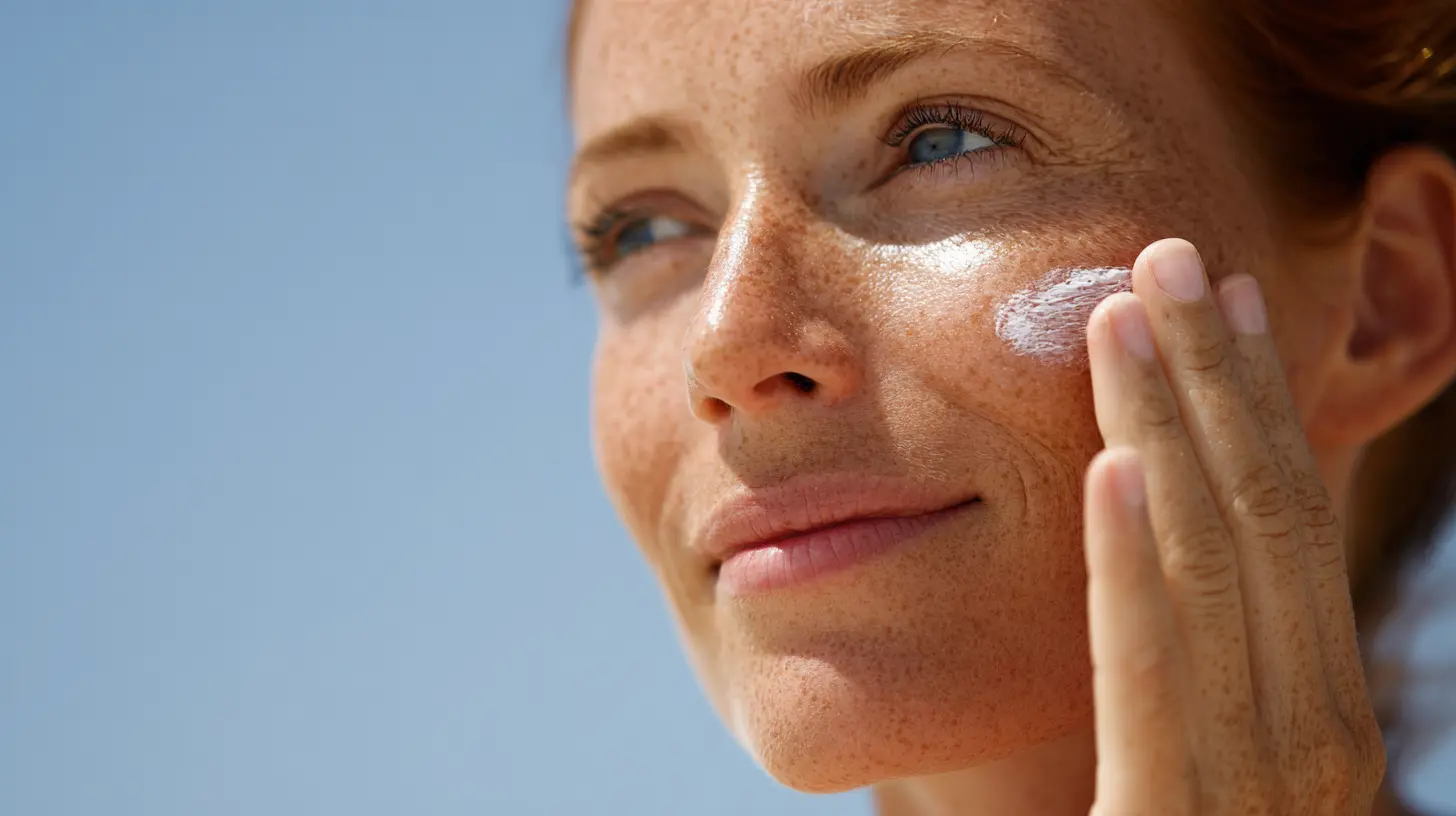
Myth #1: Dark Skin Doesn’t Need Sunscreen
One of the most dangerous myths out there is that people with darker skin don’t need sunscreen. Yes, melanin does offer some natural protection against the sun, but it’s not a free pass to skip SPF.Skin cancer can—and does—affect people with darker skin tones. The problem? It’s often diagnosed at later stages because people believe they’re immune. Sun exposure also contributes to hyperpigmentation and premature aging, no matter your skin color.
So, no matter your skin tone, sunscreen is non-negotiable. 
Myth #2: You Only Need Sunscreen When It’s Sunny
Just because you can’t see the sun doesn’t mean it’s not working its magic (or in this case, damage). Up to 80% of UV rays can pass through clouds, meaning your skin is still at risk even on gloomy days.And let’s not forget about winter—snow reflects sunlight, making UV exposure even stronger. If you’re only slathering on sunscreen when the sun is high and bright, you’re leaving your skin vulnerable.
Rule of thumb? If it’s daytime, wear sunscreen. No exceptions. 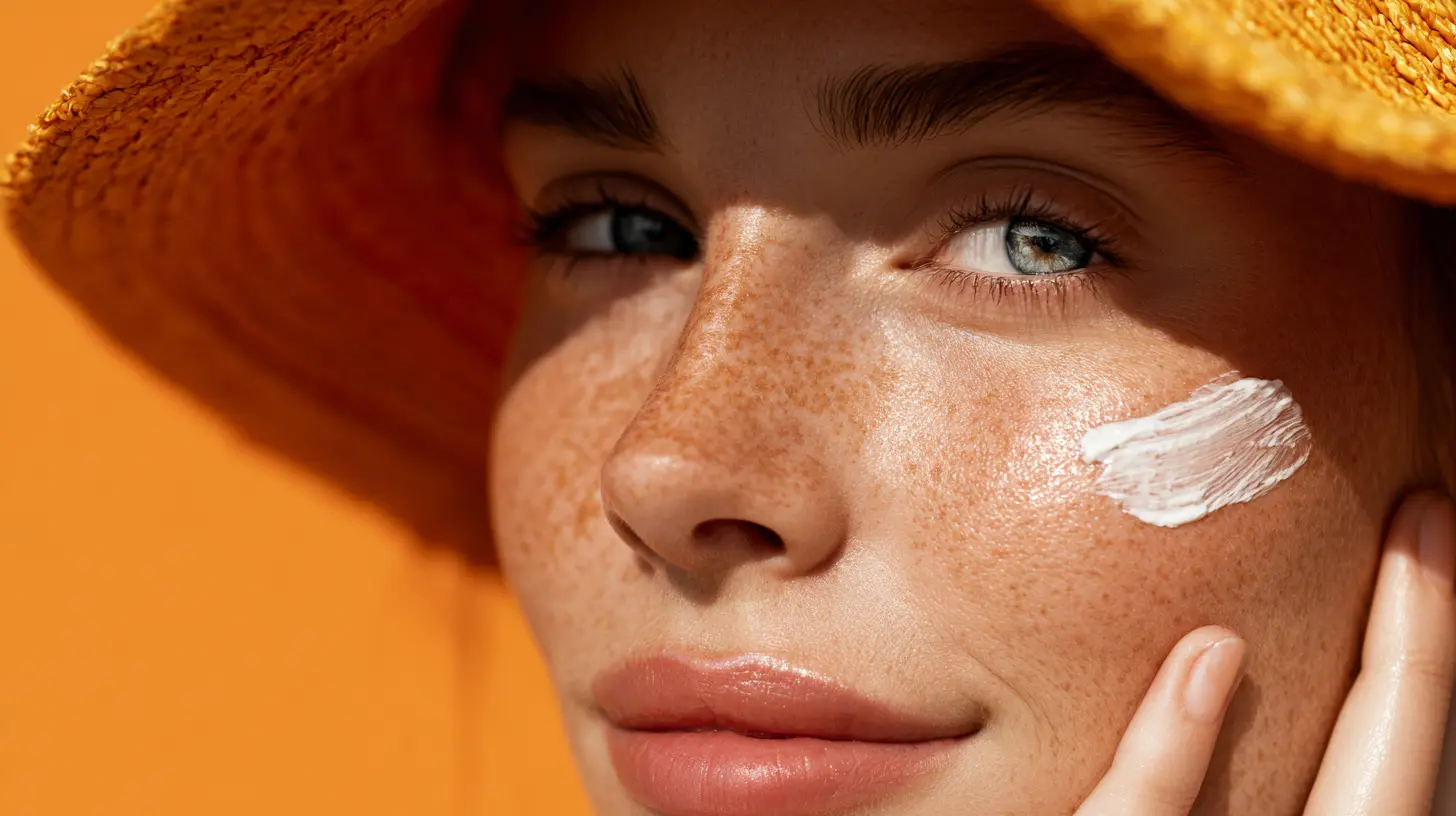
Myth #3: SPF in Makeup or Moisturizer Is Enough
Sure, that SPF-infused foundation sounds convenient, but here’s the problem—you’re not using enough of it to get adequate protection!For sunscreen to work effectively, you need a nickel-sized amount for your face alone. Most people don’t cake on foundation to that extent. Plus, sunscreen in makeup isn’t always broad-spectrum, meaning it might not protect you from all harmful UV rays.
If you want proper sun protection, use a standalone sunscreen under your makeup. 
Myth #4: Sunscreen Blocks Vitamin D Absorption
Yes, your body needs sunlight to make vitamin D, but sunscreen doesn’t completely block that process. In reality, most people still get enough vitamin D even with sunscreen use because no one applies it perfectly 100% of the time.If you’re worried about your vitamin D levels, get it from food or supplements rather than risking skin damage. Skin cancer isn’t worth it.
Myth #5: One Application in the Morning Lasts All Day
I hate to break it to you, but sunscreen isn’t a magical, one-and-done thing.Sunscreen breaks down over time due to sweat, water, and even just existing in the heat. Dermatologists recommend reapplying every two hours and immediately after swimming or excessive sweating.
Think of sunscreen like deodorant—you wouldn’t expect it to last 12+ hours without touching it up, right? The same logic applies to SPF.
Myth #6: Higher SPF Means You Can Stay in the Sun Longer
SPF 100 must be twice as strong as SPF 50, right? Nope!While higher SPF does offer more protection, it’s a diminishing return. SPF 50 blocks about 98% of UVB rays, while SPF 100 blocks about 99%—not a massive difference.
What’s worse? Higher SPF can give people a false sense of security, making them think they don’t need to reapply as often. Regardless of the number on the bottle, reapplication is key.
Myth #7: Sunscreen Causes Acne and Clogs Pores
If your sunscreen is breaking you out, you’re probably using the wrong one for your skin type.Look for sunscreens labeled non-comedogenic (meaning they won’t clog pores) and oil-free formulas if you have acne-prone skin. Gel-based and mineral sunscreens with zinc oxide or titanium dioxide are great options.
Skipping sunscreen in hopes of avoiding breakouts? Bad idea. Sun exposure can actually worsen acne scars and hyperpigmentation, making them harder to fade.
Myth #8: You Don’t Need Sunscreen Indoors
If you think staying inside protects you from the sun, think again.UVA rays—the ones responsible for aging and skin damage—can penetrate glass. That means if you sit near a window or work in a sunlit office, your skin is still exposed.
And let’s not forget about blue light from screens. While research is still ongoing, some studies suggest that prolonged exposure to blue light from phones and computers can contribute to skin aging and pigmentation.
Bottom line? Indoor sunscreen use is a must.
Myth #9: Natural Oils Provide Enough Sun Protection
Some people swear by coconut oil or carrot seed oil as a “natural sunscreen.” Bad idea.While some oils have a tiny amount of SPF, they don’t provide anywhere near adequate protection. For example, coconut oil has an estimated SPF of 1-7, which is basically useless against UV damage.
If natural options appeal to you, opt for mineral sunscreens with zinc oxide or titanium dioxide instead. They offer strong protection without questionable chemicals.
Myth #10: Sunscreen Is Dangerous Because of “Toxic” Chemicals
Fear-mongering about sunscreen ingredients has led some people to ditch SPF altogether, but the truth is, regulated sunscreens are safe.Yes, some studies have raised questions about certain chemical filters, but there’s no solid evidence that FDA-approved sunscreens are harmful to humans. The real danger? Skipping sunscreen and increasing your risk of skin cancer.
If you’re worried about chemicals, choose mineral sunscreens instead. But whatever you do, don’t skip sunscreen entirely.
Debunking These Myths Could Save Your Skin
Misinformation about sunscreen isn’t just annoying—it’s dangerous. Believing these myths can leave you unprotected, increasing your risk of sunburn, wrinkles, and even skin cancer.So, what’s the takeaway? Wear sunscreen every day, reapply every two hours, and don’t fall for the nonsense. Your future self (and your skin) will thank you.
all images in this post were generated using AI tools
Category:
Skin CareAuthor:

Madeline Howard
Discussion
rate this article
2 comments
Dior Estes
Great insights! It's vital to debunk these myths for our skin's health. Stay informed and protect yourself.
July 26, 2026 at 3:05 AM
Madeline Howard
Thanks for your feedback! Staying informed is key to healthy skin.
Payton Ramirez
Sunscreen is like coffee; you need it daily, and it's no good if you drink it instead of applying it. Let's not test the sun's roasting abilities, folks!
May 19, 2026 at 4:52 PM
Madeline Howard
Absolutely! Consistency is key with sunscreen, just like with coffee. Let's keep our skin protected and avoid those harmful rays.