The Role of Fiber in Gluten-Free Diets and How to Get Enough
22 April 2026
If you've recently gone gluten-free, you may have noticed some changes in your digestion. Maybe things aren’t moving as smoothly as they once did, or you’re feeling a little sluggish.
One sneaky reason? Fiber—or the lack of it.
When switching to a gluten-free diet, fiber intake often takes a hit. Many fiber-rich foods, like whole wheat and bran, contain gluten. So, how do you keep your gut happy and get enough fiber while staying gluten-free?
Let’s break it all down and see how you can boost your fiber intake while sticking to your gluten-free lifestyle.
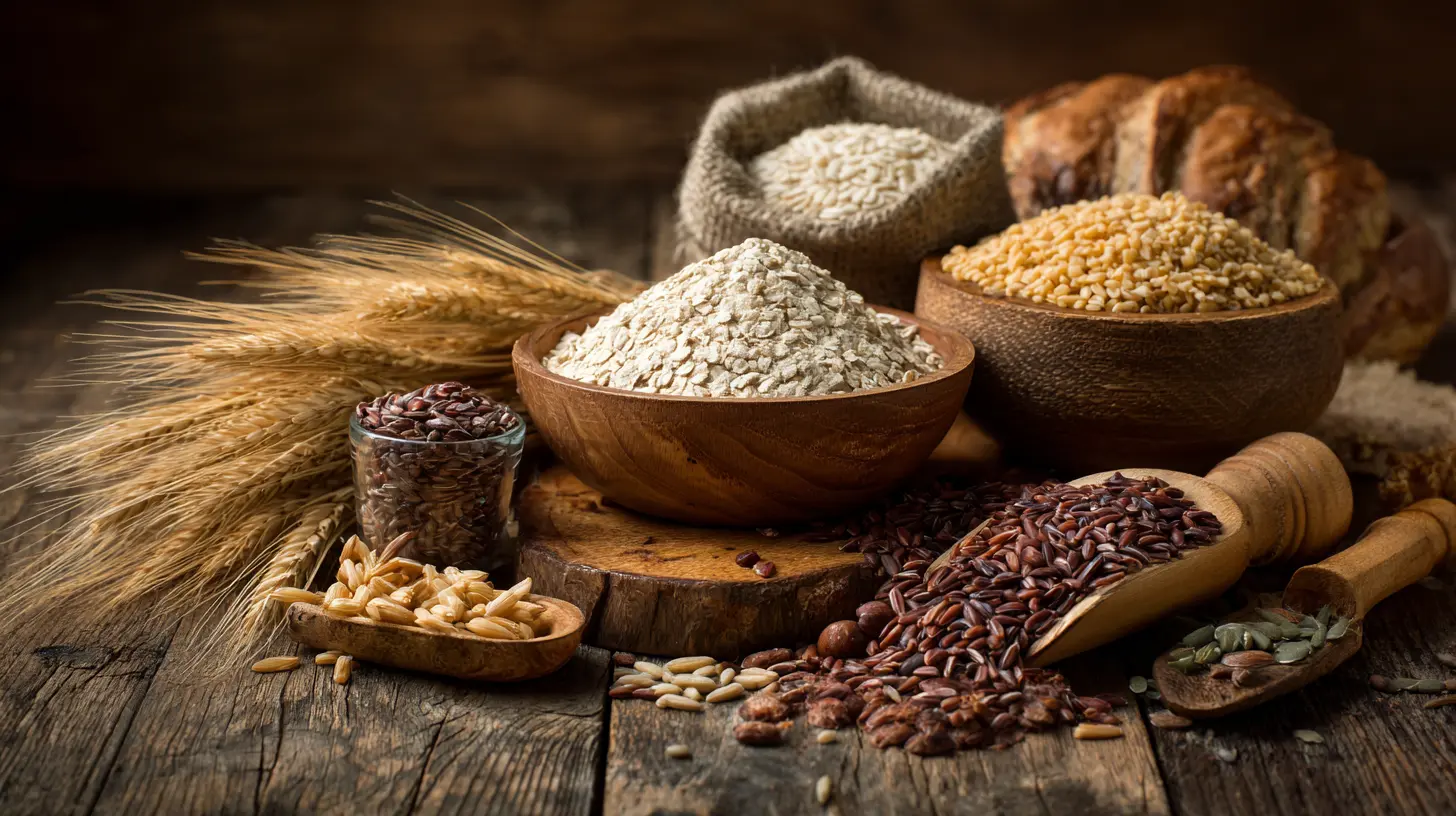
Why Fiber Matters (Especially on a Gluten-Free Diet)
Fiber is like your digestive system’s best friend. It keeps things moving, keeps you full, and even supports heart health.But here’s the thing: Many people following a gluten-free diet end up getting way less fiber than they need. That’s because plenty of high-fiber foods—like whole wheat, rye, and barley—are off-limits. This can lead to constipation, bloating, and even nutrient deficiencies.
So, why should you care about fiber?
- Supports digestion: Keeps your gut running like a well-oiled machine.
- Regulates blood sugar: Helps prevent sugar crashes and energy dips.
- Keeps you full: Helps with weight management by reducing hunger.
- Lowers cholesterol: Protects your heart and keeps your arteries happy.
Skipping fiber can leave you feeling sluggish and backed up—not exactly ideal!
How Much Fiber Do You Really Need?
The daily fiber recommendation depends on several factors, including age and gender, but here’s a general guideline:- Women: 21–25 grams per day
- Men: 30–38 grams per day
But here’s the kicker—many gluten-free eaters don’t even come close to these numbers. That’s why it’s important to actively seek out fiber-rich, gluten-free foods.
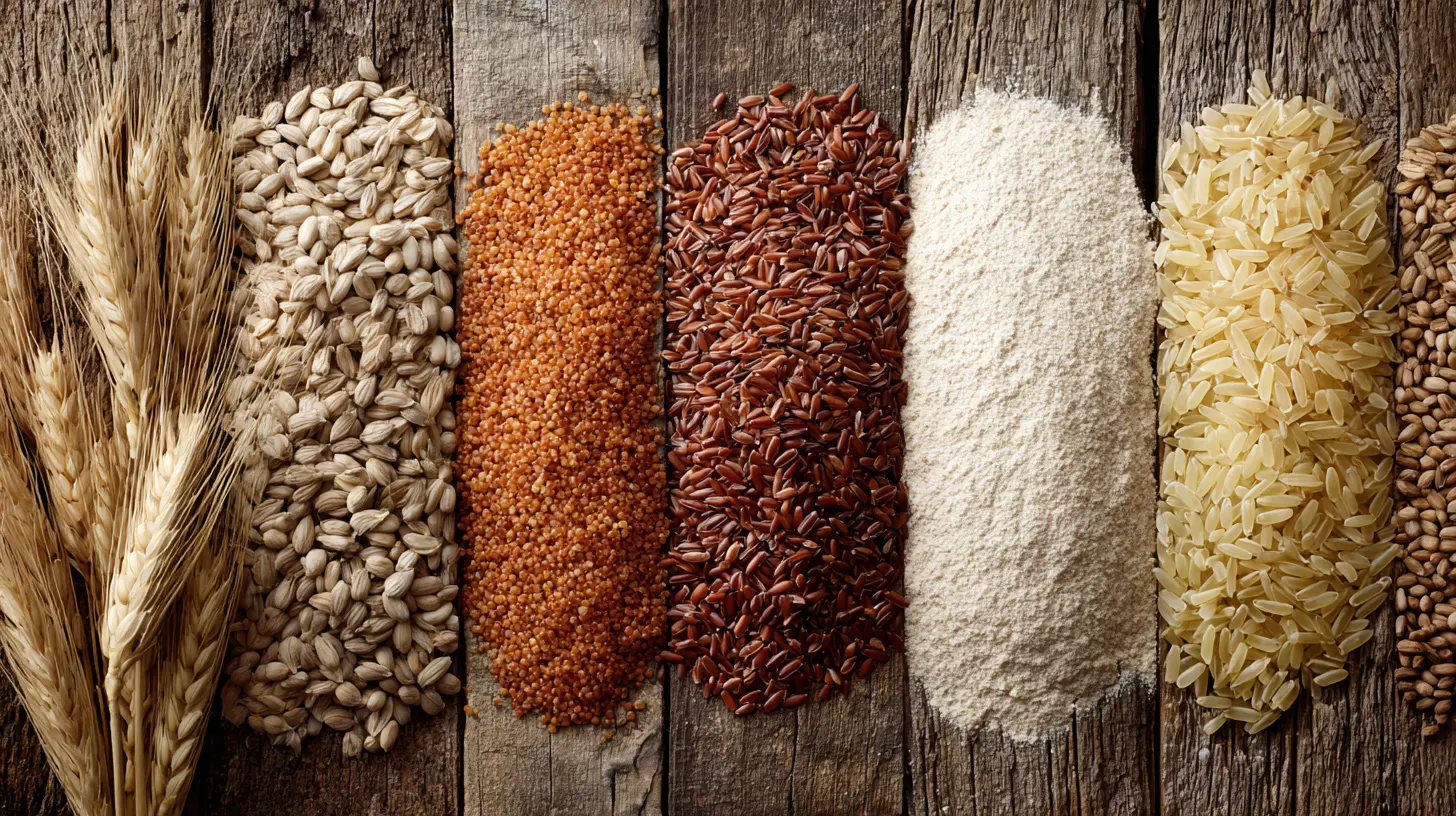
Best High-Fiber Gluten-Free Foods
Going gluten-free doesn’t mean waving goodbye to fiber. You just need to know where to look!1. Fruits and Vegetables (Nature’s Fiber Powerhouses)
Fresh produce is packed with fiber, along with essential vitamins and minerals. Some of the best fiber-rich, gluten-free options include:- Berries (raspberries, blackberries, strawberries, blueberries) – Tiny but mighty, they pack an impressive fiber punch.
- Apples (with the skin on!) – An easy, fiber-rich snack on the go.
- Pears – One of the highest-fiber fruits you can eat.
- Avocados – Creamy, delicious, and loaded with fiber and healthy fats.
- Carrots, broccoli, and Brussels sprouts – Nutrient-packed veggies that support digestion.
2. Gluten-Free Whole Grains (Yes, They Exist!)
Whole grains are a fiber goldmine—but traditional gluten-containing grains are off-limits. Thankfully, there are still plenty of great gluten-free options:- Quinoa – A complete protein and fiber-rich grain alternative.
- Brown rice and wild rice – Great swaps for fiber-deficient white rice.
- Oats (certified gluten-free) – An easy way to add more fiber to your day.
- Buckwheat – Despite the name, it’s 100% gluten-free and loaded with fiber.
- Millet – A nutritious grain that’s easy to digest.
3. Nuts and Seeds (Crunchy and Fiber-Packed)
Nuts and seeds help boost fiber intake while adding a satisfying crunch to meals. Some of the best choices include:- Chia seeds – Tiny but packed with fiber, they expand in liquid and promote digestion.
- Flaxseeds – A great plant-based fiber source; best when ground for absorption.
- Almonds and walnuts – Nutritious, high-fiber snacks packed with healthy fats.
- Pumpkin and sunflower seeds – Great for snacking or tossing into salads.
4. Legumes and Beans (Your Fiber Superstars)
Beans and legumes are absolute fiber champions. And yes, they’re naturally gluten-free! Consider adding more of these into your diet:- Lentils – An easy addition to soups, salads, or grain bowls.
- Chickpeas – Great in hummus, roasted for snacks, or tossed in salads.
- Black beans and kidney beans – Rich in both fiber and protein.
- Peas – A simple way to sneak more fiber into your meals.
Simple Ways to Boost Your Fiber Intake
Alright, now that you know which foods to eat, how do you make sure you’re getting enough fiber every day? Here are some easy tricks:1. Start Your Day with Oats
Swap sugary cereals for gluten-free oatmeal, and top it with chia seeds, flaxseeds, and berries for an extra fiber boost.2. Snack Smarter
Instead of reaching for processed, gluten-free snacks (which are often low in fiber), go for nuts, seeds, or fruit with nut butter.3. Load Up on Veggies
Make half your plate fiber-rich vegetables at every meal. Roasting, steaming, or stir-frying are great ways to keep things tasty.4. Choose Whole Grains Over Refined
Whenever you can, opt for whole, gluten-free grains like quinoa or brown rice instead of white rice or processed gluten-free bread.5. Add Beans and Legumes to Your Meals
Toss chickpeas in your salad, add lentils to soups, or whip up a hearty bean-based chili.6. Stay Hydrated
Fiber absorbs water, so if you’re increasing your fiber intake, be sure to drink plenty of fluids to keep things moving smoothly.Watch Out for Processed Gluten-Free Products
Many gluten-free packaged foods—like crackers, breads, and cereals—are made with refined flours like white rice flour or tapioca starch. These lack fiber and can leave you feeling hungry soon after eating.When choosing gluten-free products, read the labels carefully and look for options with whole grains like brown rice, quinoa, or buckwheat.
Final Thoughts
Just because you're following a gluten-free diet doesn’t mean you have to miss out on fiber. With a little planning and some smart swaps, you can keep your digestion on track and feel your best.Focus on whole, nutrient-dense foods like fruits, vegetables, nuts, seeds, legumes, and gluten-free whole grains. Small, intentional changes can make a huge difference.
So, go ahead—pile your plate with fiber-rich goodness and let your gut thank you!
all images in this post were generated using AI tools
Category:
Gluten FreeAuthor:

Madeline Howard
Discussion
rate this article
2 comments
Bethany Barker
Great insights on fiber in gluten-free diets! Focusing on diverse sources will make a big difference in overall health. Keep sharing valuable information like this!
May 9, 2026 at 3:17 PM
Madeline Howard
Thank you! I'm glad you found the insights helpful. It's so important to highlight diverse fiber sources in gluten-free diets. I'll definitely keep sharing!
Yasmine Ross
Fiber is crucial for gluten-free diets; focus on fruits, veggies, and legumes for balance.
April 24, 2026 at 3:22 PM
Madeline Howard
Absolutely, incorporating a variety of fruits, vegetables, and legumes is key to ensuring adequate fiber intake in gluten-free diets. Thanks for highlighting this important aspect!