Simple Swaps for a Healthier Pantry by 2027
3 September 2026
The average Western pantry is a monument to convenience and marketing, not to health. It is stocked with shelf-stable items designed for a long life, not a vibrant one. As we look toward 2027, the conversation around food is shifting from fad diets to foundational changes. The goal is no longer just to eat less, but to eat better, smarter, and with greater intention. The pantry is the perfect place to start this revolution because it is the staging ground for every meal. If the ingredients are subpar, the meals will be too. This guide is not about tossing everything and starting from scratch with obscure, expensive superfoods. It is about making strategic, high-impact swaps that upgrade the nutritional profile of your food without sacrificing taste or convenience.
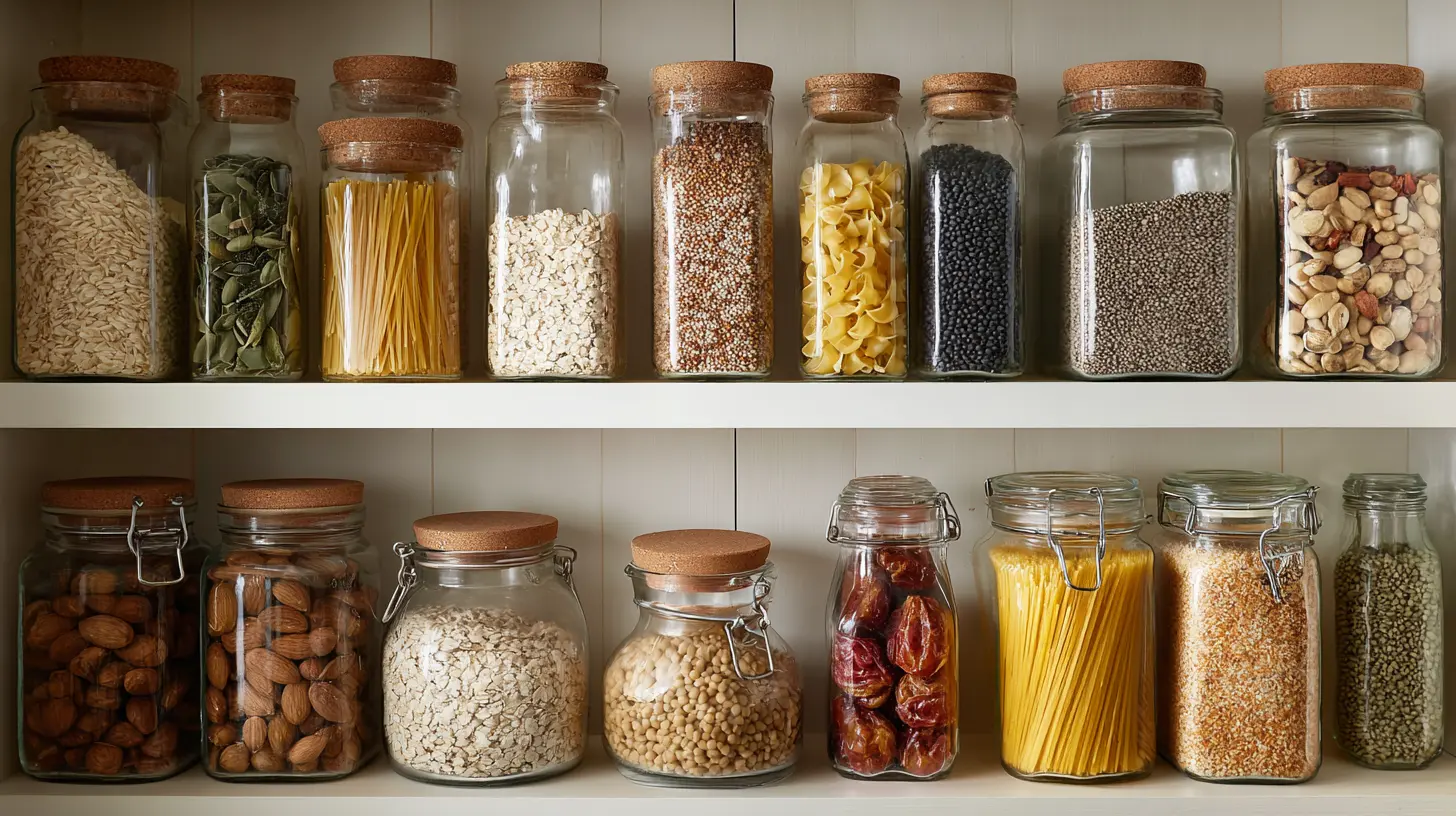
The Philosophy of the Swap: Subtraction by Addition
Before we dive into specific ingredients, it is critical to understand the underlying logic of a successful pantry overhaul. The term "swap" implies a one-for-one replacement, but the reality is more nuanced. The most effective changes are those that add nutritional value while simultaneously displacing a less beneficial component. You are not just removing refined sugar; you are adding the fiber and antioxidants of a whole-food alternative. You are not just cutting out white flour; you are introducing a complex carbohydrate that provides sustained energy.The biggest mistake people make is approaching this as a process of deprivation. A pantry full of "can't haves" is a recipe for rebellion and binge-eating. Instead, focus on what you are gaining. You are gaining a more diverse microbiome, better blood sugar control, and a more stable energy curve throughout the day. This is a shift from a mindset of restriction to one of enrichment. The 2027 pantry is not empty; it is abundant with nutrient-dense, functional foods that serve your body's needs.
Another critical principle is to read labels like a detective, not a tourist. Many products market themselves as "healthy" or "natural" but are riddled with hidden sugars, industrial seed oils, and emulsifiers. The swap is not just about the obvious villains; it is about recognizing the subtle compromises in everyday items. For example, a "healthy" granola can have more sugar per serving than a candy bar. The true pantry swap is learning to identify these nutritional Trojan horses and choosing alternatives that are honest about their contents.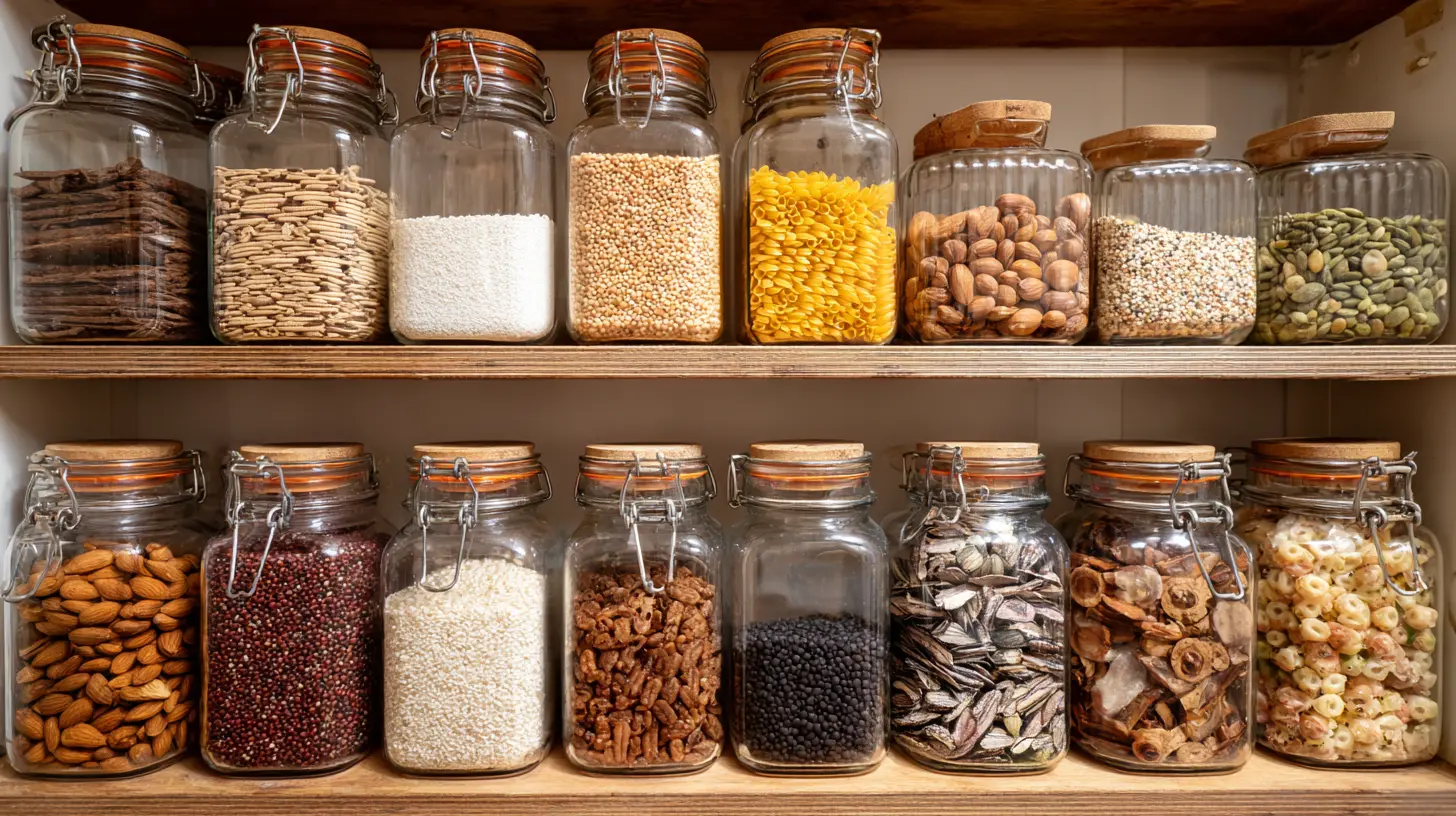
The Carbohydrate Conundrum: Upgrading Your Base
Carbohydrates are not the enemy, but the quality of the carbohydrates you store matters immensely. The standard pantry relies on highly processed grains that have been stripped of their fiber and nutrients. The 2027 pantry prioritizes intact grains and alternative flours that offer a slower, steadier release of energy.#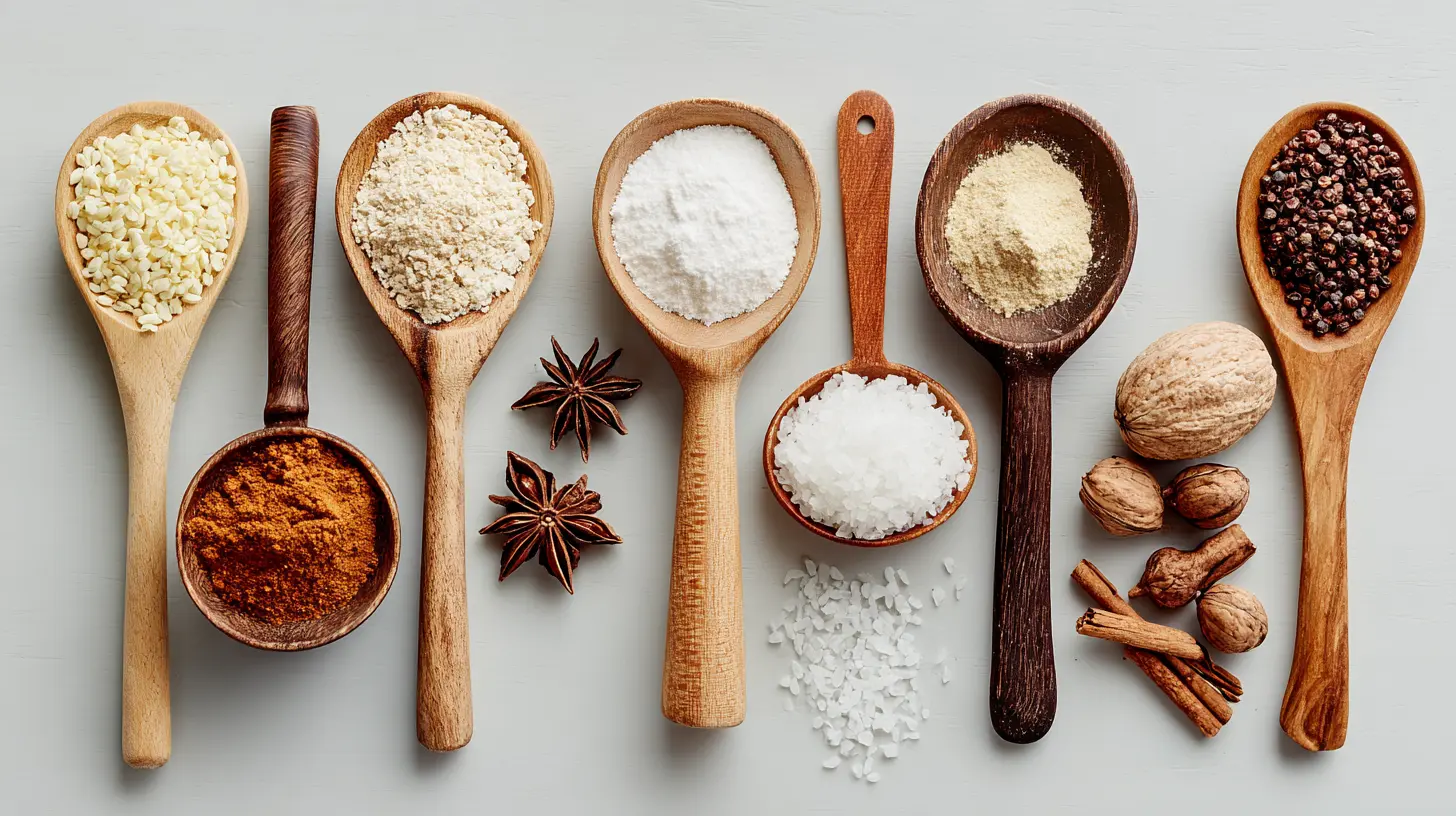
Moving Beyond White Flour
White all-purpose flour is a staple, but it is nutritionally bankrupt. It is essentially pure starch with a high glycemic index, meaning it spikes your blood sugar rapidly. The swap here is not necessarily to eliminate it entirely, especially if you bake for texture-sensitive treats, but to demote it from the primary flour to a supporting role.Consider a blend of whole wheat flour and white flour for everyday baking. Whole wheat flour contains the entire kernel, providing fiber, B vitamins, and minerals like iron and magnesium. The trade-off is a denser, nuttier texture and a shorter shelf life due to the natural oils in the germ. For a more neutral flavor that still packs a nutritional punch, consider spelt flour. Spelt is an ancient grain that is higher in protein and fiber than modern wheat and has a slightly sweet, nutty flavor. It is more water-soluble than wheat, meaning it often requires less liquid in recipes.
For those with gluten sensitivity or those simply looking to diversify their nutrient intake, the world of gluten-free flours has exploded in quality. Oat flour is a fantastic swap for baked goods like muffins and pancakes. It provides a tender crumb and is rich in beta-glucan, a soluble fiber proven to help lower cholesterol. However, it is crucial to buy certified gluten-free oat flour if you have celiac disease, to avoid cross-contamination. Almond flour is another excellent option, offering healthy fats and protein, which makes baked goods moist and satisfying. The downside is that it is calorie-dense and can make items heavy. The best approach for 2027 is not to find a single "perfect" flour but to create custom blends that suit the nutritional profile and texture you want.
#
The Rise of the Whole Grain
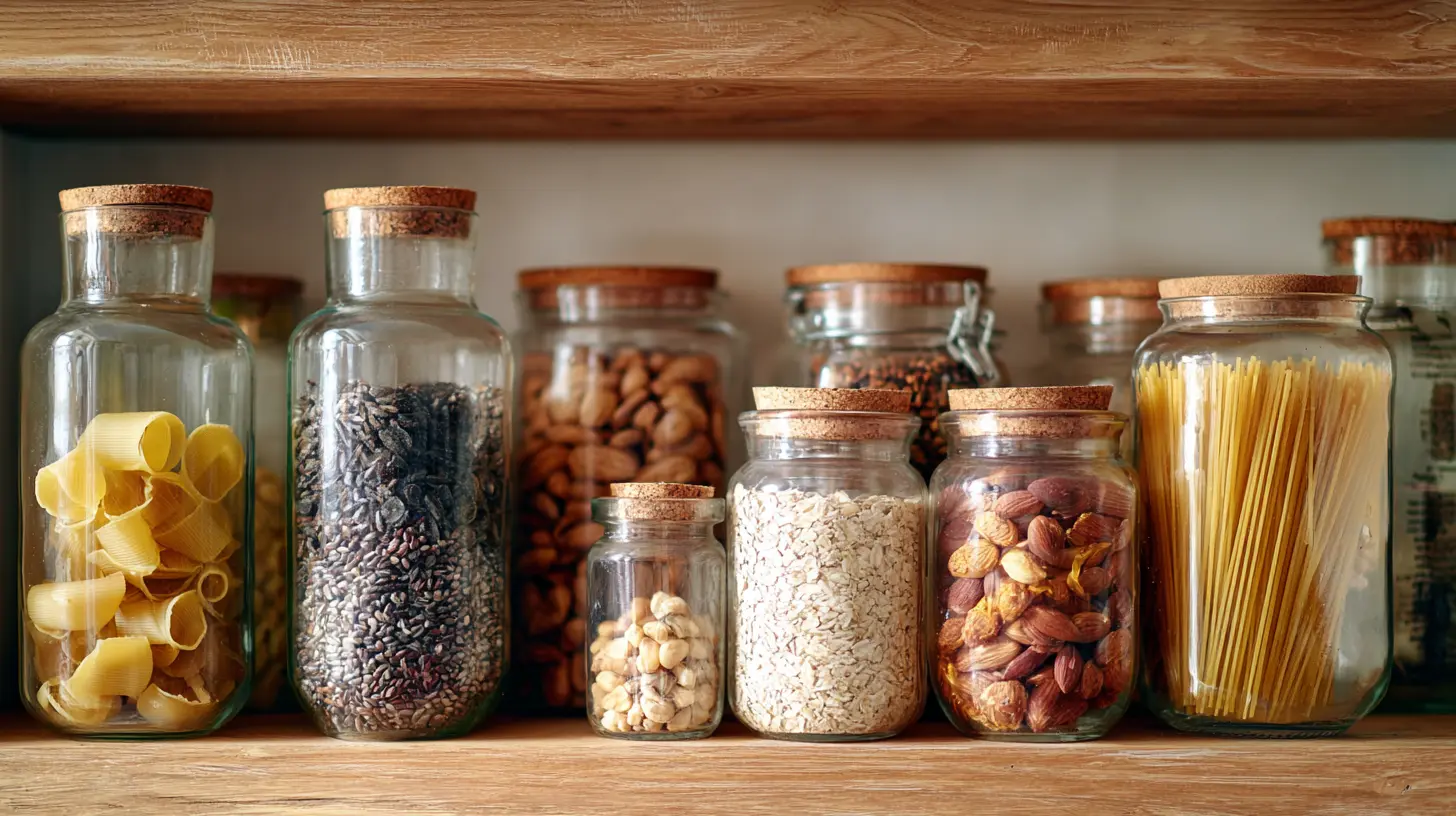
Beyond flour, the grains themselves need an upgrade. White rice is a pantry staple, but it is another high-glycemic food that offers little beyond calories. The swap here is to explore the vast world of whole grains. Brown rice is the obvious choice, but even it has a relatively high glycemic index. For a more robust option, try farro, barley, or sorghum.Farro, an ancient wheat variety, has a chewy texture and a nutty flavor that holds up beautifully in salads and soups. It is packed with fiber, protein, and magnesium. Barley is another champion of fiber, particularly beta-glucan, making it excellent for heart health. Its pearled variety cooks faster, but the hulled version retains more nutrients, albeit with a longer cooking time. Sorghum is a gluten-free ancient grain that is incredibly versatile. It can be popped like popcorn, cooked like rice, or ground into flour. It is a nutritional powerhouse, rich in antioxidants and iron.
The practical swap here is to adopt a "grain rotation" in your pantry. Instead of buying one massive bag of white rice, buy smaller quantities of three or four different whole grains. This not only diversifies your nutrient intake but also keeps your meals from becoming monotonous. The cooking time is often longer, but modern pressure cookers have made this a non-issue. You can cook a large batch of farro or barley on the weekend and use it throughout the week in bowls, salads, and as a side dish. This is a prime example of a swap that requires a small amount of foresight but pays massive dividends in satiety and long-term health.
The Sweet Truth: Rethinking Sugar and Sweeteners
The modern diet is saturated with added sugar, and the pantry is ground zero. The swap here is not just about choosing a "healthier" sugar substitute, but about retraining your palate and understanding the role of sweetness in your cooking.#
The Problem with "Healthy" Sugars
The market is flooded with alternatives like agave nectar, coconut sugar, and date syrup, all of which are marketed as healthier than white sugar. The truth is more complicated. Agave nectar is very high in fructose, which can be even more detrimental to liver health than glucose. Coconut sugar is indeed less refined and contains some inulin and minerals, but its glycemic index is not dramatically lower than regular sugar. The fundamental issue is that these are still concentrated sources of sugar and should be treated as such.The most effective swap is to move away from liquid and granulated sweeteners toward whole-food sweeteners. Date paste is a prime example. Made by blending soaked dates with water, it provides sweetness along with fiber, potassium, and antioxidants. The fiber in the dates helps to slow down the absorption of the natural sugars, preventing the dramatic blood sugar spikes associated with refined sugar. You can use date paste in place of sugar in many recipes for smoothies, oatmeal, and even some baked goods, though you may need to adjust the liquid content.
Another smart swap is to use spices to enhance perceived sweetness. Cinnamon, nutmeg, and vanilla extract can trick the palate into perceiving a food as sweeter than it is. By adding a teaspoon of cinnamon to your coffee or a dash of nutmeg to your oatmeal, you can reduce the amount of sweetener you need by half. This is a subtle but powerful technique that works with your biology rather than against it.
#
Decoding the Label
A critical skill for the 2027 pantry is the ability to spot hidden sugars. Manufacturers use over 50 different names for sugar, and they often hide in plain sight in savory items like pasta sauces, salad dressings, and marinades. The swap is not just about your sugar bowl; it is about auditing your entire pantry for added sugars. Look for terms like "cane juice," "brown rice syrup," "maltodextrin," and "fruit juice concentrate." These are all forms of added sugar.The best practice is to swap pre-made sauces and dressings for homemade versions. A basic vinaigrette of olive oil, vinegar, and Dijon mustard takes two minutes to whisk together and contains no hidden sugar. A simple tomato sauce made from crushed tomatoes, garlic, and herbs is far superior to most jarred versions, which often add sugar to balance acidity. This is a swap that requires a bit more effort but puts you back in control of your food. By 2027, the expectation should be that you know exactly what is in your sauces because you made them yourself.
Fats and Oils: Choosing for Function and Flavor
Dietary fat has been wrongly demonized for decades. The 2027 pantry recognizes that healthy fats are essential for hormone production, brain function, and the absorption of fat-soluble vitamins. The swap here is to eliminate industrial seed oils and embrace stable, nutrient-rich fats.#
The Problem with Industrial Seed Oils
Oils like canola, soybean, corn, and sunflower are ubiquitous in processed foods. They are often extracted using harsh chemicals and are high in omega-6 fatty acids. While we need some omega-6s, the modern diet is heavily skewed toward them, creating a pro-inflammatory state. The swap is to replace these with oils that are either low in polyunsaturated fats or have a better balance of omega-3 to omega-6.Extra-virgin olive oil (EVOO) should be your primary cooking and finishing oil. It is rich in monounsaturated fats and polyphenols, which are powerful antioxidants. A common misconception is that you cannot cook with EVOO because it has a low smoke point. While it is not ideal for deep-frying, it is perfectly safe and stable for sautéing and roasting at temperatures up to 400°F (200°C). For high-heat searing, avocado oil is an excellent alternative. It has a very high smoke point and a neutral flavor, making it perfect for stir-fries and grilling.
#
The Return of Traditional Fats
Beyond liquid oils, the pantry should include traditional fats like coconut oil, grass-fed butter, and ghee. These fats are heat-stable and provide unique flavors and nutritional profiles. Coconut oil is rich in medium-chain triglycerides (MCTs), which are metabolized differently and can be used for quick energy. However, it is also high in saturated fat, so moderation is key.Grass-fed butter and ghee are excellent sources of butyrate, a short-chain fatty acid that supports gut health. Ghee is clarified butter, meaning the milk solids have been removed, making it lactose-free and suitable for high-heat cooking. The trade-off is that these fats are calorie-dense. The swap is not about consuming them in unlimited quantities, but about replacing the low-quality seed oils in your diet with these higher-quality, more flavorful fats. A teaspoon of ghee to finish a bowl of rice or a pat of grass-fed butter on your roasted vegetables adds a depth of flavor that makes the food more satisfying, leading to better portion control.
The Protein & Pantry Powerhouses: Beyond the Can
Protein is the building block of every cell, and your pantry should be well-equipped to provide plant-based and seafood options that are shelf-stable and versatile.#
Canned Fish: A Nutritional Goldmine
Canned tuna is a classic, but the 2027 pantry should expand its horizons. Canned salmon and sardines are nutritional powerhouses, rich in omega-3 fatty acids, vitamin D, and calcium (if you eat the bones). The swap here is to choose these smaller, oily fish more often than tuna. Tuna, especially albacore, is higher in mercury. Sardines and salmon are lower on the food chain, meaning they accumulate fewer toxins.The challenge for many is the taste and texture. Sardines can be an acquired taste, but they are incredibly versatile. You can mash them with lemon juice and olive oil for a spread on toast, or toss them with pasta, cherry tomatoes, and capers. The key is to buy them in high-quality olive oil rather than soybean oil, which is often used as a cheaper filler. This swap is a direct way to increase your intake of omega-3s, which are crucial for cardiovascular and brain health.
#
Beans and Legumes: The Unsung Heroes
Dried beans are the ultimate pantry staple for health and budget. They are incredibly cheap, high in fiber and protein, and have a low glycemic index. The swap here is to move from canned beans to dried beans. While canned beans are convenient, they often contain high levels of sodium and can have a mushy texture. Dried beans, when cooked properly, have a superior texture and flavor.The perceived barrier to dried beans is the soaking and cooking time. However, this is easily overcome with a pressure cooker. You can cook a pound of chickpeas or black beans from dry in under an hour without pre-soaking. The process is simple: rinse the beans, add them to the pressure cooker with water and aromatics like garlic and bay leaves, and cook. Once cooked, they can be portioned and frozen for later use. This swap gives you complete control over the sodium content and allows you to infuse the beans with flavor during the cooking process. By 2027, a well-stocked pantry should have a variety of dried beans, lentils, and legumes like chickpeas, black beans, and red lentils, ready to become soups, stews, and dips.
#
Nuts and Seeds: The Crunch Factor
Nuts and seeds are perfect for snacks and for adding texture to meals, but they are also prone to going rancid. The swap here is to buy them raw and dry-toast them yourself. Pre-roasted nuts often contain unhealthy oils and excess salt. When you buy raw nuts and seeds, you can control the roasting process. A quick toast in a dry skillet over medium heat for a few minutes enhances their natural nutty flavor without any added fats.The pantry of 2027 should include a variety of seeds, such as chia, flax, hemp, and sesame. Chia and flax seeds are excellent sources of plant-based omega-3s and fiber. They can be used as an egg replacer in baking (one tablespoon of chia or ground flax mixed with three tablespoons of water equals one egg) and to thicken smoothies and puddings. The critical thing to remember with flax seeds is that they must be ground for your body to access their nutrients. Store whole flax seeds in the pantry and grind them in a coffee grinder as needed, or buy them pre-ground and store them in the freezer to prevent rancidity.
The Flavor Factor: Upgrading Your Seasonings
A pantry full of healthy whole foods is only useful if it produces flavorful meals. The 2027 pantry elevates the role of seasonings to make healthy eating a pleasure, not a chore.#
Salt: Quality Over Quantity
Not all salt is created equal. Standard table salt is heavily processed and stripped of its trace minerals. The swap here is to use unrefined sea salt or Himalayan pink salt. These salts contain trace minerals like magnesium, potassium, and calcium, which are often lacking in modern diets. The flavor is also more complex and less harsh than table salt. This swap is not about eating more salt; it is about getting more nutritional value from the salt you do use.#
The Umami Bomb: Miso and Nutritional Yeast
One of the biggest challenges in healthy cooking is creating savory depth without relying on excessive salt or MSG. This is where umami-rich ingredients come in. White or yellow miso paste, made from fermented soybeans, is a fantastic addition to soups, sauces, and marinades. It provides a deep, salty, savory flavor that is also a source of probiotics, which are beneficial for gut health. A teaspoon of miso stirred into a pan sauce or a bowl of soup adds immense complexity.Nutritional yeast is another pantry hero. It has a cheesy, savory flavor and is fortified with B vitamins, including B12, which is crucial for those on a plant-based diet. It can be sprinkled on popcorn, pasta, or roasted vegetables to add a cheesy flavor without dairy. The swap here is to see these ingredients not as substitutes for cheese or salt, but as powerful flavor enhancers in their own right. They allow you to cook with less salt and less fat while still delivering a satisfying punch of flavor.
#
Spices: Freshness is Key
Ground spices lose their volatile oils and potency over time. The swap here is to buy whole spices and grind them yourself. A spice grinder or a simple mortar and pestle can transform whole cumin, coriander, fennel, and peppercorns into a fragrant powder that is vastly superior to anything pre-ground. Whole spices also have a longer shelf life, so you can buy them in smaller, more manageable quantities.This practice is not just about flavor; it is also about health. Many spices, like turmeric and ginger, have potent anti-inflammatory properties. By using fresh, potent spices, you are more likely to use them generously, maximizing their health benefits. The ritual of toasting and grinding whole spices for a meal can also be a mindful practice, connecting you more deeply to the cooking process.
The 2027 Pantry Audit: A Step-by-Step Plan
Making these changes feels overwhelming if you try to do it all at once. The best approach is a structured pantry audit. The goal is not to be perfect, but to be intentional.The first step is the removal phase. Take everything out of your pantry and group items into categories. Look at the expiration dates and the ingredient lists. Be honest with yourself about what you will actually use. Items that are past their prime, or that you bought for a single recipe and never used again, should be discarded or donated. This creates space and clarity.
The second step is the analysis phase. Look at the items you are keeping. Ask yourself: What is the primary ingredient? Is there a large amount of added sugar or salt? Does it contain industrial seed oils or artificial ingredients? If you cannot pronounce an ingredient, it is probably not something you want to be eating on a regular basis. This is when you identify your unique "swap list." For example, if you have a bottle of canola oil, your swap is to replace it with olive oil when it runs out. You are not throwing it away, you are just not buying it again.
The third step is the restocking phase. Do not go out and buy a million new things. Start with the fundamentals: a good extra-virgin olive oil, a bottle of avocado oil, a container of sea salt, a variety of dried beans, some whole grains like farro or brown rice, a bag of raw nuts and seeds, and a jar of miso. With these essentials, you can make an astonishing variety of healthy meals. As you run out of specific items, you can then make the conscious choice to replace them with their healthier counterparts. This gradual, sustainable approach is far more effective than a drastic, all-at-once overhaul.
all images in this post were generated using AI tools
Category:
Healthy CookingAuthor:

Madeline Howard
Discussion
rate this article
1 comments
Nyari Wyatt
These pantry swaps can significantly improve your diet. Small changes like choosing whole grains lead to big health benefits over time.
September 3, 2026 at 3:53 AM
Madeline Howard
Absolutely, small changes add up. Whole grains are a great choice for lasting health benefits.