Shopping for Better Skin: What to Put in Your Cart
21 October 2026
Grocery store lighting is designed to make produce look good. It is not designed to make you look good. Yet somewhere between the dairy aisle and the checkout line, a lot of us are quietly hoping our cart will do something for our face. And honestly? That hope is not crazy. Skin is a living organ, not a static surface, and what you eat, drink, and bring home shapes it in ways that no serum can fully override.
The problem is that the internet has turned the grocery store into a minefield. One week, dairy is the villain. The next, it is seed oils. Collagen powders promise to reverse a decade. "Skinny" teas promise to fix everything else. Meanwhile, the actual research is more modest and more interesting than the noise suggests. So let us walk the aisles together, with a realistic cart and a healthy skepticism about anything sold with a before-and-after photo.
The Skin Is an Organ, Not a Billboard
Before we put anything in the cart, we need to understand what we are feeding. Your skin is the largest organ in your body, and it turns over constantly. The outer layer, the stratum corneum, is basically a brick wall: skin cells are the bricks, and a mix of lipids and proteins acts as the mortar. When that mortar is weak, water escapes and irritants get in. That is what "dry, sensitive skin" often is at the structural level.Building and repairing that wall takes raw materials: protein for structure, fats for the mortar, vitamin C for collagen production, zinc for healing and inflammation control, and a long list of micronutrients that act as cofactors in the chemical reactions your skin runs every day. None of this means a single smoothie will transform your face by Friday. It means your diet sets the baseline that your skincare routine either builds on or fights against.
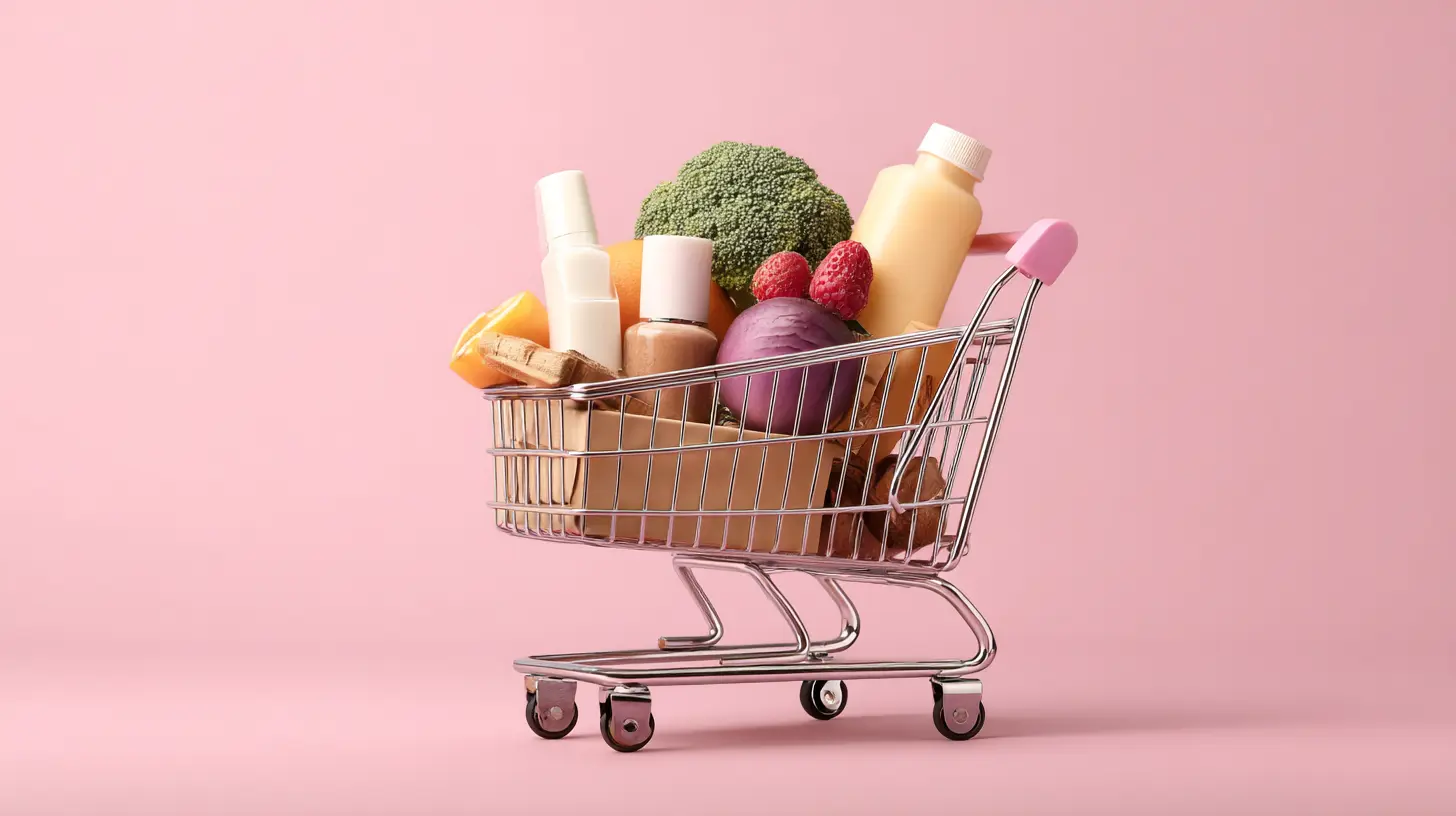
Here is the analogy I use with clients: skincare products are like paint, and nutrition is like the wall underneath. You can buy expensive paint, but if the wall is crumbling, the paint will not save it. Conversely, a solid wall with cheap paint can still look decent. Most of us are overinvesting in paint and underinvesting in walls.
The Produce Section: Color Is Not Decoration
Plants make pigments to protect themselves from sunlight and stress. When we eat those pigments, some of that protection transfers to us. This is not mystical; it is biochemistry.Tomatoes, Watermelon, and the Lycopene Question
Lycopene, the pigment that makes tomatoes red, is a carotenoid with documented antioxidant activity in the skin. The interesting detail most articles skip: lycopene is better absorbed from cooked tomatoes than raw ones, because heat breaks down cell walls and makes the compound more available. A drizzle of olive oil helps further, since lycopene is fat-soluble. So a tomato sauce simmered with olive oil is, from a skin-nutrition standpoint, a smarter buy than a sad raw tomato in January.Watermelon gives you lycopene too, plus water content that supports hydration. Is it a "skin food"? It is a reasonable contributor. Should you build your entire diet around it? No. That is the pattern you will see throughout this article: useful contributors, not magic bullets.
Leafy Greens and the Vitamin C Reality Check
Vitamin C is genuinely important for skin. It is a required cofactor for the enzymes that stabilize collagen, and it is a decent antioxidant in its own right. But here is where the supplement industry gets loose with the truth: taking gram-sized doses of vitamin C does not proportionally increase collagen production. Your body absorbs what it needs and excretes much of the rest. The goal is sufficiency, not saturation.Practically, this means a bell pepper, a kiwi, or a handful of leafy greens most days covers you comfortably. Bell peppers are quietly one of the best vitamin C sources per calorie, and they are cheap. If you are going to spend money on skin nutrition, spend it here rather than on a tub of flavored vitamin powder.
Berries and the Polyphenol Story
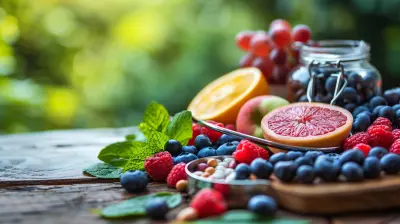
Berries are rich in polyphenols, compounds that plants use for their own defense and that appear to support the skin's own antioxidant systems. The honest version of this story: the evidence is promising but not dramatic. Polyphenols are not going to erase wrinkles. They are a reasonable part of a diet that, overall, reduces oxidative stress.The trade-off to consider is cost. Fresh berries are expensive and spoil fast. Frozen berries retain most of their nutrients and cost less. If budget matters, frozen is not a compromise; it is often the smarter buy.
The Protein Aisle: The Building Blocks Nobody Talks About
Collagen supplements get all the attention, but the less glamorous truth is that your body builds collagen from amino acids, and it gets those from dietary protein. If you are skimping on protein overall, no collagen powder will compensate.Eggs, Fish, and the Zinc Connection
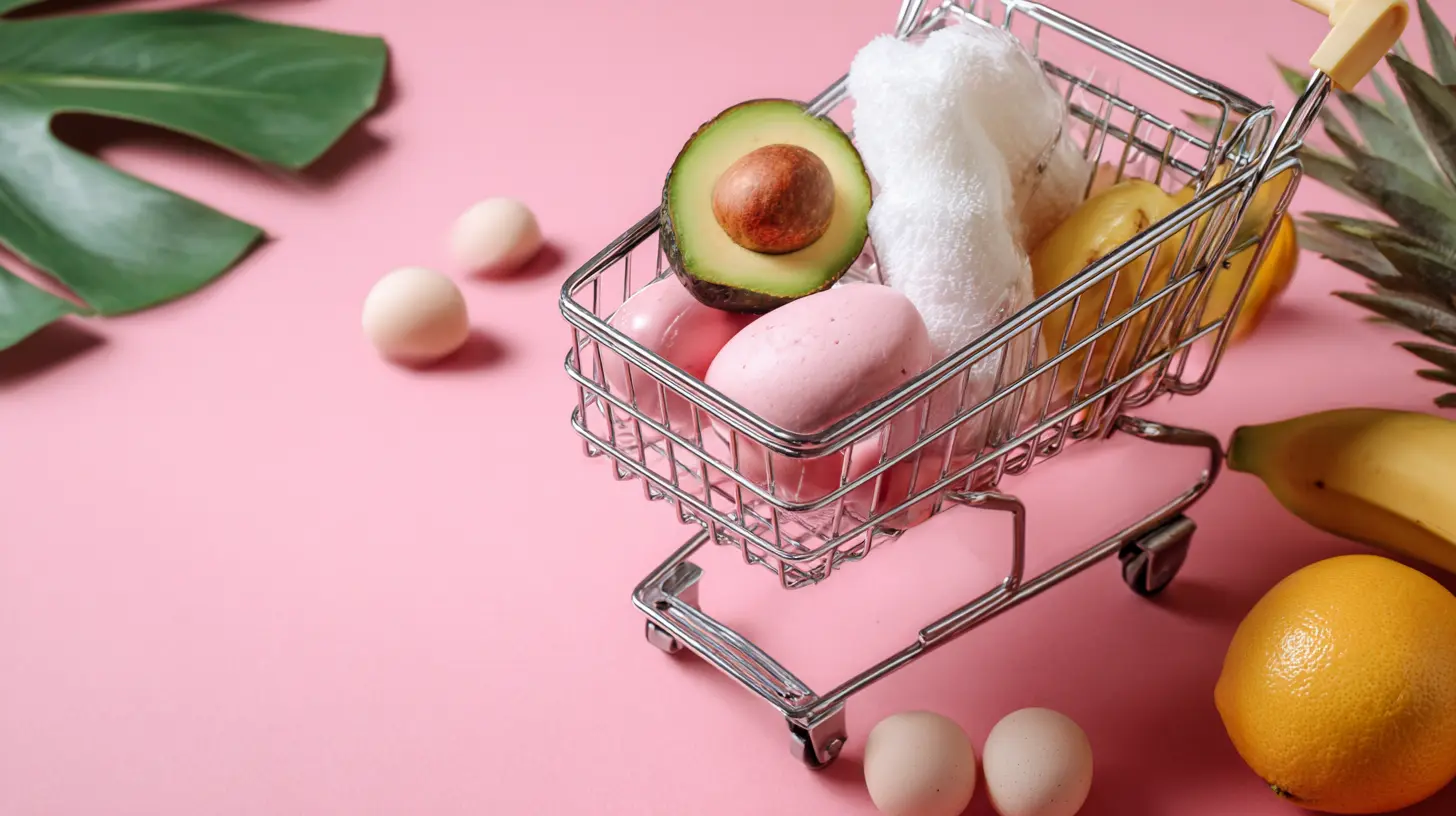
Eggs are a compact package of protein, B vitamins, and selenium. Fish, particularly oily fish like salmon, delivers protein plus omega-3 fatty acids, which have anti-inflammatory effects that can matter for skin conditions with an inflammatory component. Zinc, found in eggs, shellfish, and meat, is involved in wound healing and skin repair. People with low zinc intake sometimes notice slower healing and more irritation.This is why I push back on the idea that skin nutrition is a plant-only conversation. It can be, but it requires more planning. If you eat plant-based, you need to be deliberate about protein combining, zinc sources like legumes and seeds, and omega-3s from flax, chia, or algae supplements. It is entirely doable. It is just not automatic.
The Collagen Powder Question
Should collagen powder go in the cart? Maybe, with caveats. When you eat collagen, your digestive system breaks it into amino acids and small peptides; it does not travel intact to your face. Some studies suggest collagen peptides may support skin elasticity and hydration, but the research is still developing, results vary, and the products are expensive.My practical take: if you enjoy it, tolerate it, and can afford it, it is a low-risk addition. If you are choosing between collagen powder and adequate protein from real food, choose the food. And be skeptical of any brand implying their powder goes directly to your cheeks. That is not how digestion works.
The Dairy and Sugar Debate: Nuance Over Dogma
This is where conversations get heated, so let us be careful and honest.Dairy Is Not Universally Bad
Dairy does not wreck everyone's skin. For some people, particularly those prone to acne, dairy, especially skim milk, has been associated with breakouts in observational research. The proposed mechanisms involve hormones and growth factors in milk and the blood sugar response to lactose. But association is not causation, and plenty of people eat dairy daily with clear skin.What should you do? If you suspect dairy is an issue for you, run a structured trial: remove it for four to six weeks, keep everything else stable, and observe. If nothing changes, dairy was not your problem. If your skin improves, you have your answer, and you can decide whether the trade-off is worth it. Do not eliminate a whole food group because a stranger on the internet was confident.
Sugar and Glycemic Load: The More Reliable Lever
The evidence linking high-glycemic diets to acne is stronger than the dairy evidence. Foods that spike blood sugar quickly, like white bread, sugary drinks, and candy, appear to promote inflammation and increase sebum production in some people. The practical move is not to demonize sugar but to reduce the spikes: pair carbohydrates with protein and fat, choose whole grains more often, and keep sugary drinks occasional rather than constant.This is a good example of why "eat clean for your skin" is useless advice. The mechanism matters. Blood sugar spikes, inflammation, and hormonal responses are the levers. Once you understand the levers, you can make choices without fear.
The Beverage Aisle: Hydration, Caffeine, and Alcohol
Water: Necessary, Not Magic
Drinking water is essential for health, and severe dehydration shows up in the skin. But the popular claim that drinking extra water beyond your thirst "flushes toxins" and gives you glowing skin is overstated. Your kidneys regulate fluid balance carefully. The realistic goal is adequate hydration, not heroic hydration. If your urine is pale yellow most of the day, you are fine. If you hate plain water, tea and water-rich foods count.Caffeine and Alcohol: Moderation With a Reason
Coffee is not the skin villain it is sometimes made out to be, and it delivers polyphenols. The issue is usually what comes with it: sugar, cream, and six cups a day that disrupt sleep. Sleep, by the way, is one of the most underrated skin interventions available, and it is free.Alcohol is a different story. It is dehydrating, it disrupts sleep architecture, and heavy intake is associated with skin changes over time. An occasional drink is unlikely to matter. Using alcohol as a nightly sleep aid is a habit worth examining, for your skin and everything else.
The Supplement Shelf: Where Money Goes to Die
The supplement aisle is the most profitable square footage in the store and the least regulated. Here is how to think about it.What Is Worth Considering
- Vitamin D: If you have limited sun exposure or a documented deficiency, this is one of the few supplements with broad, well-supported benefits, including immune and skin health.- Omega-3s: Useful if you do not eat oily fish regularly. Compare algae-based and fish-based options on cost and sustainability.
- Zinc: Worth discussing with a clinician if you have a deficiency or a specific skin condition, but chronic high doses interfere with copper absorption. More is not better.
What Is Usually a Waste
- "Skin glow" blends: Often underdosed, proprietary, and expensive. Check whether the ingredients have evidence at the doses provided. Usually they do not.- High-dose biotin: Popular for hair and nails, but evidence for skin is thin, and high doses can interfere with certain lab tests. Talk to your doctor before using it.
- Detox teas: Laxatives in a pretty box. Skip.
The rule I give people: buy supplements for a specific, identified gap, not for a general vibe. And if a product's marketing is more detailed than its ingredient panel, put it back.
The Freezer Aisle: The Underrated Hero
Frozen vegetables and fruit are picked at peak ripeness and flash-frozen, which preserves most nutrients. They are cheaper, last longer, and reduce food waste. For skin nutrition, that means you can keep spinach, berries, and broccoli on hand without the guilt spiral of watching them rot in the crisper.The one caveat: check for added sauces, sugar, and sodium in frozen meals and seasoned blends. Plain frozen produce is the move.
What Actually Goes in the Cart
Here is a realistic weekly haul, not a fantasy one:- Bell peppers, tomatoes, leafy greens, broccoli, carrots
- Frozen berries and frozen spinach as backups
- Eggs, plain yogurt or a plant-based alternative, canned or fresh fish, tofu or legumes
- Oats, whole grain bread, brown rice or quinoa
- Nuts and seeds, especially pumpkin seeds for zinc
- Olive oil for cooking and dressing
- Water, tea, and coffee without a dessert attached
Notice what is not there: powders, potions, and anything with a cartoon mascot promising radiance. Those are optional extras, not foundations.
Common Mistakes and Misconceptions
Mistake one: treating food as a treatment. Diet supports skin health, but it does not replace dermatology. Persistent acne, eczema, rosacea, and suspicious moles need a professional, not a grocery list.Mistake two: changing everything at once. If you overhaul your diet, your skincare, and your sleep in the same week, you will never know what worked. Change one variable at a time.
Mistake three: chasing single foods. No single food transforms skin. The pattern of your diet over weeks and months is what matters.
Misconception: "Natural" means better. Poison ivy is natural. So is cyanide. Marketing language is not evidence.
Misconception: expensive equals effective. The most expensive item in your cart is rarely the one doing the most for your skin. Bell peppers and eggs are cheap and quietly excellent.
A Final Word Before Checkout
Shopping for better skin is less about finding secret ingredients and more about building a cart that supports the boring, reliable processes your body already runs: protein for repair, fats for barrier function, micronutrients for the reactions that keep skin resilient, and enough fiber and water to keep everything moving. The glamorous products are optional. The foundation is not.If you take one thing from this article, make it this: your skin is not a problem to be solved with a purchase. It is an organ to be supported with a pattern. Fill your cart accordingly, and let the fancy serums be the paint on a wall that is already standing strong.
all images in this post were generated using AI tools
Category:
Healthy ShoppingAuthor:

Madeline Howard