Nutritional Strategies for Training in Hot Weather
13 August 2026
When the sun blazes high and the pavement shimmers like a mirage, training becomes tougher. Your sweat drips like a leaky faucet, your heart pounds like a bass drum, and your mouth feels like you’ve swallowed cotton. It’s no secret—working out in high heat drains your energy faster than usual. But here’s the kicker: what you eat and drink can make or break your performance.
Let’s dive into the world of nutritional strategies for training in hot weather, with a lyrical rhythm, some real talk, and a whole lot of practical advice. Whether you're a weekend warrior or chasing podiums, this one's for you.
Why Heat Changes Everything
Okay, first things first—training in hot weather isn’t just training with extra sunshine. When the temperature rises, your body’s priority shifts. It works overtime to keep your internal thermostat around a perfect 98.6°F (37°C). That means more sweat, more fluid loss, and more stress on your heart and muscles.So what’s the big deal?
- You sweat more → You lose water and electrolytes.
- Your blood thickens → Harder to deliver oxygen to your muscles.
- Your energy drains faster → You fatigue quicker.
That’s why nutrition in the heat matters. It’s not just about chugging a bottle of water and crossing your fingers—you need a strategy.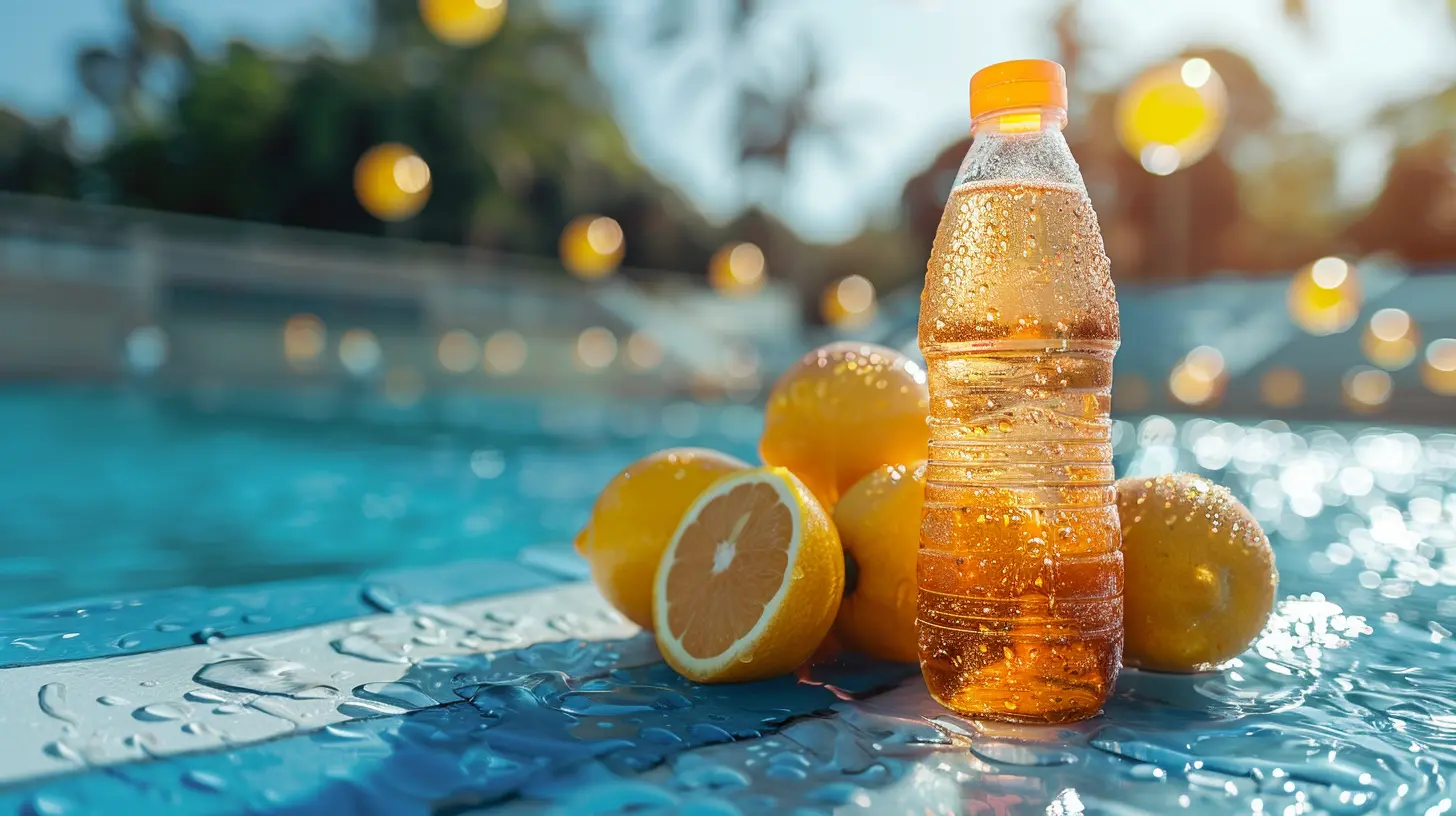
Hydration: The Foundation of Hot-Weather Training
Water Is Life, But Electrolytes Are the Spark
Think of your body like a car engine. Water keeps things cool, but electrolytes? They’re the spark plugs—essential for keeping your heartbeat steady, your muscles firing, and your brain focused.Sodium, potassium, magnesium, calcium—these are the big names you’re sweating out. Lose too many, and you're facing cramps, dizziness, and, in worst cases, heat stroke.
How Much Should You Drink?
Good question. While needs vary, aim for:- About 16-20 oz (500-600 ml) of water 2-3 hours before training.
- 7-10 oz (200-300 ml) every 15-20 minutes during training.
- Add electrolytes if you’re sweating buckets (especially in sessions over 60 minutes).
Bonus tip: Monitor your pee. Pale yellow? You’re golden. Dark amber? Time to up that H2O intake.
DIY Electrolyte Drink
Don’t want to splurge on fancy sports drinks? Mix this up:- 16 oz water
- 1/8 tsp sea salt (sodium)
- 1 tbsp lemon or lime juice (flavor + potassium)
- 1 tsp honey (tiny carb boost)
Easy, cheap, and better than plain water during long, sweaty workouts.
Timing Is Everything: Pre-, During-, and Post-Workout Fueling
Pre-Workout: Load Light, Load Right
You wouldn’t go on a road trip with an empty gas tank, right? Same goes for training in heat—except you don’t want to overdo it either.2–3 Hours Before:
- Go for a balanced carb-rich meal like oatmeal with banana or rice with grilled chicken and veggies.
- Keep fat and heavy fiber low—too hard to digest in the heat.
30–60 Minutes Before:
- Grab a light snack—banana, energy bar, or toast with nut butter.
- Sip water or an electrolyte drink.
No greasy burgers. No triple espressos. Your gut (and your sweat glands) will thank you.
During Workout: Keep It Steady
For workouts under 60 minutes? Water usually does the trick.Over an hour? You need:
- 30-60 g carbs/hour
- Electrolytes (especially sodium and potassium)
Think energy gels, sport drinks, or chews. They're easy to digest and quick to act. Every 20 minutes, take a small sip or bite. Don’t wait till you’re thirsty or drained—that’s too late.
> Ever felt bonked mid-run or dizzy during a ride? That’s your body waving a white flag for carbs and salt.
Post-Workout: Rebuild the Temple
Heat doesn’t just drain you—it tears you down. But recovery nutrition can lift you back up.Within 30-45 minutes after that hot sweat fest, aim for:
- 20-30g of protein (for muscle repair)
- 40-60g of carbs (to refill muscle glycogen)
- Rehydration with electrolytes
Try a smoothie with protein powder, banana, almond milk, and chia seeds. Or grilled chicken wrap with a sports drink. Easy to digest, packed with what you need.
Foods That Help You Beat the Heat
Want the inside scoop? Some foods are practically built for hot weather athletes.Water-Rich Fruits & Veggies:
- Watermelon - 92% water, sweet hydration, and lycopene to fight heat stress.- Cucumber - Light, cool, and refreshing.
- Oranges - Electrolyte-rich and juicy.
- Strawberries, berries, pineapple - Great snack options, rich in antioxidants.
Cooling, Easy-to-Digest Carbs:
- White rice- Quinoa
- Sweet potatoes
- Pasta (especially cold pasta salads!)
Heavier grains like brown rice or legumes can feel like bricks in your belly under heat stress. Save those for cooler days.
Protein Picks for the Heat:
Stick with lean, light proteins:- Grilled chicken or turkey
- Eggs
- Greek yogurt
- Tofu or tempeh
Avoid greasy burgers, thick steaks, or heavy fried foods just before or after training—they’ll sit in your gut like molten lava.
Supplements: Yay or Nay?
Let’s keep it real—supplements aren’t magic, but they can help when used right.Electrolyte Tablets or Powders:
Quick to mix, easy to carry, and they replenish lost minerals better than plain water.BCAAs:
For long, intense training sessions, Branched-Chain Amino Acids might help reduce muscle breakdown—especially if you’re training fasted in the AM heat.Magnesium:
Some athletes swear by magnesium to prevent cramps. Worth trying if you get twitchy calves or nighttime leg cramps after hot training days.Just don’t use supplements as a band-aid for poor nutrition. They’re the sidekick, not the superhero.
Heat Isn't Just Physical—It's Mental Too
Here’s a curveball: training in heat isn’t only draining your muscles. It’s cooking your brain too. Dehydration affects concentration, coordination, even your willpower.Ever felt irritable, unfocused, or just mentally “off” during a hot session?
That’s your brain running on empty.
So alongside electrolytes and carbs, consider:
- Caffeine (in moderation) - Can perk up mental energy.
- Simple sugars - They cross the blood-brain barrier fast and bring back mental sharpness during longer sessions.
Think of your brain as your body’s coach. Feed it right, and it’ll keep the team in line.
Listen to Your Body, Always
Hot weather training isn’t the time to be a hero. If you’re dizzy, nauseous, or seeing stars—stop. Rest. Cool down.No amount of carbs or water can replace good judgment.
Nutritional strategies give you tools, but your instincts keep you safe. Pair both, and you’ve got a winning combo.
Sample Daily Meal Plan for Hot-Weather Training
Morning (Pre-Workout):- Bowl of oatmeal with banana and honey
- 16 oz water with pinch of sea salt
During Workout (60-min+):
- Sips of sports drink or water every 15-20 mins
- 1 energy gel at 45 minutes
Post-Workout:
- Protein smoothie with banana, almond milk, spinach, and protein powder
- Electrolyte water
Lunch:
- Grilled chicken wrap with hummus, spinach, and cucumber
- Fruit salad (watermelon, strawberries, pineapple)
Afternoon Snack:
- Greek yogurt with honey and granola
Dinner:
- Quinoa bowl with tofu, roasted sweet potatoes, avocado, and lime-tahini dressing
Before Bed:
- Chamomile tea and dates or a small handful of almonds
Stay light, stay cool, and fuel right.
The Bottom Line
You can’t out-train the sun. But you can out-smart it.Training in hot weather requires more than grit—it demands fuel, hydration, and recovery dialed up to match the heat. Treat your body like a high-performance machine, and give it the premium fuel it deserves.
So next time you lace up your shoes and step into that furnace of a workout, remember: food isn’t just fuel—it’s armor. Eat smart, drink often, and listen to your body’s whispers before they become screams.
Now go sweat smart, you sun-soaked warrior.
all images in this post were generated using AI tools
Category:
Sports NutritionAuthor:

Madeline Howard
Discussion
rate this article
1 comments
Wilder Snow
Staying hydrated and fueling your body with the right nutrients is key to thriving in hot conditions. Embrace these strategies to enhance your training, boost performance, and enjoy the journey to better health.
August 13, 2026 at 3:31 AM
Madeline Howard
Absolutely, staying hydrated and nourished is crucial. It's all about finding what works best for your body to maintain performance and health in the heat.