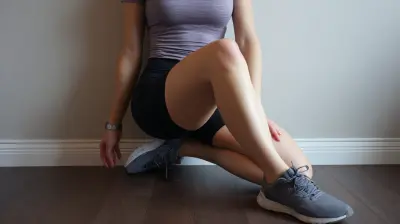
Meditation and Stretching: The Perfect Combination Post-Workout
15 June 2026
Working out is an essential part of a healthy lifestyle. But have you ever thought about what you do after your workout? Most people focus on lifting weights, running, or hitting the gym, but they often overlook a crucial step: recovery.
This is where meditation and stretching come in. When combined, these two practices create a powerful post-workout routine that helps your body recover faster, eases muscle tension, and calms your mind. Let’s dive into why meditation and stretching are the perfect duo for cooling down after exercise.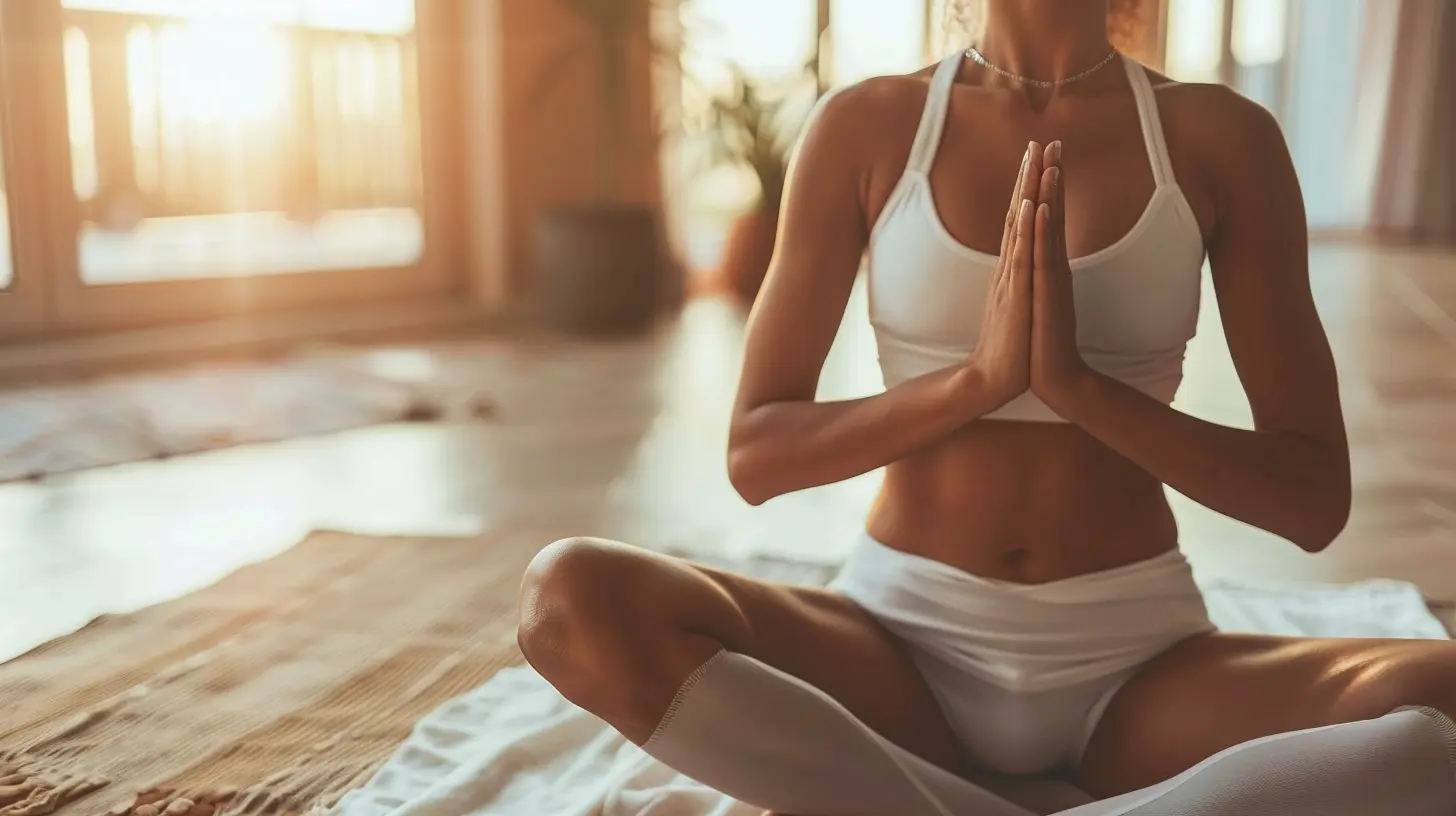
Why Post-Workout Recovery Matters
After an intense workout, your muscles are tired, your heart rate is elevated, and your body has expended a lot of energy. Without proper cool-down and recovery, you might experience stiffness, soreness, and even a greater risk of injury.A good post-workout routine doesn’t just help you relax—it improves flexibility, reduces stress hormones, and promotes overall well-being. And what better way to achieve this than by combining stretching and meditation?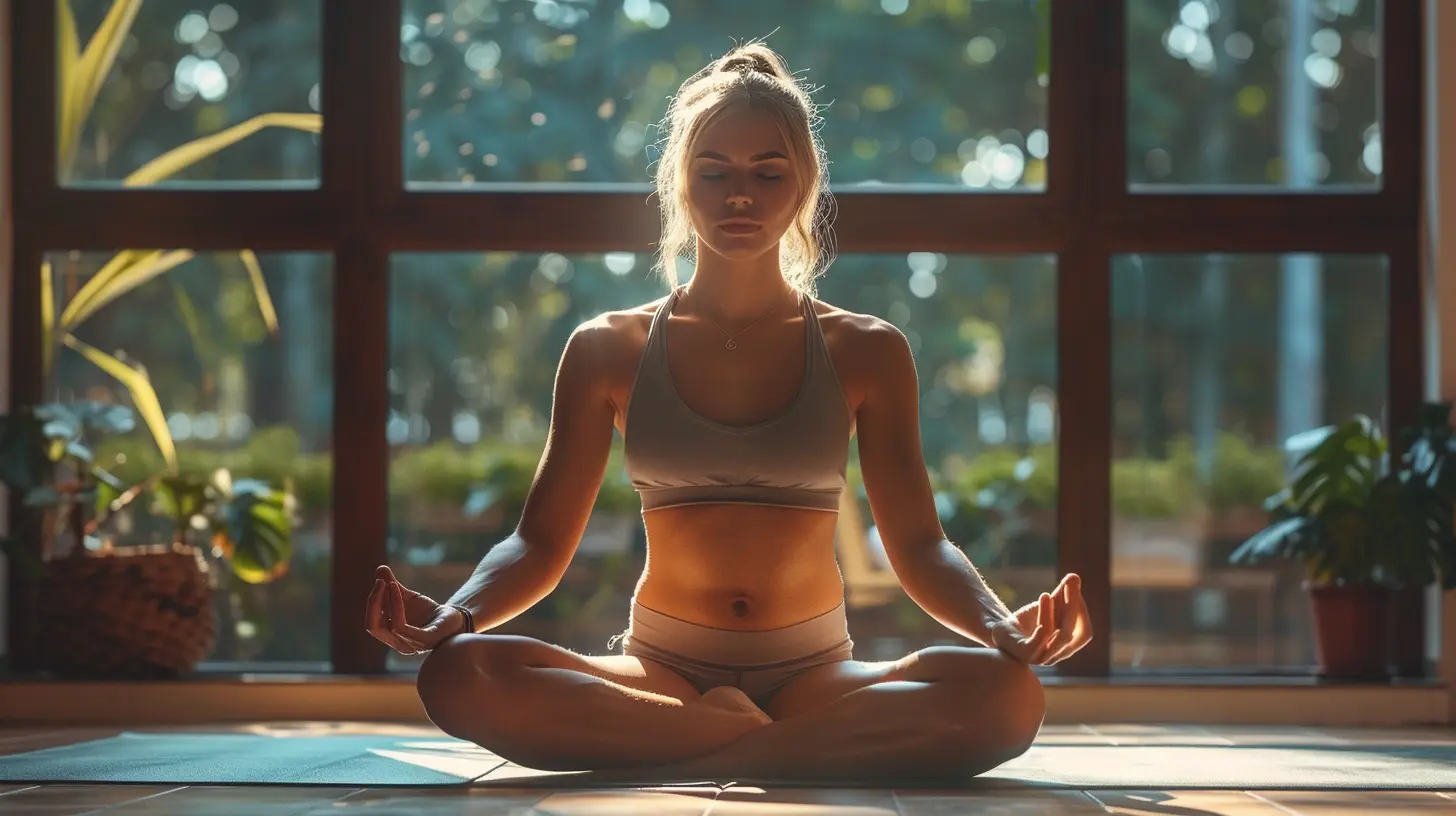
The Power of Stretching After Exercise
1. Reduces Muscle Stiffness and Prevents Injury
During a workout, your muscles contract and tighten. Without proper stretching, this tightness can lead to soreness or worse—injury. Stretching helps by lengthening the muscle fibers and improving blood circulation, which speeds up recovery.2. Improves Flexibility and Mobility
Ever noticed how professional athletes always stretch after a game? That’s because increased flexibility helps with performance and reduces the chances of injury in the long run. The more flexible you are, the easier it will be for your body to move efficiently.3. Relieves Muscle Tension and Enhances Relaxation
Muscles don’t just need to be strong; they need to be relaxed. Stretching helps release built-up tension in the muscles, leaving you feeling lighter and more refreshed.4. Slows Down the Heart Rate and Regulates Breathing
After an intense session, your heart is still racing. Stretching allows your heart rate to gradually slow down and helps you focus on deep, controlled breathing, which is essential for relaxation.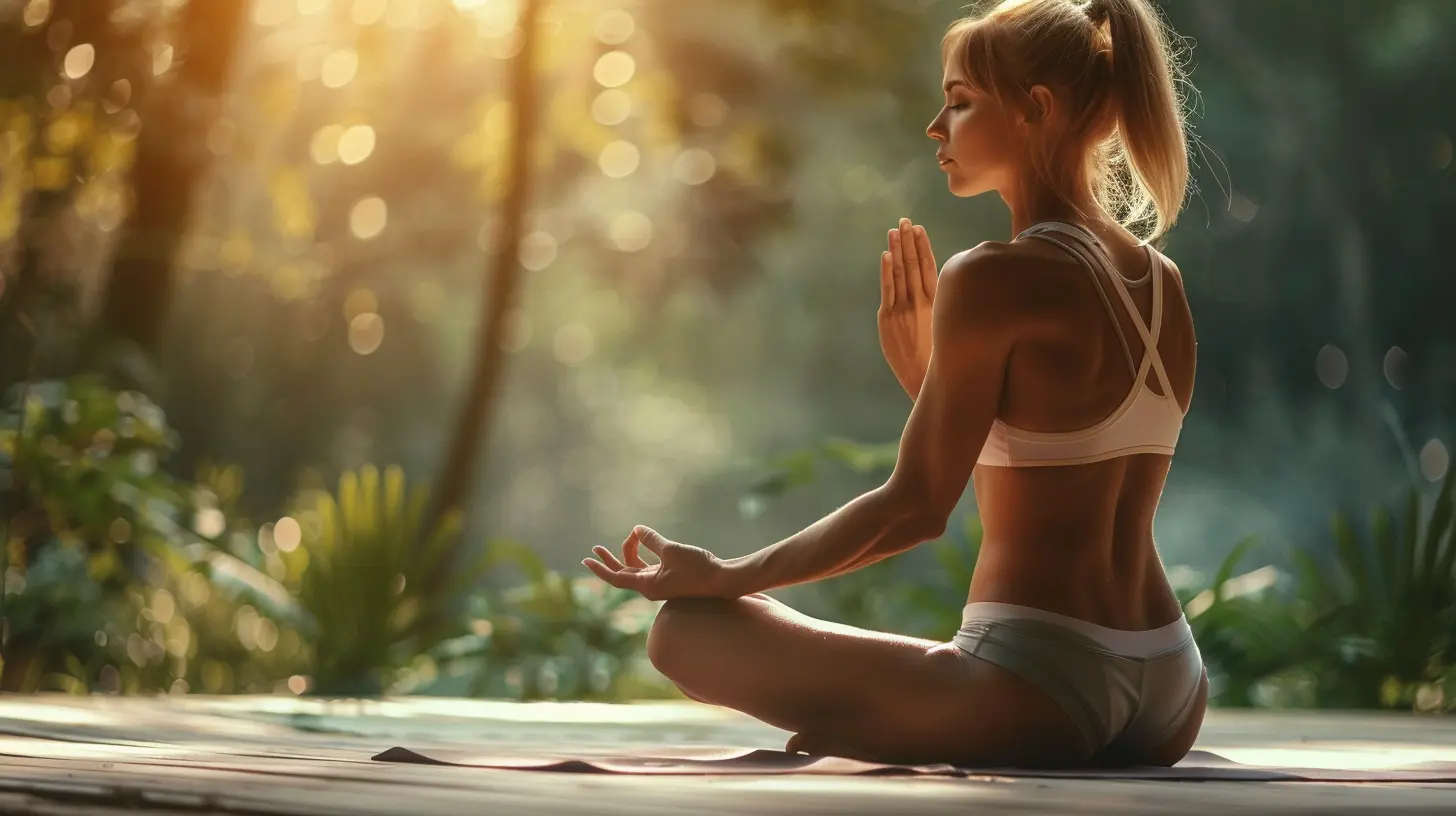
How Meditation Complements Stretching
1. Helps Calm the Mind
Your body isn’t the only thing that needs to cool down after a workout—your mind does, too. Exercise can leave you feeling amped up, but meditation helps you transition from an active state to a restful one.2. Reduces Stress and Enhances Recovery
Workouts create physical stress (which is good), but they also trigger the release of cortisol, the stress hormone. Meditation helps lower cortisol levels, reducing post-workout stress and promoting faster recovery.3. Boosts Mind-Body Awareness
Meditation encourages mindfulness, helping you tune into how your body feels after exercise. This awareness allows you to recognize any discomfort, tension, or soreness—so you can give your body the care it needs.4. Improves Breathing and Oxygen Flow
Proper breathing is key in both stretching and meditation. Deep, mindful breathing increases oxygen flow to the muscles, aiding in their recovery and keeping your body in an optimal state.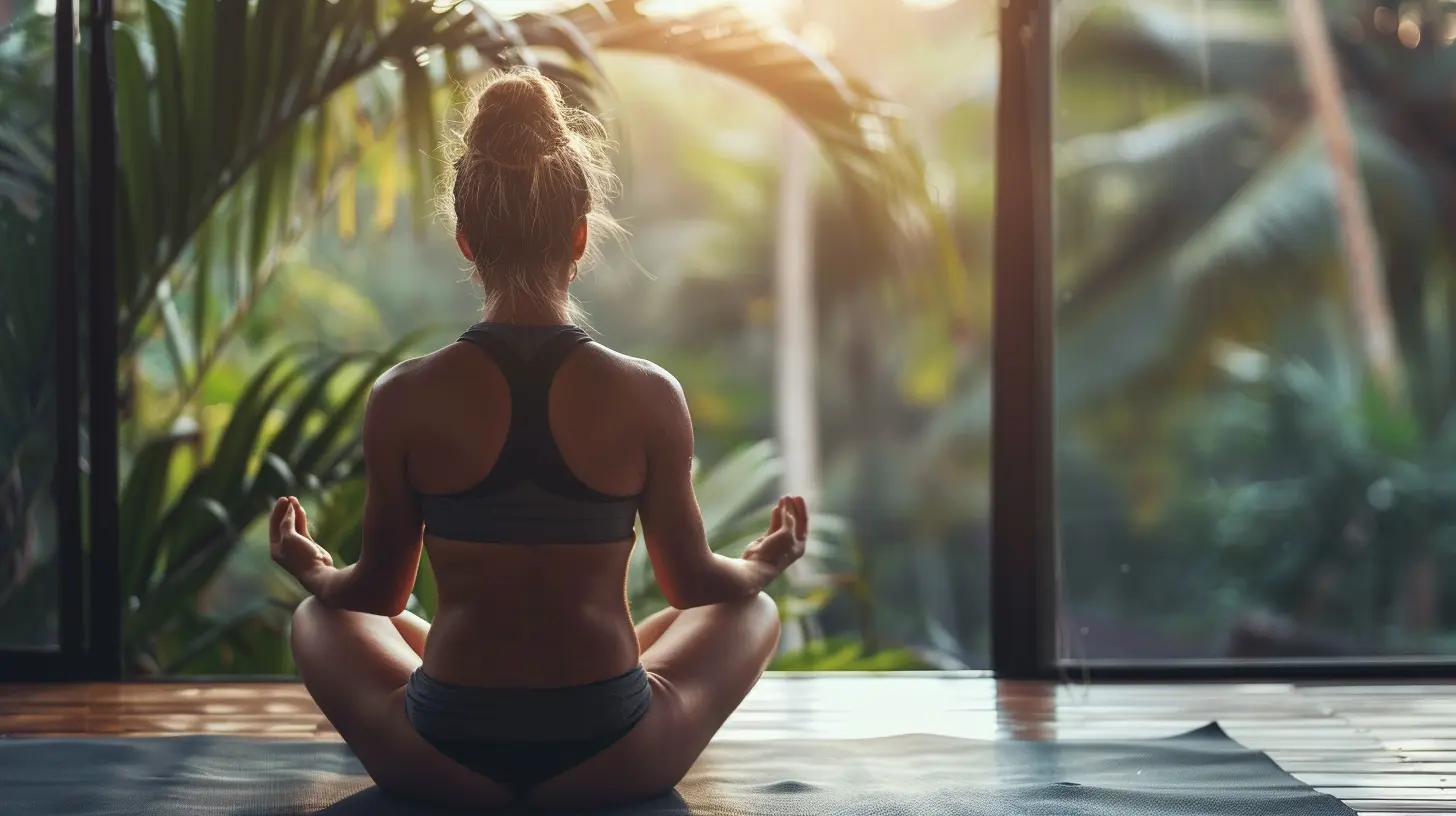
The Best Way to Incorporate Meditation and Stretching After a Workout
Now that we know why this combination is so effective, let’s look at how to incorporate it into your routine.Step 1: Start with Gentle Stretches (5-10 Minutes)
After your workout, take five to ten minutes to stretch. Focus on the major muscle groups you used during your session. Some great post-workout stretches include:- Hamstring stretch – Helps relieve tension in the back of your legs.
- Quad stretch – Opens up the front of your thighs.
- Child’s pose – Stretches the lower back and hips.
- Downward dog – A full-body stretch that feels amazing after a workout.
- Chest opener – Releases tension in the upper body, great for those who lift weights.
Step 2: Transition into Meditation (5-10 Minutes)
Once you’ve stretched, sit in a comfortable position, close your eyes, and focus on your breath. You can follow a guided meditation or simply breathe deeply, letting any thoughts pass without judgment. A simple breathing technique like the 4-7-8 method (inhale for 4 seconds, hold for 7, exhale for 8) can work wonders.Try to focus on:
- The rhythm of your breath.
- The sensations in your body.
- Letting go of any lingering tension from your workout.
Additional Tips for a Relaxing Post-Workout Routine
- Stay Hydrated: Your muscles recover faster when you drink enough water.- Use Aromatherapy: Essential oils like lavender or eucalyptus can enhance relaxation.
- Play Calming Music: Soft instrumental sounds can help you stay focused.
- Dim the Lights: Lower lighting creates a peaceful atmosphere for both stretching and meditation.
The Mind-Body Connection: Why This Duo Works So Well
Stretching and meditation go hand in hand because they both focus on relaxation, mindfulness, and recovery. While stretching relieves physical tension, meditation calms the mental stress. Together, they bring balance to your mind and body—helping you recover faster and feel better.Think of it like this: stretching is the cool-down for your muscles, and meditation is the cool-down for your mind. You wouldn’t leave a workout without stretching, so why leave it without mentally resetting too?
Final Thoughts
If you’re not already combining stretching and meditation into your post-workout routine, now’s the time to start. These simple practices can make a huge difference in how you feel, both physically and mentally.So next time you finish a workout, take a few extra minutes to stretch and meditate—your body (and mind) will thank you for it.
all images in this post were generated using AI tools
Category:
Home WorkoutsAuthor:

Madeline Howard
Discussion
rate this article
2 comments
Renee James
Great insights on recovery techniques. I appreciate the tips!
September 3, 2026 at 3:53 AM
Ximena McClure
Essential for recovery and balance.
June 16, 2026 at 3:46 AM
Madeline Howard
Absolutely! Meditation and stretching really complement each other for a well-rounded recovery.