How to Support a Friend or Family Member with Severe Food Allergies
21 December 2025
Food allergies can be life-threatening, and for those living with them, even a simple meal can turn into a minefield. If you have a friend or family member with severe food allergies, your support can make a world of difference. But how do you help without overstepping? How do you keep them safe while still including them in social gatherings?
In this guide, we'll break down exactly what you need to know to support your loved one with severe food allergies—because a little effort on your part can mean the world to them. 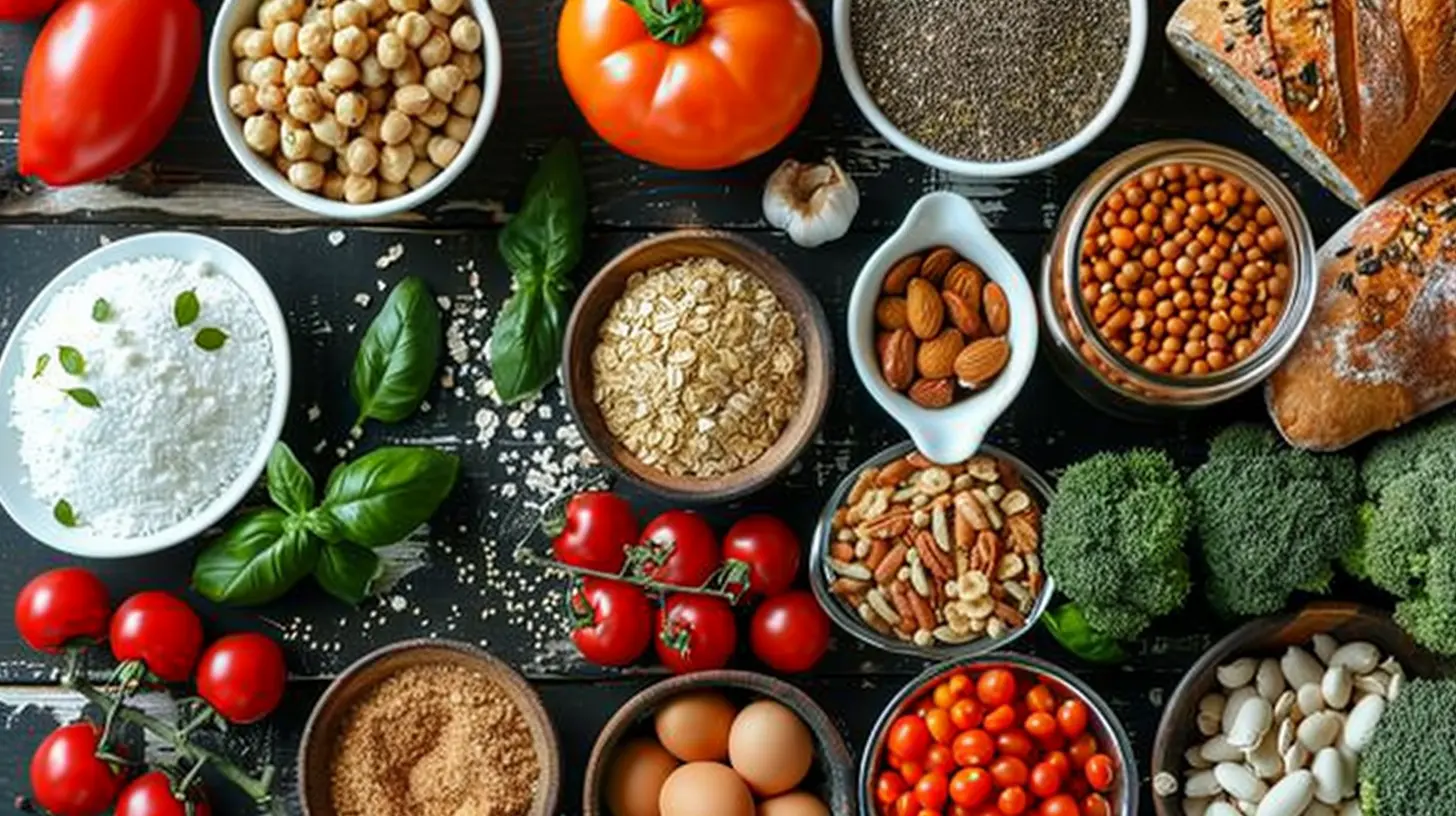
Understanding Food Allergies
Before you can truly support someone with severe food allergies, it helps to understand what they’re dealing with. Food allergies aren’t just about an upset stomach or mild discomfort. For many people, they can be life-threatening.
What Happens During an Allergic Reaction?
When someone with a food allergy eats (or even comes into contact with) an allergen, their immune system overreacts. Their body sees the food as a dangerous invader and launches a full-scale attack. Symptoms can range from mild to severe and may include:- Hives or skin rash
- Swelling of the lips, face, or throat
- Difficulty breathing
- Stomach pain, vomiting, or diarrhea
- Dizziness or fainting
- Anaphylaxis (a life-threatening reaction that requires immediate medical attention)
Common Food Allergens
According to the FDA, the most common food allergens include:- Peanuts
- Tree nuts (e.g., almonds, walnuts, cashews)
- Milk
- Egg
- Soy
- Wheat
- Fish
- Shellfish
Even a tiny trace of these allergens can cause a serious reaction in some people, which is why precautions are so important. 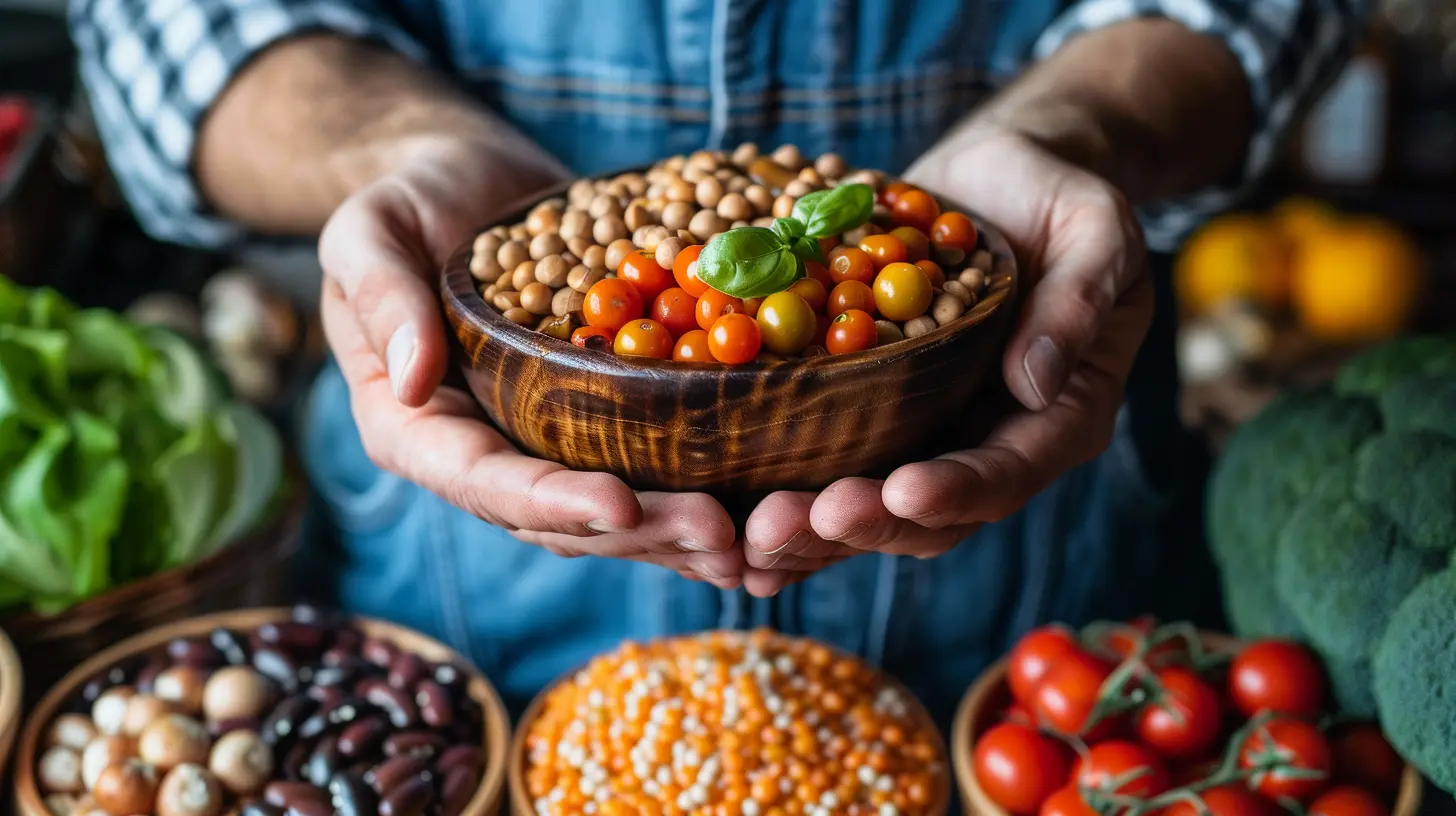
How You Can Help
Now that you have a better understanding of food allergies, let’s talk about how you can actively support your loved one.1. Take Their Allergies Seriously
This might seem obvious, but you’d be surprised how many people think allergies are “just a preference” or say things like, “A little bit won’t hurt.” Spoiler alert: it can hurt—a lot. Always respect their allergies and take them seriously.2. Ask Questions and Educate Yourself
Supporting someone with food allergies means learning the ins and outs of their condition. Ask them questions like:- What foods are unsafe for you?
- How severe is your allergy?
- What should I do if you have a reaction?
The more you know, the better prepared you’ll be to help them.
3. Be Mindful When Cooking or Preparing Food
If you’re cooking for someone with food allergies, you need to be extra cautious. Cross-contact (when an allergen accidentally gets into a “safe” food) is a huge risk. Here’s how to avoid it:- Use separate utensils, cutting boards, and cookware.
- Wash your hands before handling allergy-safe food.
- Read ingredient labels carefully—hidden allergens can be sneaky!
- Avoid using shared condiments that might have been contaminated.
4. Check Food Labels Like a Pro
Ingredients can be tricky. Some allergens hide under different names (for example, casein is a milk protein, and albumin is found in egg whites). Read food labels carefully and look for potential allergens before offering food to your loved one.5. Choose Allergy-Friendly Restaurants
Dining out can be stressful for people with severe food allergies. If you're going to a restaurant, consider places that offer allergy-friendly options. Call ahead to ask about their protocols and how they handle food allergens.When ordering, don’t be shy about speaking up. Your friend or family member might feel awkward constantly reminding servers about their allergies, so offering to help can take some of the pressure off.
6. Create a Safe Environment at Gatherings
Want to include your loved one in social events without making them feel like an outsider? Here’s how:- Plan Ahead – If you're hosting, ask them what dishes are safe or offer allergen-free options.
- Label Foods Clearly – This helps avoid confusion and lets them know what’s safe.
- Avoid Peer Pressure – Never push them to "just try a little." It’s not worth the risk.
A little thoughtfulness goes a long way in making them feel included and safe.
7. Be Prepared for an Emergency
No one ever wants to deal with an allergic reaction, but being prepared can save a life. Here’s what you should do:- Know the Signs – Recognizing an allergic reaction early is key.
- Understand How to Use an Epinephrine Auto-Injector (EpiPen) – If they have one, ask them to show you how to use it. In an emergency, acting quickly is crucial.
- Call 911 Immediately – Don’t wait it out—anaphylaxis is a medical emergency.
Even if they start feeling better after using an EpiPen, they still need medical attention.
8. Respect Their Boundaries
People with severe food allergies have to be careful all the time. This means they may turn down your homemade cookies or bring their own food to events. It’s not personal—it’s about staying safe.Avoid making them feel guilty for their precautions. Their allergy-management routine isn’t about being difficult; it’s about survival.
9. Be Their Advocate
If you see someone teasing or dismissing their allergies, speak up. If a restaurant seems careless about food prep, support them in finding a safer option. Having an ally can make a huge difference in how confident they feel navigating everyday situations.10. Encourage a Judgment-Free Zone
Living with severe food allergies can be isolating. Many people feel like a burden when they have to ask about ingredients, bring their own food, or remind others about their allergies again.You can help by making sure they feel heard, respected, and never like an inconvenience. 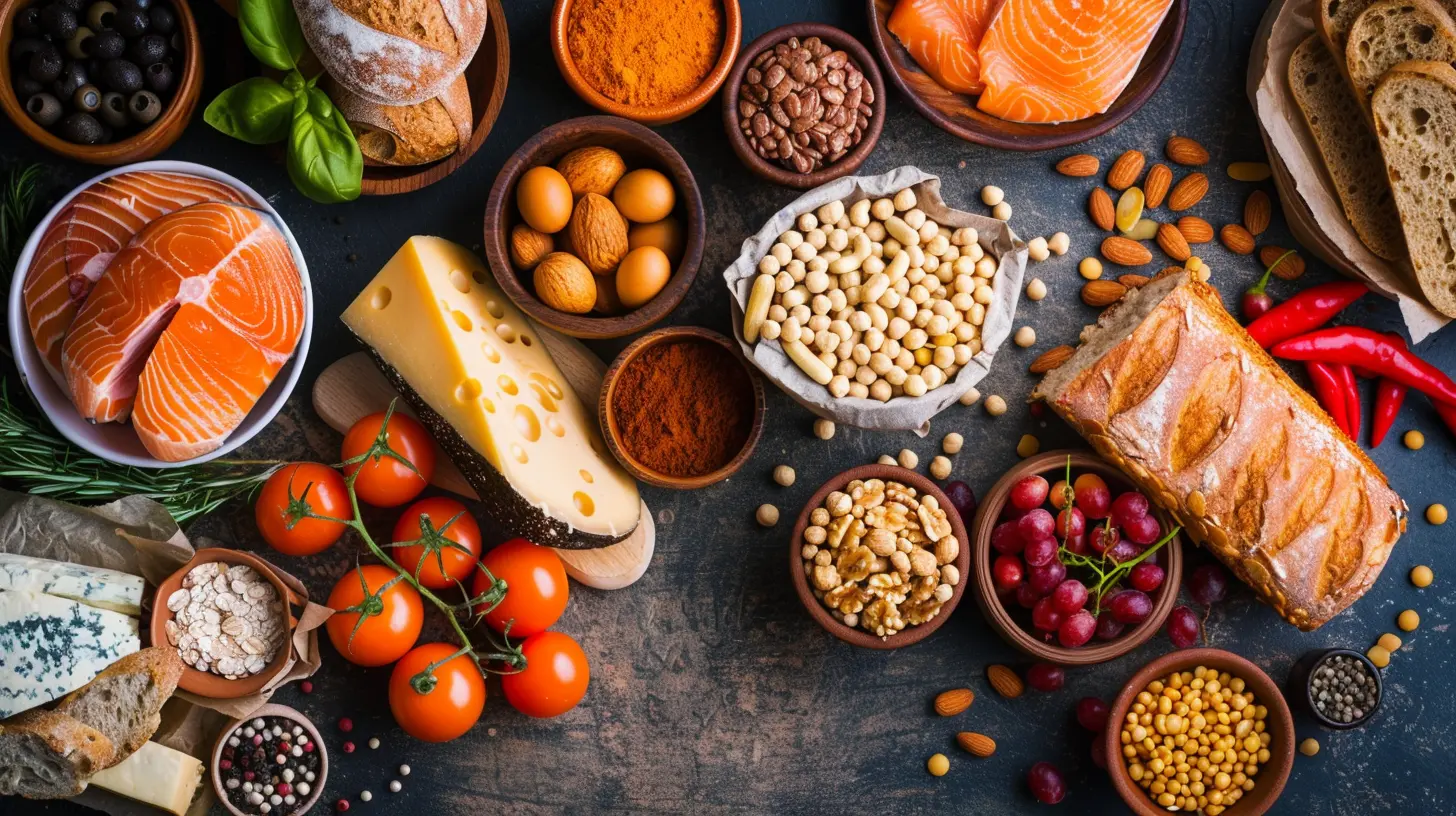
Final Thoughts
Supporting a friend or family member with severe food allergies isn’t about making grand gestures—it’s about the little things. A bit of awareness, a dose of caution, and a whole lot of empathy can make their life so much easier.So next time you're planning a meal, going out to eat, or just hanging out, keep their allergies in mind. It’s a small effort for you, but it might mean the world to them.
all images in this post were generated using AI tools
Category:
Food AllergiesAuthor:

Madeline Howard
Discussion
rate this article
2 comments
Caleb Barron
Empathy and education are key in supporting loved ones with allergies.
January 28, 2026 at 4:33 AM
Madeline Howard
Absolutely! Understanding and educating ourselves are vital steps in providing meaningful support to those with food allergies.
Xeno Simon
This article is intriguing! I’m curious about the best ways to effectively communicate with someone about their allergies. Are there specific phrases or approaches that make them feel more understood and supported?
December 21, 2025 at 5:59 PM
Madeline Howard
Thank you for your interest! It's important to listen actively and validate their feelings. Phrases like "I want to understand your allergies better" or "How can I support you?" go a long way in making them feel heard and supported.