Is Caffeine Really Sabotaging Your Sleep Hygiene?
8 October 2026
You drink a coffee at 2 p.m. You fall asleep at 11 p.m. just fine. So caffeine is not a problem for you, right?
Maybe. Or maybe your sleep is quietly worse than it would be without that afternoon cup, and you have simply adapted to a lower baseline without noticing. This is the tricky part about caffeine: it rarely announces itself as the culprit. It works in the background, nudging your sleep architecture, your sleep depth, and your ability to stay asleep, often in ways you cannot feel until you remove it.
This article is not going to tell you to quit coffee. That advice is lazy and, for most people, unnecessary. Instead, we are going to look at how caffeine actually interacts with sleep, why the timing matters more than the amount, who is most vulnerable, and how to figure out your own personal cutoff time through a bit of structured self-experimentation.
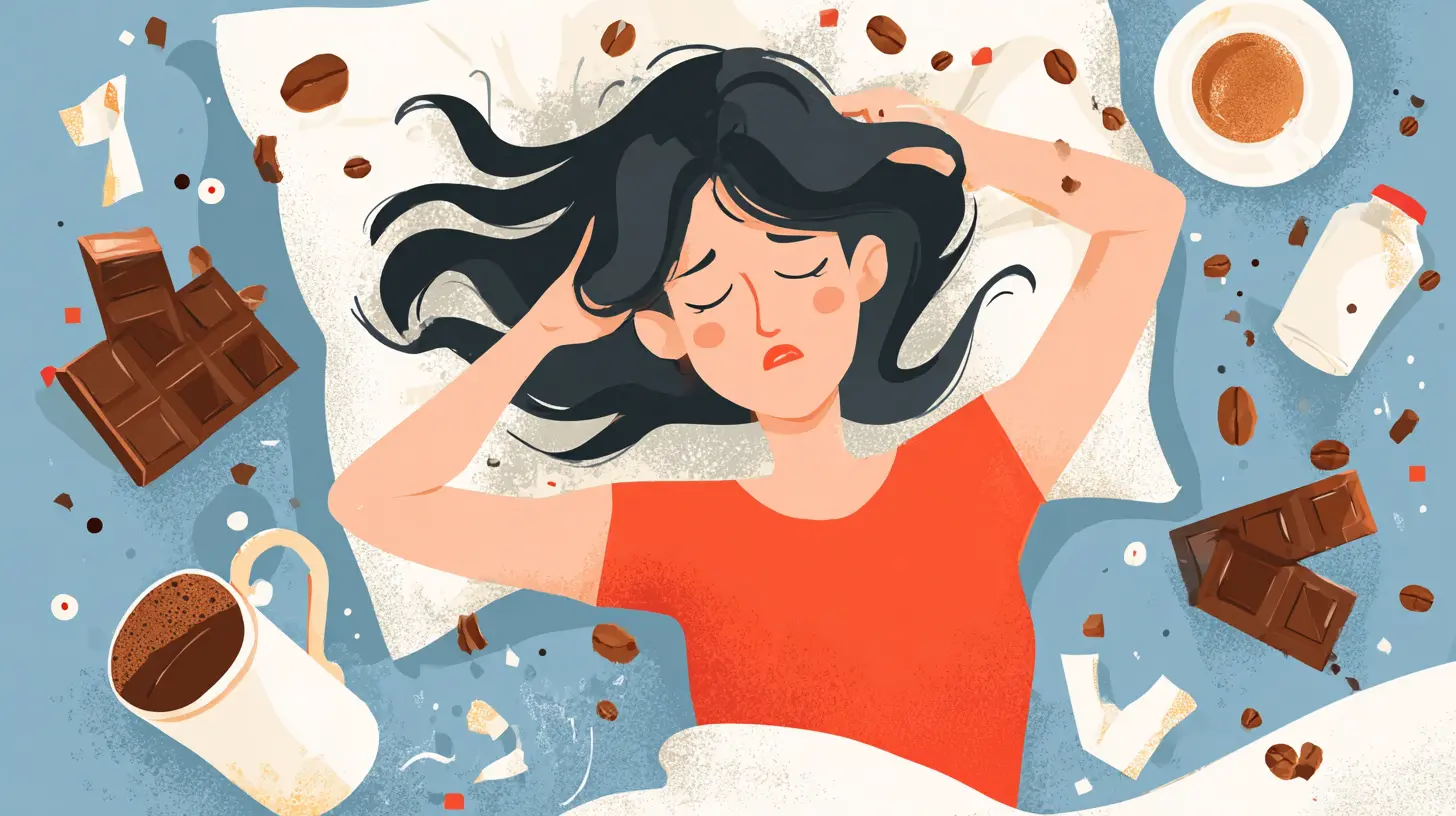
How Caffeine Actually Works in Your Brain
Caffeine does not give you energy. This is the first misconception to clear up. It has no calories, no nutrients, and no magical energizing property. What it does is block a signal that tells you to feel sleepy.That signal is adenosine, a molecule that accumulates in your brain throughout the day as a byproduct of neural activity. The longer you are awake, the more adenosine builds up. It binds to receptors in your brain and creates what we experience as sleep pressure, that heavy, foggy feeling that grows as the evening approaches.
Caffeine is shaped enough like adenosine to fit into the same receptors. When it occupies those receptors, adenosine cannot bind. The sleep pressure is still there, accumulating, but you cannot feel it. You have muted the alarm rather than turned it off.
This is why caffeine feels like it restores energy. It does not restore anything. It masks the signal that would otherwise make you want to lie down.
The Half-Life Problem
The second piece of the puzzle is how long caffeine sticks around. The half-life of caffeine in a typical adult is roughly five to six hours. That means if you consume 200 milligrams at 2 p.m., about 100 milligrams are still circulating at 7 or 8 p.m., and roughly 50 milligrams are still there around midnight or 1 a.m.That residual caffeine is still occupying adenosine receptors. It is still suppressing your sleep pressure signal. And here is the part most people miss: it can interfere with sleep even when you feel like you are falling asleep normally.
Why "I Can Fall Asleep Fine" Is Not Proof of Anything
Subjective sleepiness and objective sleep quality are two different things. You can fall asleep quickly and still have a fragmented, shallow night.Adenosine does more than make you feel tired. It also contributes to the depth and consolidation of slow-wave sleep, the deep stage that supports physical recovery, memory consolidation, and hormonal regulation. When caffeine is still blocking adenosine receptors at bedtime, you may drift off because you are exhausted, but the architecture of your sleep can shift.
Common patterns people report when they cut caffeine, even when they insisted it did not affect them:
- They wake up fewer times during the night, often without realizing they were waking before.
- Their sleep feels deeper, even if the total hours are the same.
- They wake up less groggy and need less time to feel functional.
- Their resting heart rate during sleep drops slightly.
None of these are dramatic. That is exactly why they are easy to overlook. You do not notice a slow erosion of sleep quality until you remove the cause and compare.
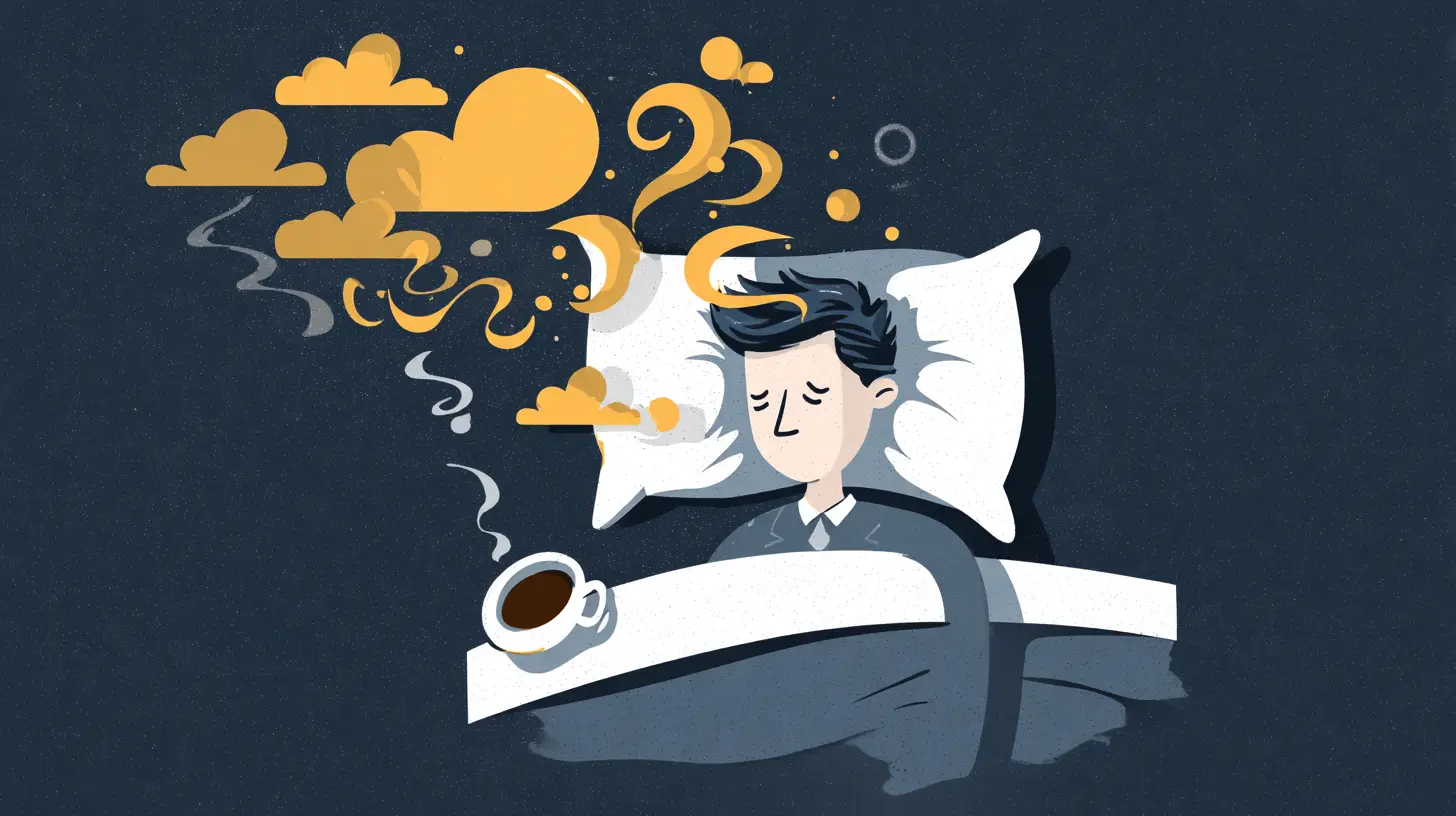
The Timing Question Is More Important Than the Dose
Most people focus on how much caffeine they consume. In practice, when they consume it matters more for sleep.Consider two people. Person A drinks one 150 milligram coffee at 8 a.m. Person B drinks the same 150 milligram coffee at 4 p.m. By 10 p.m., Person A has almost no caffeine left in their system. Person B still has a meaningful amount circulating and will likely still have some at 2 a.m.
Same dose. Very different sleep outcomes.
A Practical Way to Estimate Your Cutoff
A rough rule that works for many people: stop caffeine about eight to ten hours before your intended bedtime. If you go to bed at 11 p.m., that means your last coffee is around 1 to 3 p.m.This is not a universal law. It is a starting point. Your actual cutoff depends on your genetics, your age, your medications, your liver function, and your sensitivity to caffeine.
Why the Standard "No Coffee After 2 p.m." Advice Is Incomplete
That advice is fine as a general guideline, but it ignores several real variables:- Some people are fast metabolizers and clear caffeine in three to four hours. They can drink coffee at 5 p.m. and sleep normally.
- Some people are slow metabolizers and still have significant caffeine at midnight after a morning cup.
- Hormonal contraceptives can slow caffeine clearance substantially.
- Pregnancy slows caffeine metabolism dramatically.
- Liver conditions and certain medications change the picture entirely.
If you are relying on a generic rule, you may be either unnecessarily strict or quietly sabotaging your sleep without knowing it.

Caffeine Sensitivity Is Not Just in Your Head
There is a real genetic component here. Variations in the CYP1A2 gene, which codes for the enzyme that breaks down caffeine, influence how quickly your body clears it. Some people are genuinely fast metabolizers. Others are slow.There is also the adenosine receptor side of the equation. Variations in the ADORA2A gene appear to influence how strongly people feel caffeine's effects, including anxiety, jitteriness, and sleep disruption.
This means two people can drink identical amounts of coffee at identical times and have completely different sleep outcomes. If you have ever wondered why your partner can drink espresso after dinner and sleep like a stone while you lie awake after a single afternoon cup, genetics is a large part of the answer.
You cannot change your genes. But you can learn your own pattern and work with it instead of against it.
The Hidden Caffeine You Are Not Counting
Coffee is the obvious source. It is far from the only one.Things people often forget to count:
- Tea, including green tea, which contains meaningful caffeine in larger servings.
- Cola and many other sodas.
- Energy drinks, which can contain very high doses.
- Chocolate, especially dark chocolate.
- Pre-workout supplements.
- Certain pain relievers that combine caffeine with other ingredients.
- Some protein bars and "focus" snacks.
- Decaf coffee, which is not caffeine-free. It typically contains a small but nonzero amount.
That last point matters more than people think. If you drink three cups of decaf in the evening, you may be consuming enough caffeine to affect sleep, especially if you are sensitive.
A Realistic Example
Someone who is trying to be careful might do this:- Morning: one large coffee, about 200 milligrams.
- Lunch: a cola, about 40 milligrams.
- Afternoon: a green tea, about 30 milligrams.
- Evening: two squares of dark chocolate, about 20 milligrams.
Total: roughly 290 milligrams, with a meaningful portion arriving in the afternoon and evening. If that person is a slow metabolizer, they may have real caffeine circulating at bedtime and never suspect it, because they "only had one coffee."
What Caffeine Does to Sleep Architecture
Sleep is not a single uniform state. It cycles through stages, roughly every 90 minutes, including light sleep, deep slow-wave sleep, and REM sleep.Caffeine tends to do the following, especially when consumed later in the day:
- Increases the time it takes to fall asleep.
- Reduces total sleep time.
- Reduces the amount of slow-wave sleep.
- Increases the number of brief awakenings you may not remember.
- Shifts the balance of sleep stages in ways that can affect how restorative the night feels.
The subjective experience of all this varies. Some people notice nothing. Others notice they feel less restored even after eight hours in bed. The difference often shows up not on the night itself but in how they feel the next afternoon, which is exactly when they reach for another coffee.
That loop is worth naming: late caffeine worsens sleep quality, poor sleep increases daytime fatigue, daytime fatigue drives more caffeine consumption, and the cycle tightens.
Caffeine, Anxiety, and the Sleep Connection
Caffeine does not just block adenosine. It also indirectly stimulates the release of adrenaline and can increase heart rate and blood pressure. For people prone to anxiety, this can create a physiological state that is incompatible with winding down.This is why some people can drink coffee at 3 p.m., feel fine, and then lie in bed at midnight with a racing mind and a slightly elevated heart rate, unable to pinpoint why. The caffeine is not making them feel "wired" in an obvious way. It is just keeping their nervous system slightly more activated than it would otherwise be.
If you are someone who struggles with anxiety, the sleep cost of caffeine may be higher for you than for the average person, even at doses that seem modest.
Alcohol, Caffeine, and the Double Disruption
A common pattern: caffeine during the day, alcohol in the evening. Both affect sleep, and they interact in ways that can be worse than either alone.Alcohol initially sedates, which is why people fall asleep faster after drinking. But as it metabolizes, it fragments sleep, suppresses REM in the early part of the night, and causes rebound wakefulness later. Caffeine, meanwhile, is still blocking adenosine and keeping sleep pressure muted.
The result can be a night that feels like sleep but does not function like it. You wake up unrefreshed, reach for coffee, and the cycle continues. If you drink alcohol regularly in the evening and also consume caffeine in the afternoon, this combination is worth examining before you blame anything else.
Who Is Most at Risk of Caffeine-Related Sleep Problems
Not everyone needs to worry equally. The people most likely to be affected:- Slow caffeine metabolizers, whether they know it or not.
- Older adults, whose caffeine clearance tends to slow with age.
- People taking hormonal contraceptives.
- Pregnant individuals.
- People with anxiety disorders or high baseline stress.
- Anyone already struggling with insomnia, even mildly.
- People who consume caffeine within six hours of bedtime, regardless of dose.
- People on certain medications that interact with caffeine metabolism.
If you fall into one or more of these groups, a stricter cutoff is likely worth testing.
How to Figure Out Your Own Caffeine Cutoff
This is the part that actually changes your sleep. Generic advice is a starting point. Personal data is what matters.Here is a structured approach that works well for most people:
Step 1: Track for One Week Without Changing Anything
Write down:- Every caffeinated item, with approximate amount and time.
- Your bedtime and wake time.
- How long it took to fall asleep, roughly.
- How many times you remember waking.
- How you felt on a scale of 1 to 10 the next morning.
Do not judge anything yet. Just collect data.
Step 2: Move Your Cutoff Earlier by Two Hours
If your current last caffeine is at 5 p.m., move it to 3 p.m. Keep everything else the same. Run this for five to seven days.Compare your morning ratings and your recall of night wakings.
Step 3: If You See Improvement, Push Further
Move the cutoff to 1 p.m. or noon. Run another week. Compare again.Step 4: Find the Point of Diminishing Returns
At some point, moving the cutoff earlier stops making a difference. That is your personal threshold. You do not need to be stricter than that unless you have a specific reason.Step 5: Consider Total Dose Separately
Once you have your timing dialed in, experiment with total amount. Some people find that two small coffees spread across the morning work better than one large one, because the total load at any given time stays lower.Common Mistakes People Make When Trying to Fix This
Mistake 1: Quitting Cold Turkey and Feeling Terrible
Caffeine withdrawal is real. Headaches, fatigue, irritability, and brain fog are common and can last several days. If you want to reduce, taper over one to two weeks rather than stopping abruptly.Mistake 2: Replacing Coffee With "Healthy" Alternatives That Also Contain Caffeine
Matcha, green tea, and dark chocolate are all fine choices, but they are not caffeine-free. If you are trying to reduce caffeine for sleep reasons, count them.Mistake 3: Assuming Decaf Is Safe After Dinner
Decaf still contains caffeine, usually a small amount, but enough to matter for sensitive people. If you are experimenting with a strict cutoff, treat decaf as caffeinated for the purposes of the test.Mistake 4: Blaming Caffeine When Something Else Is the Problem
Late meals, alcohol, screen exposure, an inconsistent sleep schedule, a warm bedroom, or untreated anxiety can all disrupt sleep independently. Caffeine is a common culprit, but it is not always the main one. If cutting caffeine does not help, look at the other variables before concluding caffeine was never an issue.Mistake 5: Judging Results After One Night
Sleep is noisy. One bad night does not mean anything. One good night does not either. Give each change at least five to seven days before drawing conclusions.
What About Naps and Caffeine?
A short nap and a small dose of caffeine can sometimes work together, because caffeine takes about 20 to 30 minutes to kick in. The idea is to drink a small coffee and immediately lie down for a 20-minute nap. By the time you wake, the caffeine is starting to take effect and the nap has cleared some adenosine.This works for some people as a daytime strategy. It is not a sleep hygiene solution, and it should not be used close to bedtime. But it is a useful tool if you are trying to reduce total caffeine while still getting a functional afternoon.
Does Caffeine Affect Sleep the Same Way for Everyone?
No. And this is where a lot of advice online falls apart.The variables that matter most:
- Genetics, especially CYP1A2 and ADORA2A variants.
- Age, with slower clearance in older adults.
- Hormonal status, including menstrual cycle phase and contraceptive use.
- Pregnancy, which slows caffeine metabolism substantially.
- Liver function and certain medical conditions.
- Medications that interact with caffeine metabolism.
- Baseline anxiety and stress levels.
- Total daily caffeine load, including hidden sources.
- Timing relative to bedtime.
- Sleep debt, which can temporarily mask caffeine effects.
Because of all this, the honest answer to "how late can I drink coffee?" is: it depends, and the only reliable way to know is to test it on yourself.
Practical Recommendations That Actually Hold Up
If you want a short list of things that work for most people, here it is:- Set a personal caffeine cutoff based on your bedtime, not a generic clock time. Start with eight hours before bed and adjust.
- Count all sources, not just coffee.
- Taper rather than quit if you decide to reduce.
- Give each change at least a week before judging it.
- If you are sensitive, treat decaf and dark chocolate as caffeinated after your cutoff.
- If you drink alcohol in the evening, address that separately. It is often a bigger sleep disruptor than caffeine.
- If cutting caffeine does not improve your sleep, look at the other variables before giving up on the experiment.
The Bottom Line
Caffeine is not inherently bad for sleep. It is a timing and dose problem, and for many people it is a solvable one. The real question is not whether caffeine sabotages sleep hygiene in general. It is whether your caffeine habits, at your dose, at your timing, with your genetics, are costing you sleep quality you would otherwise have.The only way to know is to test it. Not with a vague feeling that you are fine, but with a structured experiment and honest tracking. Most people who do this find one of two things: either their current habits are genuinely fine, or a small shift in timing unlocks a noticeable improvement in how they feel every morning.
Both outcomes are useful. One lets you stop worrying. The other gives you a lever you can pull for the rest of your life.
all images in this post were generated using AI tools
Category:
Sleep HygieneAuthor:

Madeline Howard