Exploring the Spiritual Side of Yoga
24 May 2026
When most people think of yoga, they often picture flexible bodies twisted into pretzel-like shapes, serene breathing exercises, or sweaty power yoga classes. But yoga is so much more than just a physical workout. It has deep spiritual roots that go back thousands of years, offering a holistic path to self-discovery, inner peace, and connection with the universe. If you've ever felt like there’s “something more” every time you roll out your yoga mat, buckle up, because we’re about to dive into the spiritual side of yoga. 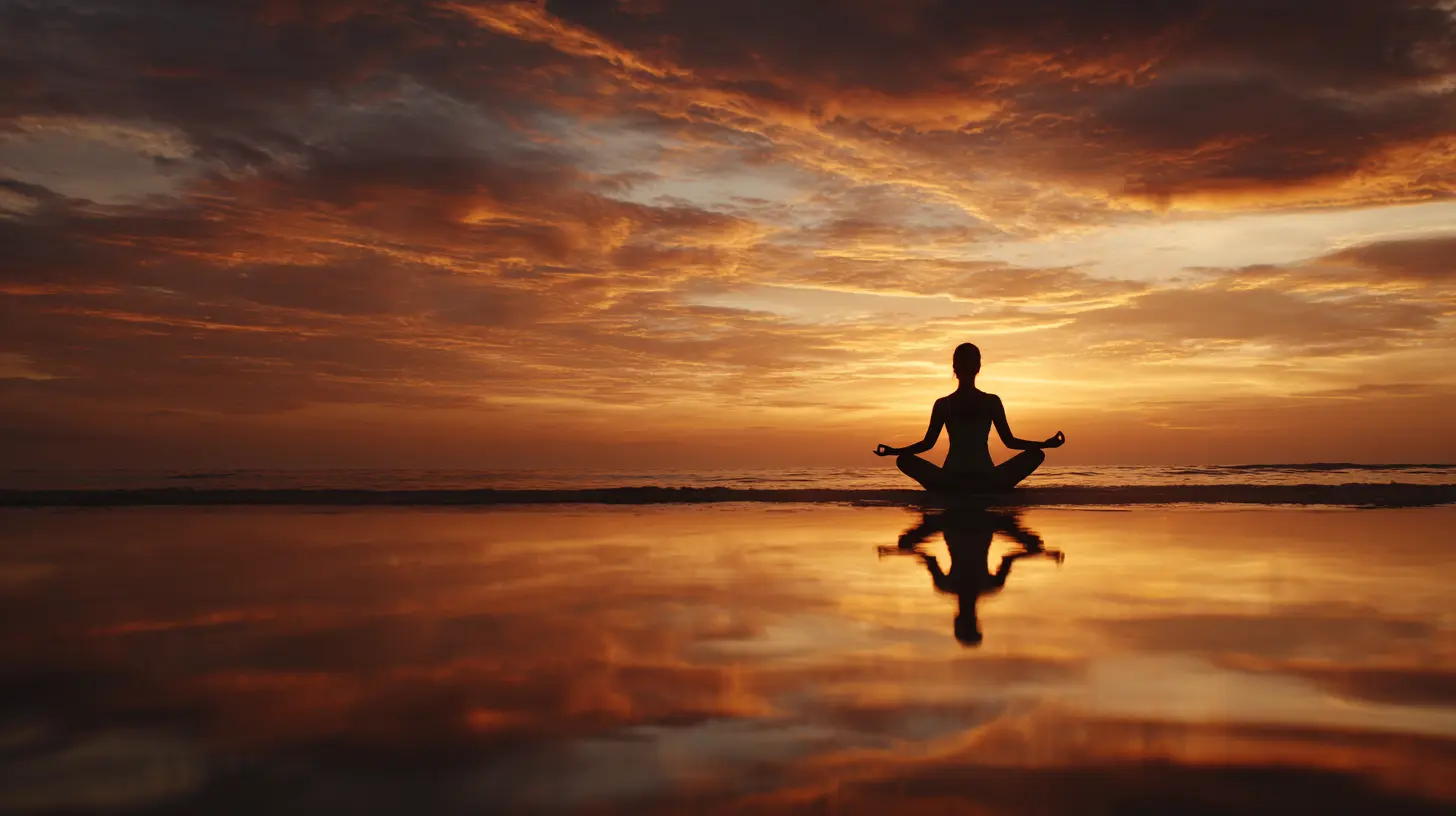
What is the Spiritual Side of Yoga?
At its core, yoga is not just about bending and stretching; it’s a union of body, mind, and spirit. In fact, the word “yoga” comes from the Sanskrit word yuj, which means "to yoke" or "to unite." This connection is not just limited to the physical; it also encompasses the mental and spiritual realms.The spiritual side of yoga is about aligning yourself with a greater sense of purpose and connecting with the divine energy—whether you call it God, the Universe, or just your higher self. It’s like peeling back the layers of an onion to discover the essence of who you truly are.
Practicing yoga spiritually encourages mindfulness, compassion, and self-awareness. It’s less about touching your toes and more about touching your soul. But how do we explore this often-overlooked side of yoga? Let’s chat about some key concepts. 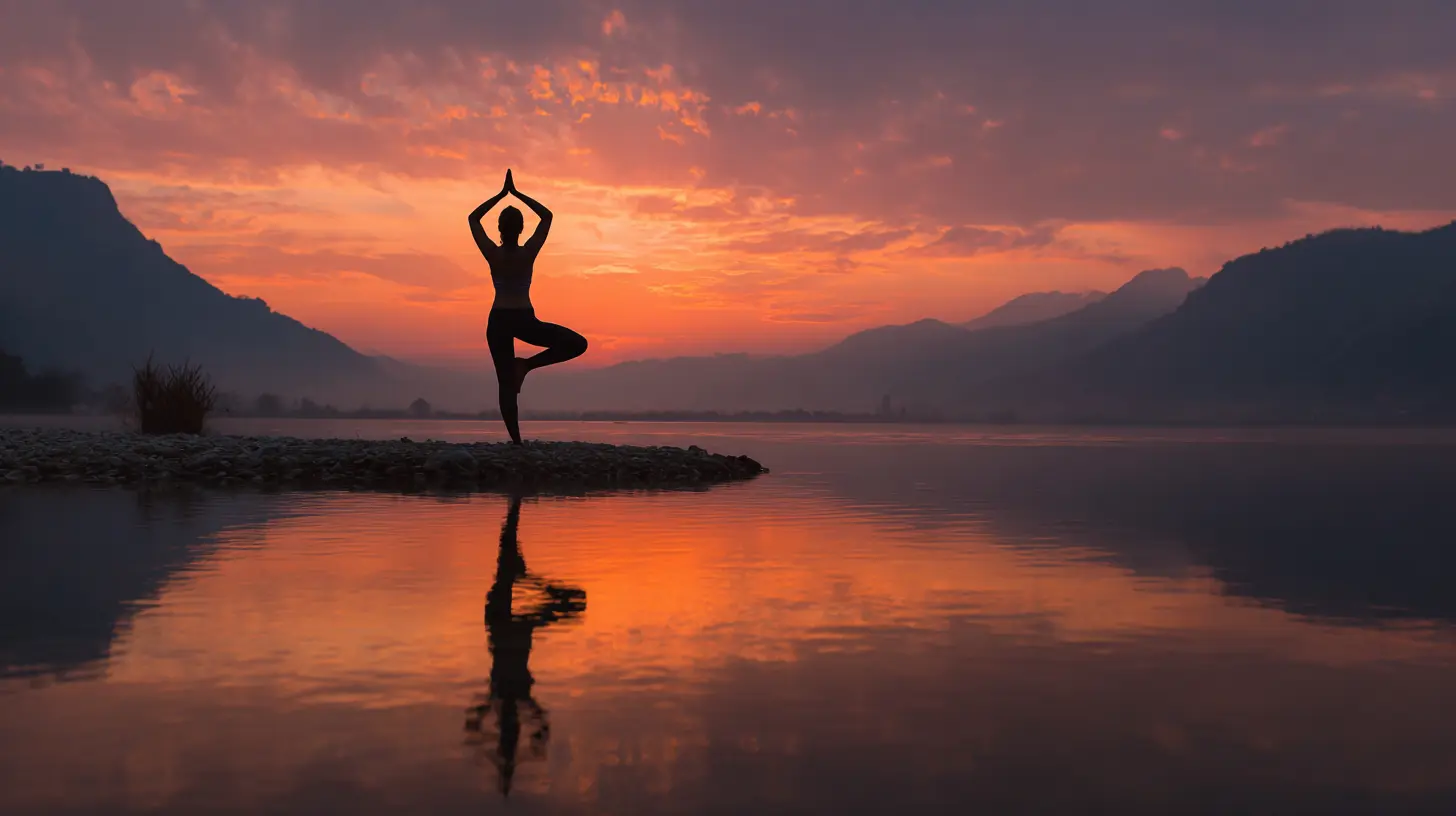
The Roots of Yoga: Where Spirituality Began
To truly understand the spiritual side of yoga, let’s rewind the clock a few thousand years. Yoga originally emerged in ancient India as a path to enlightenment. It’s laid out in ancient texts like the Vedas, Upanishads, and the Bhagavad Gita.Here’s where it gets interesting: those ancient yogis? They weren’t trying to get six-pack abs. Their focus was on calming the mind, transcending the ego, and connecting with divine consciousness. They saw yoga as a complete lifestyle—a way of living in harmony with nature and the universe.
Over time, different schools of yoga emerged. Some of the most spiritually focused include:
1. Raja Yoga: The "royal path," focusing on meditation and mental discipline to achieve inner stillness.
2. Jnana Yoga: The path of wisdom and knowledge, involving deep self-inquiry.
3. Bhakti Yoga: The yoga of devotion and love, often expressed through prayer and worship.
4. Karma Yoga: The path of selfless action and service to others without expecting rewards.
While modern yoga often leans heavily on the physical side (asana practice), these ancient paths remind us that yoga is much deeper than just movement. 
Connecting Breath to Spirit
Let’s talk breath. You’ve probably heard yoga teachers say, “Focus on your breath.” Sounds basic, right? But breathwork (pranayama) is actually one of the most transformative spiritual tools in yoga.Prana, or life force energy, is said to flow through us, and controlling the breath can help harmonize your body, mind, and spirit. Think of your breath as a bridge connecting your physical body to your spiritual self. When you consciously control your breathing, it’s like tuning in to the frequency of your own soul.
One powerful practice is Nadi Shodhana, or alternate nostril breathing. Not only does it calm your mind, but it also balances your energy channels (nadis), making it easier to enter a meditative state. It’s like hitting the reset button for your entire being. Pretty cool, huh? 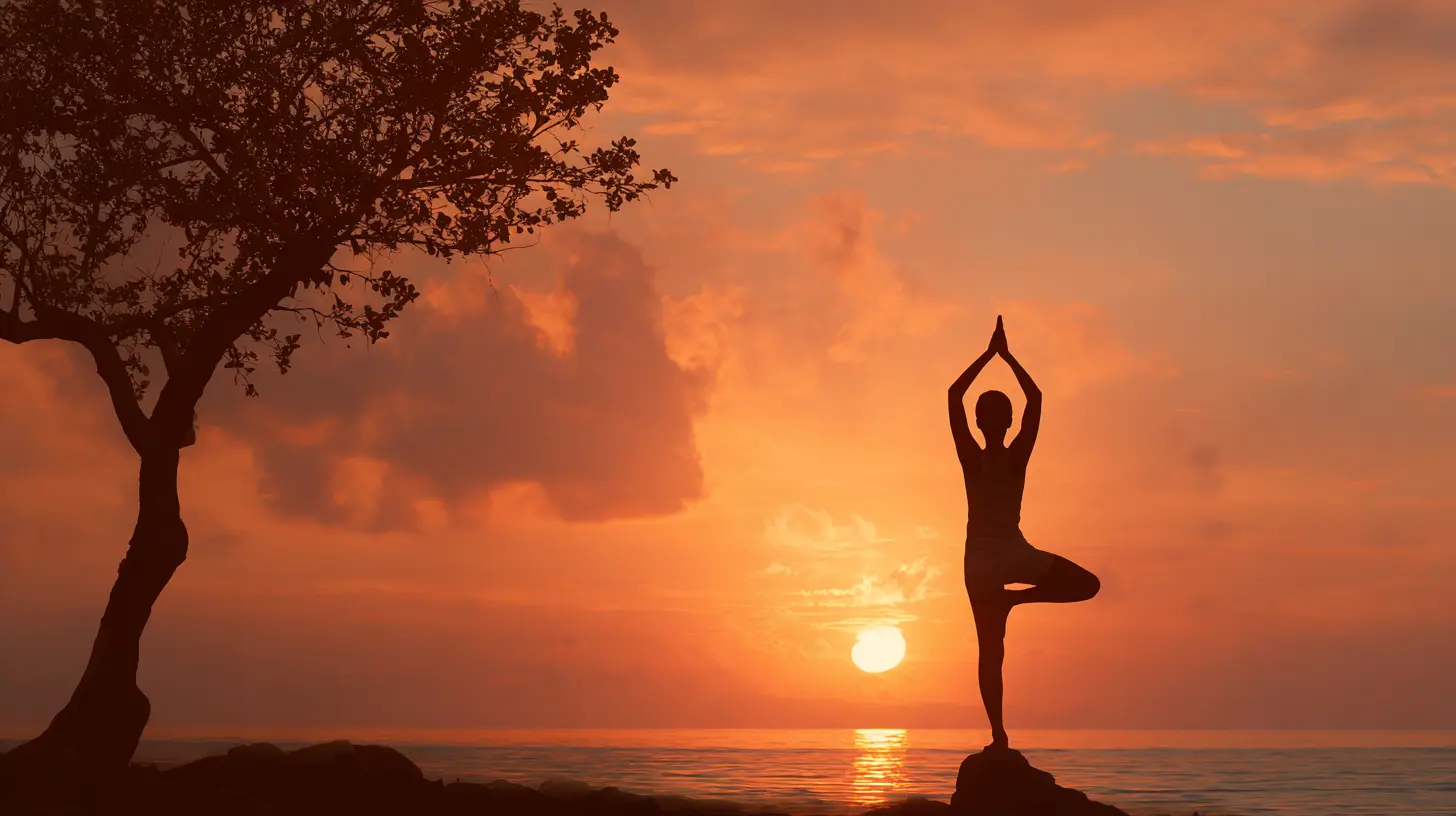
The Magic of Meditation
You can’t talk about the spiritual side of yoga without giving meditation a big shout-out. Meditation is like the heart of yoga—it’s where the magic happens. During meditation, you turn your attention inward, quiet your monkey mind (you know, that voice that jumps from thought to thought like a hyperactive squirrel), and connect with your inner self.It’s also a great way to let go of all the noise of day-to-day life. The stress, the deadlines, the constant ping of notifications… meditation helps you rise above it all and tap into a deeper sense of peace.
Here’s the thing: meditation doesn’t have to feel intimidating. It’s not about emptying your mind (good luck with that). Instead, it’s about observing your thoughts without judgment and gently guiding your focus back—whether it’s to your breath, a mantra, or even a candle flame.
Yoga Philosophy: Beyond the Mat
If you’re ready to explore the spiritual side of yoga, you’ll want to dive into the Yamas and Niyamas. These ethical principles act as a moral compass for how you treat yourself and others. Think of them as yoga’s version of “how to live your best life.”The Yamas: How You Treat Others
1. Ahimsa (Non-violence): Practice kindness and compassion toward all living beings—including yourself.2. Satya (Truthfulness): Be honest, but gentle in your words and actions.
3. Asteya (Non-stealing): Avoid taking anything that’s not freely given—whether it’s possessions or time.
4. Brahmacharya (Moderation): Find balance in your desires and avoid overindulgence.
5. Aparigraha (Non-possessiveness): Let go of materialism and practice gratitude for what you have.
The Niyamas: How You Treat Yourself
1. Shaucha (Cleanliness): Keep your body, mind, and environment pure.2. Santosha (Contentment): Cultivate gratitude and accept life as it is.
3. Tapas (Discipline): Stay committed to your goals and personal growth.
4. Svadhyaya (Self-study): Reflect on your thoughts and actions to better understand yourself.
5. Ishvarapranidhana (Surrender to the divine): Trust in the universe and let go of control.
By living in alignment with these principles, you naturally bring more harmony and balance into your life, which can deepen your spiritual connection.
Chakras and Energy Flow
Ever heard of chakras? They’re like spinning wheels of energy within your body, each corresponding to a different aspect of your physical, emotional, and spiritual health. When your chakras are aligned and balanced, energy flows freely, and you feel like a million bucks.The Seven Chakras: A Quick Overview
1. Root Chakra (Muladhara): Grounding and stability.2. Sacral Chakra (Svadhisthana): Creativity and passion.
3. Solar Plexus Chakra (Manipura): Confidence and willpower.
4. Heart Chakra (Anahata): Love and compassion.
5. Throat Chakra (Vishuddha): Truth and self-expression.
6. Third Eye Chakra (Ajna): Intuition and insight.
7. Crown Chakra (Sahasrara): Divine connection and enlightenment.
Practicing yoga with an awareness of your chakras can help you tune into areas where you might feel “off” or blocked. It’s like giving yourself an energetic tune-up.
The Role of Mantras
Mantras are another spiritual tool in yoga that can open the doors to a deeper connection. A mantra is a sacred word or phrase that you repeat to focus your mind and elevate your consciousness.One of the most well-known mantras is “Om.” It’s said to be the sound of the universe, symbolizing the interconnectedness of all things. Chanting it can create vibrations that resonate not just within you but with the cosmos itself.
You don’t have to stick to Sanskrit mantras, though. Any phrase that feels meaningful to you—like “I am enough” or “I am at peace”—can serve as your personal mantra.
How to Bring Spirituality Into Your Yoga Practice
You don’t have to be a guru meditating in the Himalayas to explore the spiritual side of yoga. Here are some simple ways to infuse your practice with more meaning:1. Set an Intention: Before you start your practice, take a moment to ask yourself, “Why am I here? What do I want to bring into my life?”
2. Focus on Your Breath: Let your breath guide your movements and bring you back to the present moment.
3. Practice Gratitude: End your practice by silently giving thanks for your body, your breath, and this moment of connection.
4. Dive Into Philosophy: Read yoga texts like the Bhagavad Gita or Patanjali’s Yoga Sutras to gain deeper insights.
5. Meditate Daily: Even a few minutes can help you feel more grounded and connected.
Final Thoughts
Exploring the spiritual side of yoga is like embarking on a journey within. It’s not about mastering a pose or nailing a workout—it’s about discovering more of who you are and finding a sense of peace that transcends the chaos of daily life.So the next time you step onto your mat, remember: yoga isn’t just a practice, it’s a path—a way to connect with your true essence and the world around you. And that, my friend, is where the real magic happens.
all images in this post were generated using AI tools
Category:
YogaAuthor:

Madeline Howard
Discussion
rate this article
2 comments
Thomas Carr
Yoga's spiritual aspect enriches practice.
August 3, 2026 at 5:08 AM
Madeline Howard
I completely agree. The spiritual element truly deepens the connection and enhances our overall experience on the mat.
Fenn McKay
This article makes me wonder about the deeper connections between yoga and spirituality. How does the practice influence mental clarity and emotional balance? I'm curious about personal experiences and whether others find that yoga enhances their spiritual journey. It seems like a fascinating path to explore. What do you think?
May 30, 2026 at 4:00 PM
Madeline Howard
I'm glad you brought this up. Many people find that yoga deepens their spiritual journey by promoting mental clarity and emotional balance. Personally, I've experienced moments of profound insight during practice, and I've heard similar stories from others. It's definitely a fascinating path filled with personal discovery.