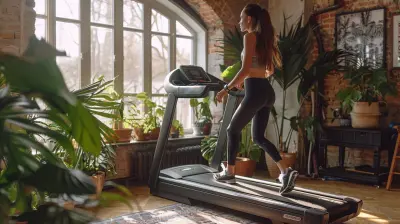
Is Caffeine a Performance Enhancer? The Facts You Need to Know
26 May 2026
Caffeine is the energy-boosting, sleep-defying secret weapon millions rely on daily. Whether it’s that crucial morning cup of coffee, a pre-workout energy drink, or a midday tea break, caffeine fuels our productivity and keeps us alert. But does it go beyond just waking us up? Can it actually enhance performance in sports, workouts, and cognitive tasks?
Let’s dive into the science, benefits, potential downsides, and whether caffeine truly deserves its place as a performance-enhancing substance.
What Is Caffeine, and How Does It Work?
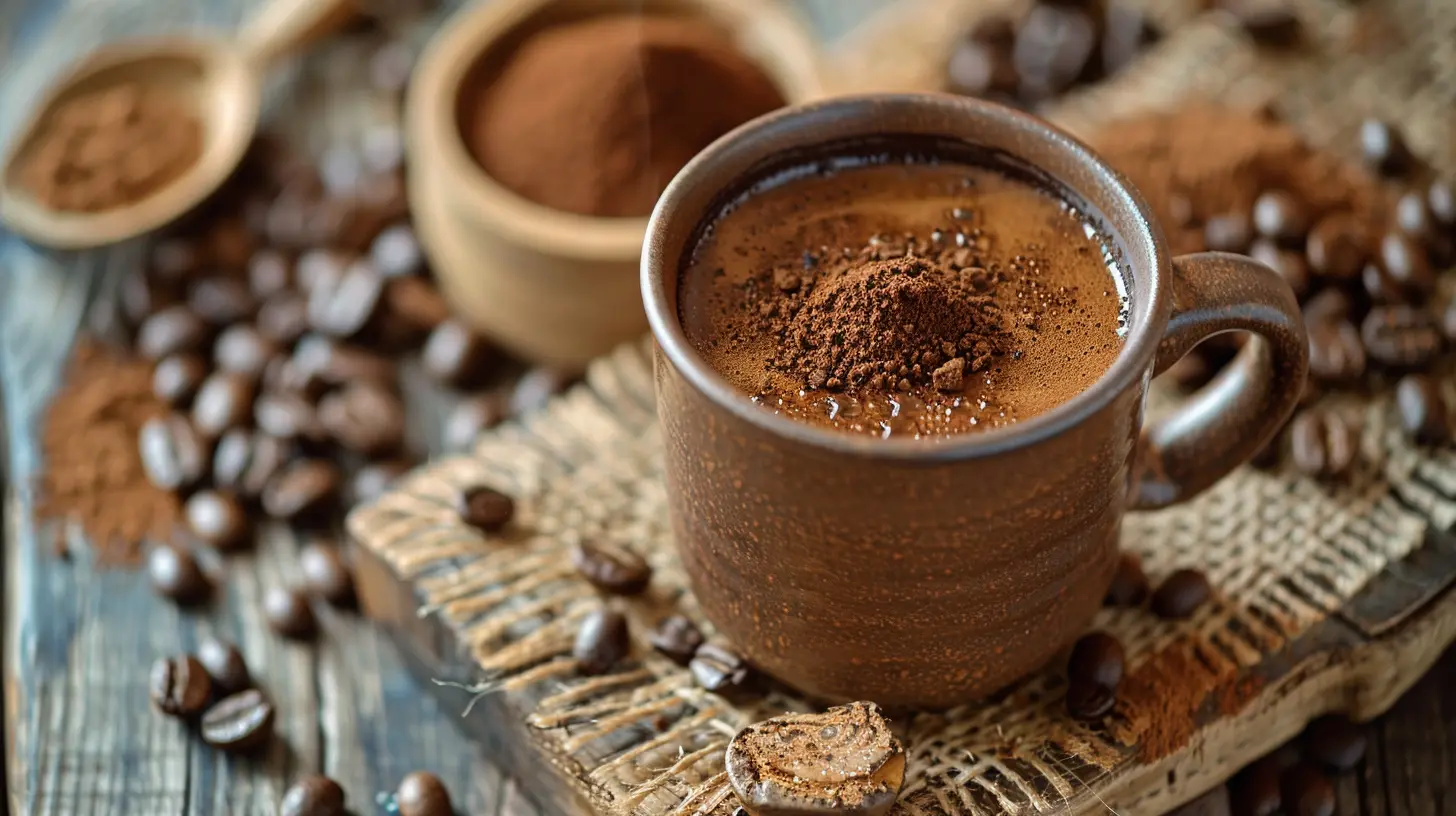
Caffeine is a natural stimulant primarily found in coffee, tea, and cacao plants. It works by blocking adenosine, a neurotransmitter responsible for promoting relaxation and sleepiness. By doing so, caffeine increases alertness, sharpens focus, and even boosts energy levels.But caffeine doesn’t just stop at making you feel more awake—it also triggers the release of adrenaline, the same hormone responsible for our fight-or-flight response. This surge in adrenaline can lead to increased heart rate, improved blood flow, and a temporary boost in energy.
Caffeine and Physical Performance
If you’ve ever downed a cup of coffee before hitting the gym, you may have noticed an extra spring in your step. That’s no coincidence—caffeine has been proven to enhance physical performance in multiple ways.1. Boosts Endurance
Caffeine helps the body use fat as fuel, preserving glycogen stores for prolonged periods of exercise. This is especially beneficial for endurance athletes like runners, cyclists, and swimmers. Studies show that caffeine can improve endurance performance by 2-4%, which might not sound like much, but in competitive sports, it can make a huge difference.2. Increases Strength and Power
Research suggests that caffeine can enhance muscular strength and power output. By reducing perceived effort and increasing alertness, caffeine helps individuals push harder during resistance training or high-intensity workouts.3. Speeds Up Reaction Time
For athletes involved in fast-paced sports like soccer, basketball, or tennis, split-second decisions can determine the outcome of a game. Caffeine improves reaction time by enhancing cognitive function and reducing mental fatigue.4. Reduces Perceived Effort
Ever had a workout where you felt like you could keep going forever? Caffeine reduces the perception of exertion, making workouts feel easier than they actually are. This psychological edge can allow athletes to push beyond their usual limits.
Caffeine and Cognitive Performance
It’s not just athletes who benefit from caffeine—students, professionals, and anyone needing a mental boost turn to caffeine for focus and productivity. Here’s how it enhances brain function:1. Improves Focus and Alertness
Caffeine sharpens concentration by blocking adenosine and increasing dopamine and norepinephrine levels. This results in heightened alertness, making it easier to stay on task for extended periods.2. Enhances Memory and Learning
Studies suggest that caffeine can improve short-term memory and enhance learning abilities. By stimulating neural activity, it helps with processing information more efficiently.3. Reduces Mental Fatigue
Long hours of studying or working can drain mental energy. Caffeine acts as a mental stimulant, warding off fatigue and keeping the brain sharp for longer durations.
The Downside of Caffeine: When Too Much Is a Problem
Like anything in life, too much of a good thing can have negative consequences. While moderate caffeine consumption has numerous benefits, excessive intake can lead to unwanted side effects.1. Jitters and Anxiety
High doses of caffeine can overstimulate the nervous system, leading to restlessness, anxiety, and even panic attacks in sensitive individuals.2. Sleep Disruptions
Caffeine has a half-life of about 5-6 hours, meaning half of it remains in your system hours after consumption. Drinking caffeine too late in the day can interfere with sleep quality and make it harder to fall asleep.3. Dependency and Withdrawal
Regular caffeine consumption can lead to dependence, and missing your usual dose may cause withdrawal symptoms like headaches, irritability, and fatigue.4. Increased Heart Rate and Blood Pressure
Caffeine stimulates the heart, which can cause a temporary increase in heart rate and blood pressure. This isn’t usually a problem for healthy individuals, but those with heart conditions should consume caffeine with caution.The Optimal Caffeine Dose for Performance
So, how much caffeine does it take to enhance performance without causing side effects? Research suggests that 3-6 mg of caffeine per kilogram of body weight is the optimal range for performance benefits.For a person weighing 70 kg (154 lbs), this translates to:
- Low dose: ~200 mg (about 2 cups of coffee)
- Moderate dose: ~300 mg (roughly 3 cups of coffee)
- High dose: ~400 mg (close to 4 cups of coffee)
Going beyond 400 mg per day increases the risk of side effects and diminishing returns on performance benefits.
Best Sources of Caffeine for Performance
Not all caffeine sources are created equal. Here’s a breakdown of popular caffeine sources and how they compare:1. Coffee
- Pros: Rich in antioxidants, widely available, moderate caffeine content- Cons: Can cause acidity and digestive discomfort in some
2. Tea (Green, Black, Matcha)
- Pros: Contains L-theanine, which promotes calm focus and reduces jitters- Cons: Lower caffeine content compared to coffee
3. Energy Drinks
- Pros: Convenient, often combined with other performance-enhancing ingredients- Cons: Often loaded with sugar and artificial ingredients
4. Caffeine Pills or Pre-Workout Supplements
- Pros: Precise dosing, fast absorption- Cons: Lack of additional health benefits found in natural caffeine sources
Should You Use Caffeine as a Performance Enhancer?
Caffeine is undoubtedly a powerful tool for enhancing both physical and mental performance. However, it’s not a magic pill. To get the best results, consider the following:- Use it strategically: Avoid consuming caffeine daily to build tolerance. Save it for key workouts, important meetings, or high-stakes situations.
- Time it right: Drink caffeine 30-60 minutes before exercise or tasks for peak performance benefits.
- Know your limits: Stick to moderate doses and avoid excessive intake that could lead to side effects.
Final Thoughts
So, is caffeine a performance enhancer? Absolutely—but with some caveats. While it can give you an edge in endurance, strength, focus, and productivity, overuse can lead to dependency and unwanted side effects. The key is moderation and strategic use.Next time you sip your coffee or pop an energy drink before exercise, remember—you’re not just getting a caffeine kick, you’re tapping into one of nature’s most effective performance boosters!
all images in this post were generated using AI tools
Category:
Sports NutritionAuthor:

Madeline Howard
Discussion
rate this article
2 comments
Thorne McBride
Caffeine can boost alertness and endurance for many, but its effects vary by individual. Understanding your body's response is crucial. Balance intake with hydration and listen to how it affects your performance.
August 3, 2026 at 2:44 PM
Madeline Howard
Great point! Individual responses to caffeine are key, and finding the right balance with hydration can really enhance performance. Thanks for sharing!
Jude McGivern
I always wondered how caffeine really affects performance. Can something as common as coffee truly boost our abilities, or is it just a popular myth? Excited to learn the facts!
May 31, 2026 at 2:59 AM
Madeline Howard
Caffeine is more than just a myth. Research shows it can enhance focus, endurance, and reaction time. So yes, that coffee can give you a real boost!