Iron-Rich Foods to Combat Fatigue in Endurance Sports
13 March 2026
Ever found yourself barely crossing the finish line despite putting in hours of training? Or maybe you’ve felt like you’re running on empty during your long rides or runs? If so, your body might be crying out for one thing – iron. This mighty mineral plays a starring role in carrying oxygen to your muscles, and when you’re running low, fatigue can knock you out of the game. Let’s deep dive into iron-rich foods to combat fatigue and keep you performing like a champ in endurance sports.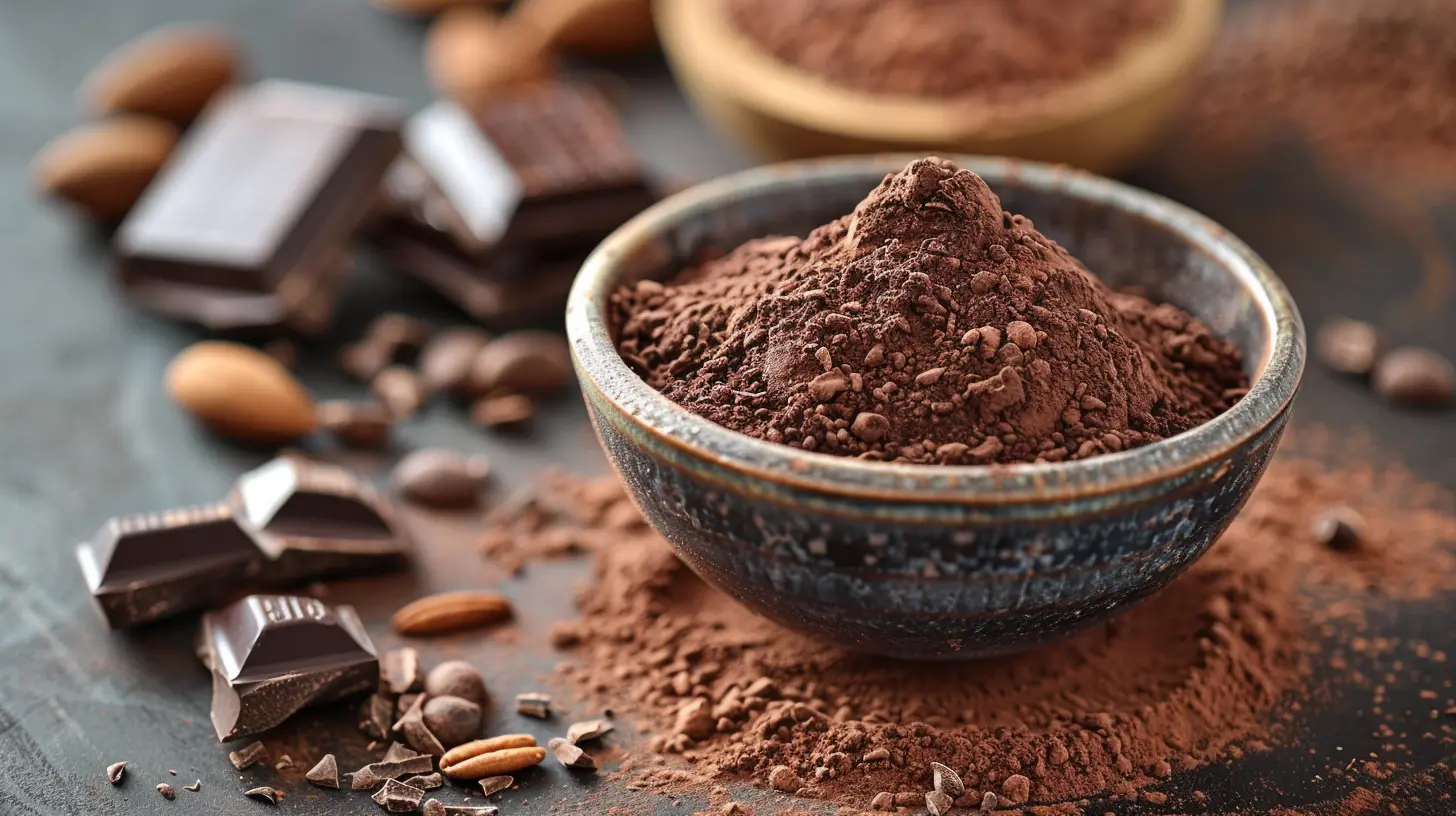
Why Iron Is a Big Deal for Athletes
Before we dive into the delicious world of iron-packed foods, let’s quickly talk about why this mineral is so important, especially for endurance athletes.Iron is like the superstar player on your body’s transportation team. It teams up with hemoglobin in your red blood cells to carry oxygen from your lungs to your muscles. If your iron levels are low, your body struggles to deliver oxygen where it’s needed most. The result? You feel drained, sluggish, and that finish line seems a thousand miles further than it is.
Endurance athletes, in particular, are at a higher risk of iron deficiency. Why? Intense training can break down red blood cells (a process called hemolysis), sweat can leach out minerals, and if your diet isn’t up to scratch, you might not be replenishing your reserves. Sound familiar? Then stick around because we’re about to fix that!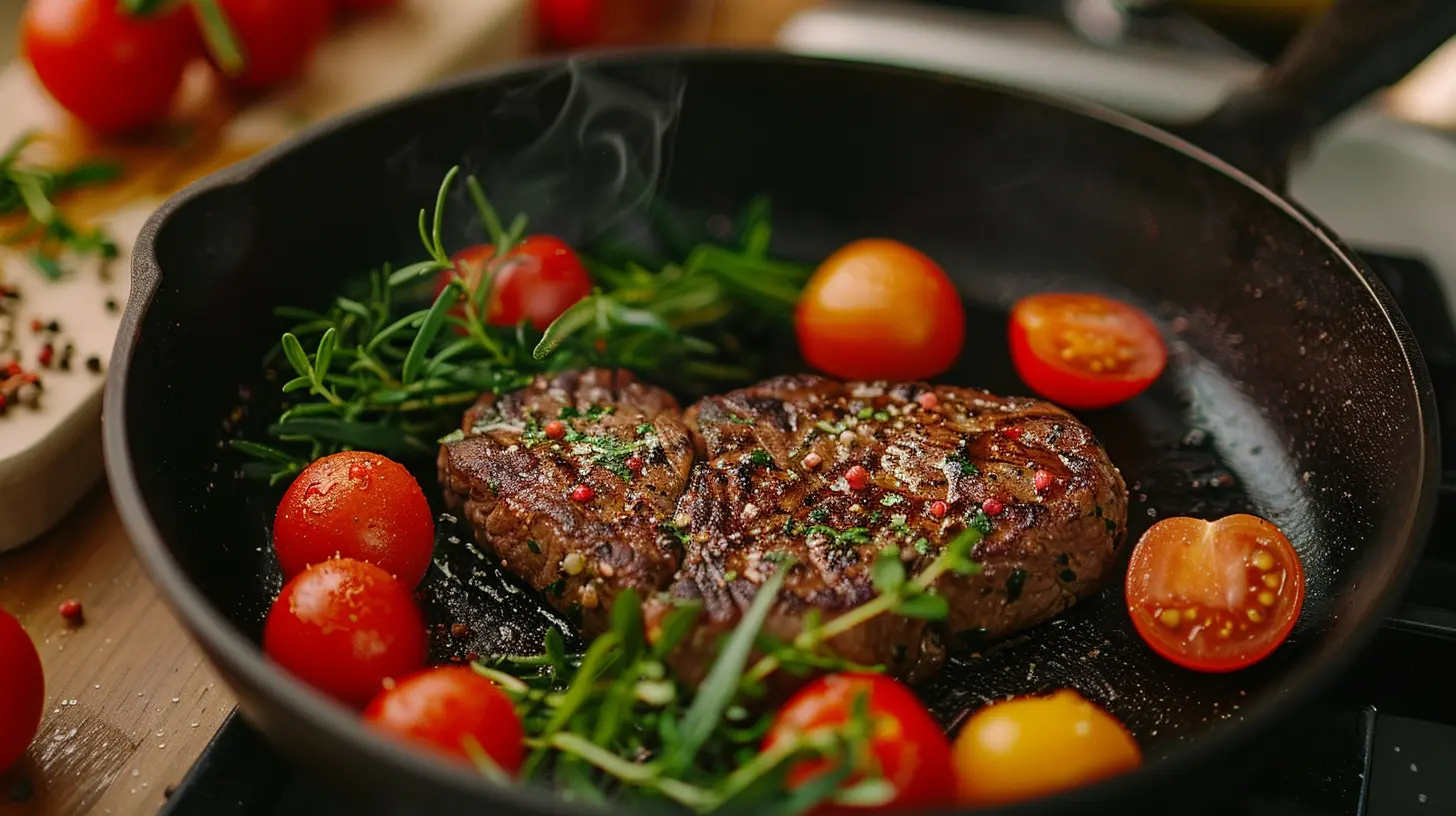
Signs You Might Be Low on Iron
Not sure if iron deficiency is your problem? Here are a few signs that might ring a bell:- Constant fatigue, even after resting.
- Pale skin that makes you look like you’re starring in a zombie movie.
- Shortness of breath during exercise (or even light activity).
- Dizzy spells out of nowhere.
- Low energy levels that just won’t budge.
If any of these sound like your day-to-day, it might be time to check in with your doctor and get your iron levels tested. But don’t worry, even if you're running low, a few dietary tweaks can work wonders.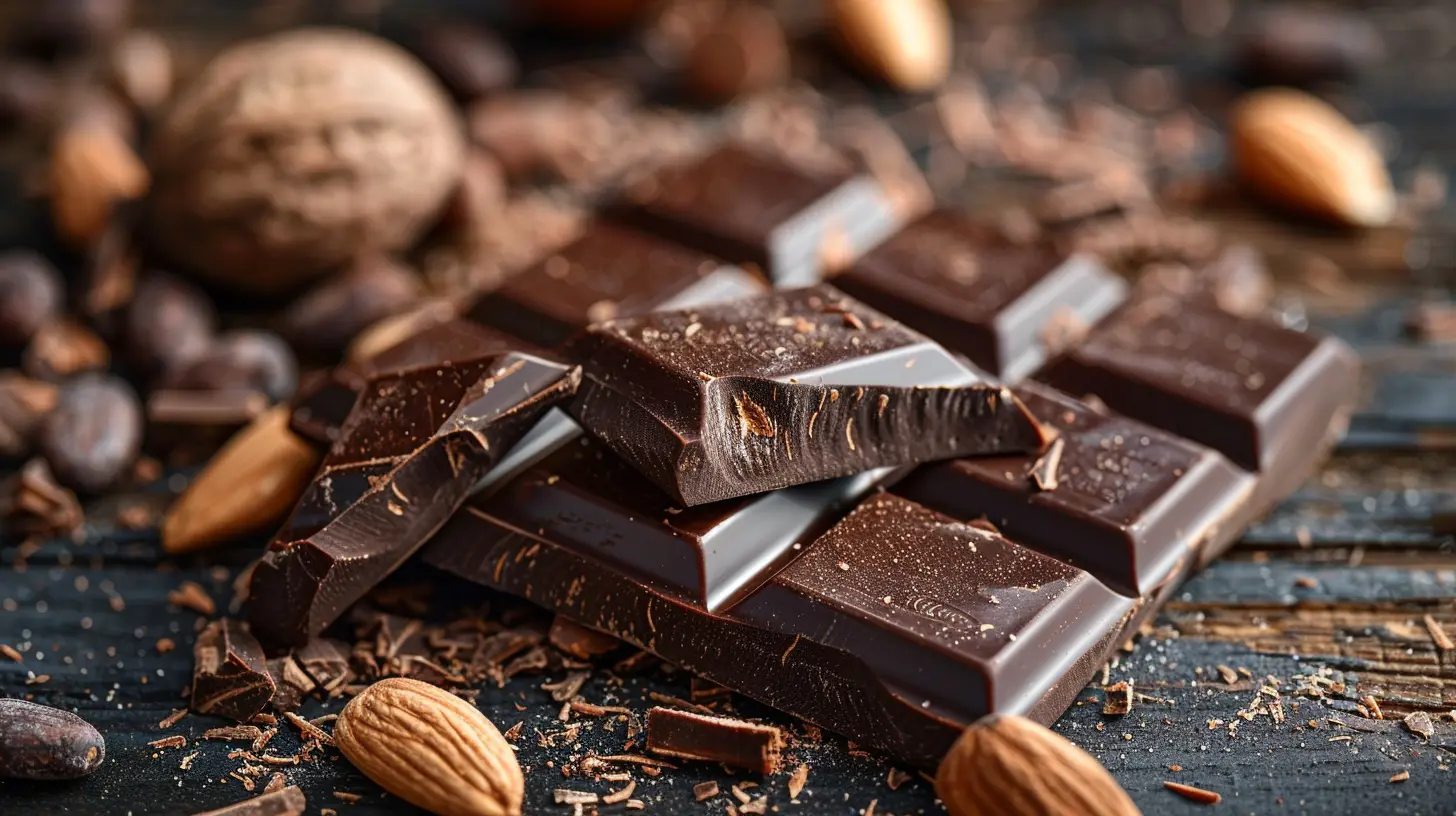
Types of Iron: Heme vs. Non-Heme
Let’s talk about the two “types” of iron you’ll find in food – heme iron and non-heme iron.- Heme Iron: Found in animal-based foods (like meat, fish, and poultry), this type is the superstar of absorbability. Your body loves it and absorbs it like a sponge.
- Non-Heme Iron: Found in plant-based foods (like beans, lentils, and spinach), it’s the less absorbable sibling. But don’t worry; there are hacks to boost your body’s absorption of non-heme iron, which we’ll get into shortly.
Top Iron-Rich Foods to Power Your Performance
Ready to stock up on iron-packed goodness? Let’s break it down into animal-based and plant-based options so everyone’s covered, regardless of dietary preferences.1. Beef Liver – The Iron King
You may cringe at the word liver, but hear me out – it’s one of the richest sources of iron. Just 100 grams of beef liver packs a whopping 6.5 mg of iron. Plus, it’s loaded with B vitamins, making it a nutritional powerhouse for athletes. Don’t like the taste? Blend it into sauces or mix it with ground meat – problem solved!2. Lean Red Meat
If liver isn’t your thing, lean cuts of beef, lamb, or venison are excellent alternatives. These meats are high in heme iron, which is easily absorbed by your body. Grill up a steak or toss beef strips into your salad for a protein-and-iron-packed meal.3. Spinach – Popeye’s Secret Weapon
Popeye wasn’t wrong about spinach! This leafy green is loaded with non-heme iron – about 2.7 mg per 100 grams. But here’s the trick: Pair your spinach with vitamin C-rich foods (like a squeeze of lemon or orange slices) to supercharge your iron absorption.4. Lentils and Legumes
For plant-based athletes, lentils, chickpeas, and black beans are your best friends. A cup of cooked lentils delivers about 6.6 mg of iron, while also being rich in protein and fiber. Add them to soups, stews, or salads for a hearty, iron-boosting meal.5. Shellfish – Clams, Oysters, and Mussels
Seafood lovers, rejoice! Shellfish like clams, oysters, and mussels are loaded with heme iron. For example, 3 ounces of clams provide about 24 mg of iron – that’s more than your daily requirement! Serve them as a treat meal, and you’re good to go.6. Fortified Cereals
Need a quick, no-fuss option? Many breakfast cereals are fortified with iron. Check the label for one that provides 100% of your daily value, and pair it with a glass of vitamin C-rich orange juice for maximum benefits.7. Pumpkin Seeds
These tiny seeds pack a big punch when it comes to iron content. Just a quarter cup delivers around 2 mg of iron. They’re perfect for snacking, sprinkling on salads, or topping your morning oatmeal.8. Dark Chocolate – Yes, Really!
Good news for your sweet tooth! Dark chocolate (at least 70% cocoa) contains around 3.3 mg of iron per ounce. A few squares can not only satisfy your cravings but also help meet your daily iron needs. Plus, it’s loaded with antioxidants – win-win!9. Quinoa – The Veggie Athlete’s Best Friend
Quinoa isn’t just a trendy grain; it’s an iron powerhouse, offering 2.8 mg of iron per cup. It’s also a complete protein, making it an excellent choice for vegetarians and vegans.10. Eggs
Eggs, especially the yolks, are a decent source of iron. They’re versatile, easy to prepare, and make a great addition to any meal. Scramble them, boil them, or toss them into a veggie-packed frittata for an iron-boosting start to your day.How to Maximize Iron Absorption
Not all iron gets absorbed equally, but there are a few tricks to make sure your body gets the most bang for its buck:1. Pair Iron with Vitamin C: Think tomatoes, citrus fruits, or bell peppers. They help your body absorb non-heme iron much more effectively.
2. Avoid Iron Blockers: Be mindful of foods and drinks like coffee, tea, and calcium-rich dairy, as they can inhibit iron absorption. Try to consume these away from your iron-rich meals.
3. Cook in a Cast-Iron Pan: Believe it or not, cooking your meals in a cast-iron skillet can actually add iron to your food. It’s a small boost, but every bit counts!
4. Space Out Iron Intake: Your body can only absorb so much iron at a time. Instead of cramming it into one meal, try spreading your iron-rich foods throughout the day.
Iron Deficiency Anemia: When Fatigue Hits Hard
If your iron levels dip too low, you might develop iron deficiency anemia – a condition where your body doesn’t have enough healthy red blood cells. This can seriously derail your training and performance. The good news? With tweaks to your diet (and possible supplements, if recommended by your doctor), you can turn things around.Keeping Iron Levels in Check as an Athlete
As an endurance athlete, keeping tabs on your iron levels is just as important as tracking your mileage or timing your splits. Regular blood tests can help you stay ahead of any potential deficiencies. Plus, with a balanced diet full of iron-rich foods, you’ll be well on your way to smashing your personal bests.The Bottom Line
Your body is a machine, and iron is the fuel that keeps it running smoothly. Whether you’re pounding the pavement, hitting the trails, or swimming endless laps, make sure your diet has your back. By incorporating these iron-rich foods and smart strategies into your routine, you’ll say goodbye to fatigue and hello to peak performance. So, what are you waiting for? Time to get cooking and boost those iron levels!all images in this post were generated using AI tools
Category:
Sports NutritionAuthor:

Madeline Howard
Discussion
rate this article
2 comments
Atlas Simon
Great tips for enhancing energy!
March 20, 2026 at 6:02 AM
Madeline Howard
Thank you! I'm glad you found the tips helpful for boosting energy!
Theodora Coffey
Fuel your endurance with iron-rich foods! 🌟 Embrace the power of spinach, beans, and lean meats to battle fatigue and keep your energy soaring. Let's crush those goals together! 💪🥗
March 14, 2026 at 5:27 PM
Madeline Howard
Absolutely! Iron-rich foods like spinach and beans are key for boosting energy. Let's keep pushing our limits!