How Yoga Prepares Athletes for Peak Performance
14 November 2026
Athletes are always on the lookout for methods to enhance their performance, whether that means improving strength, agility, or mental focus. While traditional training regimens focus on physical conditioning, yoga has emerged as a potent complement to these practices. By integrating yoga into their routines, athletes can experience profound benefits that extend beyond mere flexibility. This article delves into how yoga prepares athletes for peak performance by examining its physical, mental, and emotional advantages.

The Physical Benefits of Yoga for Athletes
Improved Flexibility and Range of Motion
One of the most notable benefits of yoga is improved flexibility. Many athletes, particularly those in high-intensity sports, often face tight muscles and limited range of motion due to repetitive movements. This can lead to injuries and decreased performance. Yoga poses, or asanas, systematically stretch and strengthen muscles, enhancing flexibility. For instance, a regular practice of poses like Downward Dog and Forward Bend can significantly loosen hamstrings and hip flexors, which are crucial for running and jumping.Practical Advice: Incorporating specific yoga sequences targeting problem areas can enhance athletic performance. Athletes should consider practicing yoga at least twice a week, focusing on poses that counteract the effects of their primary sport.
Enhanced Strength
Contrary to the misconception that yoga is merely about stretching, it also builds strength. Many poses require athletes to support their body weight in various ways, leading to increased muscle endurance. For example, poses like Plank and Warrior II engage multiple muscle groups, which can translate into better core strength and stability on the field or court.Nuanced Explanation: Athletes should recognize that yoga builds functional strength, which is different from the isolated strength gained through traditional weightlifting. This functional strength is essential for real-world applications, such as stabilizing the body during sudden movements.
Injury Prevention and Rehabilitation
Yoga promotes body awareness and proper alignment, which can significantly reduce the risk of injuries. Many athletes unknowingly develop imbalances that can lead to strains or sprains. Yoga encourages mindfulness, helping athletes to listen to their bodies and avoid pushing beyond safe limits.yoga can be an effective rehabilitation tool. Athletes recovering from injuries often find that gentle yoga practices facilitate healing through improved blood circulation and muscle relaxation.
Common Mistakes: Athletes may rush into advanced poses without mastering the basics, leading to potential injury. It is crucial to progress gradually and work with a knowledgeable instructor who can provide guidance.

The Mental Edge Yoga Provides
Enhanced Focus and Concentration
Yoga is as much a mental practice as it is a physical one. The focus on breath and mindfulness cultivates concentration, helping athletes to sharpen their mental acuity. This heightened focus is invaluable during competitions, where distractions can derail performance.For example, many elite athletes, including tennis players and runners, integrate yoga into their training to enhance their ability to maintain focus under pressure. The practice of meditation within yoga can also help athletes visualize success, a technique often used by top performers.
Best Practices: Athletes should incorporate breathing exercises like Pranayama into their routine. These exercises can calm the mind and improve focus during both training and competition.
Stress Reduction and Emotional Resilience
The competitive nature of sports can lead to significant stress. Yoga provides athletes with tools to manage this stress effectively. The physical practice helps release tension in the body, while meditation and mindfulness practices promote emotional resilience.Research suggests that regular yoga practice can lower cortisol levels, the hormone associated with stress. For athletes, this is particularly beneficial, as reduced stress can lead to improved performance.
Real-World Example: Many elite sports teams have begun incorporating yoga and mindfulness practices into their routines. The Seattle Seahawks, for example, have utilized yoga to enhance performance and team cohesion, emphasizing its mental benefits as much as its physical ones.
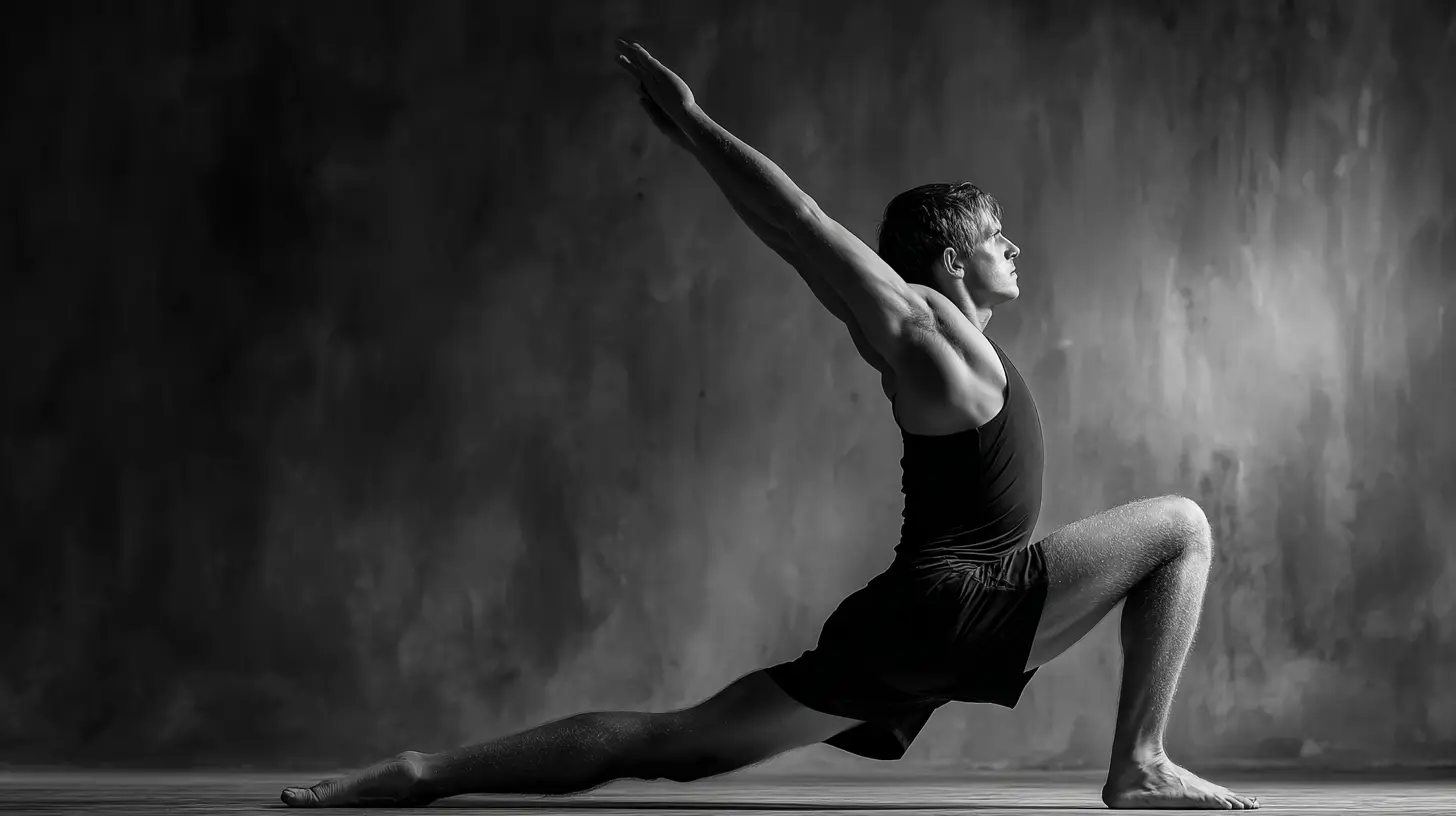
Integrating Yoga Into Athletic Training
Finding the Right Style of Yoga
Not all yoga styles are created equal, especially when it comes to athletic performance. Athletes may benefit from more vigorous styles like Vinyasa or Ashtanga, which incorporate strength and endurance, as opposed to gentler practices like Yin or Restorative yoga.What to Consider: Athletes should assess their specific needs and choose a yoga style that complements their training. For those focused on building strength and stamina, a more dynamic practice may be beneficial, while those seeking recovery might gravitate toward restorative styles.
Developing a Routine
Establishing a consistent yoga practice is essential for reaping its benefits. Athletes can start with short sessions, gradually increasing duration and complexity as they become more comfortable. A well-rounded routine might include:- Dynamic Warm-Ups: Begin a training session with a few sun salutations to warm up the body.
- Post-Workout Stretching: Conclude training with restorative poses to facilitate recovery.
- Mindfulness Sessions: Incorporate meditation for mental clarity and focus, especially before competitions.
Actionable Recommendation: Athletes should create a weekly schedule that includes yoga sessions, ensuring they remain committed to this practice amidst their other training obligations.

Comparing Yoga to Traditional Training
Complementary Benefits
Yoga should not be viewed as a replacement for traditional strength and conditioning programs. Instead, it serves as a valuable complement. While traditional training may focus on building raw power and speed, yoga enhances flexibility, balance, and mental acuity-attributes that are equally vital for peak performance.Trade-Offs: The primary downside of relying solely on yoga is the potential neglect of strength training, which is essential for many sports. Athletes should seek a balanced approach that integrates both yoga and traditional training to maximize performance.
Common Misconceptions
A prevalent misconception is that yoga is only beneficial for those looking to increase flexibility or relax. In reality, it offers a holistic approach that addresses strength, endurance, mental clarity, and emotional stability.Balanced Viewpoint: While some athletes may excel without yoga, the majority can find significant advantages by incorporating it into their training.
Conclusion
Yoga is more than just a series of stretches; it is a comprehensive practice that prepares athletes for peak performance on multiple fronts. By enhancing flexibility, strength, focus, and emotional resilience, yoga equips athletes with the tools they need to excel in their sports.Athletes willing to embrace this ancient practice can find themselves not only performing better but also enjoying their sport more fully. As with any training modality, the key lies in consistency and finding the right approach that works for individual needs.
all images in this post were generated using AI tools
Category:
Yoga BenefitsAuthor:

Madeline Howard

