The Role of Yoga in Combating Depression and Anxiety
29 January 2026
Have you ever felt like the weight of the world is crushing your chest? Or found yourself tossing and turning at night, tangled up in a mess of worries? Trust me, you're not alone. Depression and anxiety are like unwelcome guests who overstay their welcome—and they seem to be taking up more and more space in people's lives today. The good news? Yoga might just be the secret weapon you’ve been looking for to send those pesky intruders packing.
Let’s dive into how yoga, this age-old practice of movement and mindfulness, is emerging as a modern-day superhero for mental health. Spoiler alert: It's not just about fancy poses or touching your toes. There’s a whole lot more to it. 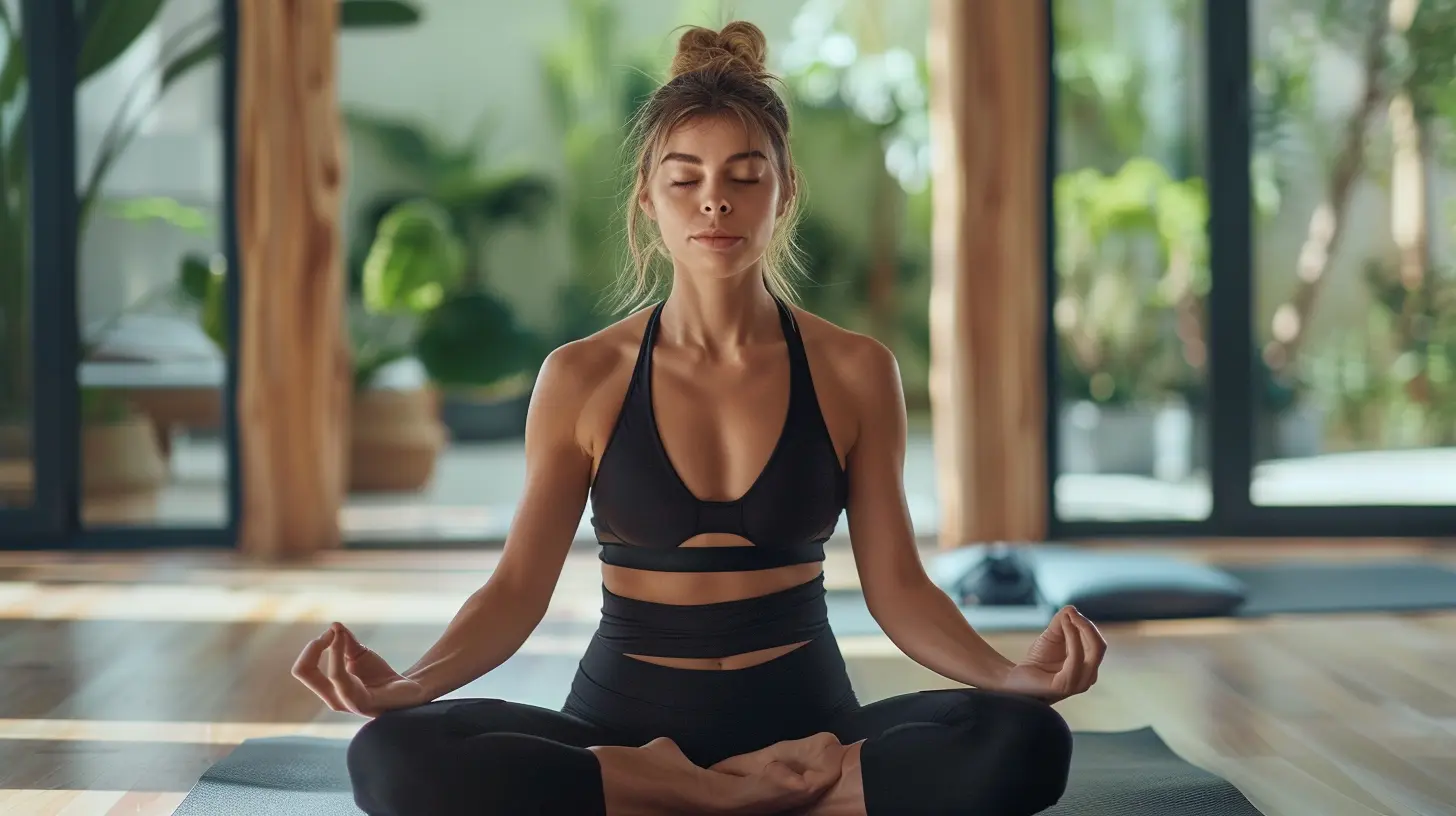
Understanding Depression and Anxiety
Before we unroll the yoga mat, let’s get a better grip on what we’re working with here.Depression
Depression isn’t just about feeling sad. It’s that heavy fog that refuses to lift, making even everyday tasks feel impossible. You lose interest in things you once loved, your energy tanks, and sometimes, it feels like you're stuck in quicksand with no way out.Anxiety
On the flip side, anxiety is like having a pesky inner voice constantly whispering worst-case scenarios. It’s the racing heart, sweaty palms, and overthinking everything—even things that don’t deserve a second thought.Both of these mental health challenges can vary from mild to severe, but one thing’s for sure: they can really mess with your quality of life. 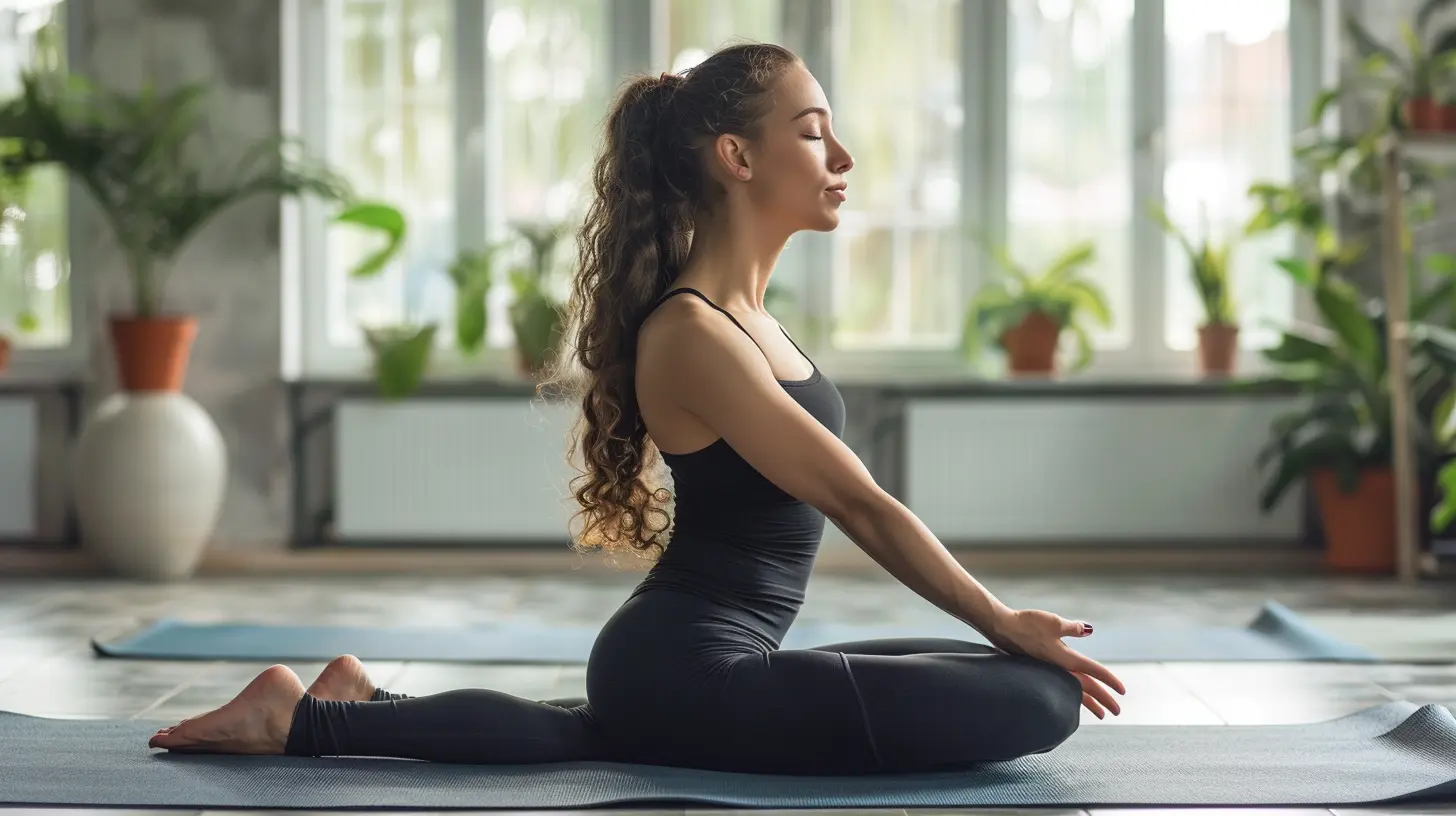
Where Does Yoga Come In?
Alright, you’re probably asking yourself, "How can stretching on a mat help me stop overthinking or feeling down?" Well, yoga is so much more than just stretching—it's like a mental and physical reset button.Yoga combines movement, mindfulness, and breathwork. Together, these elements work a kind of magic that helps you feel more grounded and less overwhelmed. It’s that mind-body connection we hear about all the time but don't usually prioritize.
Still skeptical? Don’t worry. Let’s break it down and see how yoga specifically targets both depression and anxiety. 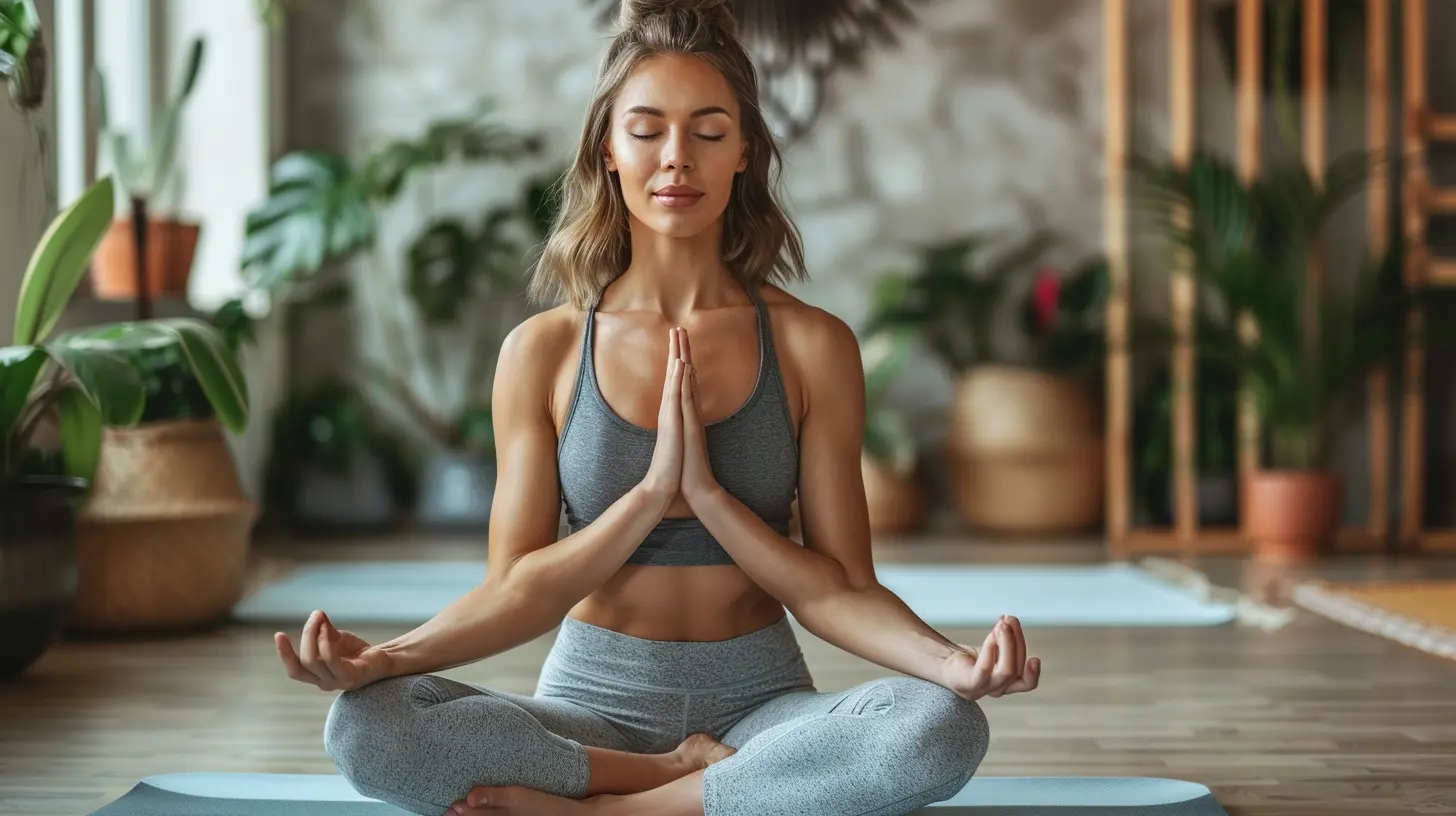
How Yoga Helps with Depression
1. Releases Feel-Good Chemicals
You know that “runner’s high” people talk about? Yoga gives you a similar buzz. When you practice yoga, your body releases endorphins—the natural "feel-good" chemicals. Plus, it lowers the levels of cortisol (yep, that pesky stress hormone that’s often spiking when you’re depressed).2. Encourages Presence and Mindfulness
Depression often has you living in the past, stuck in loops of regret or sadness. Yoga gently nudges you back into the present moment. When you’re focusing on your breath or holding a pose, there's little room for those nagging "what-ifs" or "should-haves."3. Improves Sleep Quality
Can’t sleep? Depression loves to mess with your Zzz's. Yoga, especially restorative forms like Yin or Yoga Nidra, promotes relaxation and helps regulate your sleep cycle. Think of it as a lullaby for your nervous system.4. Builds Self-Compassion
One surprising side effect of yoga? It teaches you to cut yourself some slack. Depression can be ruthless, filling your head with self-criticism and harsh judgment. But yoga encourages self-compassion. After all, every pose is a practice, not perfection.
How Yoga Helps with Anxiety
1. Tames the Fight-or-Flight Response
Anxiety often feels like your body is stuck in panic mode—it’s all fight or flight, all the time. Yoga, particularly slow-paced practices like Hatha or Restorative Yoga, soothes your sympathetic nervous system. Translation? Less panic, more chill.2. Brings You Back to Your Breath
Breathing deeply may sound too simple to make a difference, but trust me, it works. In times of anxiety, our breath becomes shallow and quick, fueling more panic. Yoga teaches you how to reclaim your breath—slower, deeper, and more intentional. It’s like hitting the reset button on your internal chaos.3. A Natural Distraction
Ever notice how anxiety loves to latch onto random worries? Yoga gives your brain something productive to focus on—balancing in Tree Pose, stretching into Downward Dog, or just breathing deeply. This focus can break those anxiety spirals.4. Builds Confidence to Tackle Feelings
Whether it’s mastering a challenging pose or simply showing up to your mat on tough days, yoga builds resilience. That "I did it!" feeling spills into other areas of life, helping you face anxiety-inducing situations with a bit more courage.Beyond the Mat: Yoga's Ripple Effect
Here’s the thing: Yoga isn’t just about the time you spend on the mat. Its benefits spill over into the rest of your life.- Mindfulness Off the Mat: You might find yourself becoming more present in everyday moments—whether it's savoring your morning coffee or noticing the beauty of a sunset.
- Improved Relationships: When you’re calmer and more centered, you show up better for the people in your life.
- Healthier Habits: Practicing yoga often inspires other positive changes, like healthier eating, better sleep routines, or less time scrolling on your phone.
The Science Backs It Up
Still think this all sounds too good to be true? Let’s bring in the science for a minute.A 2017 study published in Frontiers in Psychiatry found that yoga significantly reduced symptoms of depression. Another study in The Journal of Psychiatric Practice concluded that yoga could serve as an effective tool for managing anxiety disorders. Researchers believe this has a lot to do with yoga’s impact on the nervous system and its ability to regulate stress responses.
Put simply? The science agrees—yoga really can help.
How to Get Started with Yoga
Never done yoga before? No worries! You don’t need to be flexible or own fancy leggings to start. Here are some tips:1. Start Small: Aim for just 10-15 minutes a day. Even a short practice can make a huge difference.
2. Try Online Classes: Platforms like YouTube offer free beginner-friendly yoga sessions that cater to various needs (stress relief, better sleep, etc.).
3. Consider Yoga Types:
- Feeling anxious? Go for Restorative or Yin Yoga.
- Need an energy boost? Try Vinyasa or Hatha Yoga.
4. Use Props: Don’t hesitate to use yoga blocks, cushions, or even a chair for support.
5. Be Patient: Yoga is a practice, not a competition. It’s okay if you wobble or can’t touch your toes—progress is what counts.
A Gentle Reminder
Yoga isn’t a quick-fix miracle cure, and it’s not a substitute for professional therapy or medication when those are needed. It’s more like a powerful tool you can add to your mental health toolbox. Combine it with other supports, and you’ll be amazed at the changes over time.Wrapping It Up
So, can yoga help with depression and anxiety? Absolutely. It’s like hitting the reset button for your mind and body—calming the chaos, boosting your mood, and helping you feel more in control.And the best part? You don’t need to be a yoga expert to reap the benefits. Just showing up on your mat (or even your living room floor) and committing to the practice is enough to set the wheels of change in motion.
So, why not give it a shot? Unroll that mat, take a deep breath, and let yoga work its magic. You’ve got this.
all images in this post were generated using AI tools
Category:
YogaAuthor:

Madeline Howard
Discussion
rate this article
2 comments
Lanae Lambert
Yoga can significantly reduce symptoms of depression and anxiety through mindfulness, physical activity, and stress relief.
February 20, 2026 at 5:46 AM
Madeline Howard
Thank you for highlighting the benefits of yoga! Its combination of mindfulness and physical activity indeed plays a crucial role in alleviating depression and anxiety.
Savannah Johnson
Let’s be real: if downward dog can kick anxiety to the curb, I’ll take my zen with a side of sass, please!
January 30, 2026 at 6:00 AM
Madeline Howard
Absolutely! Yoga combines physical movement and mindfulness, making it a powerful tool for managing anxiety—sass included!