How to Read Food Labels for Gluten-Free Living
29 April 2026
Gluten-free living can be tricky, especially when it comes to decoding food labels. If you're on a gluten-free diet because of celiac disease, gluten sensitivity, or personal preference, understanding food labels is crucial to making safe and healthy choices.
At first glance, food labels can appear like a jumble of ingredients and fine print. But don’t worry—once you know what to look for, reading them becomes second nature. In this guide, we’ll break it all down so you can confidently choose gluten-free products without second-guessing yourself. 
Why Understanding Food Labels Matters
Gluten can hide in the most unexpected places. Even foods that seem naturally gluten-free might have been exposed to gluten during processing. That’s why relying on labels instead of assumptions is a must.For people with celiac disease, even the tiniest bit of gluten can cause severe health issues. Meanwhile, those with gluten sensitivity may experience discomfort, bloating, and fatigue. Reading food labels is an essential skill for keeping your health in check and avoiding unwanted surprises. 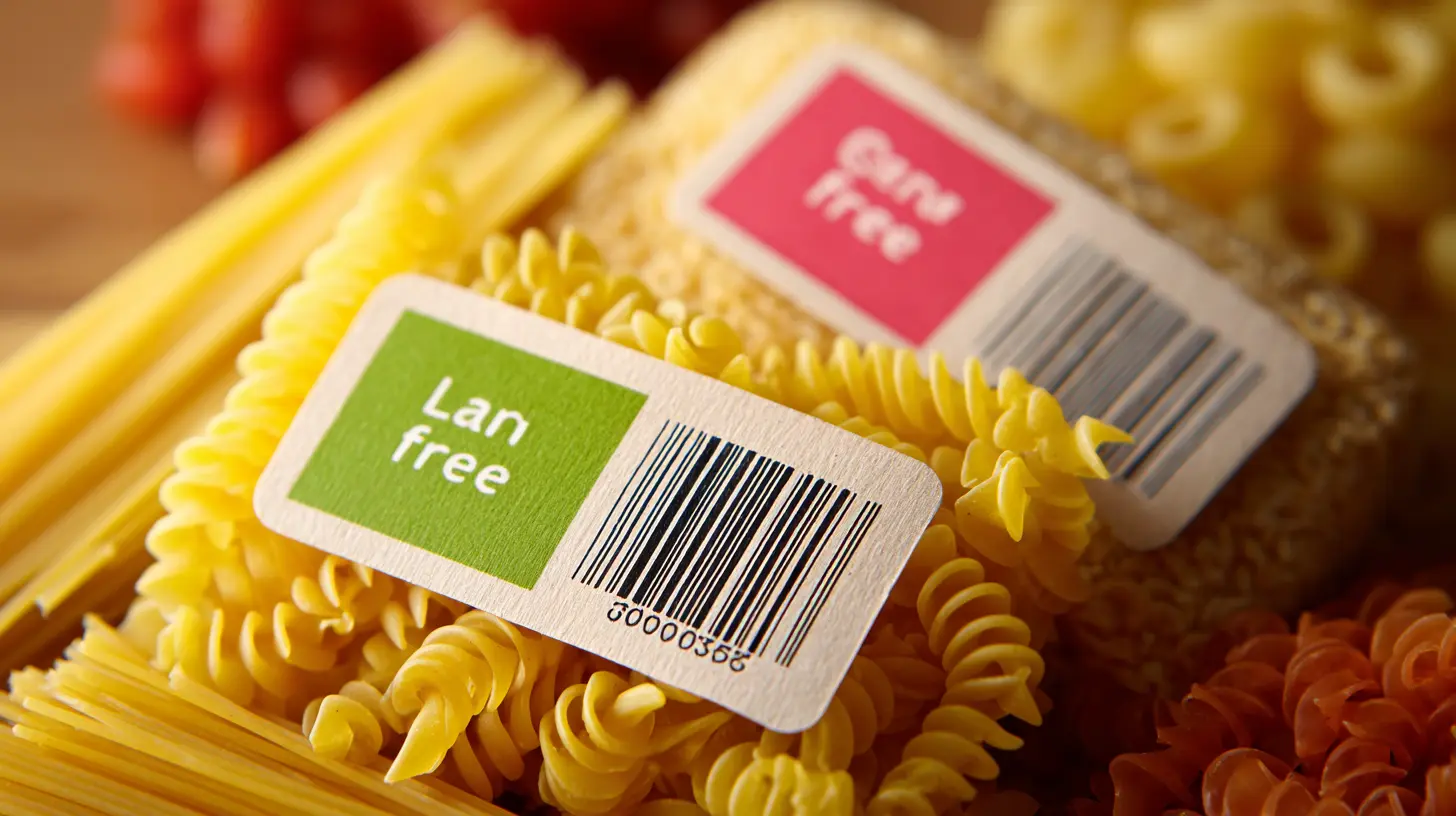
The Basics of Gluten-Free Labeling
1. The "Gluten-Free" Certification
The easiest way to identify gluten-free products is by looking for a “Certified Gluten-Free” label. Organizations like the Gluten-Free Certification Organization (GFCO) and the Celiac Support Association (CSA) ensure that products meet strict standards (usually containing less than 20 parts per million of gluten).If a product has this certification, you can breathe a sigh of relief—it’s been tested and verified to be gluten-free.
2. The "Gluten-Free" Claim
Even if a product doesn’t have official certification, it may still state "gluten-free" on the packaging. The FDA requires that foods labeled "gluten-free" contain less than 20 ppm of gluten, making them generally safe for most gluten-intolerant individuals.However, some companies self-label their products without third-party verification. While this is still regulated, it’s always good to double-check ingredient lists and allergen warnings. 
Hidden Sources of Gluten in Ingredients
Just because you don’t see "wheat" at first glance doesn’t mean a food is safe. Gluten can disguise itself under different names. Here’s what to watch for:1. Common Gluten-Containing Ingredients
Some ingredients are clear indicators that a product contains gluten. Avoid items with:- Wheat (including wheat flour, wheat starch)
- Barley
- Rye
- Triticale (a hybrid of wheat and rye)
- Malt (usually derived from barley)
- Brewer’s yeast
2. Sneaky Gluten-Containing Ingredients
Not all gluten sources are obvious. Keep an eye out for these tricky additives:- Modified Food Starch – Usually safe if made from corn, but double-check if unspecified.
- Dextrin – Can be derived from wheat.
- Hydrolyzed Vegetable Protein (HVP) – Sometimes made from wheat.
- Soy Sauce – Traditionally made with wheat (look for gluten-free soy sauce alternatives).
- Artificial and Natural Flavorings – Rarely contain gluten, but it's worth checking.
If you're unsure about an ingredient, a quick online search or reaching out to the manufacturer can help clear things up. 
Cross-Contamination and Allergen Statements
1. “May Contain” or “Processed in a Facility” Warnings
Even if an ingredient list appears safe, a product can still be contaminated if it’s processed in a facility that also handles gluten.Look for phrases like:
- “May contain wheat”
- “Produced in a facility that processes wheat”
- “Made on shared equipment with wheat”
While these warnings aren’t mandatory, they indicate that cross-contact with gluten is a possibility. If you have celiac disease, it’s best to steer clear of such products.
2. Look for Dedicated Gluten-Free Facilities
Some brands go the extra mile by manufacturing their products in gluten-free facilities. This means there's zero chance of cross-contamination. If you find a brand that does this, it’s a huge win for peace of mind!Decoding Food Labels Step by Step
Let’s break it down into a simple process:1. Look for a Certified Gluten-Free Label – This is the quickest and safest way to identify gluten-free products.
2. Check for a "Gluten-Free" Claim – If there's no certification, a gluten-free label is the next best thing.
3. Read the Ingredients List – Scan for obvious gluten sources like wheat, barley, rye, and sneaky additives.
4. Check for Cross-Contamination Warnings – If you have celiac disease or extreme sensitivity, avoid products that mention shared equipment with gluten-containing foods.
Following these steps will help you develop a habit of quickly identifying safe foods.
Gluten-Free Doesn't Always Mean Healthy
Just because a product is labeled gluten-free doesn’t necessarily mean it’s good for you. Many processed gluten-free products contain added sugars, unhealthy fats, and preservatives to compensate for texture and flavor.Instead of relying on packaged gluten-free products, focus on whole, naturally gluten-free foods like:
- Fruits and vegetables
- Lean meats and poultry
- Fish and seafood
- Nuts and seeds
- Dairy products
- Gluten-free grains like quinoa, rice, and millet
By prioritizing whole foods, you'll maintain a balanced and nutritious gluten-free diet.
Practical Tips for Shopping Gluten-Free
1. Stick to the Perimeter of the Grocery Store – Fresh foods like produce, meat, and dairy are naturally gluten-free. The more processed the food, the more label-checking you’ll need to do.2. Keep a Gluten-Free Ingredient List on Your Phone – This can help you quickly reference which ingredients to avoid.
3. Choose Simpler Foods with Fewer Ingredients – The shorter the ingredient list, the easier it is to spot potential gluten sources.
4. Check Labels Every Time – Just because a product was gluten-free last time doesn’t mean the formula hasn’t changed. Manufacturers sometimes modify ingredients without warning.
5. Be Wary of Bulk Bins – Even gluten-free grains can be accidentally contaminated if scoops are shared with gluten-containing items.
Final Thoughts
Mastering the art of reading food labels for gluten-free living takes time, but once you get the hang of it, it becomes second nature. The key is to familiarize yourself with gluten-containing ingredients, look out for cross-contamination warnings, and rely on certified gluten-free labels whenever possible.While it may seem overwhelming at first, remember—you’re not alone in this journey! With practice, shopping gluten-free will feel effortless, and you'll gain confidence in your food choices. Keep reading those labels, and enjoy safe, delicious, and worry-free gluten-free meals!
all images in this post were generated using AI tools
Category:
Gluten FreeAuthor:

Madeline Howard
Discussion
rate this article
2 comments
Kirk Cook
Reading food labels is essential for anyone living gluten-free. Look for certified gluten-free symbols and check ingredients carefully. Watch out for hidden sources of gluten in additives and cross-contamination risks. With a little practice, you can make informed choices and enjoy safe, delicious meals that support your health.
June 16, 2026 at 2:58 PM
Madeline Howard
Absolutely! Being vigilant with food labels is key for gluten-free living. It really helps to read every ingredient and look for those certified symbols to stay safe.
Tamara Fields
Oh sure, reading food labels is a breeze. Just skim through the scientific jargon and decipher the hieroglyphics, right? Who needs a degree in decoding when you can just squint at the tiny print and hope for the best? Gluten-free living sounds like a fun puzzle... for masochists.
May 1, 2026 at 4:44 AM
Madeline Howard
I get your point. It can feel overwhelming, but with a little practice, it does get easier. Thanks for sharing your take!