How to Help Teens Develop Healthy Sleep Habits
13 October 2026
Teenagers are notorious for staying up late, sleeping until noon, and treating their bedrooms like caves. Parents often interpret this as laziness or defiance. It usually is not. The teenage brain is undergoing profound changes in how it regulates sleep, and those changes collide with a school schedule that starts earlier than their biology wants. Understanding that collision is the first step toward helping your teen build sleep habits that actually stick.
This article is not a list of rules to impose. It is a guide to understanding why teen sleep is different, what gets in the way, and how to work with your teenager rather than against their biology.
Why Teen Sleep Is Genuinely Different
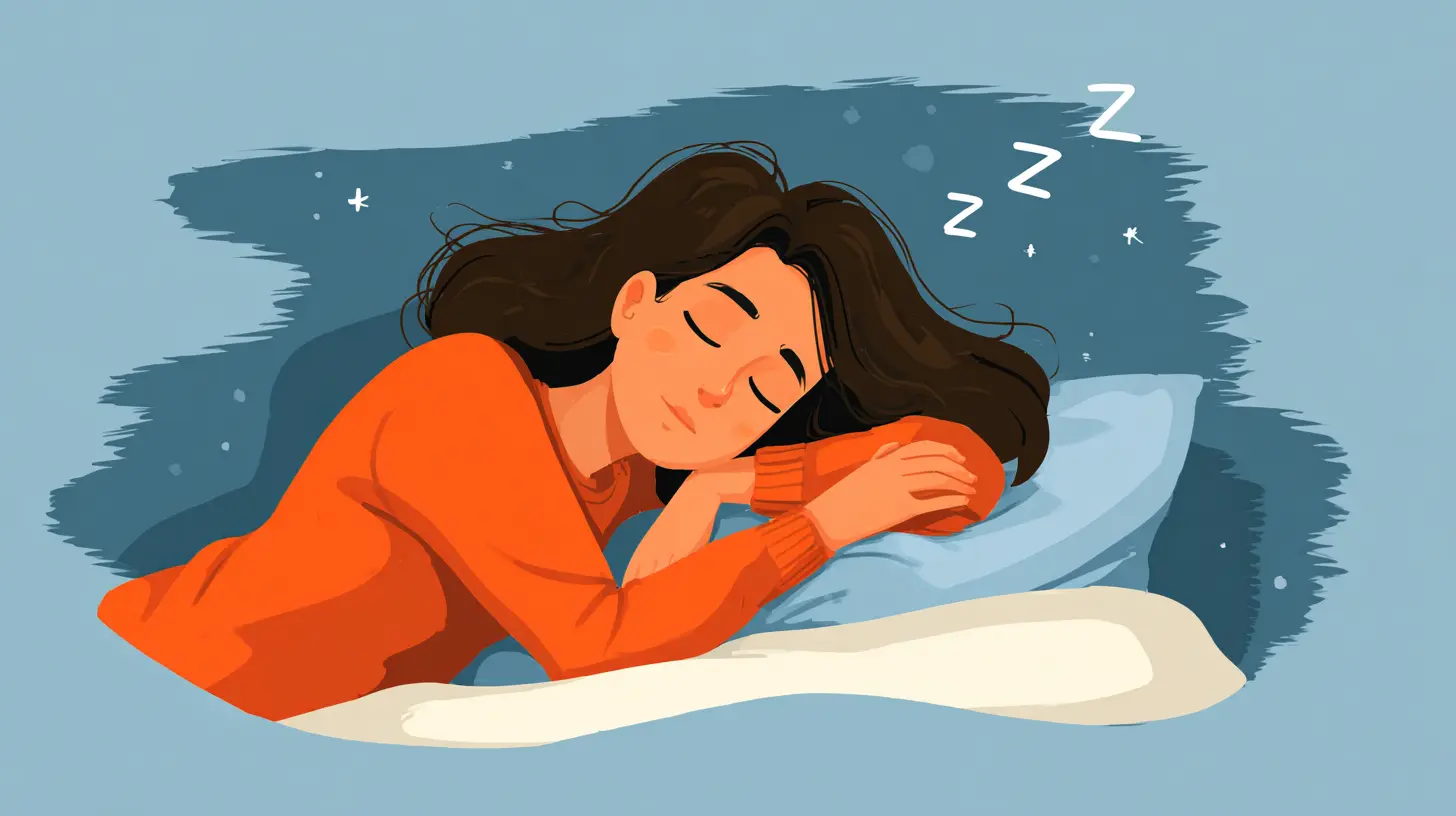
You have probably noticed that your teenager seems incapable of falling asleep before 11 p.m., no matter how tired they claim to be. That is not a choice. During puberty, the circadian rhythm shifts. Melatonin, the hormone that signals sleepiness, gets released later in the evening, roughly two hours later than it does in younger children or adults. This is sometimes called "sleep phase delay," and it is a normal developmental event, not a behavioral problem.At the same time, teenagers need more sleep than adults. The American Academy of Sleep Medicine recommends eight to ten hours per night for teens aged 13 to 18. When you combine a delayed sleep signal with an early school start time, you get a chronic sleep deficit for most adolescents.
The consequences go beyond grumpiness. Sleep deprivation in teens is linked to poorer academic performance, increased risk of depression and anxiety, impaired driving, higher rates of athletic injury, and struggles with emotional regulation. It also affects impulse control, which matters when teens are navigating peer pressure and risky decisions.
So when you are trying to help your teen sleep better, you are not just addressing a household annoyance. You are supporting their mental health, physical safety, and cognitive development.
The Real Obstacles to Teen Sleep
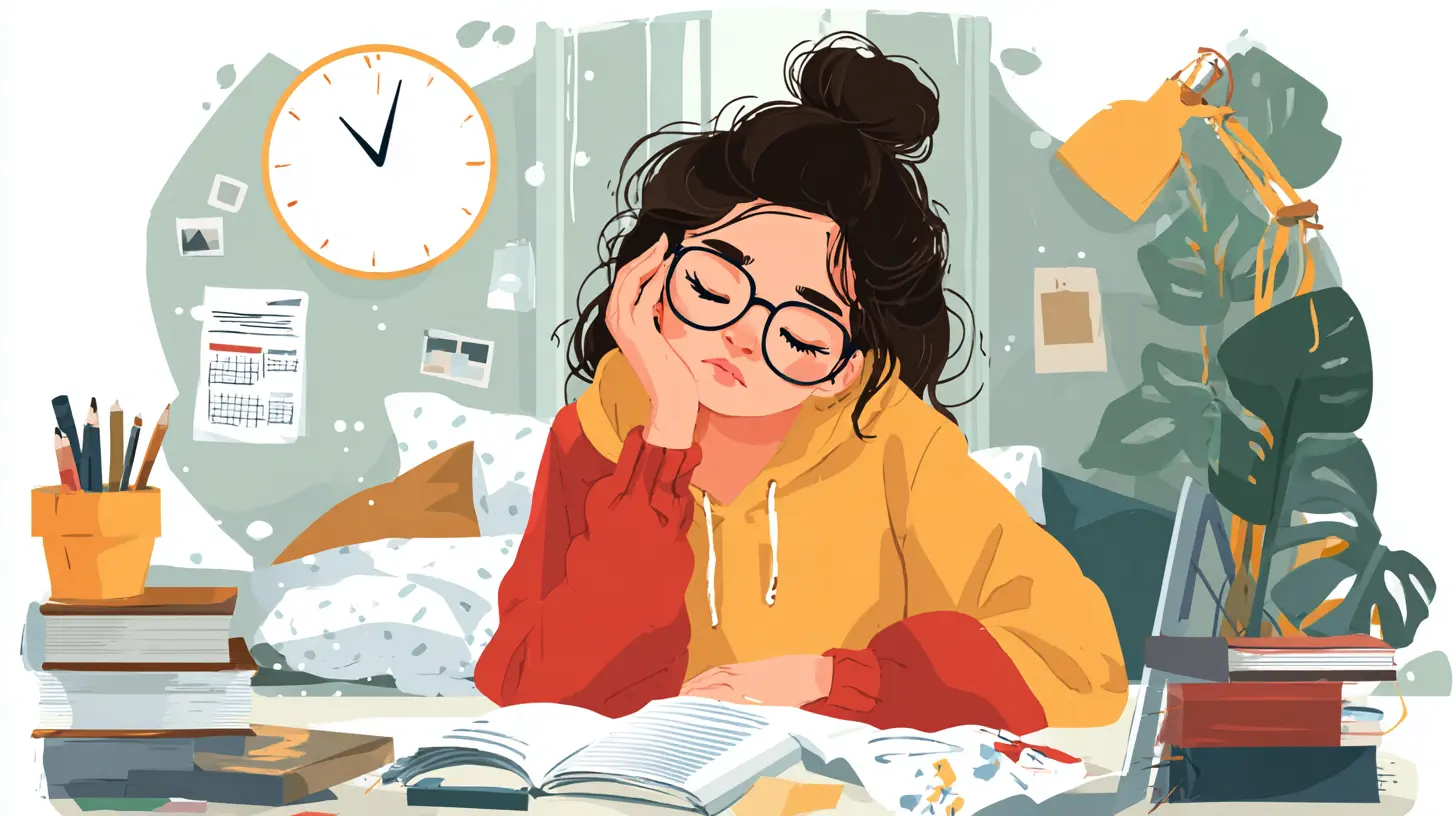
Before jumping to solutions, it helps to name what is actually getting in the way. Most teen sleep problems come from a combination of biological, social, and environmental factors.Biology
The circadian shift described above is the biggest biological factor. Teens also have a slower buildup of "sleep pressure" during the day, meaning they do not feel as sleepy as younger kids or adults after the same number of waking hours. This makes it easier for them to stay up and harder for them to fall asleep when they finally go to bed.Screens and stimulation
Screens are not the sole cause of teen sleep problems, but they are a significant contributor. The blue light from screens can suppress melatonin, although research suggests the effect is modest compared to the stimulating content itself. A teen scrolling through social media, watching an exciting show, or texting friends is engaging their brain in a way that makes sleep harder to initiate. The emotional charge of social media, in particular, can keep the mind activated long after the screen is off.Social life and schedule
Teens have homework, sports, jobs, extracurriculars, and friends. Their evenings are often packed, and bedtime becomes the only free time they have. This is sometimes called "revenge bedtime procrastination," a pattern where people delay sleep to reclaim personal time they did not have during the day.Caffeine and irregular schedules
Many teens use caffeine to get through the day, which then interferes with sleep at night. Weekend sleep-ins can also shift their internal clock further, making Monday mornings even harder.
Start With a Conversation, Not a Lecture
The fastest way to lose a teenager's cooperation is to deliver a sermon about sleep. Instead, approach the topic with curiosity. Ask your teen what their ideal day would look like if they had more energy. Ask if they notice a difference in how they feel after a good night versus a bad one. Let them connect the dots themselves.You can share what you have learned about teen sleep biology without making it a lecture. Something like, "I read that teen brains actually release sleep hormones later at night. That must make it really hard to fall asleep before midnight." This validates their experience and opens the door to problem-solving together.
The goal is to position yourself as a collaborator, not a warden. Teens are more likely to follow rules they helped create. If you want them to charge their phone outside the bedroom, let them suggest where. If you want a consistent bedtime, ask what time feels realistic to them.
Build a Sleep-Friendly Environment
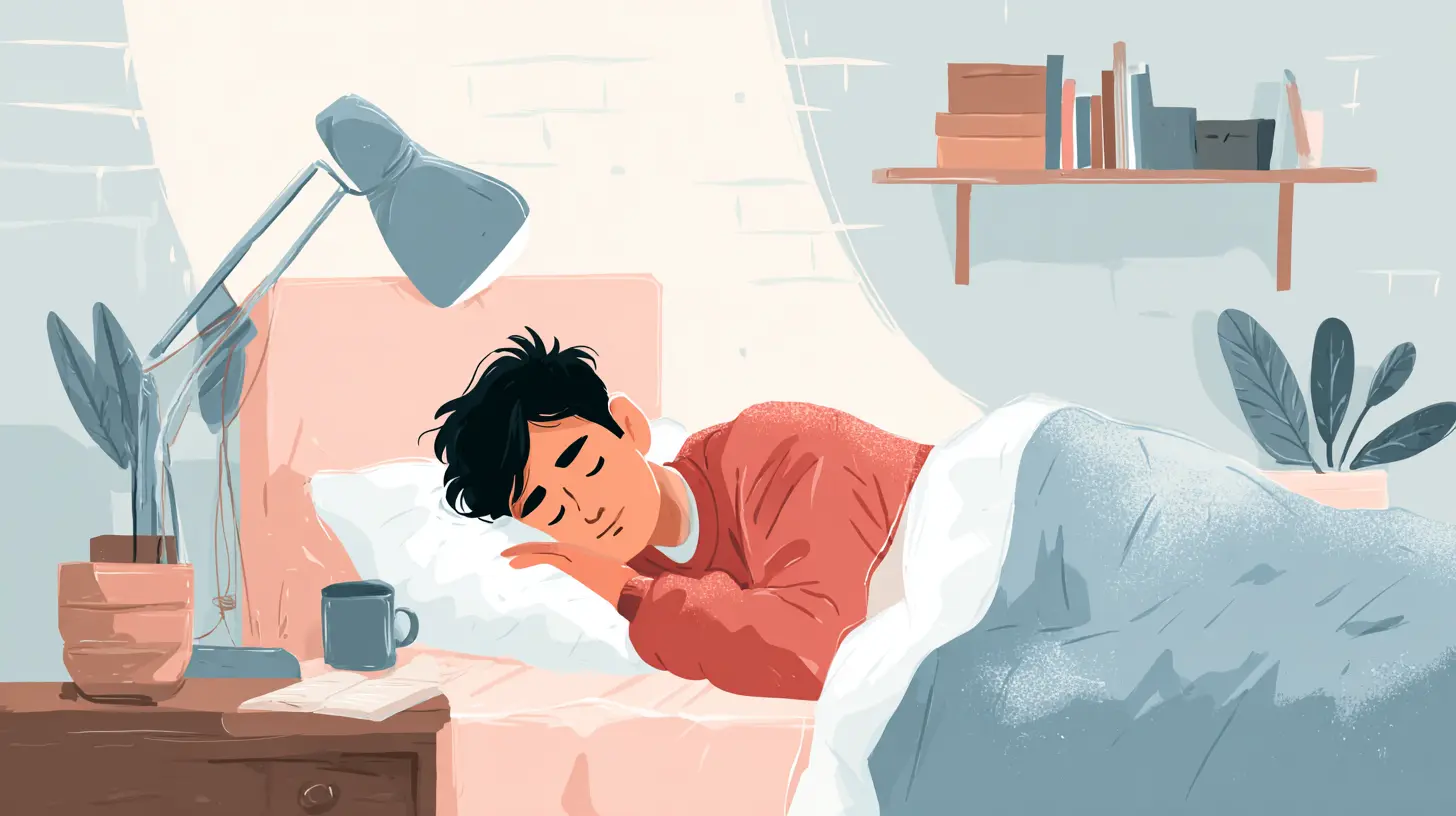
The bedroom should signal sleep, not entertainment. This does not mean stripping it of all personality. It means reducing cues that promote wakefulness.Light
Light is the most powerful external signal for the circadian system. In the morning, bright light helps reset the clock and promotes alertness. In the evening, dim light supports melatonin release. Encourage your teen to open curtains in the morning and dim overhead lights in the evening. If they use a lamp, a warm, low-wattage bulb is better than a bright overhead fixture.Temperature
Sleep tends to come easier in a cool room. A temperature around 65 to 68 degrees Fahrenheit is often recommended, though personal preference varies. A room that is too warm can disrupt sleep and cause restlessness.Noise
Consistent background noise, like a fan or a white noise machine, can help mask unpredictable sounds. Complete silence is not necessary, but sudden noises can fragment sleep.The bed itself
The bed should be for sleeping, not for doing homework, watching videos, or scrolling. This is a principle from cognitive behavioral therapy for insomnia, and it works because it strengthens the mental association between bed and sleep. If your teen studies on their bed all evening, their brain learns that bed is a place for alert work.The Screen Question: Nuance Matters
Telling a teenager to give up their phone at night is like telling an adult to give up coffee. It is possible, but it requires buy-in and a plan.The issue is not just blue light. It is the content. A calm audiobook or a relaxing playlist is very different from a group chat that is blowing up or a video game that is competitive. The former can be part of a wind-down routine. The latter is fuel for wakefulness.
A practical approach is to set a "tech curfew" that applies to the whole household, not just the teen. Everyone docks their devices in a common area an hour before bed. This removes the social pressure of feeling like they are missing out, because everyone is doing it. It also gives you a chance to model the behavior you are asking for.
If a full tech curfew feels unrealistic, try a tiered approach. For example, social media and games go off an hour before bed, but e-readers or music are allowed. The key is to have a clear boundary and to revisit it if it is not working.
Create a Wind-Down Routine That Actually Works
Adults are often told to have a bedtime routine, but teens need one too. The routine does not have to be elaborate. It just needs to be consistent and calming.A good wind-down routine might include:
- A shower or bath, which can help lower body temperature afterward
- Dimming lights and switching to a lamp
- Reading a book or listening to a podcast
- Light stretching or gentle yoga
- Journaling or planning the next day
The routine should start about 30 to 60 minutes before the target bedtime. The goal is to signal to the brain that sleep is coming. Over time, the routine itself becomes a trigger for sleepiness.
One common mistake is making the routine too rigid or too long. If it feels like a chore, your teen will resist it. Keep it simple and let them choose the elements that feel good to them.
Timing Matters: When to Wake Up and When to Go to Bed
Consistency is more important than duration when it comes to circadian health. Going to bed and waking up at roughly the same time every day, including weekends, helps stabilize the internal clock. This is why sleeping until 1 p.m. on Saturday can make Monday morning feel like jet lag.That said, teenagers do need more sleep, and a strict 6 a.m. wake-up on weekends may not be realistic. A compromise is to allow a one-hour difference on weekends. If they wake at 7 a.m. on school days, 8 a.m. on weekends is fine. A three-hour difference is not.
For bedtime, work backward from the wake-up time. If your teen needs to be up at 6:30 a.m. and needs nine hours of sleep, bedtime should be around 9:30 p.m. That may sound impossibly early to a teenager, which is why the wind-down routine and environment matter so much. You cannot force sleep, but you can create the conditions for it.
Naps: Helpful or Harmful?
Naps can be a useful tool for teens who are sleep-deprived, but they can also backfire. A long nap in the late afternoon can make it harder to fall asleep at night, which perpetuates the cycle.If your teen wants to nap, keep it short and early. A 20 to 30 minute nap in the early afternoon can boost alertness without interfering with nighttime sleep. Anything longer or later than 3 p.m. is likely to cause problems.
If your teen is napping every day because they are exhausted, that is a sign that their nighttime sleep is not sufficient. The nap is a symptom, not a solution.
Caffeine, Nicotine, and Other Substances
Caffeine has a half-life of about five to six hours, meaning half of it is still in the system hours after consumption. A soda at 4 p.m. can still be affecting sleep at 10 p.m. Encourage your teen to avoid caffeine after lunch, and be aware that energy drinks often contain much more caffeine than coffee or soda.Nicotine is also a stimulant and can disrupt sleep. If your teen vapes or smokes, that is a separate conversation, but it is worth noting that nicotine use is associated with poorer sleep quality.
Alcohol, while sedating at first, fragments sleep later in the night and reduces restorative sleep stages. It is not a sleep aid, even though it may feel like one.
When to Seek Professional Help
Most teen sleep problems can be improved with the strategies above. But some signs suggest a deeper issue that may need professional attention.Consider talking to a doctor or sleep specialist if your teen:
- Snores loudly or gasps during sleep, which could indicate sleep apnea
- Has trouble falling asleep even when they are exhausted and follow good sleep habits
- Experiences restless legs or frequent movements during sleep
- Falls asleep during the day despite adequate nighttime sleep
- Has symptoms of narcolepsy, such as sudden muscle weakness or sleep paralysis
- Shows signs of depression or anxiety that seem tied to sleep problems
Cognitive behavioral therapy for insomnia, often called CBT-I, is the first-line treatment for chronic insomnia in teens and adults. It is not just talk therapy. It is a structured program that addresses the thoughts and behaviors that perpetuate sleep problems. Many sleep specialists and therapists offer it, and there are also digital programs available.
What About School Start Times?
You cannot change your teen's biology, but you can advocate for later school start times. The American Academy of Pediatrics has recommended that middle and high schools start no earlier than 8:30 a.m. to align with teen sleep needs. Some districts have made the change and seen improvements in attendance, academic performance, and mental health.If your school district is considering a later start time, supporting that effort is one of the most impactful things you can do for teen sleep. It is a systemic solution that does not require your teen to fight their own biology every morning.
Common Mistakes Parents Make
Even well-intentioned parents can accidentally make sleep harder for their teens. Here are a few pitfalls to avoid.Making sleep a punishment. If bedtime feels like a consequence, teens will resist it. Frame sleep as a performance tool, not a restriction.
Ignoring your own habits. Teens learn from what they see. If you stay up late scrolling on your phone, they will too. Model the behavior you want to see.
Expecting immediate change. Sleep habits take weeks to shift. Be patient and celebrate small wins.
Focusing only on bedtime. Wake-up time, light exposure, and daytime habits matter just as much as what happens at night.
Using sleep as a bargaining chip. Withholding sleep or forcing early bedtimes as discipline can backfire. Sleep is a health need, not a privilege.
A Realistic Plan for Busy Families
Here is what a practical sleep plan might look like for a family with a teenager.1. Set a consistent wake-up time, even on weekends, with a one-hour grace period.
2. Create a 30-minute wind-down routine that includes dim lights and a calming activity.
3. Establish a household tech curfew one hour before bed. Everyone participates.
4. Keep caffeine limited to before lunch.
5. Get morning light exposure, ideally within 30 minutes of waking.
6. Encourage physical activity during the day, but not right before bed.
7. Revisit the plan every few weeks and adjust as needed.
This is not a rigid schedule. It is a framework. The goal is to create conditions where sleep comes more easily, not to control every minute of your teen's evening.
Final Thoughts
Helping teens develop healthy sleep habits is less about enforcing rules and more about understanding the biology, removing obstacles, and building routines that feel manageable. Your teen is not trying to be difficult. Their brain is literally wired to stay up later, and the world they live in makes it easy to do so.You will not get it perfect, and neither will they. Some nights will be late. Some mornings will be rough. What matters is the overall pattern. If you can help your teen build a foundation of consistent sleep, you are giving them a tool that will serve them well into adulthood.
Start small. Pick one change. Talk to your teen about it. Adjust as you go. Sleep is a skill, and like any skill, it improves with practice and patience.
all images in this post were generated using AI tools
Category:
Sleep HygieneAuthor:

Madeline Howard