How to Choose the Right Smoothie for Your Fitness Goals
19 September 2026
A smoothie can be one of the most useful tools in a fitness routine, or one of the most misleading. The difference rarely comes down to the recipe itself. It comes down to whether the drink matches what your body actually needs at that moment. Two people can blend the same combination of fruit, yogurt, and protein powder, and one will use it to support recovery and lean muscle while the other quietly undermines a calorie deficit without realizing it.
This article breaks down how to think about smoothies the way a coach or dietitian would. Instead of handing you a list of recipes, it explains the underlying logic so you can build the right drink for your specific goal, whether that is fat loss, muscle gain, endurance performance, or simply eating better on a busy schedule.
Why Smoothies Are Easy to Get Wrong
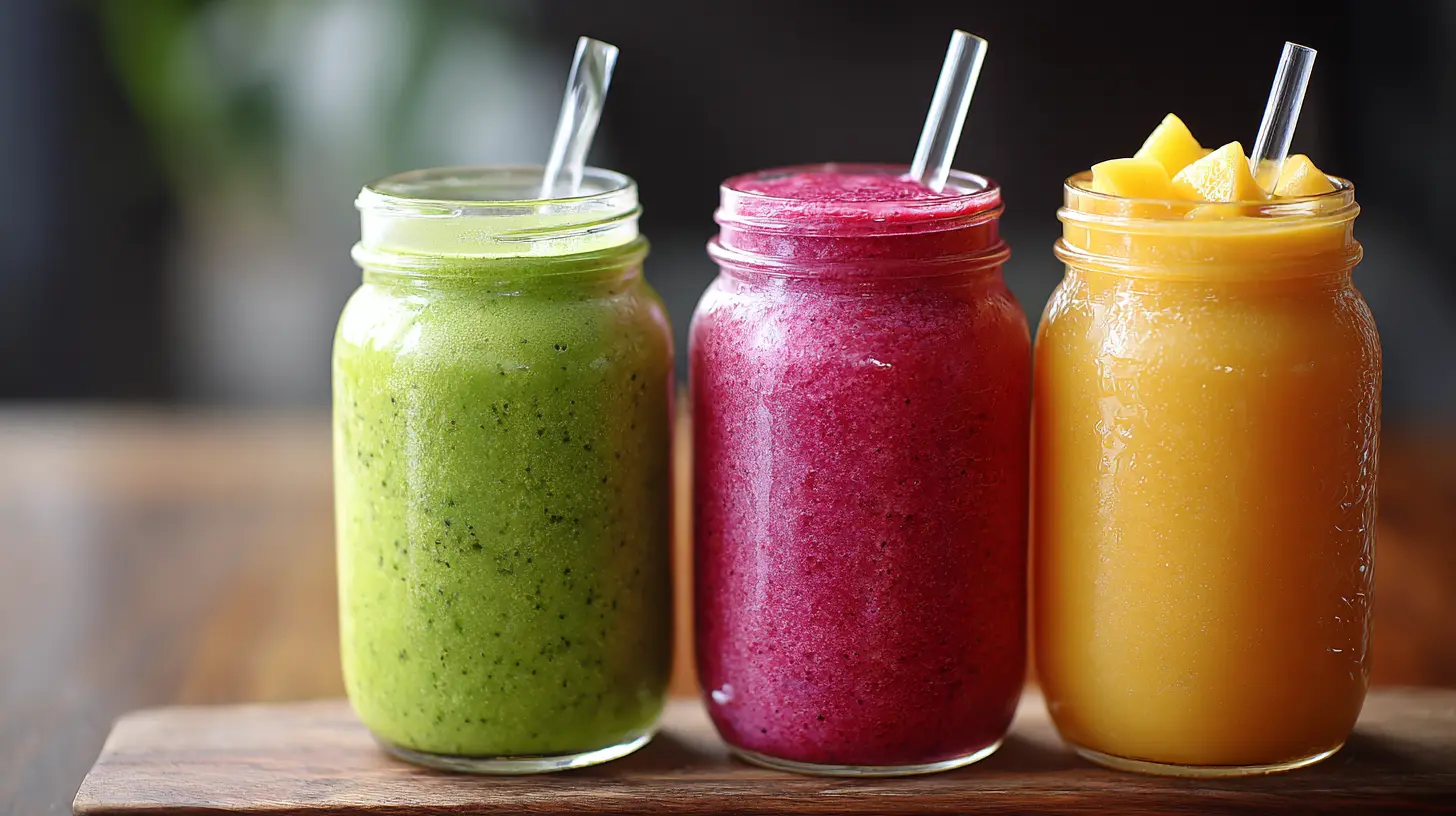
Smoothies occupy an odd space in nutrition. They are liquid, so they feel lighter than they often are. They are associated with health, so people assume they are automatically appropriate. And they are fast, which makes them convenient enough to become a daily habit before anyone stops to check whether that habit is helping.The core issue is calorie density. A smoothie made with a large banana, a cup of mango, two tablespoons of peanut butter, a scoop of protein powder, and a cup of whole milk can easily exceed 700 calories. Drink that after a moderate workout and you may have consumed more than you burned. The same drink is a reasonable recovery option for a 200-pound athlete after a long training session, but a poor choice for someone trying to lose fat while doing 30-minute walks.
None of the individual ingredients are bad. The problem is context. A smoothie is a delivery system, and what it delivers depends entirely on what you put in it and when you drink it.
Start With Your Goal, Not the Recipe
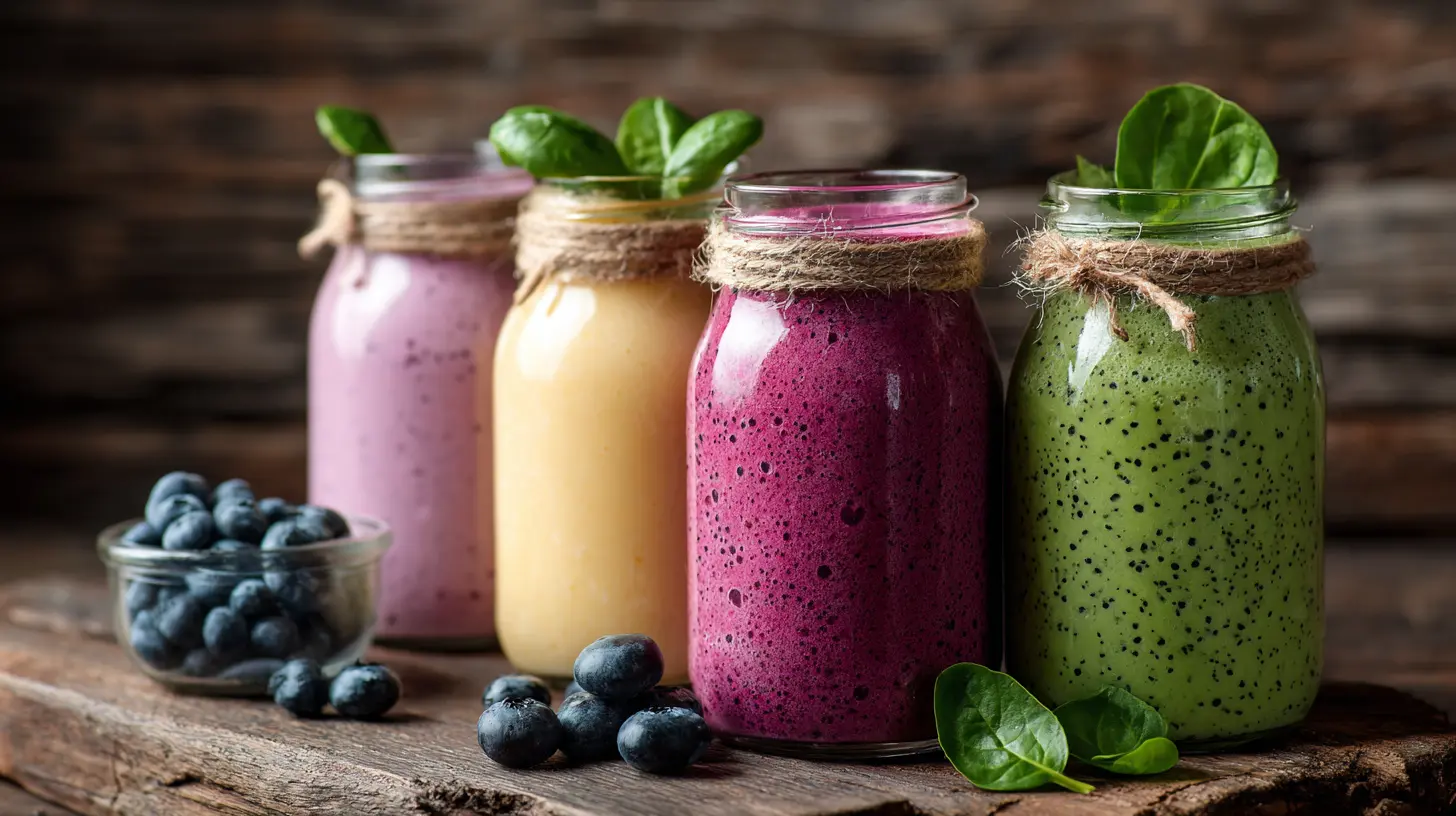
Most people search for smoothie recipes first and try to fit them into their life afterward. That is backward. The goal should determine the composition, and the composition should determine the recipe.Ask yourself a few direct questions before you blend anything:
- What am I trying to accomplish in the next 8 to 12 weeks?
- When will I drink this smoothie relative to training?
- Is this replacing a meal, supplementing one, or serving as a snack?
- How many total calories do I need in a day to support my goal?
- Do I have any digestive issues, allergies, or food sensitivities?
The answers will narrow your options dramatically. A person training for a marathon has very different needs from someone doing three strength sessions a week while trying to lose 15 pounds. Both can use smoothies effectively, but not the same ones.
The Four Building Blocks of Any Smoothie
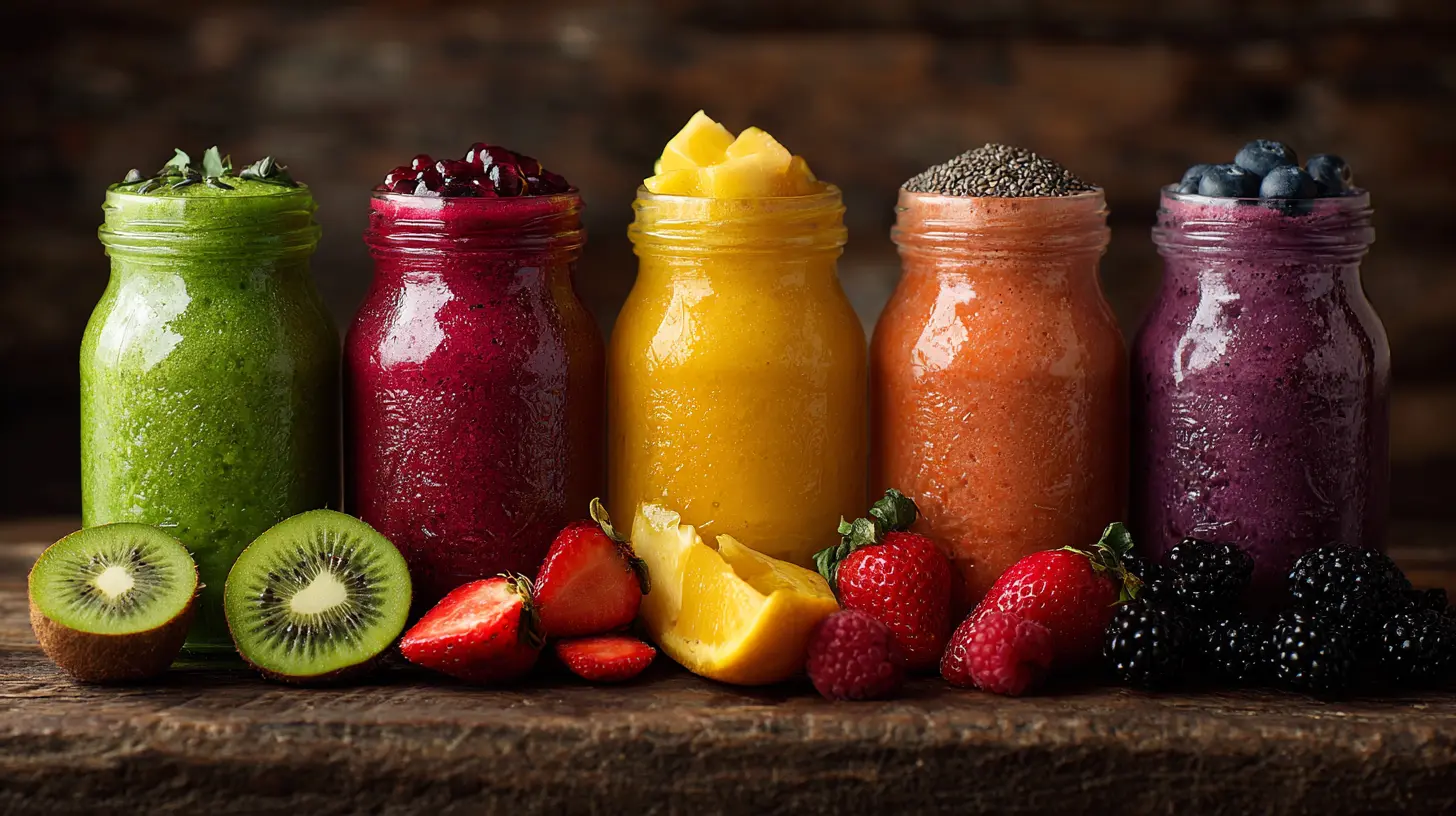
Every smoothie is a combination of four categories. Understanding them gives you control over the final product.1. Liquid Base
The base determines texture, flavor, and a significant portion of the calorie and nutrient content.- Water: neutral, zero calories, thin texture. Best for calorie control.
- Unsweetened almond, soy, or oat milk: low to moderate calories, adds some protein if soy, adds creaminess.
- Cow's milk: roughly 120 calories per cup for 2 percent, with about 8 grams of protein and natural sugars.
- Coconut water: higher in potassium, useful for hydration after sweating, but also contains sugar.
- Fruit juice: high in sugar, low in fiber, and easy to overconsume. Generally the weakest choice unless you need fast carbs.
For fat loss, water or unsweetened plant milk is usually the smartest base. For muscle gain or post-training recovery, dairy or soy milk adds protein and calories efficiently.
2. Protein Source
Protein is what separates a smoothie that supports fitness from a fruit drink. Without it, you are mostly consuming carbohydrates and sugar.Options include:
- Whey protein powder: fast digesting, high in leucine, well studied for muscle protein synthesis. Not ideal for people with dairy sensitivities.
- Casein protein: slower digesting, better for meal replacement or before bed.
- Plant protein blends (pea, rice, soy): suitable for vegans, though some blends have a grittier texture and lower leucine content unless formulated carefully.
- Greek yogurt: adds protein plus probiotics, but also adds volume and some sugar from lactose.
- Cottage cheese: high in casein, blends surprisingly well, and provides a thick texture.
- Silken tofu: a plant-based option that blends smooth and adds protein without much flavor.
A general target for a fitness-focused smoothie is 20 to 40 grams of protein. Below 20 grams, the drink does little for muscle repair or satiety. Above 40 grams, you may struggle to blend it palatably and absorb it comfortably in one sitting.
3. Carbohydrate Source
Carbs fuel training and replenish glycogen. The type and amount should match your activity level and goal.- Bananas: easy to digest, high in potassium, moderate sugar.
- Berries: lower in sugar, high in fiber and antioxidants, good for fat loss phases.
- Mango, pineapple, peach: sweeter, higher in sugar, useful post-workout.
- Oats: slow-digesting carbs, adds fiber and thickness, good for meal replacement.
- Dates: concentrated sugar, useful for endurance athletes but easy to overdo.
If you are training hard, carbs are your friend. If you are sedentary and trying to lose fat, they are the first thing to reduce.
4. Fat Source
Fat adds creaminess, flavor, and calories. It also slows digestion, which can be helpful or unhelpful depending on timing.- Nut butters: calorie dense, easy to overpour.
- Avocado: creamy, high in monounsaturated fat, mild flavor.
- Chia and flax seeds: provide omega-3 fats and fiber.
- Coconut oil or MCT oil: fast-digesting fat, sometimes used for keto-style smoothies.
Fat is the most common reason a "healthy" smoothie becomes a 700-calorie drink. A single tablespoon of peanut butter is roughly 90 to 100 calories. Two heaping tablespoons can add 200 calories without changing the flavor much.
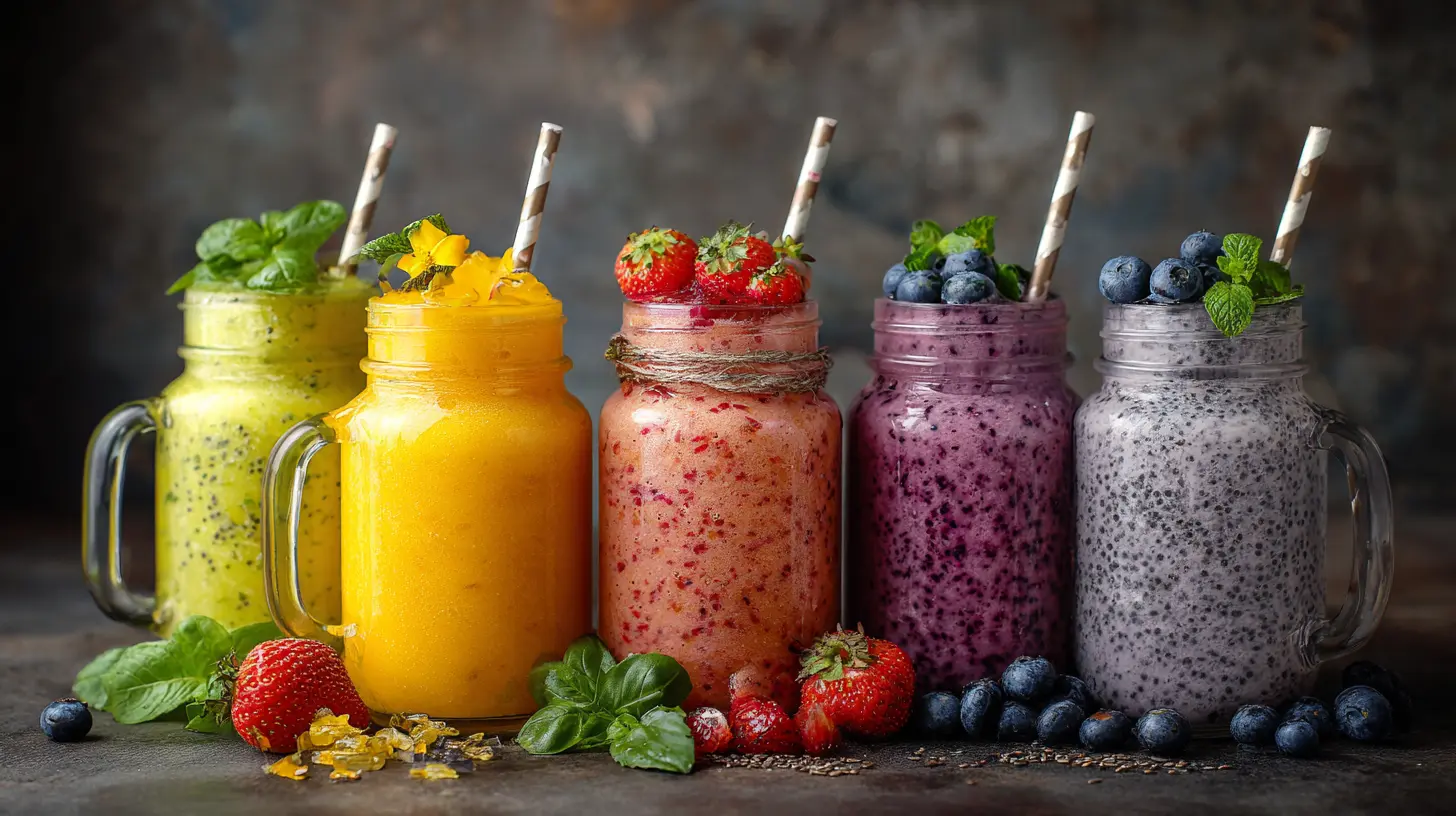
Matching the Smoothie to Your Goal
With the building blocks in place, you can now design a smoothie for a specific purpose.Fat Loss
The priority is high protein, high fiber, moderate volume, and controlled calories. Aim for 250 to 400 calories total, with 25 to 35 grams of protein.A workable template:
- Base: unsweetened almond milk or water
- Protein: whey, plant protein, or nonfat Greek yogurt
- Carbs: 1 cup of berries or half a banana
- Fat: 1 teaspoon of chia seeds or half a tablespoon of nut butter
- Optional: spinach or kale for micronutrients without many calories
Why it works: protein and fiber drive satiety, the volume from leafy greens and berries fills the stomach, and the fat is kept low to preserve a calorie deficit. This kind of smoothie can replace breakfast or a snack without leaving you hungry an hour later.
Common mistake: treating a smoothie as a "free" addition to your normal meals. If you are not replacing something, you are adding calories. That is fine if you are bulking, but it works against fat loss.
Muscle Gain
The priority shifts to total calories, protein quality, and enough carbs to support training. Aim for 500 to 800 calories, with 30 to 50 grams of protein.A workable template:
- Base: whole milk or soy milk
- Protein: whey or a plant blend
- Carbs: 1 large banana, half a cup of oats, and a handful of frozen mango
- Fat: 1 to 2 tablespoons of peanut butter or half an avocado
Why it works: the combination of fast protein and carbohydrates after resistance training supports muscle protein synthesis and glycogen replenishment. The calorie surplus is intentional, since building muscle requires more energy than maintenance.
Trade-off: this type of smoothie is filling. If you struggle to eat enough solid food, drinking calories is a practical solution. If you have a sensitive stomach, the combination of dairy, fiber, and fat may cause bloating during training, so timing matters.
Endurance Performance
Runners, cyclists, and swimmers often need fast carbohydrates before or during long sessions and a mix of carbs and protein after.Pre-training smoothie (60 to 90 minutes before):
- Base: water or coconut water
- Carbs: banana, dates, or mango
- Protein: small amount, 10 to 15 grams, to avoid stomach discomfort
- Fat: minimal, since fat slows gastric emptying
Post-training smoothie:
- Base: milk or soy milk
- Protein: 20 to 30 grams
- Carbs: 60 to 90 grams, often from fruit and oats
- Electrolytes: a pinch of salt or a banana for potassium
Why it works: endurance athletes deplete glycogen, and the fastest way to restore it is with carbohydrate plus protein in roughly a 3-to-1 or 4-to-1 ratio. Liquid calories also tend to be tolerated better than solid food immediately after hard efforts.
General Health and Busy Mornings
Not every smoothie needs to be optimized for performance. For many people, the goal is simply to eat something nutritious when time is short.A balanced everyday smoothie:
- Base: unsweetened plant milk or water
- Protein: Greek yogurt or a modest scoop of protein powder
- Carbs: mixed berries and half a banana
- Fat: 1 tablespoon of ground flaxseed
- Extras: spinach, a small piece of beet, or a spoonful of cocoa powder
This lands around 350 to 450 calories and covers protein, fiber, healthy fats, and a range of micronutrients. It is a reasonable breakfast replacement and far better than skipping the meal entirely.
Timing: When the Smoothie Matters as Much as the Ingredients
The same smoothie can serve different purposes depending on when you drink it.- Pre-workout (60 to 90 minutes out): keep fat and fiber low, emphasize easy-to-digest carbs, and use a moderate amount of protein.
- Post-workout (within 1 to 2 hours): prioritize protein and carbs. Fat is fine but not necessary.
- Meal replacement: include protein, fiber, fat, and enough calories to hold you for 3 to 4 hours.
- Before bed: casein-rich options like Greek yogurt or cottage cheese can support overnight recovery.
Drinking a high-fat, high-fiber smoothie 20 minutes before a run is a recipe for cramps. The same drink three hours before is usually fine. Timing is not a minor detail; it changes how the body handles the meal.
Common Mistakes That Undermine Results
Treating All Smoothies as Healthy
A smoothie from a chain restaurant can contain 500 to 900 calories and 80 or more grams of sugar. The word "smoothie" describes a texture, not a nutritional profile. Read the ingredients and estimate the portions.Skipping Protein
Fruit-only smoothies are essentially blended juice with fiber. They spike blood sugar, do little for muscle repair, and leave you hungry quickly. Protein is the anchor.Overloading on Nut Butter and Seeds
These are nutritious but calorie dense. A "spoonful" that becomes three tablespoons can add 300 calories. Measure for the first few weeks until you can eyeball portions accurately.Using Juice as a Base
Juice adds sugar and calories without the fiber that whole fruit provides. It also makes the smoothie less filling, which means you are more likely to eat again soon after.Ignoring Total Daily Intake
A single smoothie does not determine your results. Your total calories, protein, and training load across the day and week do. A great smoothie inside a poorly planned diet will not fix the diet.Blending Until It Is Basically Syrup
Over-blending and adding too much liquid can turn a filling drink into something you consume in 30 seconds. Slower consumption and a thicker texture tend to improve satiety.Misconceptions Worth Correcting
"Smoothies detoxify the body." The liver and kidneys handle detoxification. No combination of fruit and vegetables accelerates that process in a meaningful way."You should avoid fruit sugar." Whole fruit blended into a smoothie still contains fiber, water, and micronutrients. The sugar in fruit is not the same as added sugar in a soda, though portion size still matters.
"Protein powder is unnatural or harmful." Whey and plant proteins are food-derived concentrates. For most healthy people, they are a convenient protein source, not a drug. People with kidney disease should consult a doctor before increasing protein intake.
"Smoothies are always better than solid food." Chewing contributes to satiety and slows eating. Liquid calories are easier to overconsume. Solid meals are often the better default, with smoothies used strategically.
"You need a specific superfood blend." Exotic powders rarely outperform basic ingredients. Consistency with simple components matters far more than chasing trendy additives.
Practical Tips for Building Better Smoothies
- Measure your ingredients for the first two weeks. Most people underestimate calorie-dense additions.- Freeze fruit in advance. Frozen bananas and berries create a thick texture without ice, which dilutes flavor.
- Add vegetables that do not dominate flavor. Spinach, zucchini, and cauliflower blend well and add volume.
- Use a scale for protein powder. A "scoop" varies by brand and can range from 20 to 40 grams.
- Adjust sweetness with cinnamon, vanilla extract, or a small amount of dates rather than added sugar.
- Rotate ingredients to avoid boredom and to broaden your micronutrient intake.
- Prepare freezer bags with pre-portioned ingredients so mornings do not require decisions.
- Drink water alongside your smoothie, especially if it is high in fiber.
- Track how you feel 1 to 3 hours after drinking it. Satiety, energy, and digestion are useful feedback.
Special Considerations
Digestive sensitivity. High-fiber smoothies can cause bloating in people with irritable bowel syndrome. Lower-FODMAP options like strawberries, kiwi, and unripe bananas may be better tolerated.Lactose intolerance. Whey isolate is low in lactose, but whey concentrate and milk are not. Plant milks and plant proteins are safer alternatives.
Diabetes and blood sugar control. Blending fruit breaks down cell walls and can raise blood sugar faster than eating whole fruit. Pairing carbs with protein and fat slows the response. Monitor your levels and consult your healthcare provider.
Older adults. Protein needs increase with age to preserve muscle. A smoothie with 30 grams of high-quality protein is a practical way to meet that target when appetite is low.
Athletes in weight-class sports. Every calorie counts, so precision matters. Weigh ingredients and adjust based on weekly weigh-ins and performance.
A Simple Decision Framework
When you are unsure what to make, run through these questions in order:1. What is my goal right now, fat loss, muscle gain, performance, or general health?
2. When will I drink this relative to training?
3. How many calories can I afford in this meal or snack?
4. Have I hit my protein target for the day?
5. Do I need carbs for fuel or recovery?
6. Do I need fat for satiety, or should I keep it low for digestion?
Your answers will point to a specific combination. If you are in a calorie deficit and training later, keep fat low and protein moderate. If you just finished a long ride, load carbs and protein. If you are simply replacing breakfast, balance all four building blocks.
Final Thoughts
The right smoothie is not the one with the longest ingredient list or the trendiest powder. It is the one that fits your goal, your training schedule, and your daily calorie budget. A smoothie is a tool, and like any tool, its value depends on how and when you use it.Start with your goal. Choose a base, a protein, a carb, and a fat that support that goal. Measure for a couple of weeks until your portions are dialed in. Pay attention to how you feel afterward. Adjust based on results, not on what a recipe online claims.
Done well, a smoothie can make hitting your protein target easier, improve recovery, and solve the problem of eating well when you have no time. Done carelessly, it can quietly add hundreds of calories you did not need. The difference is not talent or willpower. It is a small amount of planning and a clear understanding of what you are trying to accomplish.
all images in this post were generated using AI tools
Category:
Healthy SmoothiesAuthor:

Madeline Howard