How to Avoid Hidden Sugars in Everyday Grocery Items
10 November 2026
In today's health-conscious world, many people are becoming increasingly aware of the impact sugar has on their diets. Hidden sugars in everyday grocery items can significantly contribute to excessive sugar intake, leading to a range of health issues, including obesity, diabetes, and heart disease. Understanding how to identify and avoid these hidden sugars is crucial for maintaining a balanced diet and overall health. This article will guide you through the nuances of hidden sugars, practical strategies for avoiding them, and the importance of making informed decisions when grocery shopping.
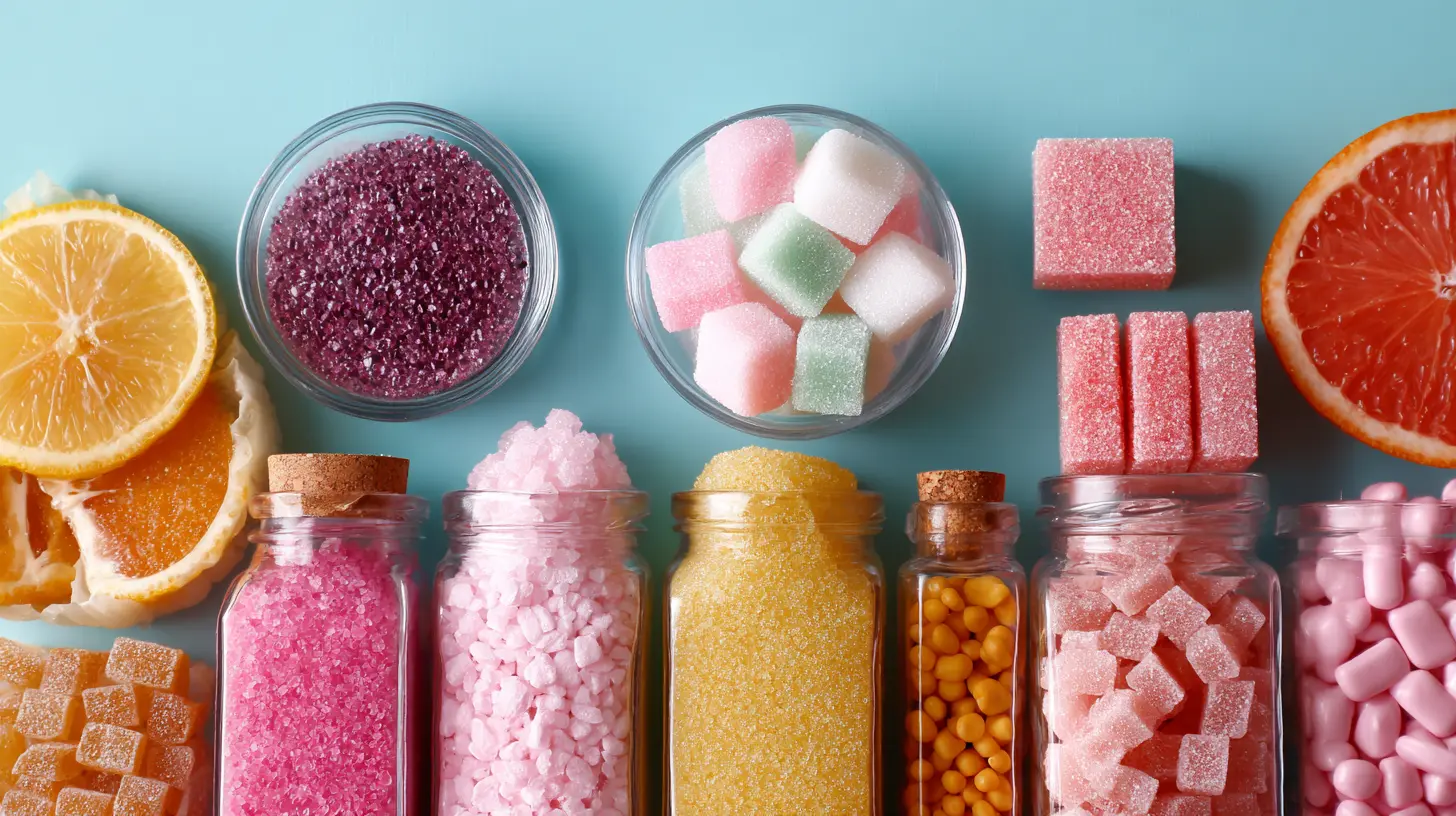
Understanding Hidden Sugars
What Are Hidden Sugars?
Hidden sugars are sugars added to foods during processing that may not be immediately obvious to consumers. Unlike the sugar you might add to your coffee or sprinkle on cereal, hidden sugars can be found in a wide variety of products, from sauces to snacks. They often masquerade under different names, making it challenging for consumers to identify them.Why Are Hidden Sugars a Concern?
The concern surrounding hidden sugars stems from their contribution to excessive calorie intake without providing any nutritional benefits. Foods high in added sugars can lead to weight gain and increase the risk of chronic diseases. high sugar consumption can lead to sugar cravings, creating a cycle of unhealthy eating patterns.Common Sources of Hidden Sugars
Hidden sugars can be found in many unexpected places. Here are some common grocery items that often contain added sugars:- Sauces and Condiments: Ketchup, barbecue sauce, and salad dressings often contain significant amounts of sugar.
- Bread and Bakery Products: Many breads, especially those labeled as "whole grain," can have added sugars for flavor.
- Cereals and Granola: Breakfast cereals and granolas can be surprisingly high in sugar, even those marketed as healthy.
- Dairy Products: Flavored yogurts and some milk alternatives can have added sugars.
- Snacks: Granola bars, trail mixes, and even some nut butters often contain hidden sugars.
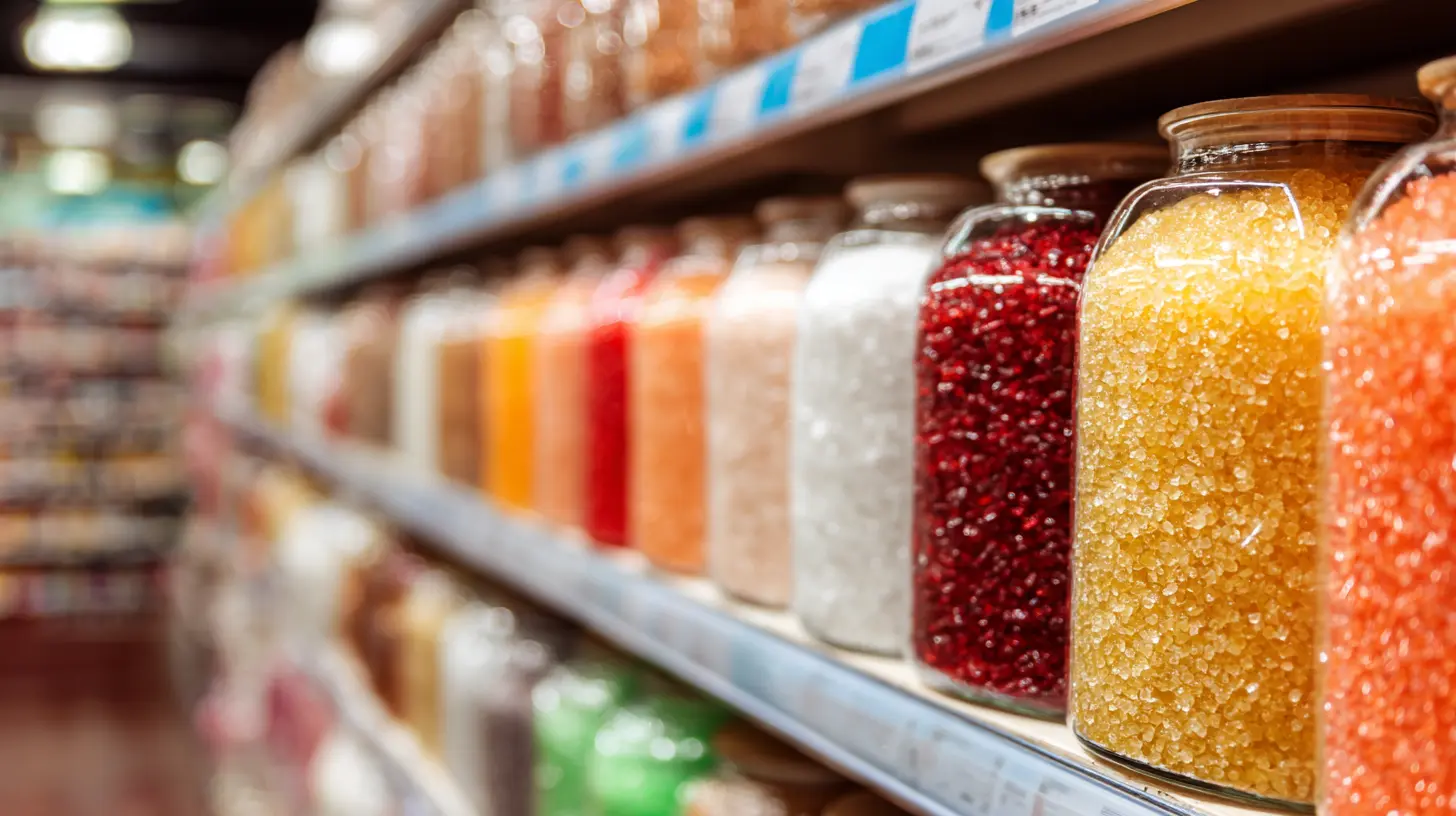
Decoding Food Labels
Understanding Ingredient Lists
One of the most effective tools for avoiding hidden sugars is reading food labels. Ingredients are listed in order of quantity, so if sugar or any of its aliases appear near the top, it's a sign that the product contains a significant amount.Identifying Sugar Variants
Sugar can appear under many names in ingredient lists. Here are some common aliases you might encounter:- High fructose corn syrup
- Sucrose
- Glucose
- Fructose
- Agave nectar
- Honey
- Molasses
- Maple syrup
Being aware of these names can help you make more informed choices.
Nutrition Facts Panel
In addition to ingredient lists, the Nutrition Facts panel provides valuable information. Pay attention to the "Total Sugars" and "Added Sugars" sections. Products with high added sugars should be approached with caution, especially if they contribute significantly to your daily intake.
Practical Strategies for Avoiding Hidden Sugars
Choose Whole Foods
One of the best ways to avoid hidden sugars is to focus on whole, unprocessed foods. Fresh fruits, vegetables, whole grains, lean meats, and nuts are naturally low in added sugars. When these foods make up the majority of your diet, you're less likely to consume hidden sugars.Cook at Home
Cooking at home allows you to control the ingredients in your meals. By preparing sauces, dressings, and snacks from scratch, you can avoid added sugars and tailor flavors to your preference. For example, instead of buying a pre-made salad dressing, try mixing olive oil, vinegar, herbs, and spices for a healthier alternative.Opt for Unsweetened Products
When shopping for dairy, nut milks, or yogurt, look for unsweetened varieties. This simple switch can significantly reduce your sugar intake without sacrificing flavor or nutrition.Be Mindful of Portion Sizes
Even products with lower sugar content can contribute to your overall intake if consumed in large quantities. Be mindful of portion sizes, especially with snacks and desserts, to help manage your sugar consumption.Educate Yourself on Brands
Different brands can have vastly different formulations for similar products. Take time to compare labels and choose brands that prioritize lower sugar content. This may require some trial and error, but it can lead to healthier choices.
Real-World Examples
Breakfast Choices
Consider your breakfast options. A popular granola may advertise itself as healthy but can contain 15 grams of sugar per serving. In contrast, a bowl of plain oats topped with fresh fruit can offer natural sweetness with far less sugar. By making this simple switch, you can significantly reduce your sugar intake while still enjoying a satisfying breakfast.Sauces and Dressings
Many people enjoy marinades and sauces to enhance the flavor of their meals. However, a store-bought teriyaki sauce can contain up to 10 grams of sugar per tablespoon. Instead, you might try making your own with soy sauce, garlic, and ginger. This not only cuts down on sugar but also allows for customization according to your taste.Snack Alternatives
When reaching for a snack, a granola bar may seem like a healthy choice, but it can contain as much sugar as a candy bar. Instead, consider raw nuts, seeds, or sliced vegetables with hummus. These options provide essential nutrients without the hidden sugars.Common Mistakes and Misconceptions
Misleading Labels
Many products are marketed as "sugar-free" or "no added sugars," which can be misleading. It's essential to check the ingredient list, as these products may still contain natural sugars or sugar alcohols that can affect blood sugar levels.Underestimating Sugar Intake
People often underestimate how much sugar they consume through beverages. A can of soda can contain around 40 grams of sugar, which can exceed the daily recommended limit in just one drink. Opting for water, herbal teas, or sparkling water can be a healthier choice.Ignoring Serving Sizes
It is easy to consume more than one serving of a product, especially snacks. Always check the serving size on the label and be aware that it may not reflect how much you typically eat.
Balancing Sugar in Your Diet
The Role of Natural Sugars
While avoiding hidden sugars is important, it is also crucial to understand that not all sugars are bad. Natural sugars found in fruits and vegetables come with fiber, vitamins, and minerals, making them a healthier choice. Incorporating whole fruits into your diet can satisfy sweet cravings while providing essential nutrients.Moderation is Key
Instead of completely eliminating sugar, focus on moderation. Allow yourself occasional treats while being mindful of your overall intake. This approach can help prevent feelings of deprivation, making it easier to maintain a balanced diet in the long run.Conclusion
Avoiding hidden sugars in everyday grocery items requires vigilance and a proactive approach. By understanding how to read labels, recognizing common sources of added sugars, and making informed choices, you can significantly reduce your sugar intake. Emphasizing whole foods, cooking at home, and being mindful of portion sizes will empower you to take control of your health. Remember, a balanced approach that includes moderation and awareness is key to fostering a healthy relationship with food.
all images in this post were generated using AI tools
Category:
Healthy ShoppingAuthor:

Madeline Howard

