Mindful Eating Starts with Mindful Cooking
27 July 2026
In today’s fast-paced world, eating has become just another task we check off our to-do lists. We grab a bite on the go, scroll through our phones while munching, and barely notice the flavors and textures. But what if eating was more than just filling our stomachs? What if it became a deeply satisfying and nourishing experience?
That’s where mindful eating comes in—but here’s the catch: it starts in the kitchen. Yes, mindful eating begins with mindful cooking. The way we prepare our food influences how we consume it. When we cook with intention, we automatically shift our relationship with food, making each meal a moment of appreciation rather than mindless consumption.
Let’s dive into why mindful cooking matters, how it transforms your relationship with food, and how you can incorporate it into your daily life. 
Why Mindful Cooking Matters
Cooking isn’t just about throwing ingredients together to create a meal. It’s an opportunity to slow down, engage your senses, and connect with your food. When you cook mindfully, you bring awareness, presence, and appreciation to the entire process.Think about it—when was the last time you noticed the smell of fresh herbs as you chopped them or truly appreciated the vibrant colors of your ingredients? These little moments can elevate cooking from a chore to a form of self-care.
It Deepens Your Connection with Your Food
Most of us don’t think twice about where our food comes from. We grab pre-packaged items from the store, heat them up, and eat without much thought. But mindful cooking helps us connect with our ingredients—where they came from, how they were grown, and how they nourish our bodies.It Reduces Stress and Anxiety
Cooking with intention can be surprisingly therapeutic. The rhythmic chopping of vegetables, the sizzling sounds in the pan, the aroma of spices filling the kitchen—all these sensory experiences can be incredibly calming. It’s like a meditation in motion.It Encourages Healthier Eating Habits
When you’re fully present while cooking, you’re more likely to make healthier choices. You’ll opt for more whole, fresh ingredients and avoid processed foods that lack nutrients. Plus, when you’ve put effort into preparing a meal, you naturally want to savor it, leading to fewer impulsive or emotional eating habits.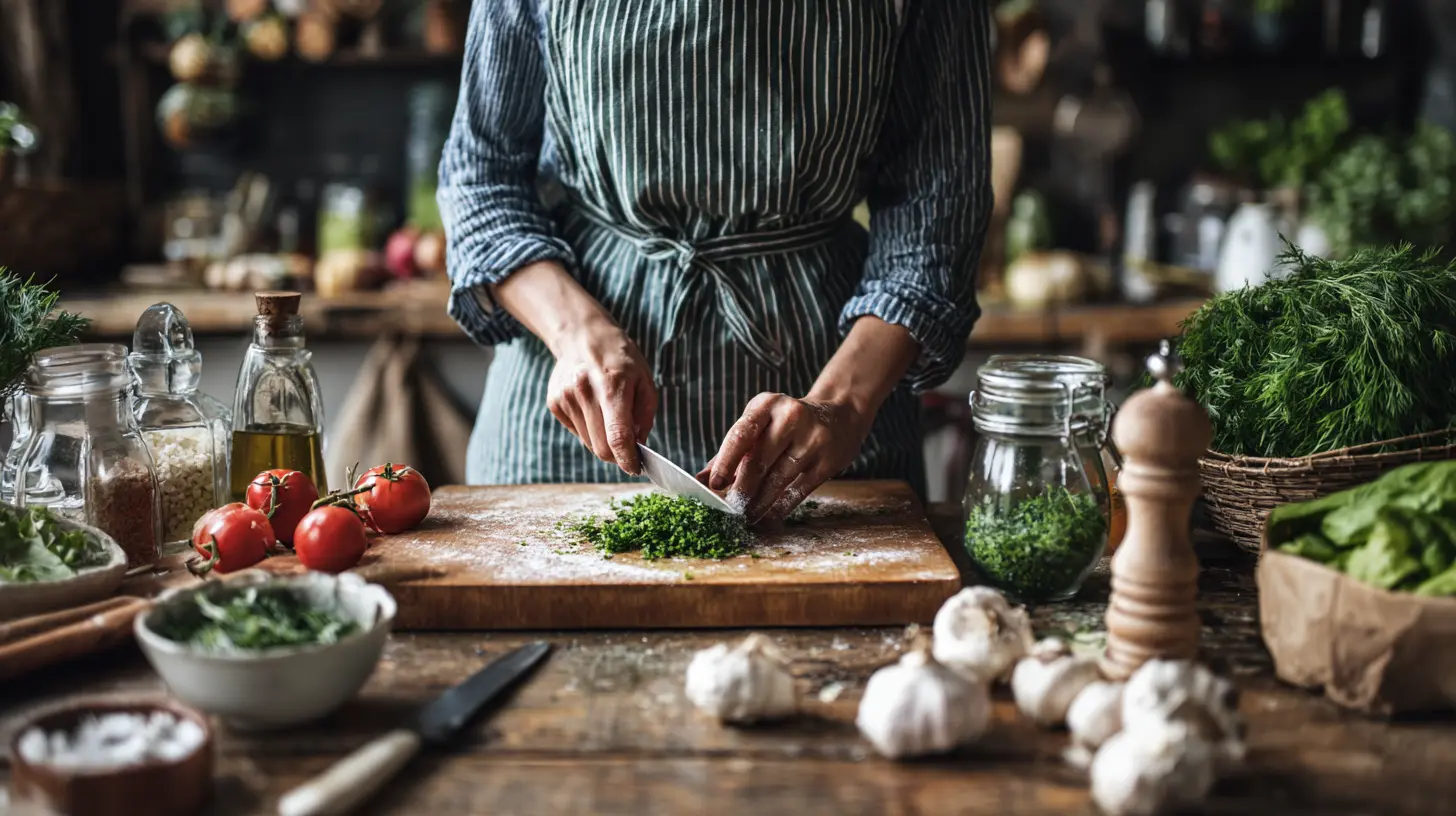
How to Cook Mindfully
Now that we’ve covered why mindful cooking matters, let’s get practical. How can you actually start cooking more mindfully?1. Start with Quality Ingredients
Mindful cooking begins at the grocery store or farmer’s market. Choose fresh, seasonal, and unprocessed ingredients whenever possible. Think about how they were grown, where they come from, and how they’ll nourish your body.A great habit is to shop locally—not only does it support farmers, but you also get foods at their peak freshness, making them more flavorful and nutrient-dense.
2. Slow Down and Be Present
Cooking is not a race. Instead of rushing through it, take a deep breath and enjoy the process. Notice the textures, colors, and aromas. Listen to the sounds of chopping, sizzling, and bubbling. Every step offers a chance to engage your senses.Consider turning off distractions—no TV, no scrolling through social media. Let yourself be fully in the moment.
3. Cook with Gratitude and Intention
Before you even start chopping or stirring, take a moment to appreciate the ingredients in front of you. Think about all the hands that played a part in bringing this food to your kitchen—from farmers to transporters to store workers.Try setting an intention for your meal. Is it to nourish your body? To share a comforting dish with family? Cooking with purpose makes it a much more meaningful experience.
4. Use All Your Senses
Engage your sight, smell, touch, sound, and taste while cooking. Notice how the garlic’s fragrance blossoms when it hits the hot pan. Feel the texture of different vegetables. Listen to the gentle simmer of a sauce. Tasting your food as you go helps you fine-tune flavors and truly appreciate each step of the process.5. Cook from Scratch as Much as Possible
Pre-packaged meals might be convenient, but they lack the personal touch and mindfulness that home-cooked meals bring. Cooking from scratch allows you to be fully involved in the process, giving you control over flavors, ingredients, and nutrition.This doesn’t mean you need to prepare elaborate meals! Even simple dishes—like a homemade salad dressing, a pot of soup, or a stir-fry—can be deeply fulfilling when made with intention.
6. Make Cooking a Ritual, Not a Chore
When you shift your perspective from “I have to cook” to “I get to cook,” everything changes. Turn your cooking time into a sacred ritual—light a candle, play some soft music, or brew a cup of tea while you prepare your meal.Rituals give structure to our daily lives, transforming mundane tasks into meaningful moments of joy. 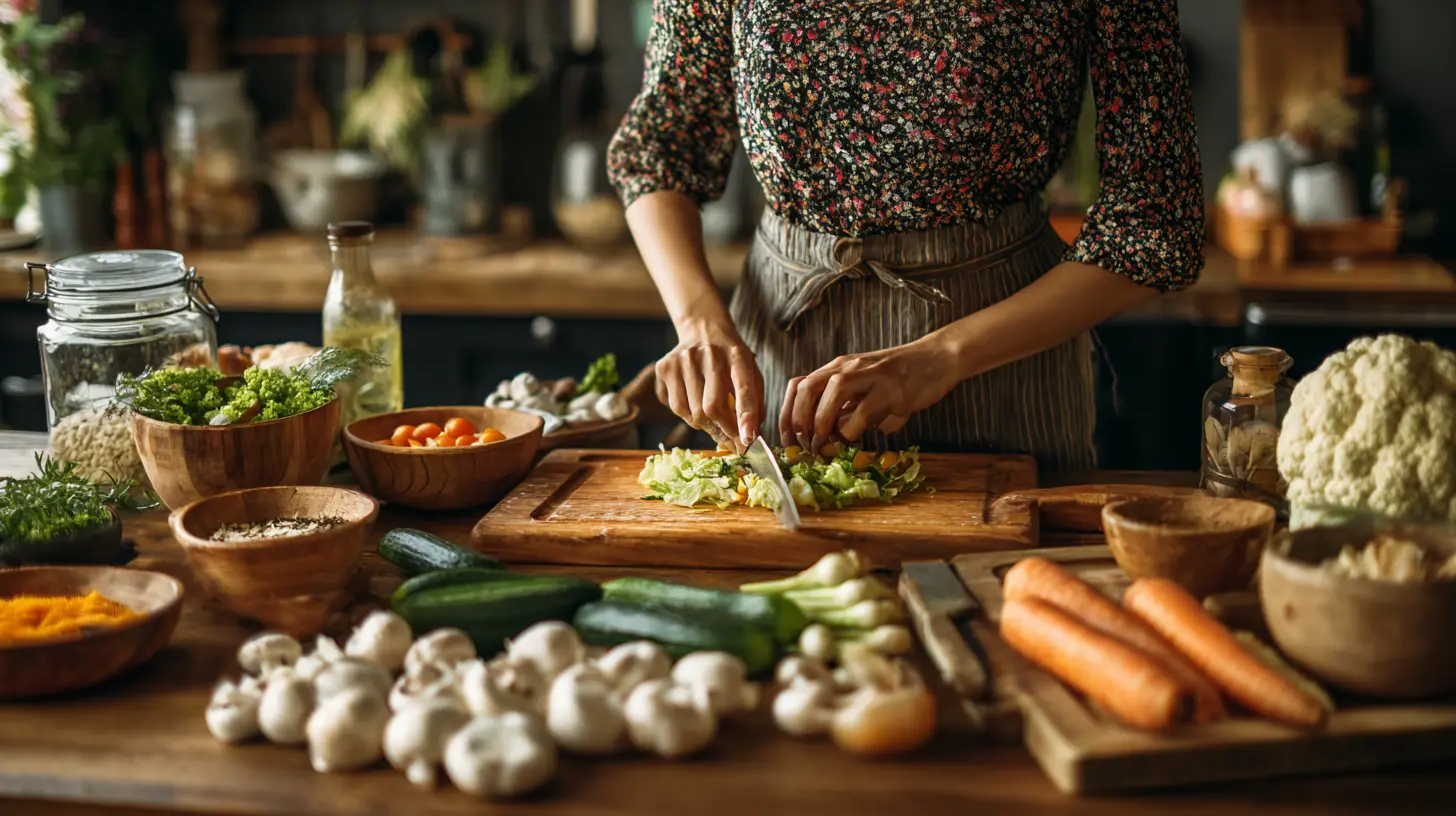
Bringing Mindfulness to Eating
Once you've cultivated mindfulness in your cooking, it naturally carries over to how you eat. When you prepare food with love and awareness, you’ll want to savor every bite.1. Eat Without Distractions
No TV, no phone, no multitasking. Just you and your plate. Focus on the flavors, textures, and aromas of your meal.2. Chew Slowly and Savor Each Bite
Ever eaten an entire meal without even realizing it? Slowing down allows you to truly taste and enjoy your food. Plus, chewing properly helps with digestion and nutrient absorption.3. Listen to Your Body
Mindful eating is about tuning into your hunger and fullness cues. Eat when you’re hungry, stop when you’re satisfied (not stuffed), and appreciate how different foods make you feel.4. Express Gratitude for Your Meal
Before diving in, take a second to appreciate the meal in front of you. A simple “thank you” to yourself for cooking, to nature for providing, and to those who contributed to your meal can create a deeper sense of connection.
Final Thoughts
Mindful eating isn’t about following a strict diet or obsessing over every bite. It’s about bringing awareness, presence, and appreciation to the food you consume. And it all starts in the kitchen.Cooking mindfully allows us to build a healthier, more nourishing relationship with food. It transforms eating from a mindless habit into a meaningful experience. So, the next time you step into your kitchen, remind yourself—this isn’t just about making a meal. It’s about nourishing your body, mind, and soul.
Happy cooking and even happier eating!
all images in this post were generated using AI tools
Category:
Healthy CookingAuthor:

Madeline Howard
Discussion
rate this article
1 comments
Jackson Rios
Mindful cooking is the first step to mindful eating. It enhances flavors and connects us to our food.
July 27, 2026 at 3:47 PM
Madeline Howard
Absolutely! When we cook mindfully, we truly engage with our ingredients and nourish both body and spirit.