How Office Workers Can Shop for Energy-Boosting Foods
5 November 2026
In today's fast-paced work environment, office workers often find themselves battling fatigue and low energy levels. Shopping for the right foods can make a significant difference in maintaining vitality throughout the day. This guide will provide practical advice on how to effectively shop for energy-boosting foods tailored for those working in an office setting.

Understanding Energy Needs
Before diving into specific foods, it's crucial to understand what boosts energy and why certain foods have that effect. Energy is derived from the calories we consume. However, not all calories are created equal. Foods rich in nutrients, particularly complex carbohydrates, healthy fats, and proteins, can provide sustained energy without the crashes associated with sugary snacks.The Role of Macronutrients
1. Carbohydrates: These are your body's primary energy source. However, not all carbs are beneficial. Focus on complex carbohydrates found in whole grains, fruits, and vegetables. These digest slowly, providing a steady release of energy.2. Proteins: Essential for muscle repair and growth, proteins also help maintain energy levels by preventing blood sugar spikes. Including lean meats, legumes, and dairy in your diet can help.
3. Fats: Healthy fats from sources like nuts, avocados, and olive oil provide concentrated energy. They are also important for brain health, which is critical for productivity in an office setting.
Hydration: An Often Overlooked Factor
While food is vital, hydration is equally important. Dehydration can lead to fatigue and decreased concentration. Aim for at least eight glasses of water a day, adjusting for activity level and climate. Incorporating water-rich fruits and vegetables can also help.
Key Foods for Energy Boosting
When shopping for energy-boosting foods, consider incorporating the following items into your cart:Whole Grains
Whole grains like brown rice, quinoa, and oats are excellent energy sources. They contain fiber, which helps regulate blood sugar levels. For example, starting your day with oatmeal can provide lasting energy and stave off mid-morning cravings.Fresh Fruits and Vegetables
Fruits and vegetables are packed with vitamins and minerals essential for energy production. Bananas, for instance, are high in potassium and natural sugars, making them a perfect snack. Leafy greens, such as spinach and kale, are rich in iron, which helps prevent fatigue.Nuts and Seeds
These are powerhouses of energy. Almonds, walnuts, chia seeds, and flaxseeds provide healthy fats, protein, and fiber. A small handful can make a great snack or addition to salads and yogurts.Lean Proteins
Incorporate lean proteins like chicken, turkey, fish, beans, and lentils into your meals. These can prevent energy crashes and keep you feeling full longer.Dairy or Dairy Alternatives
Milk, yogurt, and cheese provide calcium and protein, both of which are essential for sustained energy. Greek yogurt is particularly beneficial due to its high protein content and probiotics.Dark Chocolate
If you're looking for a treat, dark chocolate in moderation can provide a quick energy boost. It contains caffeine and theobromine, which can enhance mood and alertness.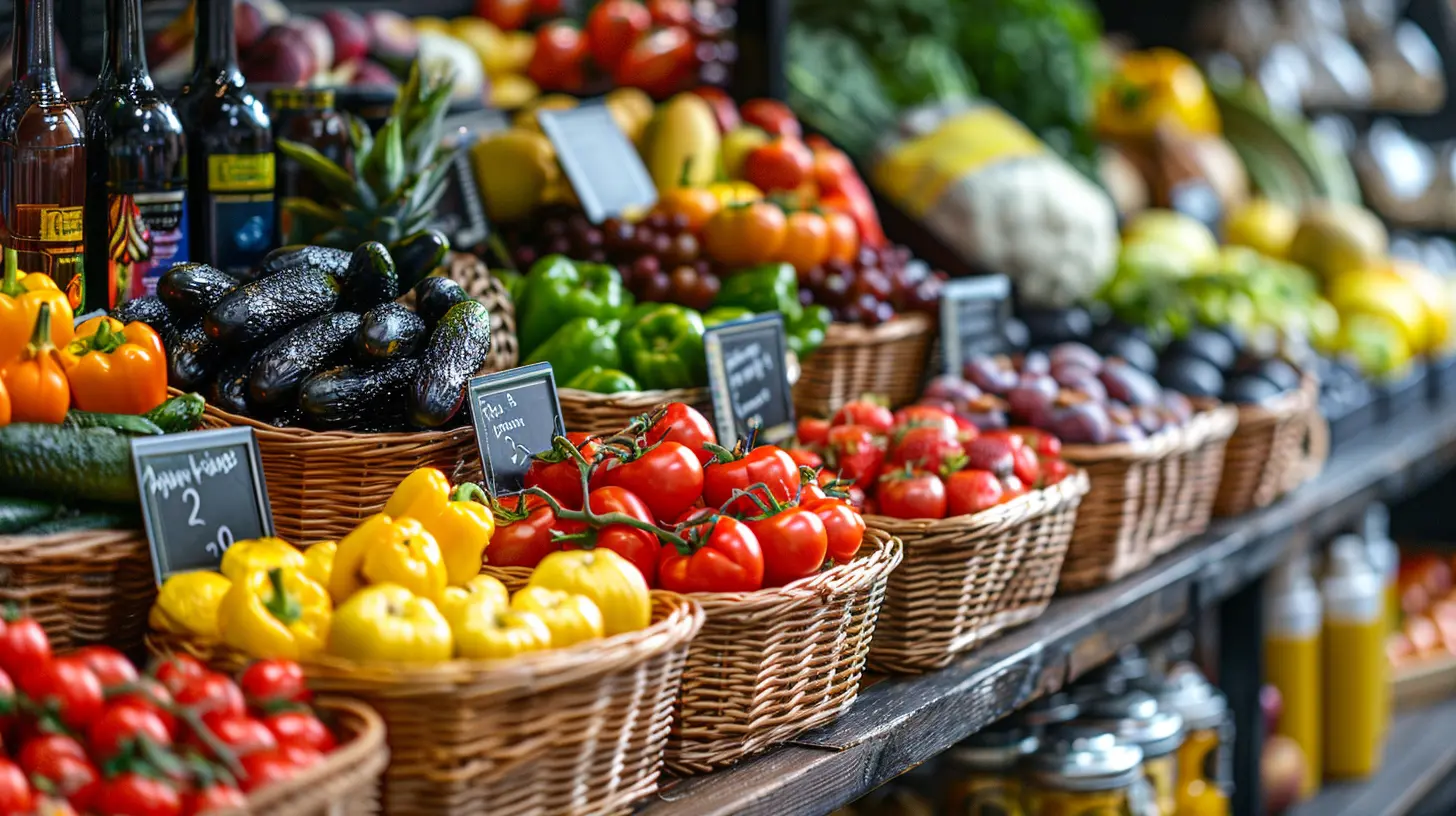
Shopping Tips
Make a Plan
Before heading to the grocery store, create a list based on your energy-boosting food needs. This not only saves time but also helps you avoid impulse buys of less healthy options.Read Labels
When choosing packaged foods, pay attention to nutrition labels. Look for options low in added sugars and unhealthy fats. A good rule of thumb is to avoid items with ingredients you cannot pronounce.Shop the Perimeter
Most grocery stores have fresh produce, dairy, and proteins around the perimeter. The center aisles often contain processed foods that can be high in sugars and unhealthy fats. Stick to the edges for healthier options.Buy in Bulk
Purchasing nuts, seeds, and whole grains in bulk can save money in the long run. Just ensure you store them properly to maintain freshness.Seasonal Produce
Buying seasonal fruits and vegetables can enhance the nutrient content and flavor. They are often fresher and more cost-effective.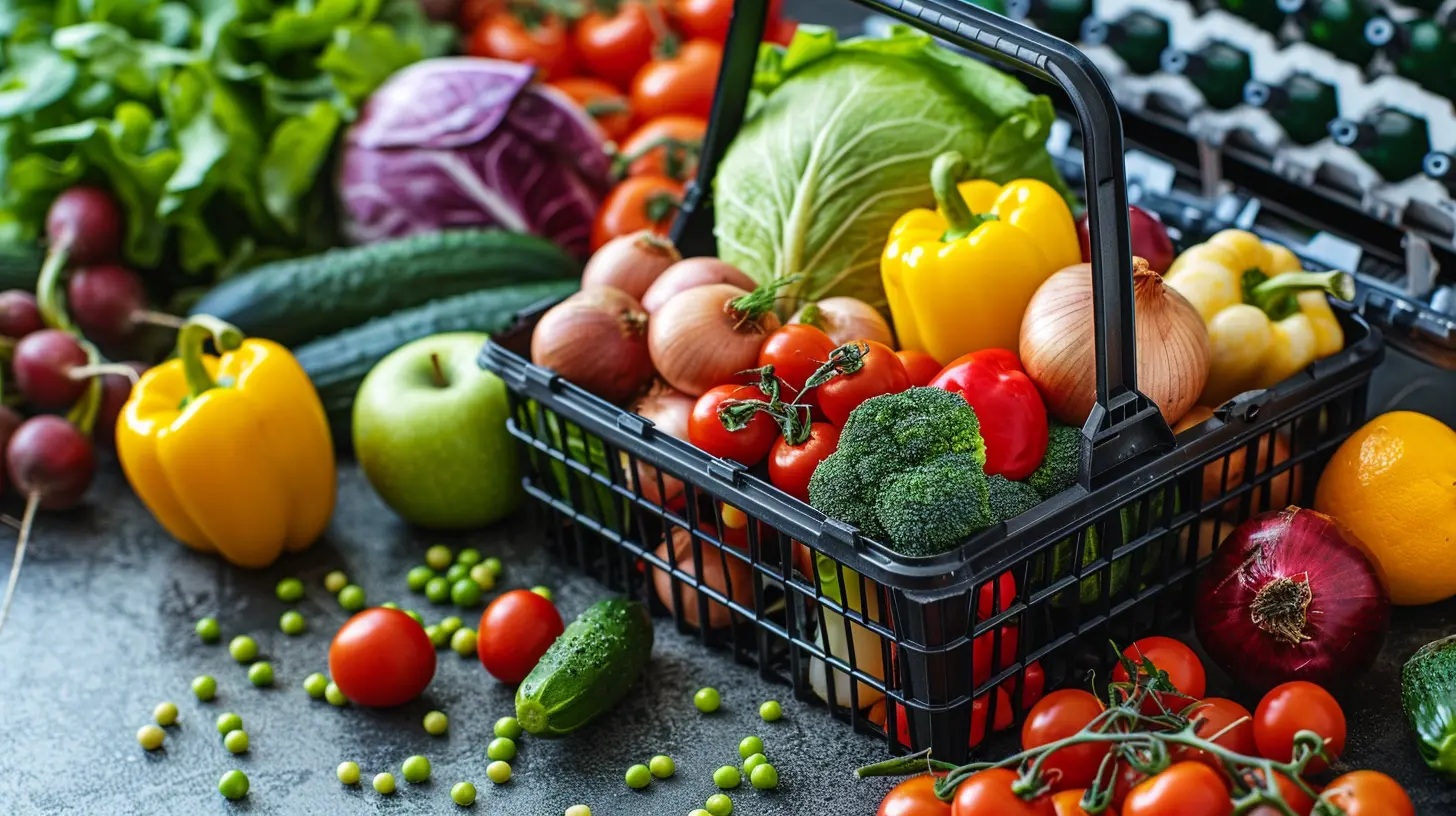
Common Mistakes to Avoid
1. Skipping Meals: Many office workers skip meals, believing it saves time or promotes productivity. However, this can lead to energy crashes and decreased focus. Aim for regular meals and snacks.2. Over-Reliance on Caffeine: While caffeine can provide a temporary boost, excessive consumption can lead to dependency and interrupted sleep. Balance caffeine intake with hydrating beverages.
3. Choosing Processed Snacks: It can be tempting to grab convenience snacks, but these often contain empty calories. Prepare healthy snacks in advance to avoid this pitfall.
Smart Snacking Strategies
In addition to meals, snacks play a critical role in maintaining energy levels throughout the day. Here are some strategies to keep in mind:Keep Healthy Snacks on Hand
Stock your desk with energy-boosting snacks like nuts, dried fruits, or whole-grain crackers. This makes it easier to resist unhealthy options when hunger strikes.Portion Control
While healthy snacks are beneficial, portion control is essential. Use small containers to measure out portions ahead of time.Pairing Foods
Combining different food types can enhance energy levels. For instance, pair an apple with almond butter for a satisfying snack that combines healthy fats and carbohydrates.Timing Matters
Be strategic about snack timing. Consuming snacks between meals can help maintain steady energy levels, especially during long work hours.
Meal Prep for Success
Investing time into meal prep can ensure you have energy-boosting foods available throughout the week. Here's how to approach it:Set Aside Time
Dedicate a few hours each week for meal prep. This can involve cooking grains, chopping vegetables, and portioning out snacks.Balanced Meals
Aim for balanced meals that include protein, healthy fats, and complex carbohydrates. For example, grilled chicken with quinoa and steamed broccoli makes for a nutritious meal.Versatile Ingredients
Choose ingredients that can be used in multiple meals. For instance, roasted vegetables can be added to salads, grain bowls, or eaten as snacks.The Importance of Mindful Eating
In a busy office environment, it's easy to eat mindlessly. However, practicing mindful eating can enhance your energy levels and overall health. Here are some tips:Slow Down
Take the time to enjoy your meals and snacks. Chewing slowly can lead to better digestion and satisfaction.Eliminate Distractions
Try to avoid eating at your desk while working. This helps you focus on the food and recognize when you're full.Listen to Your Body
Pay attention to hunger and fullness cues. Eating when you're genuinely hungry and stopping when satisfied can prevent overeating.
Conclusion
Shopping for energy-boosting foods involves understanding your nutritional needs and making informed choices. By prioritizing whole foods, planning meals, and being mindful of your eating habits, you can enhance your energy levels and productivity at work. The investment in your diet pays off not just in energy, but in overall well-being.With a thoughtful approach, office workers can transform their dietary habits, shopping practices, and ultimately, their work experiences.
all images in this post were generated using AI tools
Category:
Healthy ShoppingAuthor:

Madeline Howard