How Functional Fitness Can Improve Your Daily Life
12 December 2025
Ever feel like getting out of bed, lifting groceries, or even climbing a flight of stairs is somehow more exhausting than it should be? You’re not alone. Modern life has us moving less, sitting more, and losing the kind of strength and mobility we used to take for granted. That’s where functional fitness steps in like a superhero in gym shorts.
Functional fitness isn’t just another buzzword or fad workout trend. It’s a return to the basics—training your body to handle real-life movements and tasks more efficiently, safely, and confidently. So, whether you're a busy parent juggling kids and laundry, a desk-bound professional dealing with back aches, or just someone who wants to feel better in your body—this one’s for you.
Let’s unravel how functional fitness can truly change your everyday life for the better.
What Exactly Is Functional Fitness?
Before we get into the juicy benefits, let’s break down what functional fitness even means.Functional fitness focuses on exercises that simulate everyday movements. Think squatting, pushing, pulling, bending, rotating, and walking. These aren’t isolated movements you do for aesthetics, like bicep curls or leg extensions—they’re compound, full-body movements designed to help you move better in daily life.
It’s kind of like strength training with a practical twist.
Instead of training to look good in a mirror (no shame in that, by the way!)—you’re training to be stronger, more balanced, and more capable in your everyday activities.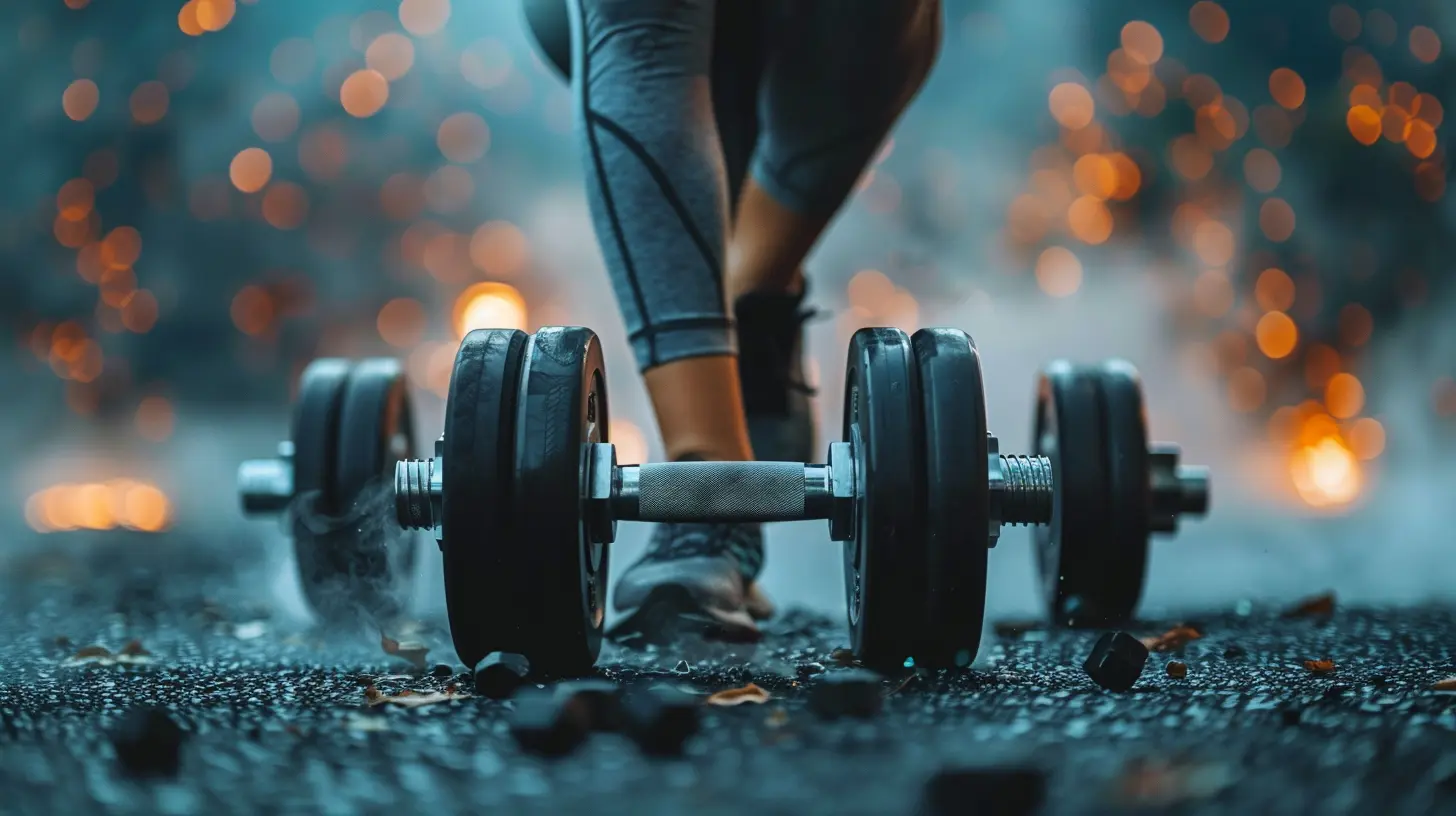
Why Should You Care About Functional Fitness?
Let me paint a picture. You bend down to pick up your toddler and tweak your back. Or maybe you trip on the sidewalk and don’t quite catch yourself. That’s not just random bad luck—that’s your body telling you it’s not prepared for the real-life stuff.Here’s why functional fitness matters:
- It improves balance, coordination, and flexibility.
- It strengthens the muscles you actually use daily.
- It reduces your risk of injury.
- It helps with posture and reduces chronic pain.
In short? It makes life easier. And who doesn’t want that?
Functional Fitness vs. Traditional Exercise
You might be wondering: “How’s this different from hitting the gym and doing the usual routine?”Good question.
Traditional Fitness
This typically focuses on isolated muscle groups. You work your chest on Monday, legs on Tuesday, biceps on Wednesday... you get the drill. Machines are commonly used, and many moves happen in a fixed position. Great for muscle growth, but not always transferable to daily life.Functional Fitness
Here, the focus is on multi-joint, compound movements. You train your body the way it naturally moves. Exercises often use bodyweight, kettlebells, medicine balls, resistance bands, and free weights. Think lunges while twisting to one side, or squats with an overhead press.It’s like training your body to become a Swiss Army knife—versatile, resilient, and ready for anything.
Real-Life Benefits of Functional Fitness
Alright, let’s break down exactly how this type of training can transform your day-to-day life.1. Boosts Everyday Strength
Carrying groceries? Lifting your toddler? Rearranging furniture? Functional fitness makes those tasks feel WAY easier. Your muscles are trained to work together in harmony, just like they need to in real life.2. Improves Balance and Coordination
As we age, balance tends to take a hit. That’s why slips and falls become more common (and dangerous). Functional exercises focus heavily on stability and coordination. So whether you're walking on uneven terrain or climbing stairs in the dark, you'll be much less likely to wobble or fall.3. Enhances Flexibility and Mobility
Unlike static stretches or rigid workouts, functional fitness helps your body move through a full range of motion. That means less stiffness, better posture, and more graceful movements—think yoga meets strength training.4. Reduces Risk of Injury
Because functional workouts mimic real-life movements, they condition your body to move properly. This means fewer awkward twists, less joint strain, and a body that’s better equipped to avoid injuries, from sports or simply everyday life.5. Makes Everyday Tasks Effortless
Functional fitness pays off in the little wins. Climbing stairs without panting. Lifting heavy bags without straining. Getting up from the floor with ease. It's like upgrading your body’s software and hardware at the same time.Functional Fitness for All Ages
You don’t need to be an athlete or fitness junkie to benefit from functional fitness. In fact, the beauty of it lies in its adaptability.For Young Adults
It’s a great foundation for long-term physical health. You’ll build strength, speed, and endurance while developing strong movement habits.For Parents
Chasing after kids, managing house chores, and holding awkward car seats all day? Functional training can help you do all that without feeling worn out.For Older Adults
Improving balance, preventing falls, and maintaining independence are HUGE. Functional fitness can help seniors live longer, healthier, and more self-sufficient lives.Getting Started with Functional Fitness
Okay, so you’re sold. But where do you even start?Simple—start with your bodyweight and build from there.
Beginner-Friendly Functional Exercises
Here are a few go-to moves that require no equipment and prep your body for life’s daily challenges:- Bodyweight Squats: Great for hips, knees, and lower body strength.
- Lunges with a Twist: Adds core rotation for real-life bending and reaching.
- Planks: Builds core strength to support nearly every movement you make.
- Push-Ups: Strengthens your upper body and core.
- Farmers Carry: Mimics carrying groceries or suitcases—just grab some dumbbells and walk.
You don’t need fancy gear or a gym membership. Just 15–30 minutes of consistent movement a few times a week can make a HUGE difference.
Add Some Tools to Level Up
Once you're comfy with the basics, consider adding tools like:- Kettlebells for dynamic strength.
- Resistance bands for joint-friendly workouts.
- Medicine balls for explosive power.
- Balance boards or BOSU balls for extra stability training.
Each tool adds a layer of challenge and variety, keeping things fun and engaging.
How to Fit It Into Your Busy Life
I get it—you’re busy. We all are.Here’s the thing: functional fitness doesn’t take hours. Even 20 minutes can do the trick when you stay consistent.
- Sneak it in during lunch breaks or while watching TV.
- Combine it with household chores—think squats while cooking or lunges while vacuuming.
- Schedule it like a meeting. If it’s on the calendar, you’re more likely to follow through.
Consistency over intensity. Always.
Tips to Stay Motivated
Sticking with anything new can be tough. But here are some ways to stay on track:- Track your progress. That could mean how many push-ups you can do or how easy it is to carry all the groceries in one trip.
- Set mini-goals. Like improving balance on one foot for 60 seconds, or doing 20 squats with perfect form.
- Find a buddy. Working out with a friend makes it more fun and keeps you accountable.
- Mix it up. Boredom kills motivation. Change your workouts every few weeks to keep things fresh.
It’s Not About Perfection—It’s About Progress
It’s easy to feel discouraged when starting something new—especially when you’re not seeing immediate results. But remember this:You’re not training to become an Olympic athlete. You’re training for life. For lifting your kids, dancing at weddings, hiking that hill without losing your breath, or just feeling better in your skin.
Every rep, every drop of sweat, every push-up—it's an investment in a healthier, more capable you.
Final Thoughts
Functional fitness isn’t just another item on your to-do list. It’s a powerful way to reclaim your physical freedom. It's about moving better, feeling stronger, and living without limits. Whether you’re 25 or 75, it’s never too early — or too late — to start building a body that works for you, not against you.So roll out that mat, grab a resistance band, or just drop to the floor for a few squats. Your future self will thank you.
all images in this post were generated using AI tools
Category:
WorkoutsAuthor:

Madeline Howard
Discussion
rate this article
2 comments
Serenity Wilson
Embracing functional fitness can transform your daily routine! By improving strength, flexibility, and endurance, you’ll tackle everyday tasks with ease and confidence. Start today, and watch how small changes lead to big victories in your life. You’ve got this!
December 30, 2025 at 3:30 AM
Madeline Howard
Thank you for highlighting the benefits of functional fitness! It's amazing how integrating these exercises can truly enhance our daily routines. Let's inspire others to start their journey!
Knox Gates
Functional fitness truly transforms everyday tasks into effortless activities! It’s amazing how much easier life becomes with a little strength training!
December 14, 2025 at 4:58 AM
Madeline Howard
Thank you! I'm glad you found the article insightful. Functional fitness really does make a significant difference in our daily lives!