Hidden Ingredients: Foods That May Trigger Allergic Reactions
6 May 2026
Food allergies are no laughing matter. One tiny bite of the wrong food can send someone's immune system into a frenzy, turning a simple meal into a medical emergency. While many people are aware of common allergens like peanuts, shellfish, and dairy, there are hidden ingredients lurking in everyday foods that can trigger allergic reactions.
Some sneaky allergens hide in processed foods, while others masquerade under different names. If you or someone you love has food allergies, knowing what to look for is crucial. So, let’s break down the hidden culprits that might be sabotaging your allergy-free diet.
The Sneaky Nature of Hidden Allergens
Most food allergies stem from proteins in certain foods that the immune system mistakenly sees as harmful. When consumed, these proteins can trigger anything from mild itching to life-threatening anaphylaxis. While avoiding obvious allergens is straightforward, things get tricky when allergens show up in unexpected places.Food manufacturers use additives, preservatives, and food processing techniques that might introduce allergens into foods that seem harmless. Even worse, some labels don’t clearly list these potential threats, reducing the chances of spotting them before it’s too late.
Let’s dive into specific foods and ingredients that could be secretly unsafe for those with allergies. 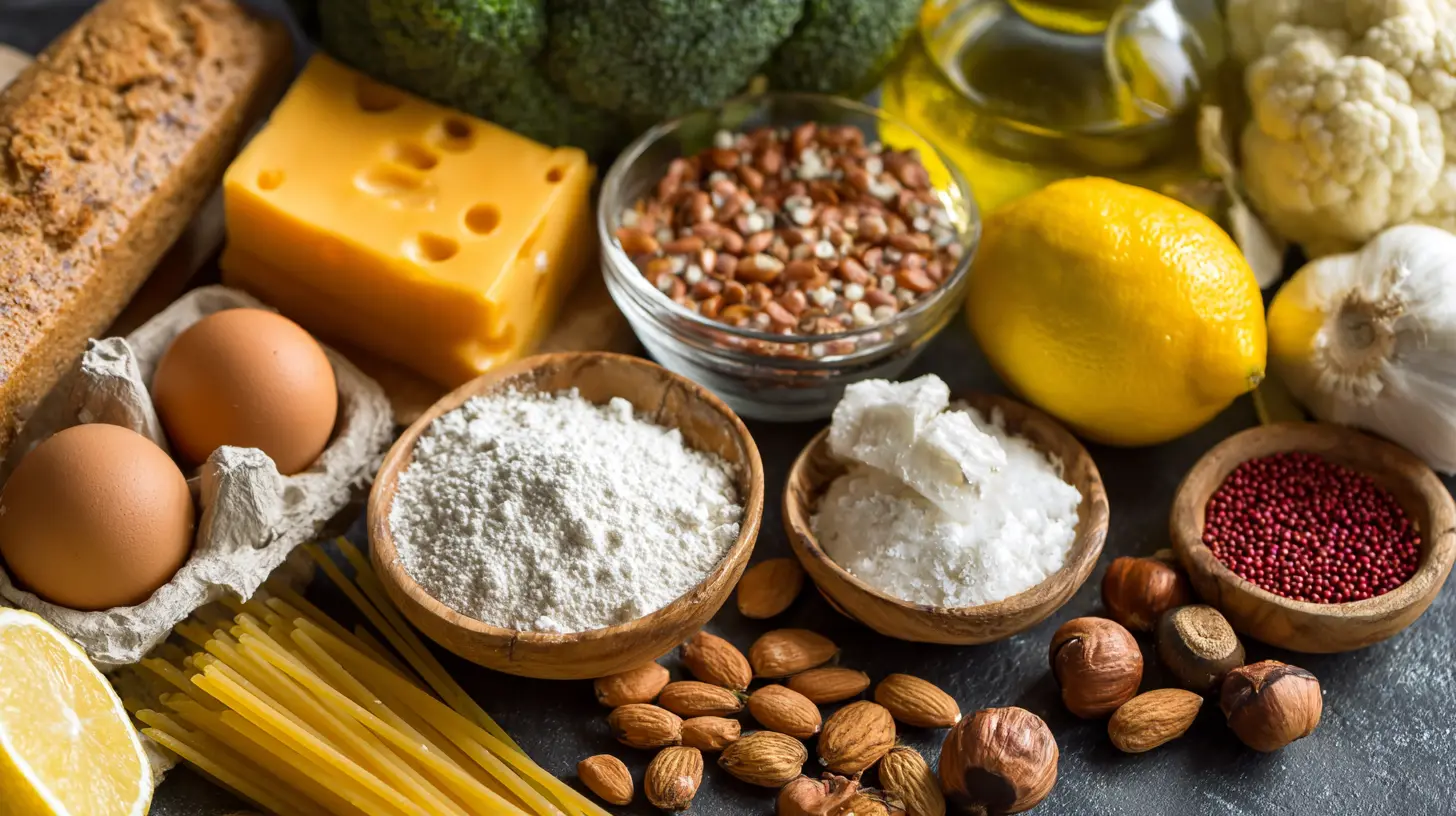
1. Soy and Its Many Disguises
Soy is one of the top allergens, and it’s found in more foods than you might think. While people with soy allergies may avoid tofu and soy milk, they might not realize that soy is a common ingredient in baked goods, protein bars, and processed meats.Where Soy Hides:
- Vegetable oil & lecithin – Some vegetable oils are made from soy, and soy lecithin is a sneaky emulsifier found in chocolates, baked goods, and even medications.- Processed meats & burgers – Many meat substitutes and even some real meat products use soy protein as a filler.
- Sauces & dressings – Soy sauce is obvious, but did you know many salad dressings and mayonnaise contain soy derivatives?
What to Look for on Labels:
- Hydrolyzed vegetable protein- Textured vegetable protein (TVP)
- Lecithin
- Miso, natto, tempeh
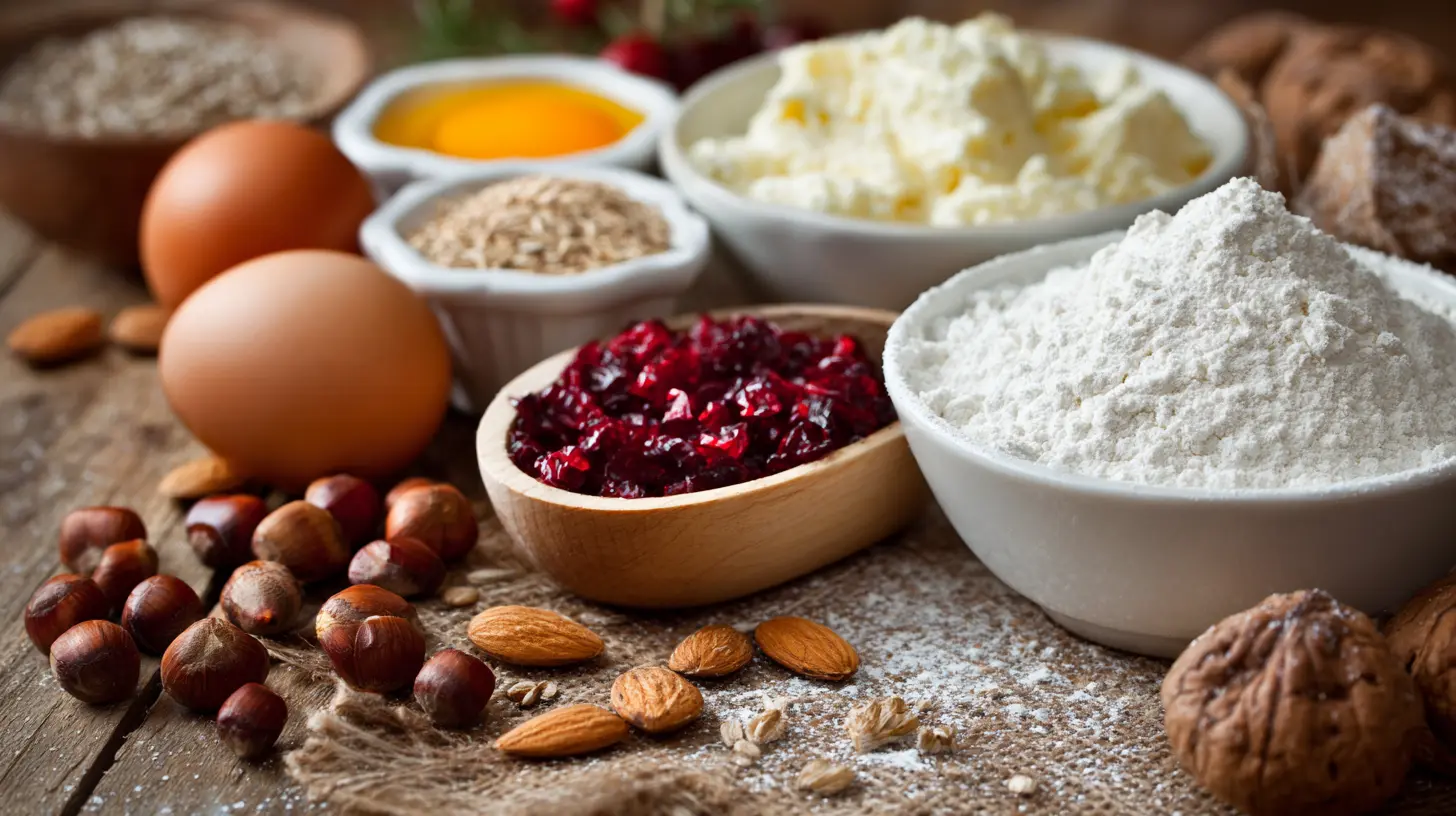
2. Dairy When You Least Expect It
For those with lactose intolerance, a little dairy causes digestive discomfort. But for people with a true milk allergy, even a small amount can trigger severe reactions.Where Dairy Hides:
- Processed meats – Some sausages and deli meats contain casein or whey.- Non-dairy products – Ironically, many “non-dairy” creamers and margarine still contain milk proteins.
- Potato chips & crackers – That cheesy dusting or even a hidden milk-based ingredient can make these unsafe.
- Bread & baked goods – Some loaves of bread contain whey or casein to enhance texture.
What to Look for on Labels:
- Casein- Whey
- Lactose
- Ghee
- Butterfat
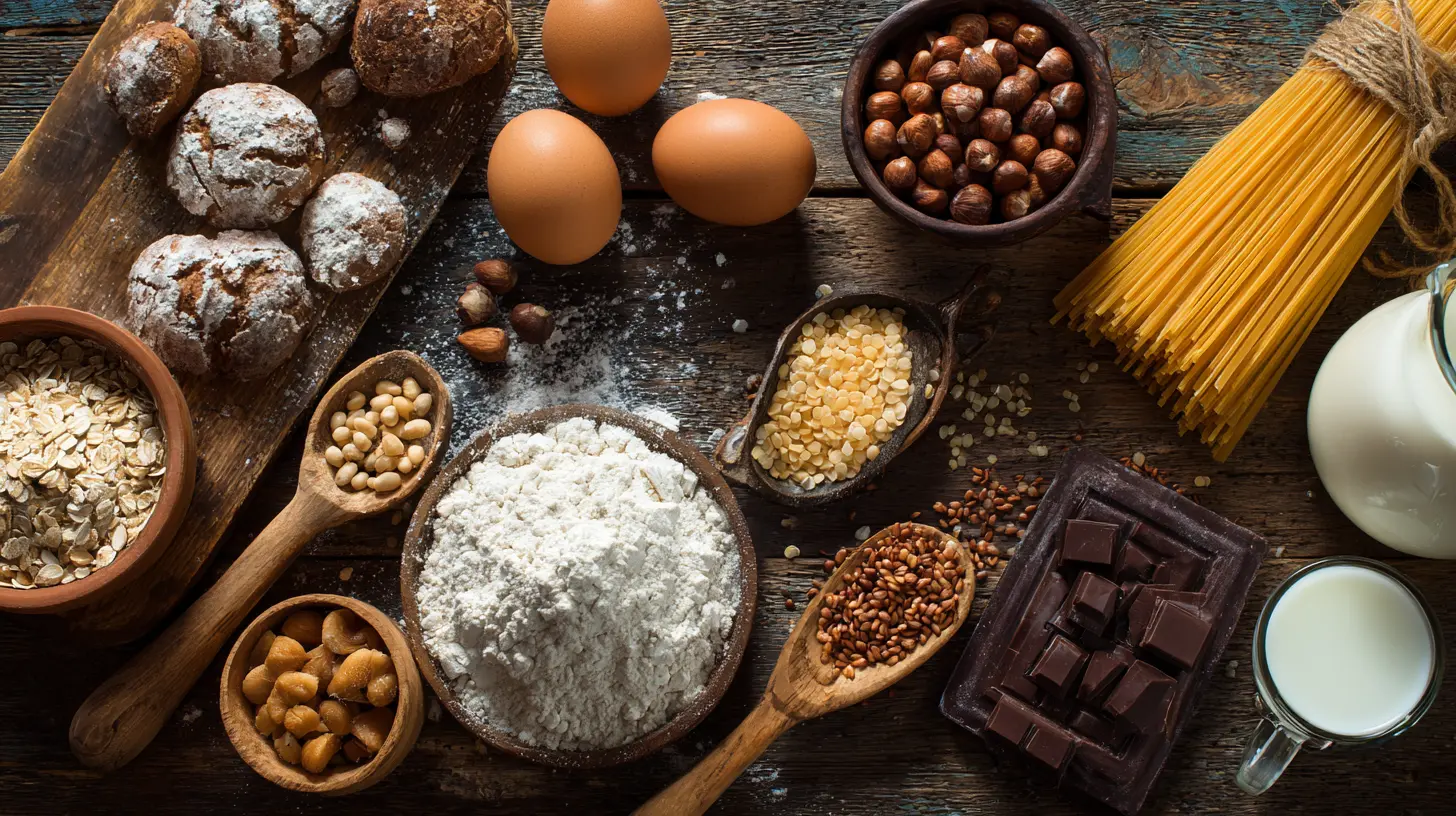
3. Eggs in Disguise
Egg allergies are common, especially in children. While avoiding scrambled eggs is easy, eggs are used as binding agents in several foods, making them hard to spot.Where Eggs Hide:
- Pasta & noodles – Many kinds of pasta, especially egg noodles, contain eggs.- Baked goods – Muffins, cakes, and even some bread use eggs for structure.
- Marshmallows & meringue – These contain egg whites, often overlooked.
- Mayonnaise & dressings – Many creamy dressings are egg-based.
What to Look for on Labels:
- Albumin- Lecithin
- Lysozyme
- Globulin
4. Wheat Beyond Just Bread
Gluten-related disorders like celiac disease and wheat allergies require strict avoidance, but wheat is found in more than just bread and pasta.Where Wheat Hides:
- Soy sauce & teriyaki sauce – Unless labeled gluten-free, these sauces contain wheat.- Soup & gravy mixes – Many pre-packaged seasonings use wheat flour as a thickener.
- Ice cream & candies – Shockingly, wheat is sometimes added for texture in candies and ice cream.
What to Look for on Labels:
- Malt- Semolina
- Spelt
- Einkorn
5. Nuts Aren’t Always Obvious
Nut allergies can be among the most severe, yet hidden nuts are everywhere. Even food processed in facilities with nuts can pose a risk.Where Nuts Hide:
- Alcoholic beverages – Some flavored liquors are derived from nuts.- Salad dressings & sauces – Especially pesto, which contains pine nuts.
- Granola & energy bars – Even if they don’t list nuts, they may contain traces through cross-contamination.
What to Look for on Labels:
- Nut oils- Hydrolyzed plant protein
- Nougat (contains almond or hazelnut)
6. Fish and Shellfish in Unexpected Places
Seafood allergies can be severe, yet some unsuspecting foods contain fish or shellfish derivatives.Where Fish and Shellfish Hide:
- Caesar dressing – Traditional recipes include anchovies.- Worcestershire sauce – Another fish-heavy sauce.
- Imitation crab meat – Found in sushi but contains real fish.
What to Look for on Labels:
- Isinglass- Surimi
- Omega-3 (from fish sources)
7. Sesame – The Increasingly Common Culprit
Sesame allergies are on the rise, yet sesame often flies under the radar.Where Sesame Hides:
- Hummus & tahini – Sesame is the primary ingredient.- Buns & bagels – Often topped or even baked into bread.
- Asian cuisine – Stir-fry sauces frequently contain sesame oil.
What to Look for on Labels:
- Tahini- Gingelly oil
- Benne seed
How to Protect Yourself from Hidden Allergens
1. Always Read Labels (Every. Single. Time.)
Manufacturers change ingredients often, so just because a product was safe last year doesn’t mean it still is.2. Look for “May Contain” Warnings
Some brands add disclaimers like “May contain traces of nuts.” If you have a severe allergy, avoid these products to be safe.3. Cook at Home When You Can
When you prepare your food, you control the ingredients. This is the safest route for those with severe allergies.4. Ask Questions When Dining Out
Restaurants might not always list every ingredient, so don’t hesitate to ask about food preparation.Final Thoughts
Hidden food allergens are tricky, but knowing where they lurk can help you avoid unwanted surprises. Reading labels, asking questions, and staying vigilant are your best defenses against an allergic reaction. If you or a loved one has food allergies, staying informed is key to staying safe.So, next time you're at the grocery store, take an extra moment to scan that label – your health depends on it!
all images in this post were generated using AI tools
Category:
Food AllergiesAuthor:

Madeline Howard
Discussion
rate this article
2 comments
Cypher McFarlane
Watch out for those sneaky ingredients! One bite and you might end up in a sneeze-off contest...
July 6, 2026 at 3:17 PM
Verity McGinnis
Awareness is key. Hidden ingredients can wreak havoc on health without warning. Stay vigilant and read labels carefully to protect yourself from unintended allergic reactions. Your body deserves better.
May 12, 2026 at 3:56 PM
Madeline Howard
Absolutely, being aware of hidden ingredients is essential. Reading labels can make a big difference in staying safe and healthy. Thanks for highlighting this important point!