Delicious and Nutritious: Cooking with Whole Foods
4 March 2026
Have you ever stared at your pantry or fridge, wondering if your food choices are actually doing you any favors? Let's be honest—most of us have been there. But here's the thing: cooking with whole foods isn't just good for your body. It's downright delicious, soul-satisfying, and kinda magical.
Sounds a little too good to be true, right? Like, sure, quinoa is healthy, but is it going to make your taste buds dance? Spoiler alert: yes, if you know how to make it sing on your plate. Buckle up, because we’re about to dive into the world of whole foods—where flavor and nutrition go hand in hand.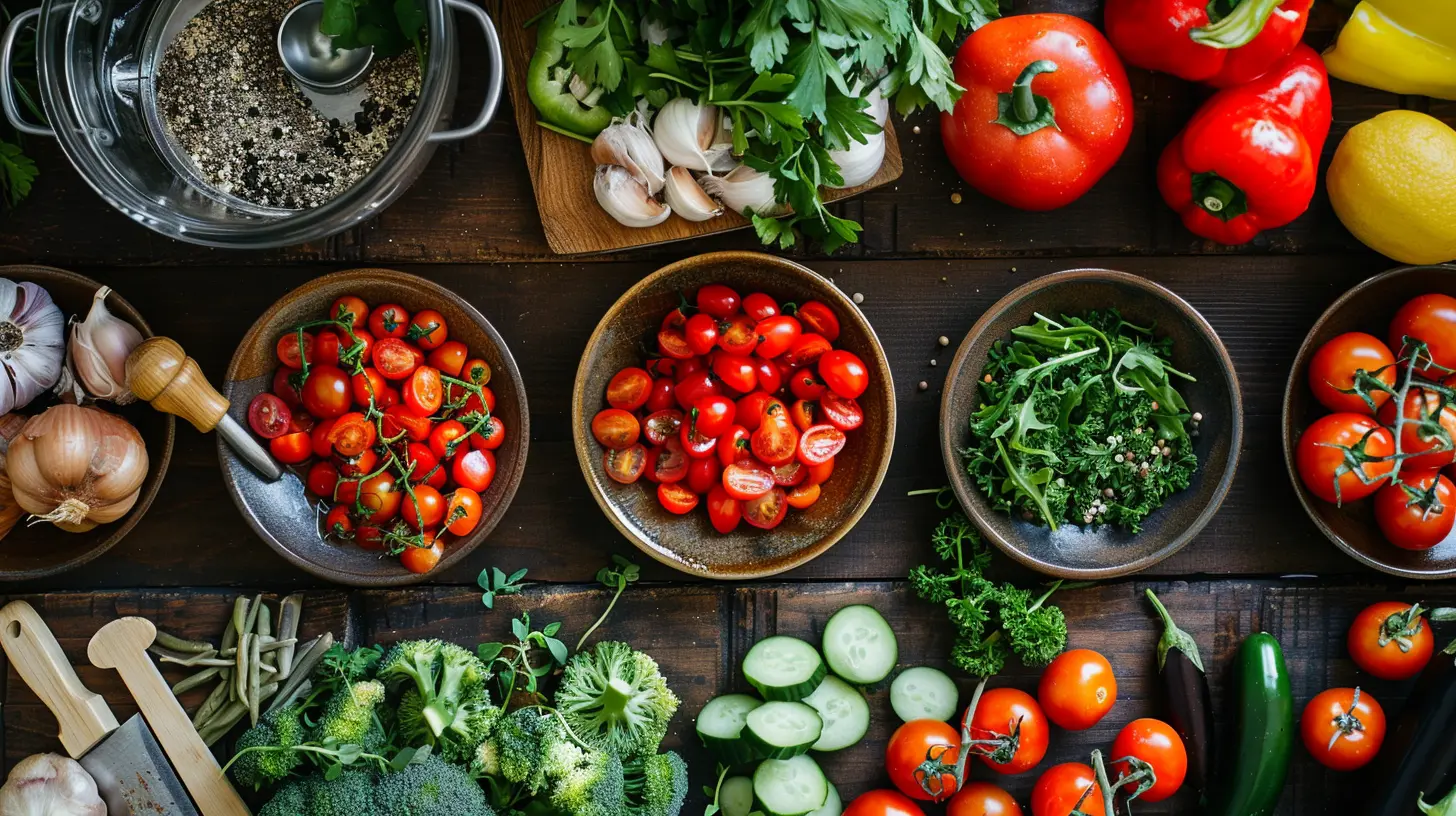
What Are Whole Foods, Really?
Let’s clear one thing up first. Whole foods aren’t some mysterious trend dreamt up by health fanatics or Instagram influencers. They’re real, unprocessed (or minimally processed) foods that come straight from nature. Basically, if it grows in the ground, walks on four legs, swims, or clucks—congrats, it probably counts.Think fresh fruits and veggies, nuts, seeds, legumes, whole grains, lean meats, and fish. No complicated ingredient lists, no weird additives you can’t pronounce. Just food as it was meant to be.
Now, don't confuse "simple" with "boring." Whole foods are anything but dull when you know how to work some kitchen magic.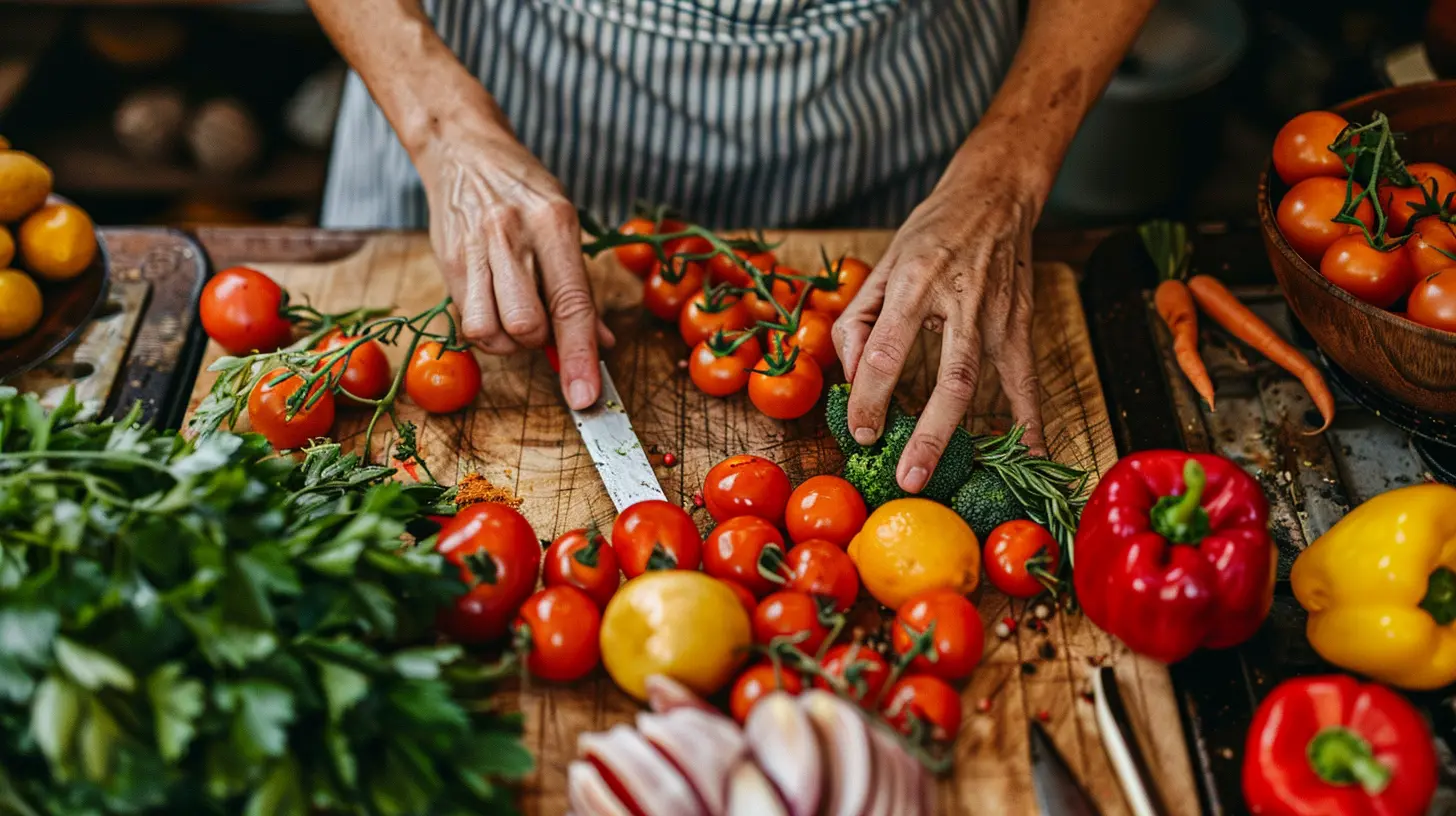
Why Whole Foods Should Be on Your Plate
The Nutrient Powerhouse
Whole foods are basically the superheroes of the food world. Packed with vitamins, minerals, antioxidants, fiber, and healthy fats, they’re like nature’s multivitamin.For example:
- Leafy greens? Loaded with folate and iron.
- Berries? Antioxidants for days.
- Quinoa? A complete protein with all nine essential amino acids.
Basically, your body gets the fuel it needs without the junk. And when your body runs on high-quality fuel, everything just works better—your brain, your gut, your skin, even your mood.
Say Goodbye to the Sugar Rollercoaster
Ever crash after a carb-heavy lunch and feel like you need a nap at 3 PM? That's the sugar rollercoaster, and processed foods are the ride operators. Whole foods, especially complex carbs like oats and brown rice, keep your blood sugar stable, your energy steady, and your focus razor-sharp.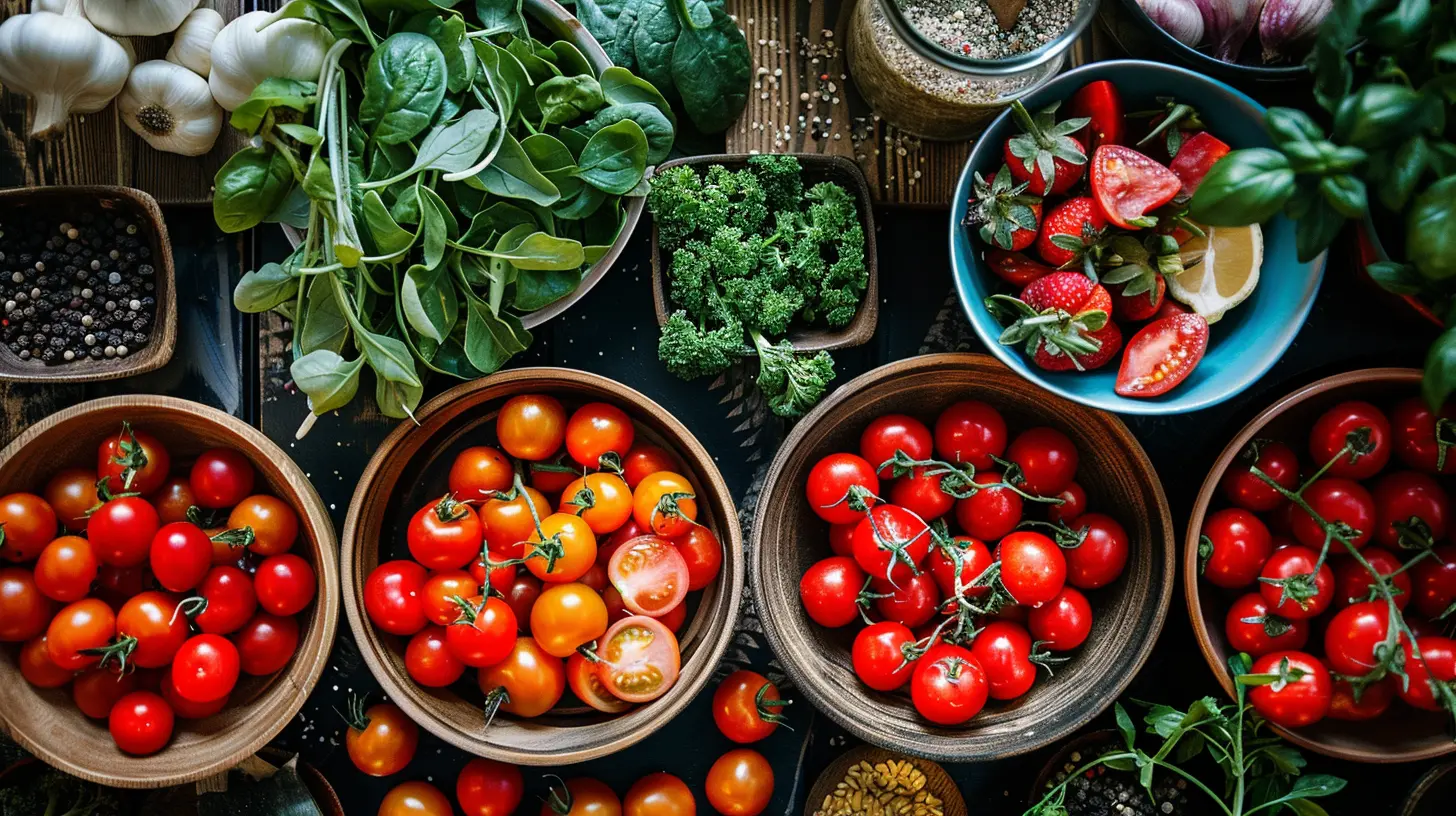
Cooking with Whole Foods: Where the Magic Happens
Here’s the fun part. Cooking whole foods doesn’t require fancy gadgets or chef-level skills. But it does require a little curiosity—and maybe some courage to try something new.Pantry Power-Up: Stocking the Essentials
Before we get wild in the kitchen, let’s nail down the basics. A well-stocked pantry can turn even the laziest Tuesday into a culinary adventure. Here’s what you’ll want on hand:- Lentils and beans
- Brown rice, quinoa, farro
- Rolled oats
- Olive oil and coconut oil
- Canned tomatoes (BPA-free if possible)
- Raw nuts and seeds
- Apple cider vinegar
- Natural sweeteners (like honey or maple syrup)
- Dried herbs and spices
These staples are your rescue kit. They’re versatile, nourishing, and seriously affordable when you buy in bulk.
The Art of Cooking Simply
You don’t need to overcomplicate things. In fact, when you’re working with whole foods, simplicity lets their natural flavors shine. Here’s how to keep things easy and yummy:1. Roast It
Roasting brings out the sweetness in veggies like carrots, sweet potatoes, and Brussels sprouts. Toss with olive oil, salt, pepper, maybe a pinch of cumin or smoked paprika. Bake at 400°F for 25-30 minutes. Voilà. Instant comfort food.2. One-Pot Wonders
Soups, stews, and chilis are whole food goldmines. Throw lentils, chopped veggies, broth, and herbs into a pot and let it simmer. It’s hearty, healthy, and somehow even better the next day.3. Grain Bowls
Cook up a batch of quinoa, rice, or farro. Top it with sautéed greens, roasted veggies, a soft-boiled egg, and a drizzle of tahini or hot sauce. Ta-da! You’ve got yourself a power bowl.Fun tip: These are super meal-prep friendly. Make components ahead, mix and match all week.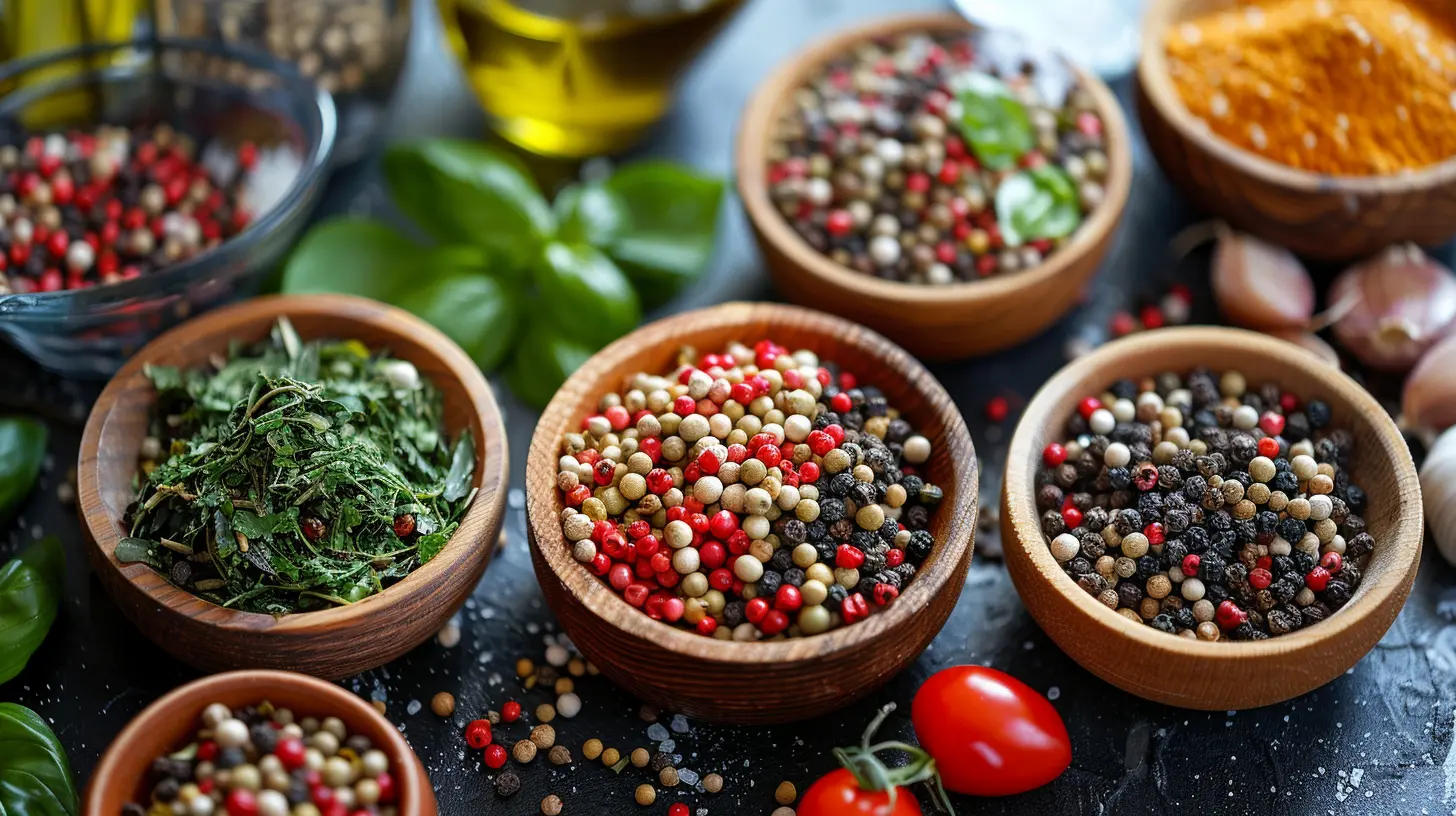
Health Benefits That Go Beyond the Plate
Okay, so you’re eating better. But the perks don’t stop there. Cooking with whole foods can actually change your life. No joke.Your Gut Will Thank You
Fiber-rich whole foods feed the good bacteria in your gut. And a happy gut = a happy you. We're talking better digestion, stronger immunity, and even better mental health. Your microbiome is basically the bouncer to your body’s VIP club.Clearer Skin, Shinier Hair
Processed foods can mess with your hormones and cause breakouts. Clean eating helps your skin glow from the inside out. Plus, nutrients like omega-3s (hello, salmon and walnuts!) support shiny locks and stronger nails.More Mindful Eating
Something amazing happens when you focus on real food—you slow down. You taste more. You tune into what your body is actually craving. Cooking becomes less of a chore and more of a ritual.Busting the Myth: Healthy Food Is Bland
Let’s crush this rumor once and for all. Whole foods don’t mean flavorless salads or sad steamed broccoli. It's all about layers—spices, textures, and sauces that bring your meals to life.Spice Up Your Life
Start with the basics:- Cumin & turmeric for earthy warmth
- Smoked paprika for a BBQ kick
- Cinnamon in oatmeal or roasted squash
- Ginger & garlic for everything from stir-fries to soups
And don’t underestimate the power of fresh herbs—basil, cilantro, mint—they’ll take your dish from meh to wow.
Sauce It Right
A good sauce can turn kale into your new BFF. Try these:- Tahini lemon dressing
- Avocado cilantro sauce
- Homemade hummus or pesto
- Spicy peanut sauce (amazing on roasted veggies and noodles)
Whole Foods on a Budget? Yes, Please.
There’s this myth that eating healthy is expensive. And while some superfoods can get pricey (looking at you, goji berries), whole food staples are actually budget-friendly. Especially if:- You buy in bulk
- Shop seasonal and local
- Plan your meals and avoid waste
- Cut back on pricey meat and go plant-based more often
Pro tip: Cook once, eat twice. Leftovers are not only a time-saver, they help your wallet too.
A Day of Delicious Whole Foods (Sample Meal Plan)
Need some inspiration? Here’s what a day of whole food goodness could look like:Breakfast:
- Rolled oats with almond milk, chia seeds, banana slices, and a sprinkle of cinnamon.Lunch:
- Quinoa bowl with roasted sweet potatoes, kale, chickpeas, avocado, and tahini drizzle.Snack:
- Apple slices with almond butter or a handful of raw nuts.Dinner:
- Stir-fried veggies with garlic tofu over brown rice, topped with sesame seeds and a splash of tamari.Sound good? It tastes even better—and your body will thank you.
Your Kitchen, Your Sanctuary
Cooking with whole foods is more than a diet. It’s a mindset. It’s about reconnecting with the food on your plate and knowing what you’re feeding your family. There’s something sacred about transforming raw, earthy ingredients into meals that heal, energize, and nourish.Think of your kitchen as a chemistry lab where you're the mad scientist—but instead of beakers, you're playing with spices, herbs, and fresh veggies. And the result? Pure joy, both on your plate and in your body.
Final Thoughts: The Whole Truth
Whole foods are a return to simplicity, to flavor, to nourishment. They’re the backbone of health—and the secret ingredient to a life well-lived. You don’t have to overhaul your life overnight. Start small. Add one or two new whole food recipes to your week. Play with textures and flavors. Make it fun.Before you know it, your palate will shift, your energy will rise, and your cravings will change. You'll feel more alive—because you’ll be feeding your body what it truly needs.
So, here's your challenge: pick one whole food this week that you’ve never cooked before. Maybe it’s farro, maybe it’s bok choy. Doesn’t matter. Just start. Your tastebuds (and your body) will thank you.
all images in this post were generated using AI tools
Category:
Healthy CookingAuthor:

Madeline Howard
Discussion
rate this article
2 comments
Kara Reyes
Savor nature's bounty, where each bite sings of health—delicious dishes that nourish body and soul.
March 13, 2026 at 5:58 AM
Madeline Howard
Thank you! Embracing whole foods truly enhances both our health and our enjoyment of meals.
Elias McCray
What a fantastic read! Embracing whole foods not only nourishes our bodies but also brings joy to our kitchens. I can’t wait to try these delicious recipes and tips. Thank you for sharing!
March 8, 2026 at 5:54 PM
Madeline Howard
I'm so glad you enjoyed it! Happy cooking with those whole foods... you're going to love the recipes!