Foods for Flexibility: Can What You Eat Improve Your Range of Motion?
29 August 2026
Let’s be real — when we hear "flexibility", our minds shoot straight to yoga classes, deep lunges, and maybe even those who can do full splits without breaking a sweat. But here's the twist: flexibility isn't just about stretching your muscles. It actually starts at your dinner plate.
Yes, you read that right.
There’s a powerful connection between what goes into your belly and how far you can push your body. Whether you're trying to touch your toes, master a backbend, or just move more freely in day-to-day life, the foods you eat can either help or hold you back.
Let’s dive deep (and stretch wide) into how nutrition might just be your secret mobility weapon.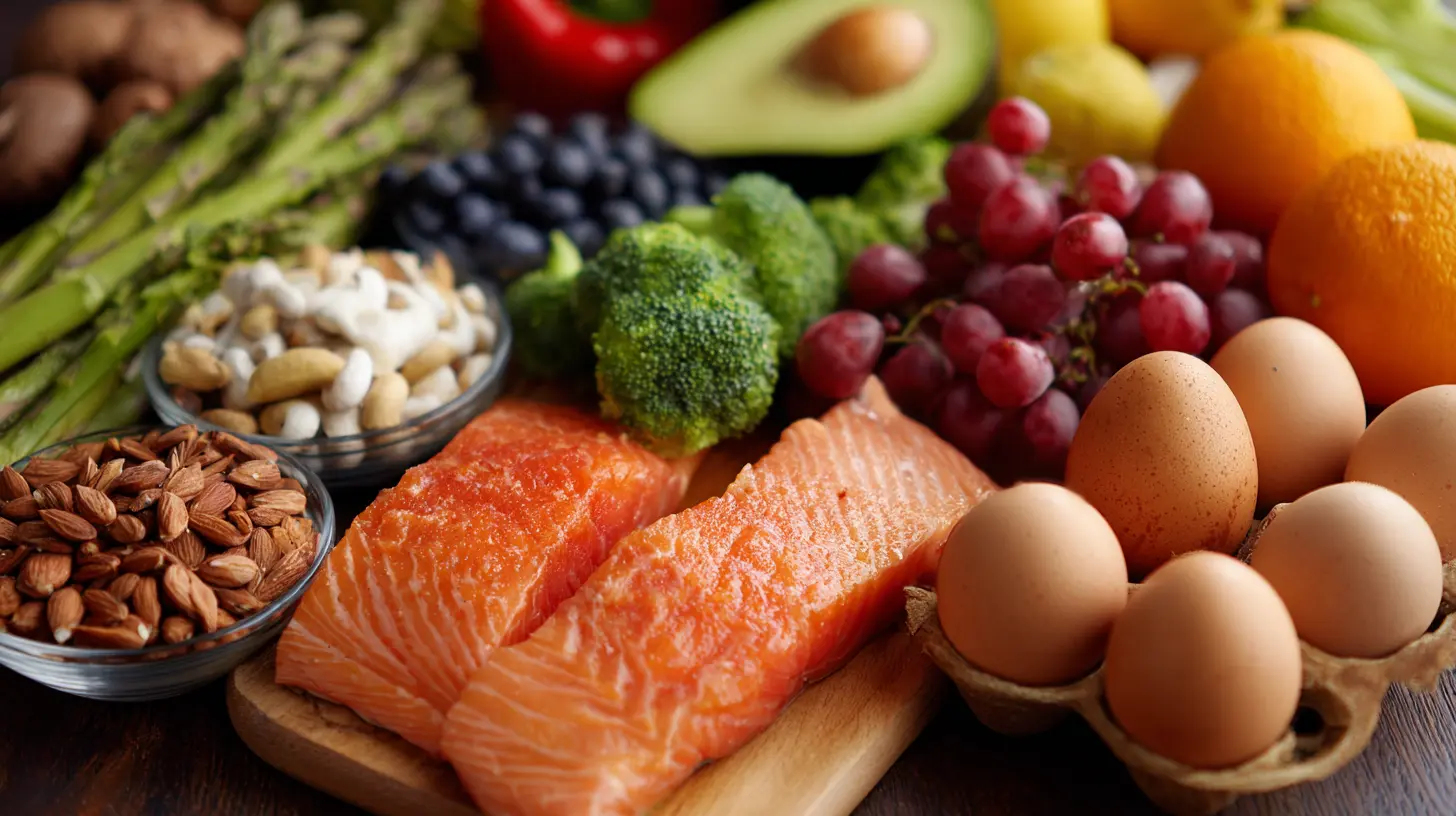
Why Flexibility is More Than Just Stretching
Before we load up your cart with superfoods, let’s clear one thing up — flexibility isn’t just about how stretchy your muscles are. It’s actually a complex cocktail of muscle elasticity, joint mobility, connective tissue health, hydration, and... inflammation levels.Yup. Your body’s ability to twist, bend, and stretch is influenced by internal factors like:
- Muscle and tendon composition
- Joint lubrication
- Collagen levels
- Inflammation
- Blood flow
And guess what impacts ALL of the above? You got it — your diet.
Can Food Really Make You More Flexible?
So, can food actually help you limber up, or is that just wishful thinking?Well, while no spinach leaf is going to magically put you into a perfect downward dog, certain nutrients can support muscle health, reduce inflammation, maintain joint lubrication, and help repair tissues more effectively. All of which can directly impact how loose and free you feel in your body.
Think of your body like a high-performance car. You can have the best tires (aka muscles) in the world, but without the right oil, fuel, and regular maintenance? Good luck getting anywhere fast — or smooth.
Top 10 Foods for Flexibility That Work With (Not Against) Your Body
Ready to fill your body with foods that flow? Here are ten MVPs that will help keep your muscles supple, your ligaments happy, and your joints gliding with grace.1. Salmon — Omega-3s to the Rescue
Salmon is anti-inflammatory gold. Thanks to those rich omega-3 fatty acids, it helps reduce body-wide inflammation, which can make your joints feel less stiff and muscles recover faster.Other omega-3-rich alternatives: sardines, mackerel, chia seeds, flaxseeds, walnuts.
2. Turmeric — Nature’s Painkiller
Turmeric isn’t just trendy — it's a legit inflammation-fighting superhero. The compound curcumin has been shown to protect your joints and soothe sore muscles.Pro Tip: Combine turmeric with black pepper to boost absorption. Think golden milk latte or stir it into smoothies.
3. Spinach — The Green Flex Fuel
Loaded with magnesium, iron, calcium, and vitamin K, spinach supports muscle function and bone health. Magnesium, in particular, helps muscles contract and relax properly — a must for safe, stretchy movement.Tired of spinach? Try kale, Swiss chard, or bok choy for variation.
4. Avocados — Fat That Feeds Flexibility
Healthy fats are your joints’ best friends. Avocados are packed with monounsaturated fats, vitamin E, and anti-inflammatory properties that cushion cartilage and promote mobility.Plus, they’re super versatile — smash them on toast, toss 'em in smoothies, or make a creamy dressing.
5. Bone Broth — Collagen in a Cup
Collagen is the building block of ligaments, tendons, and cartilage. Drinking bone broth is like giving your joints a warm hug from the inside out. It contains amino acids like glycine and proline that help with tissue repair and flexibility.Don’t do animal products? You can also supplement collagen or boost natural production with vitamin C-rich foods.
6. Berries — Tiny Anti-Inflammation Ninjas
Blueberries, strawberries, raspberries — all packed with antioxidants that fight off inflammation and oxidation. That means less soreness, better recovery, and smoother movement.Snack on them solo or throw them into yogurt, oats, or post-workout shakes.
7. Oranges — Flex Boost Via Vitamin C
Vitamin C isn’t just for colds — it’s essential for collagen production. It also reduces inflammation and supports connective tissue repair, which is crucial if you’re stretching, bending, or training regularly.More rich sources: kiwis, bell peppers, guavas, and broccoli.
8. Pumpkin Seeds — Magnesium Magic
Remember magnesium? It’s one of the unsung heroes of mobility. It helps relax muscles and prevent cramps. Pumpkin seeds are full of it — plus they’ve got protein, zinc, and antioxidants.Keep a stash in your bag for a quick, flexible-friendly snack.
9. Water — The OG Performance Enhancer
Not exactly a “food,” but hydration is everything when it comes to flexibility. Muscles are about 75% water. If you’re dehydrated, your tissues become stiff and prone to injury — kinda like trying to stretch a dry rubber band. Not fun.Aim to sip water consistently throughout the day. Add lemon, cucumber, or mint if plain water bores you.
10. Eggs — Protein and Joint Support in One
Eggs give you the protein your muscles need to repair and grow. They also contain nutrients like vitamin D, which supports bone health, and choline, which aids in muscle control.Whether you like ’em scrambled, boiled, or poached – just get 'em on your plate.
Bonus Tip: Don’t Forget These Flexibility-Boosting Nutrients
If you're serious about unlocking better movement, you’ve got to be on the lookout for certain key nutrients that fuel your flexibility goals. Here’s the cheat sheet:| Nutrient | Why It Matters | Foods That Pack It |
|----------|----------------|---------------------|
| Magnesium | Muscle relaxation & function | Spinach, seeds, nuts, dark chocolate |
| Vitamin C | Collagen production | Citrus, berries, broccoli |
| Omega-3s | Anti-inflammatory | Fish, chia seeds, walnuts |
| Protein | Muscle/tissue repair | Eggs, chicken, tofu, legumes |
| Collagen | Joint and tissue support | Bone broth, collagen peptides |
| Vitamin D | Bone strength | Eggs, mushrooms, sunlight! |
Foods to Avoid if You Want to Stay Limber
Just as some foods help you move with ease, others act like tiny rebels trying to sabotage your flexibility.Here’s what to keep in check:
- Sugary foods: Cause inflammation and joint stiffness.
- Fried and processed foods: Loaded with trans fats and inflammatory oils.
- Excess alcohol: Dehydrates you and can mess with muscle recovery.
- Too much caffeine: Can be dehydrating if you’re not balancing it with water.
Moderation is key — you don’t have to ghost these foods, but don’t let them run the show either.
Your Flexibility Diet Sample Day
Need a little inspiration? Here’s what a day of flexibility-friendly eating could look like:Breakfast: Scrambled eggs + avocado toast + side of berries
Snack: Handful of pumpkin seeds + herbal tea
Lunch: Salmon salad with spinach, citrus dressing, and olive oil
Snack: Golden turmeric latte + square of dark chocolate
Dinner: Stir-fried veggies with tofu + quinoa + bone broth soup on the side
Before bed: Chamomile tea + magnesium supplement (if needed)
Flexibility Supercharged: Combine Diet with Movement
Here’s the truth bomb: Eating well supports flexibility, but you still gotta move that body. Nutrition lays the foundation, but stretching, mobility drills, and activity put theory into action.So stretch, foam roll, hydrate, and eat with intention — and your body will thank you with every smooth twist, bend, and reach.
Final Thoughts: Eat For That Elastic Life
Food isn’t just fuel — it’s information. Every bite you take sends signals to your body, influencing how you feel, move, and recover.So if you want to feel looser, reduce soreness, and move with more ease, you don’t need to contort into a pretzel overnight. Start with your plate. Small daily choices lead to big, bendy breakthroughs.
And the best part? You don’t have to sacrifice deliciousness to get there.
all images in this post were generated using AI tools
Category:
Sports NutritionAuthor:

Madeline Howard
Discussion
rate this article
1 comments
Parisa Curry
This article highlights the connection between diet and flexibility. Foods rich in omega-3 fatty acids, antioxidants, and vitamins can help reduce inflammation and promote joint health. Incorporating items like fatty fish, leafy greens, and nuts may enhance your range of motion, making it easier to stay active and agile in daily life.
August 31, 2026 at 5:04 AM
Madeline Howard
Thanks for the insightful comment! It's great to see how nutrition plays a crucial role in flexibility and overall joint health. What are your favorite foods for staying flexible?