Reclaiming Your Calm: Yoga Techniques for Stress Management
19 January 2026
Ever feel like you're being chased by life with no way to slow down? Like your brain’s playing 52-card pickup with your thoughts, and somehow they all land face down? Yeah… you’re not alone. Stress has a way of creeping in like a silent ninja—quiet, fast, and oh-so-sneaky. But what if I told you that you already have a superpower to fight back?
It’s called yoga.
No, not just stretching in overpriced leggings (though hey, go for it if that’s your thing). I’m talking about using yoga as a tool—an ancient, powerful, yet beautifully simple technique—for reclaiming your peace in a world that often feels like it thrives on chaos.
So, grab a mat, kick off your shoes, and let’s dive into how yoga can help you breathe again when life’s got you in a headlock.
The Rabbit Hole of Modern Stress
We live in the age of always-on. Notifications bing, emails pile up, and let’s not even talk about doomscrolling. Our bodies? They think we're constantly running from saber-toothed tigers. That stress response—racing heart, shallow breathing, tight muscles—is great for emergencies. But living like that 24/7? That’s a recipe for burnout.Here’s where yoga swoops in with a cape.
Yoga doesn’t just stretch your muscles—it stretches time. It gives you space to breathe, to reflect, and to just be. Imagine that. Just. Being.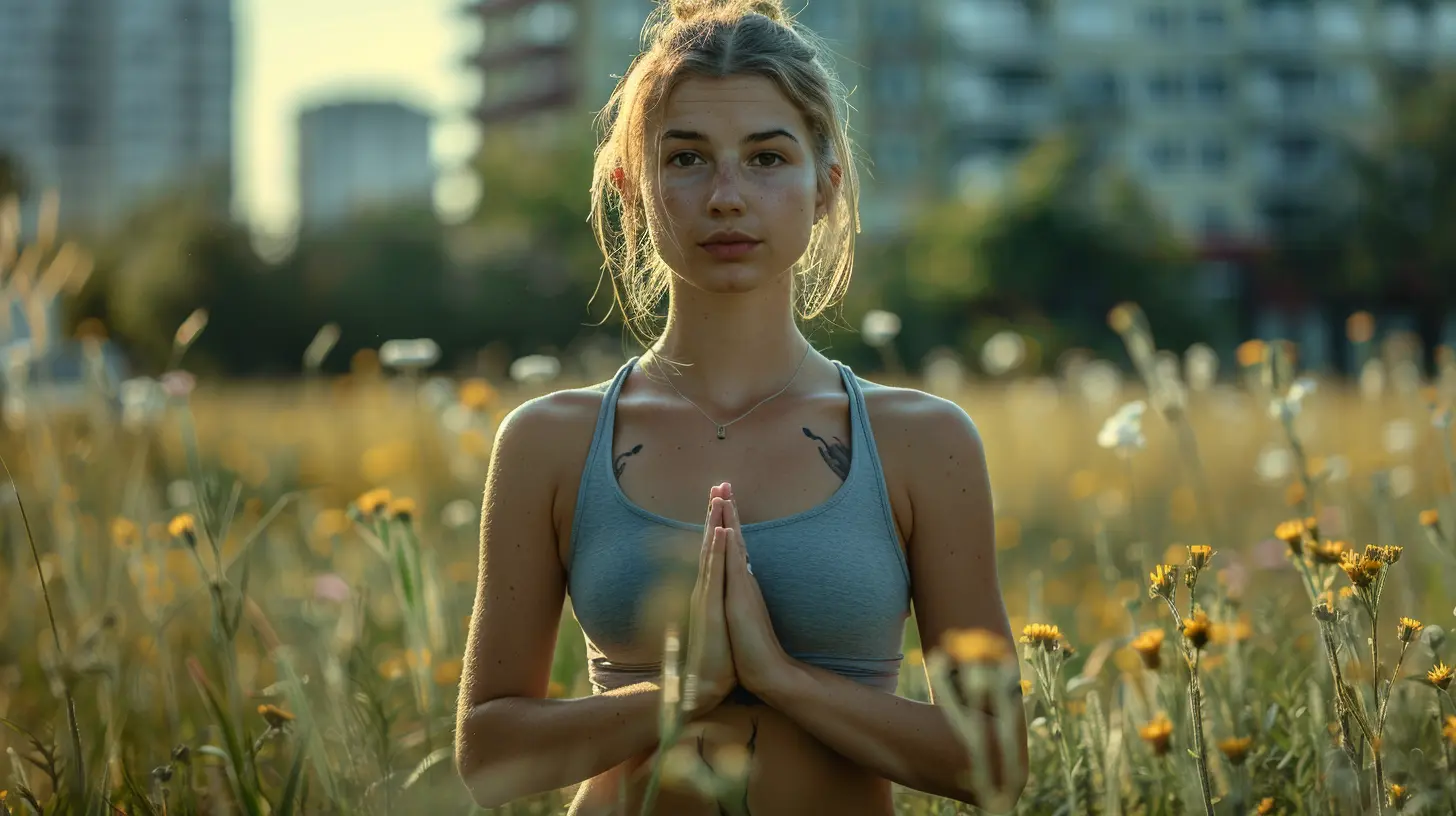
How Does Yoga Actually Help with Stress?
Let’s get a little bit sciencey—but not too much. Stick with me.When you're stressed, your nervous system flips into fight-or-flight mode. It's like hitting the gas pedal in your car and never letting up. Yoga helps move you into the parasympathetic nervous system—you know, the one responsible for “rest and digest.” It’s like hitting the brakes gently while coasting into a peaceful parking spot.
Deep breathing, mindful movement, and intentional stillness work together to:
- Lower cortisol levels (aka the stress hormone)
- Drop blood pressure
- Calm anxiety
- Improve sleep
- Clear your mind
It’s not magic. But it sure feels like it.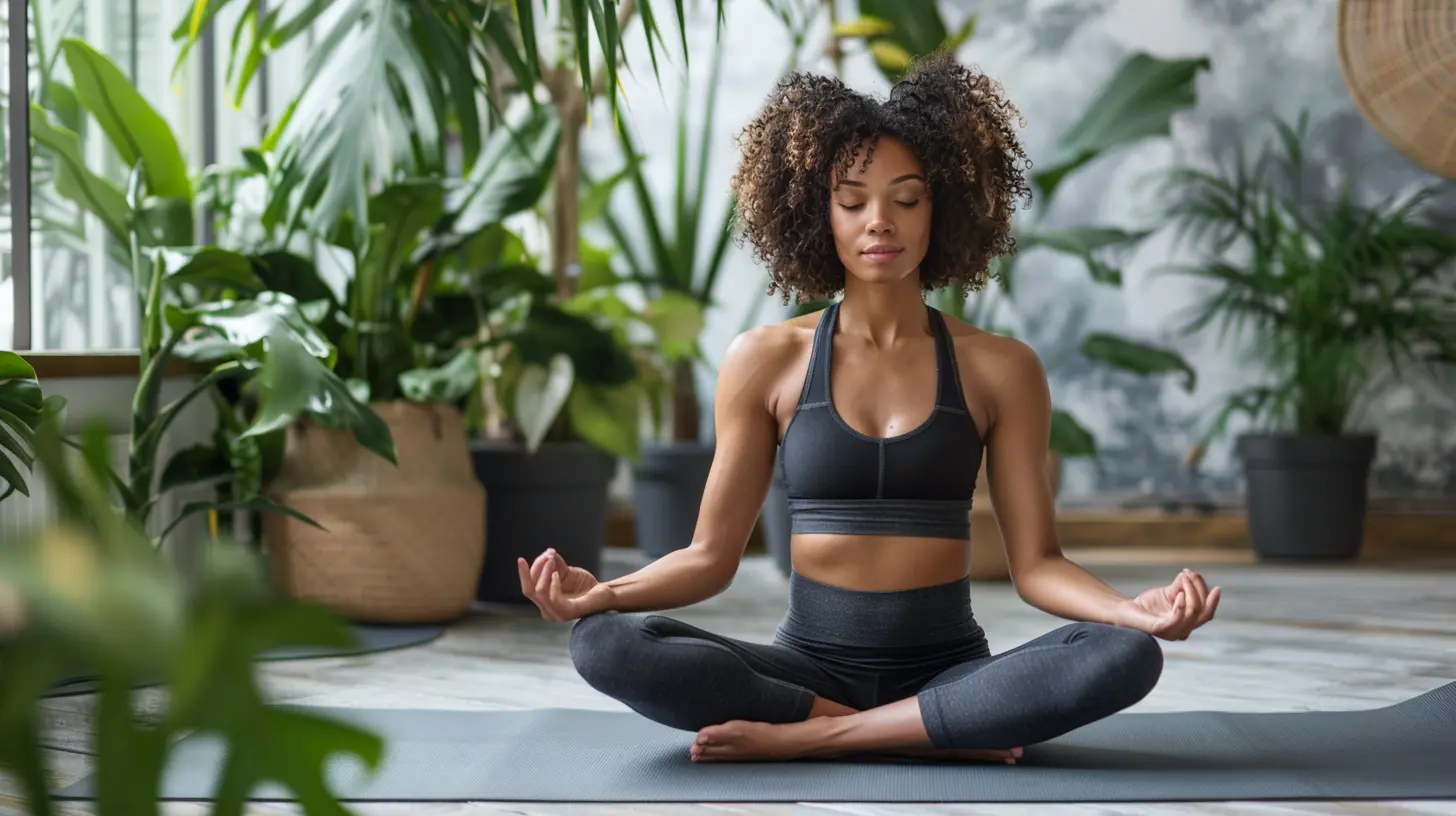
The Gateway Pose: Child's Pose (Balasana)
Let’s start with something super simple but incredibly grounding: Child’s Pose.Picture this: You fold into yourself, forehead on the mat, arms stretched forward. Your spine lengthens, your breath slows, and for a few moments—it’s just you and the earth. No to-do lists, no buzzing phones.
This is home base. Come here whenever life spins too fast.
How to do it:
1. Kneel on the mat, big toes touching, knees wide apart.
2. Fold forward, reaching your arms out in front or resting them by your side.
3. Rest your forehead on the mat, soften your jaw.
4. Breathe. Deeply. Intentionally.
Stay here for as long as you want. Seriously.
Breathe Like You Mean It: Pranayama for Inner Stillness
Ever noticed how you breathe when you’re stressed? Short, shallow, maybe even holding your breath altogether?Breathing exercises (pranayama) can shift your entire state of being. It’s like switching the radio station from death metal at full volume to the soothing sounds of ocean waves.
Try This: 4-7-8 Breathing
Named for the counts of each phase:- Inhale through your nose for 4 counts
- Hold the breath for 7 counts
- Exhale slowly through your mouth for 8 counts
Repeat at least four times. It’s like a lullaby for your nervous system.
Flowing Your Way to Zen: Gentle Yoga Sequences
Let’s be honest. Not every yoga session has to be a sweat-drenched warrior saga. Gentle flows are where the magic of stress relief often happens. Think of your mat as a river, and your movements as leaves floating along.Here’s a quick sequence to release tension and invite calm:
1. Cat-Cow Stretch – Warm up the spine with this flowing movement.
2. Downward Dog – A gentle inversion that lets blood flow to your brain.
3. Low Lunge – Open up those tight hips (they store stress, believe it or not).
4. Seated Forward Fold – Invite introspection and stillness.
5. Legs-Up-The-Wall – The ultimate chill-out pose.
Move slowly. Sync breath with movement. Let go of the “right way”—just feel.
More Than Movement: The Mindfulness Connection
Yoga isn’t just stretching. It’s a full-body mindfulness experience. Ever try doing tree pose while thinking about your grocery list? Yeah, doesn’t quite work.When your attention shifts fully to your breath, your balance, your body—you drop out of your head and into the moment. That’s the secret sauce. Stress lives in the future and past. Yoga anchors you in the now.
And the now? It's often not as scary as your mind makes it out to be.
Mantras and Meditation: Words That Ground You
Mantras are like verbal anchors. Spoken silently or out loud, they help redirect the swirling, chaotic thoughts back to center.Here are some to try:
- “I am safe.”
- “This too shall pass.”
- “Inhale peace, exhale tension.”
Pair these with a few minutes of seated meditation each day. Don’t worry about clearing your mind completely (spoiler alert: no one does). Just sit. Breathe. Be aware.
Yoga Nidra: Sleep with Your Eyes Open (Sort Of)
If meditation had a cousin who liked to nap, it’d be Yoga Nidra.Also known as “yogic sleep,” this practice puts your body in a state of deep rest while your mind stays slightly awake. It’s like pressing the reset button without powering down completely.
In just 30 minutes, you can feel like you slept for hours. It’s that rejuvenating.
Try a guided Yoga Nidra session before bed or during lunch breaks. Your nervous system will throw you a thank-you party.
Creating Your Sacred Stress-Free Space
Let’s talk environment. You don’t need a Himalayan salt lamp and a $90 candle (though, they're nice). But carving out a little nook for your practice makes a huge difference.Here’s what helps:
- A clean, quiet corner
- A yoga mat or soft rug
- A cushion or bolster
- Dim lighting
- Maybe some calming music or nature sounds
This is your personal sanctuary. A no-drama zone. A refuge from the chaos.
Turning Practice Into a Lifestyle
Here’s the thing: you don’t need a 90-minute yoga session to feel better. Even 10 minutes a day can change the game. It’s less about what you do, and more about doing it regularly.Start slow. Maybe it's a few stretches in the morning, a breathing break at lunch, and a meditation before bed. Like watering a plant, consistency matters more than intensity.
Stress isn’t going away entirely. But your relationship with it? That can transform completely.
When It Gets Messy, Keep Coming Back
Bad days will happen. The to-do list will explode. You might even forget where your mat is.It’s okay.
The beauty of yoga is that it will always be there—waiting patiently without judgment. When the world feels loud, when your mind feels cluttered, when your body screams for stillness… come back.
Back to the breath. Back to the mat. Back to yourself.
Because reclaiming your calm isn’t a destination. It’s a daily practice. A choice. And guess what?
You’re absolutely worth that kind of peace.
Final Thoughts: Your Calm is Closer Than You Think
If you’ve made it this far, take a breath. Maybe even two. Let your shoulders drop. unclench your jaw. Relax your brow.Feel that?
That’s the beginning of your calm returning.
Incorporating yoga into your stress management routine isn’t about becoming someone new. It’s about remembering who you already are—beneath all the noise. A calm, centered, powerful human being who deserves peace.
So next time stress sneaks up behind you, you’ll know exactly what to do.
Take a breath. Hit the mat. Reclaim your calm.
all images in this post were generated using AI tools
Category:
YogaAuthor:

Madeline Howard
Discussion
rate this article
2 comments
Tiffany McGrady
Thank you for sharing these insightful yoga techniques for stress management. I appreciate how you've highlighted the importance of mindfulness and breath work in reclaiming our calm. It's a timely reminder in our fast-paced lives that we can find peace within ourselves through simple yet powerful practices.
February 18, 2026 at 5:55 AM
Madeline Howard
Thank you for your thoughtful comment! I'm glad you found the techniques helpful in fostering mindfulness and calm.
Remi Ellison
Thank you for sharing these valuable yoga techniques! I appreciate the practical tips for managing stress and reclaiming a sense of calm.
January 27, 2026 at 5:33 AM
Madeline Howard
You're very welcome! I'm glad you found the tips helpful for managing stress. Wishing you a peaceful practice!