Can You Build Muscle on a Low-Carb Diet?
18 August 2026
When it comes to building muscle, most people think about protein shakes, heavy weights, and… carbs, lots of carbs. But what if you’re trying to keep your carb intake low? Can you still gain muscle without loading up on pasta, rice, and bread?
The short answer? Yes, you absolutely can. But there's a catch—it's not as simple as just cutting carbs and expecting optimal muscle growth. It requires strategic planning, the right food choices, and a solid understanding of how your body fuels muscle development.
So, let’s break it down.

How Does Your Body Build Muscle?
Before we tackle the low-carb component, let’s quickly cover the basics of muscle growth (a.k.a. hypertrophy). When you lift weights or engage in resistance training, tiny tears occur in your muscle fibers. Your body repairs these micro-tears, making the muscles stronger and larger in the process.But to do that, your body needs three things:
1. Protein – The building block of muscle.
2. Calories – Energy to fuel recovery and growth.
3. Hormonal Support – Testosterone, growth hormone, and insulin all play key roles.
Now, where do carbs fit into this equation? Well, they provide glycogen, which fuels your workouts and plays a role in recovery. But does that mean you must eat a high-carb diet to gain muscle? Not necessarily. 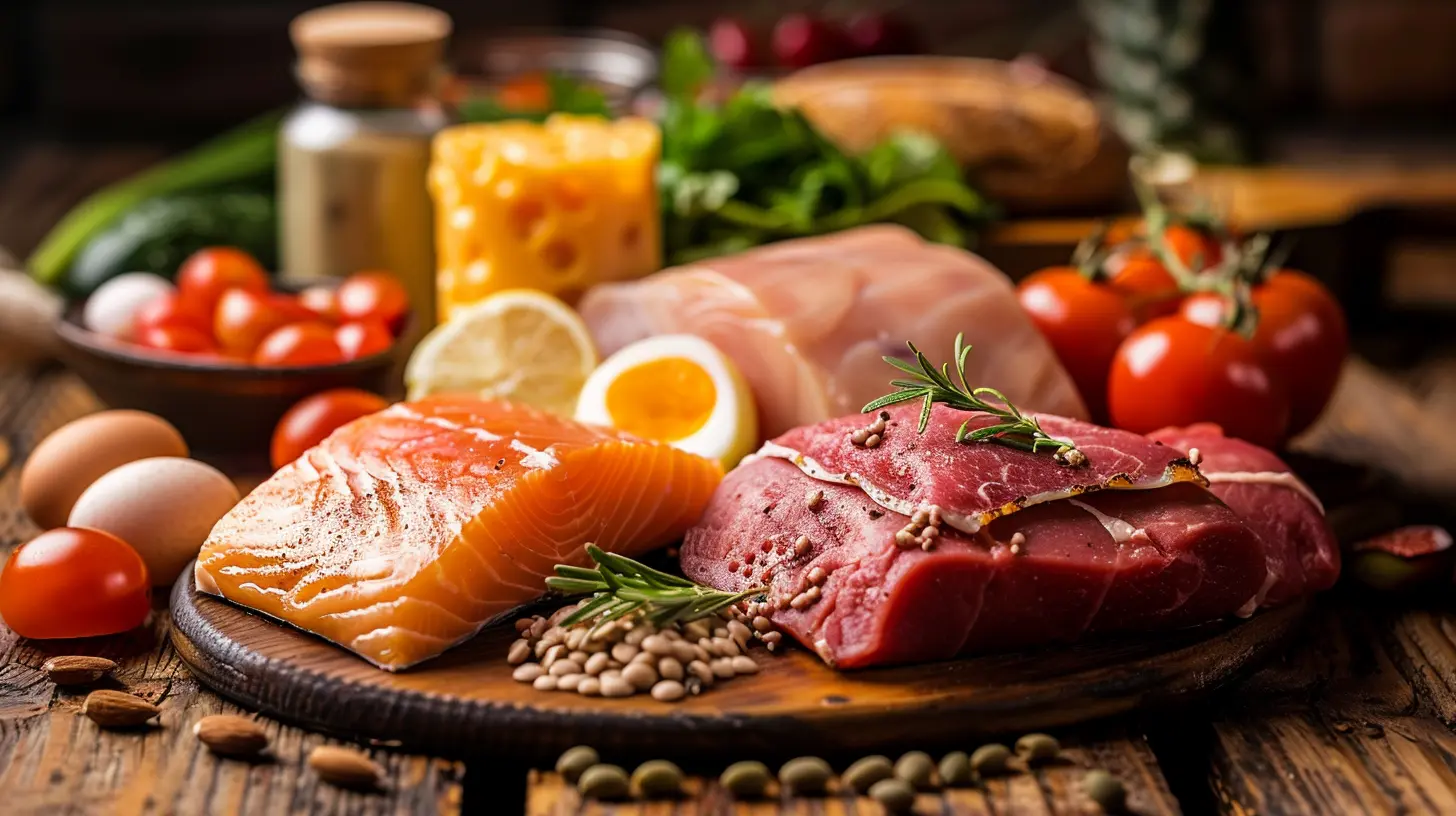
Carbs and Muscle Growth: Are They Essential?
Carbohydrates are your body’s preferred energy source, but they aren’t required for muscle growth. While carbs do replenish glycogen stores and aid in workout performance, your body has another way of producing energy—fat adaptation and gluconeogenesis.How Your Body Adapts to Low-Carb Training
When you reduce carbohydrate intake, your body shifts to using fat as a primary energy source. This process, known as ketosis, allows your body to burn ketones for fuel instead of relying on glycogen.Additionally, your liver can convert protein and fats into glucose via a process called gluconeogenesis, ensuring your muscles still get the energy they need. So, while carbs are helpful, they’re not the only way to fuel workouts. 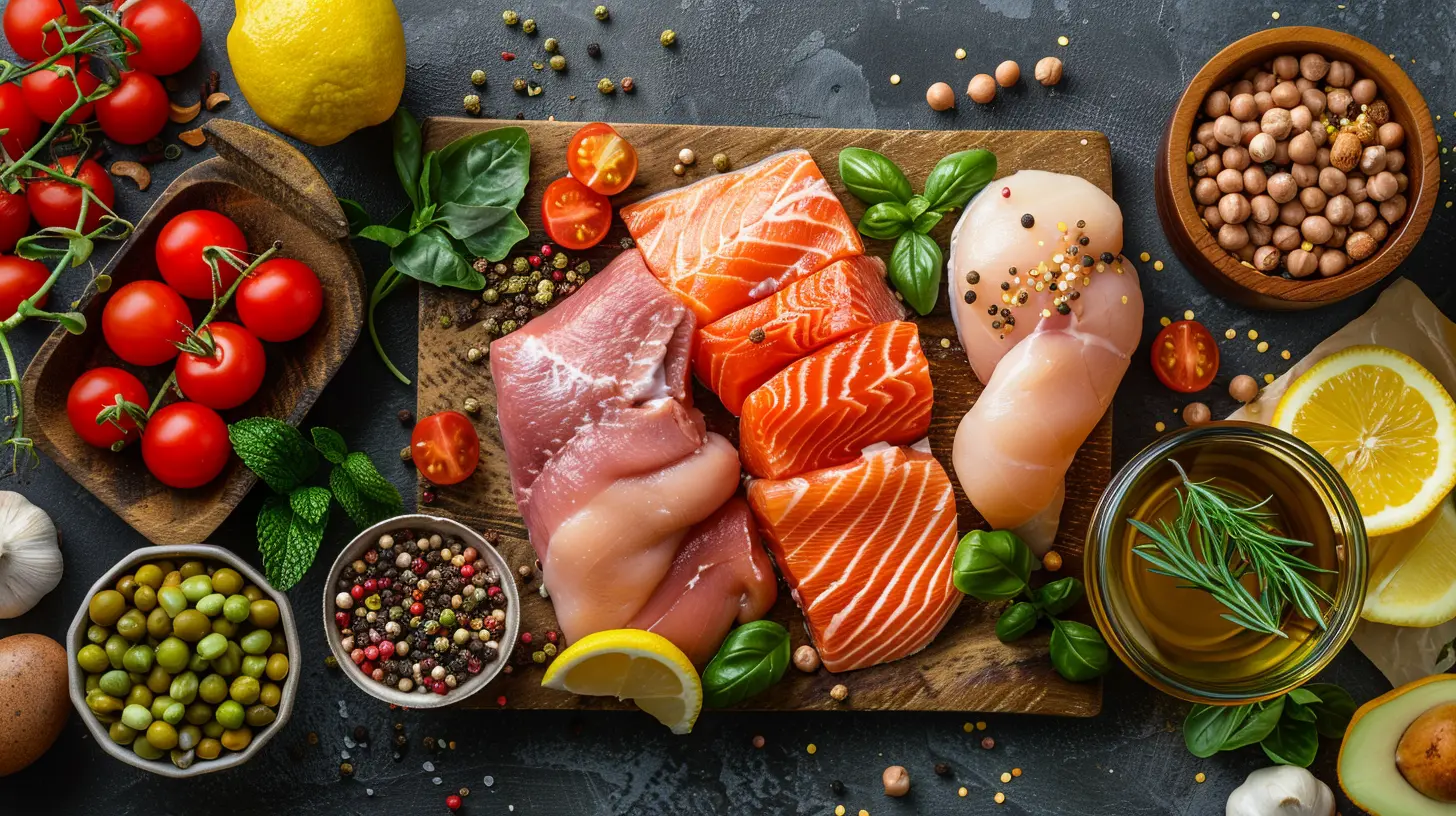
Benefits of a Low-Carb Diet for Muscle Building
Surprisingly, going low-carb comes with some muscle-building perks:1. Increased Fat Utilization
Your body becomes more efficient at burning fat, which helps with body recomposition—meaning you can gain muscle while staying lean.2. Steady Energy Levels
Unlike high-carb diets, which can cause energy crashes, a low-carb diet provides stable energy throughout the day. This can improve workout endurance and recovery.3. Reduced Inflammation
Low-carb diets, particularly ketogenic diets, are known for their anti-inflammatory effects. Less inflammation means faster recovery and reduced muscle soreness.4. Higher Growth Hormone Levels
Some studies suggest that low-carb diets can boost growth hormone production, a key factor in muscle repair and growth.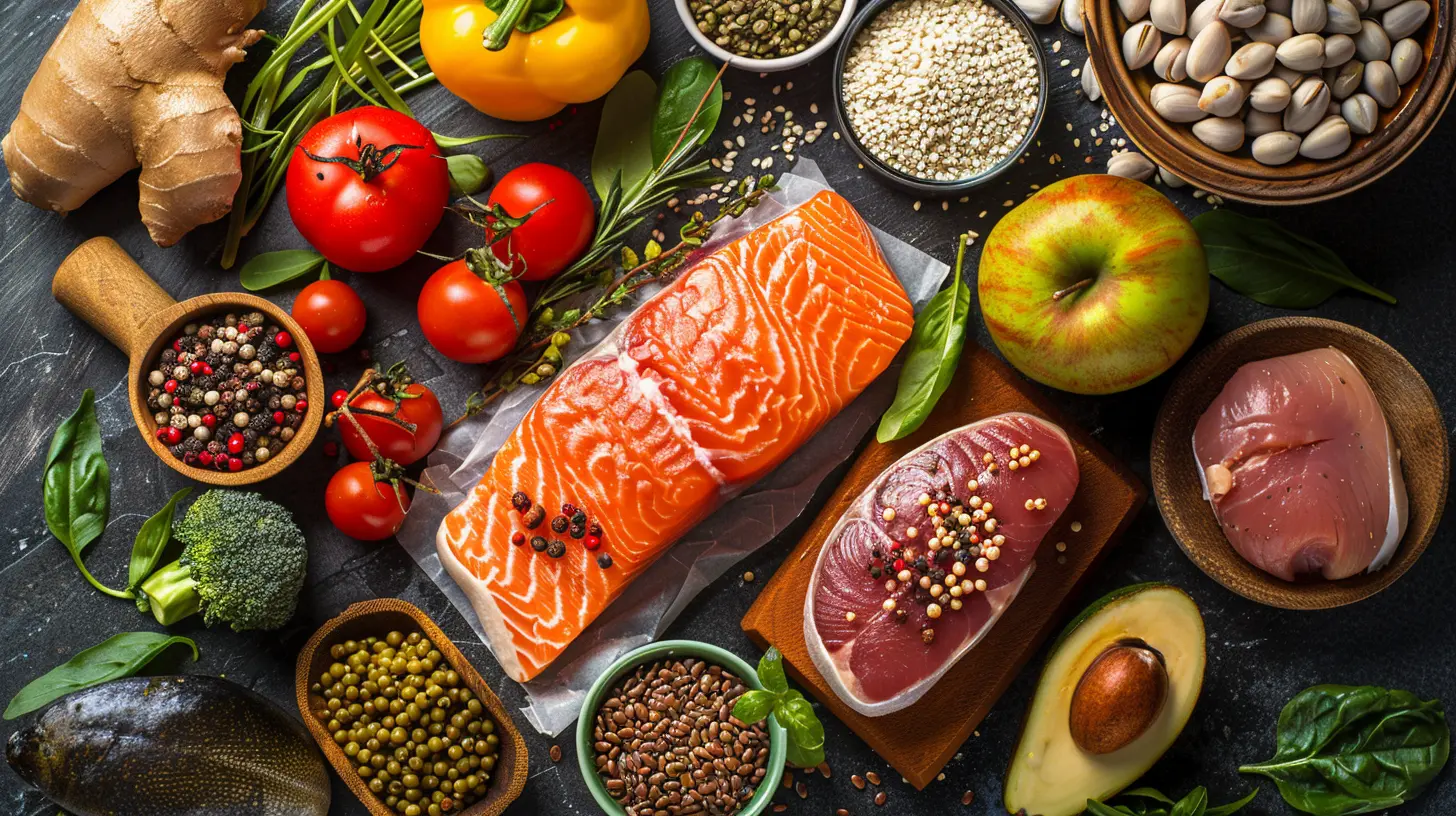
Challenges of Building Muscle on a Low-Carb Diet
Of course, there are challenges too. Here’s what you need to watch out for:1. Lower Glycogen Stores
Since carbs are the quickest way to replenish glycogen, you may feel more fatigued during high-intensity workouts, especially in the beginning.2. Potential Protein Breakdown
If your body doesn’t get enough calories from fat, it may break down muscle protein for energy. This is why getting enough fat and protein is crucial on a low-carb muscle-building diet.3. Longer Adaptation Period
When switching to a low-carb diet, expect a few weeks of lower workout performance as your body adapts to using fat for fuel. But once you adjust, performance usually improves.How to Build Muscle on a Low-Carb Diet
If you’re committed to going low-carb while still packing on muscle, here’s your game plan:1. Eat Enough Protein
Protein is king when it comes to muscle growth. Aim for 0.8–1.2 grams of protein per pound of body weight daily. Ideal protein sources include:- Grass-fed beef
- Chicken
- Fish (salmon, tuna, sardines)
- Eggs
- Whey or casein protein
- Greek yogurt
2. Prioritize Healthy Fats
Since you're cutting carbs, you’ll need healthy fats for energy. Great options include:- Avocados
- Nuts & seeds (almonds, walnuts, chia seeds)
- Olive oil
- Coconut oil
- Fatty fish
- Cheese
3. Use Strategic Carb Timing (Carb Cycling)
You don’t have to go zero carbs. Instead, try carb cycling—eating slightly more carbs on workout days and keeping them low on rest days.Opt for slow-digesting carbs like:
- Sweet potatoes
- Quinoa
- Berries
- Leafy greens
This keeps glycogen levels from dropping too low while maintaining low-carb benefits.
4. Strength Train with Heavy Weights
Low reps, heavy weights—that’s your sweet spot. Focus on compound movements like:- Squats
- Deadlifts
- Bench presses
- Pull-ups
- Overhead presses
Lifting heavy helps stimulate muscle growth, even if you’re on a low-carb diet.
5. Get Your Electrolytes Right
Low-carb diets can lead to electrolyte imbalances, causing fatigue, cramps, and weakness. Stay on top of:- Sodium (Himalayan salt, bone broth)
- Potassium (Avocados, spinach)
- Magnesium (Dark chocolate, nuts)
Hydration and electrolytes are game-changers for performance.
6. Don’t Under-Eat Calories
Muscle growth requires a caloric surplus. If you’re not eating enough, you won't build muscle—simple as that. Track your calorie intake and adjust as needed.Who Should Try a Low-Carb Muscle-Building Diet?
A low-carb approach isn’t for everyone. But it can work well for:✅ Those who want to build muscle while staying lean.
✅ People who feel sluggish after high-carb meals.
✅ Individuals who prefer a high-fat, protein-rich diet.
✅ Athletes who engage in moderate-intensity strength training.
However, if you’re a high-level powerlifter, CrossFitter, or endurance athlete needing tons of fast energy, a strict low-carb diet might not be ideal.
Final Thoughts: Can You Build Muscle on a Low-Carb Diet?
Absolutely! While carbs can enhance performance, they aren’t a requirement for muscle growth. With enough protein, healthy fats, and strategic training, you can absolutely gain muscle on a low-carb diet.Just be patient—your body needs time to adapt. Stick with it, tweak as needed, and enjoy the benefits of building muscle without the carb-heavy bloat.
#### So, are you ready to lift heavy, eat smart, and build lean muscle—without relying on a plate full of pasta?
all images in this post were generated using AI tools
Category:
Sports NutritionAuthor:

Madeline Howard
Discussion
rate this article
1 comments
Parisa McDougal
Sure, you can build muscle on a low-carb diet. Just remember, lifting weights burns calories, and so does running to find carbs!
August 22, 2026 at 4:05 AM