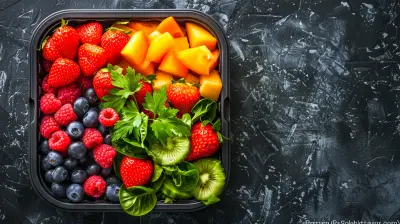
Your Ultimate Guide to Healthy Grocery Shopping
15 November 2026
Healthy grocery shopping is about making informed choices that contribute to your overall well-being. While it may seem overwhelming at times, with a little guidance and practice, you can navigate the aisles with confidence. This guide will cover everything you need to know about shopping for healthy foods, from understanding labels to planning meals and avoiding common pitfalls.
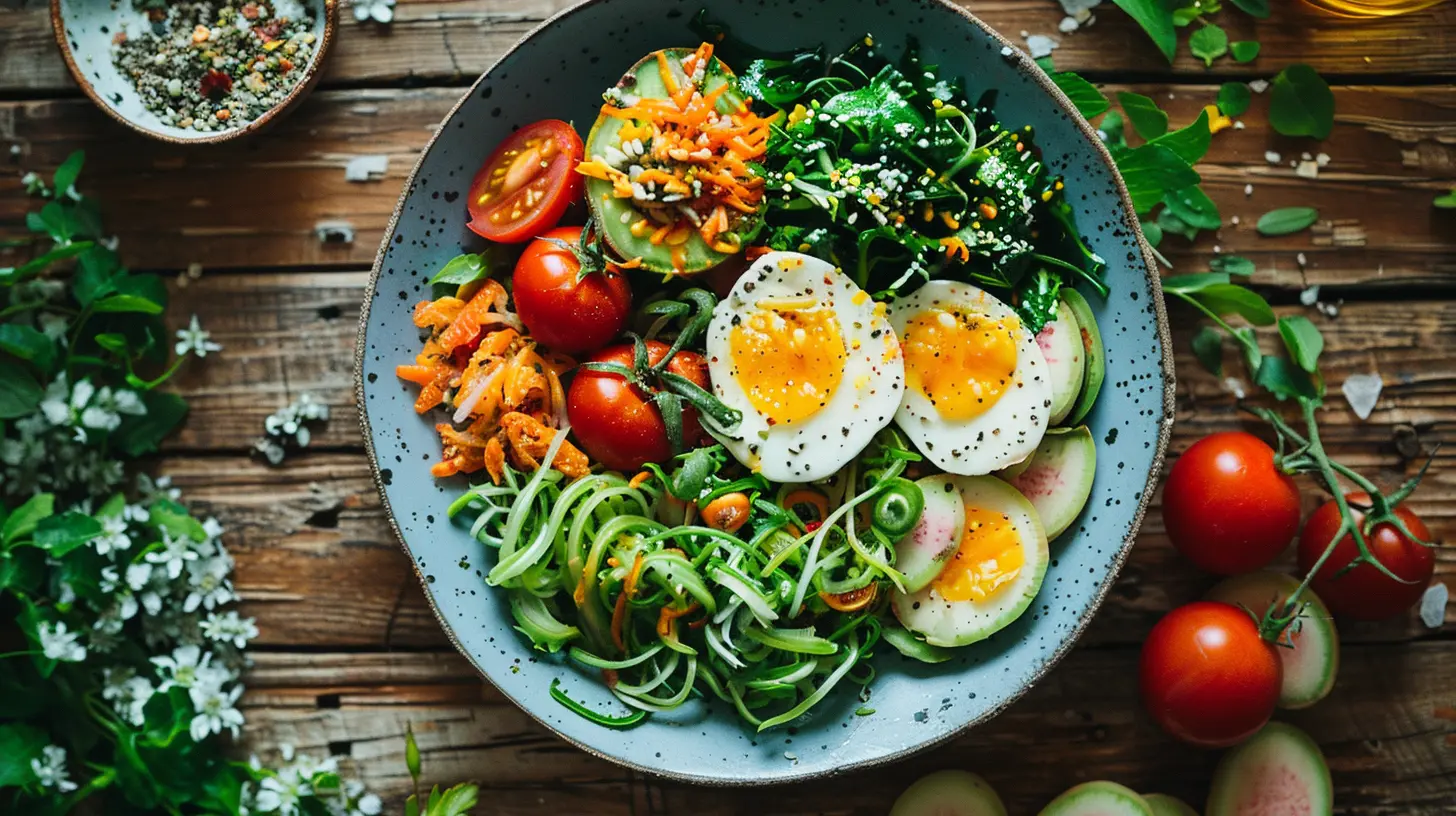
Understanding the Basics of Healthy Eating
Before diving into grocery shopping, it is essential to grasp the fundamental principles of healthy eating. A balanced diet typically includes a variety of foods from all food groups: fruits, vegetables, whole grains, lean proteins, and healthy fats.The Importance of Nutrient Density
Nutrient-dense foods are those that provide a high amount of nutrients for relatively few calories. Incorporating these foods into your diet can improve your health without excessive calorie intake. For example, a cup of spinach is low in calories but high in vitamins A, C, and K, as well as iron and calcium. In contrast, potato chips may provide calories but little nutritional value.Tips for Identifying Nutrient-Dense Foods
- Choose Whole Foods: Whole foods like fruits, vegetables, whole grains, and lean proteins tend to be more nutrient-dense than processed foods.- Color Variety: Aim for a rainbow of colors on your plate. Different colors often signify different nutrients.
- Read Labels: Pay attention to the nutrition labels, focusing on the amount of vitamins and minerals, not just calories.
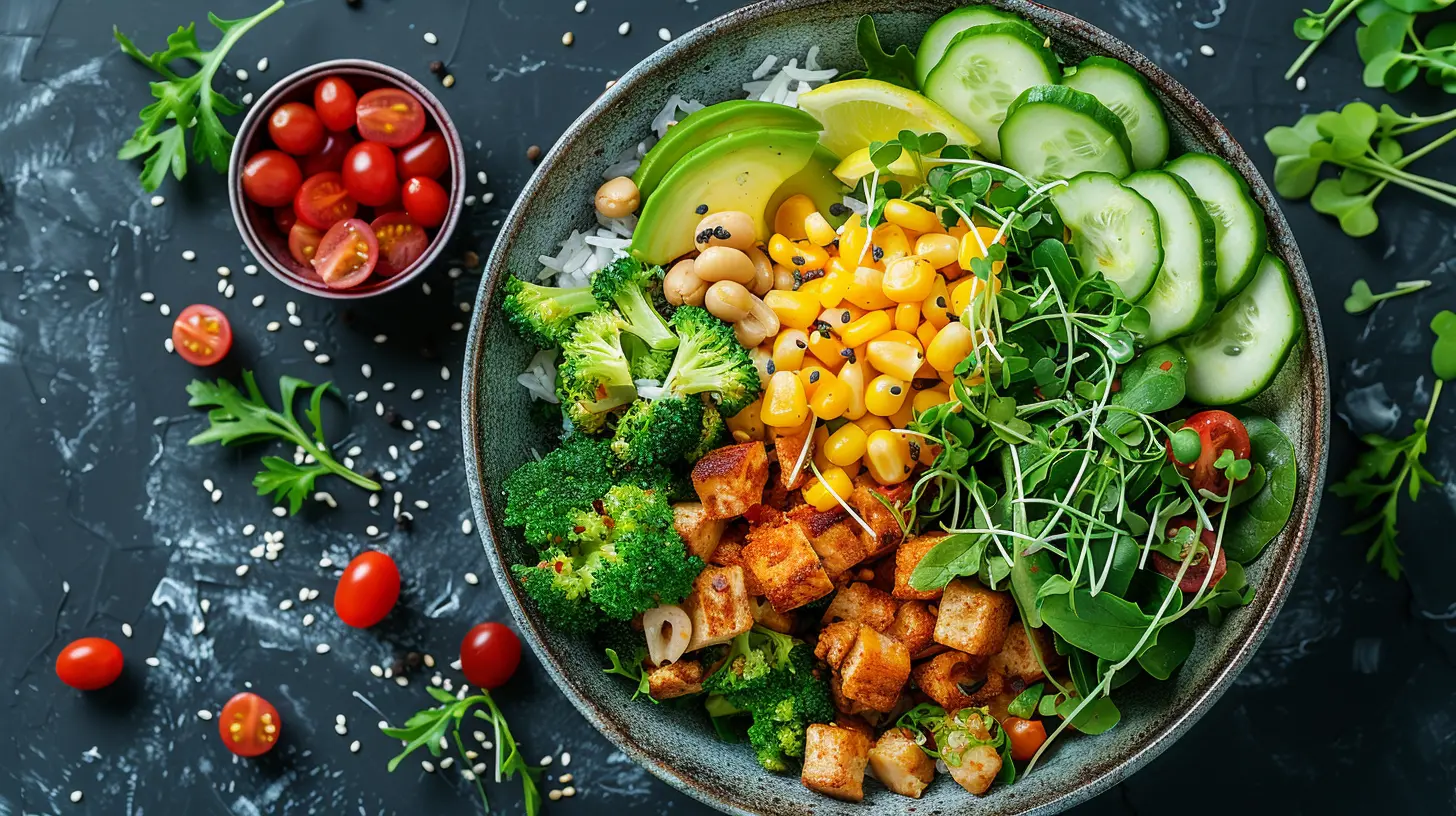
Planning Your Shopping Trip
A successful grocery shopping experience begins long before you step into the store. Planning is critical.Create a Meal Plan
Developing a meal plan for the week can save time and help you make healthier choices. Include a variety of foods to ensure you get a balanced intake of nutrients. For example, if you plan to make grilled chicken with vegetables for dinner, consider what else you can prepare with the leftover chicken or vegetables for lunch.Make a Shopping List
Once you have a meal plan, create a shopping list based on the ingredients required. This helps you stay focused and reduces impulse buys. Be specific with your list to avoid confusion. Instead of writing "fruit," specify "two apples and one bunch of bananas."Schedule Your Shopping Trip
Choose a time when the store is less crowded, allowing you to shop without feeling rushed. Early mornings or weekday afternoons are often quieter than weekends.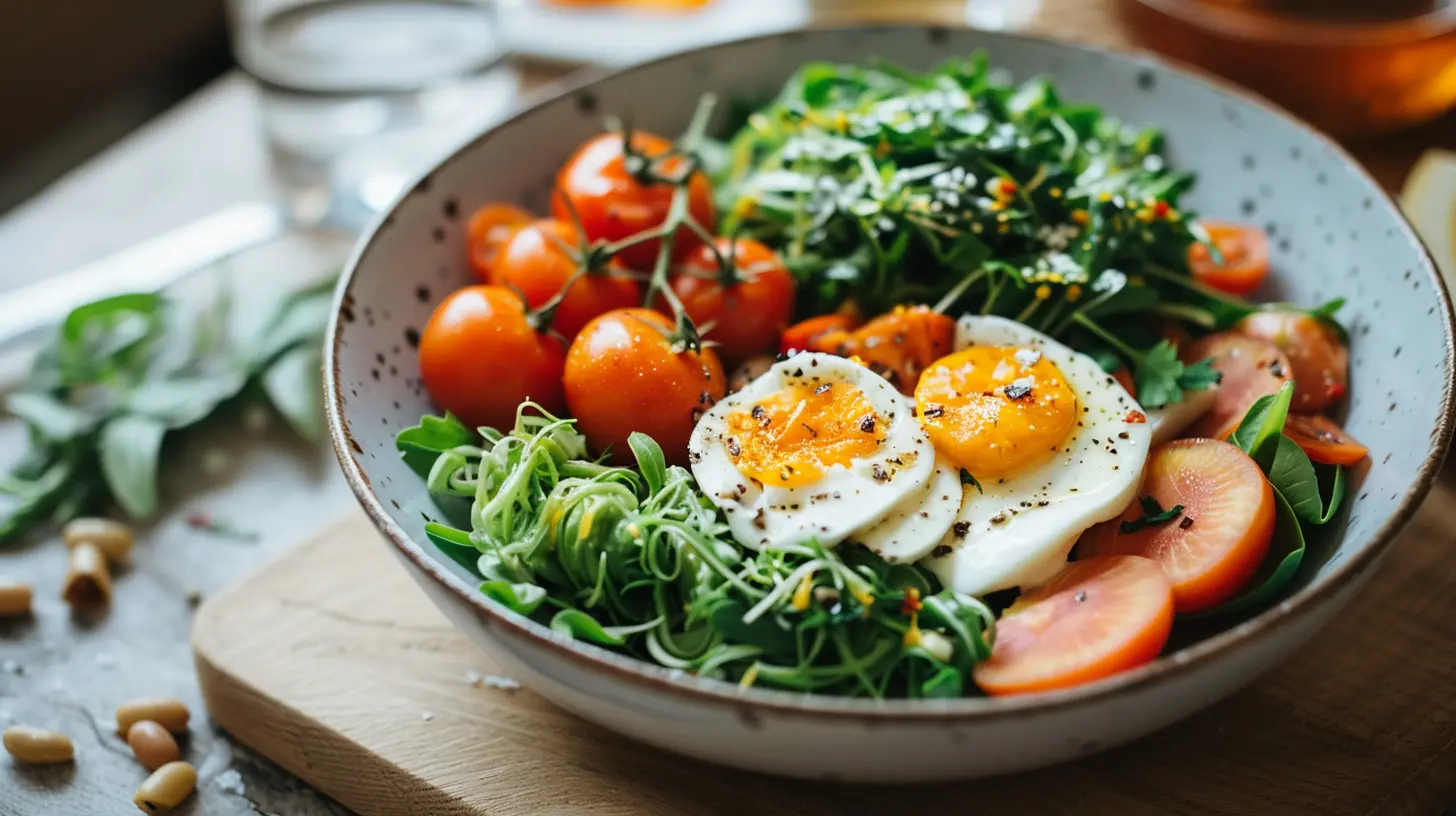
Navigating the Grocery Store
Once you are in the store, you will encounter various sections, each with its own set of choices. Here is how to navigate them wisely.Fresh Produce Section
The produce section should be the cornerstone of your grocery shopping. Fill your cart with a variety of fruits and vegetables.Tips for Selecting Produce
- Seasonal Choices: Opt for fruits and vegetables that are in season. They are often fresher, tastier, and more affordable.- Organic vs. Conventional: While organic produce is often preferred for its lower pesticide levels, conventional fruits and veggies still provide essential nutrients. Prioritize organic for items on the Environmental Working Group's "Dirty Dozen" list.
- Quality Check: Look for produce that is firm and free from bruises or blemishes.
Protein Section
When it comes to protein, your choices can significantly impact your health. Lean proteins, such as chicken, turkey, fish, beans, and legumes, should be prioritized.Comparing Protein Sources
- Animal-Based Proteins: Lean cuts of meat, poultry, and fish provide essential amino acids but can be high in saturated fats. Opt for skinless poultry and fatty fish like salmon, which also offer healthy omega-3 fats.- Plant-Based Proteins: Beans, lentils, and tofu are excellent protein sources with added fiber. They can lower cholesterol and improve digestion but may require proper seasoning to enhance flavor.
Grain Aisle
Whole grains are an essential part of a healthy diet. They contain more nutrients than refined grains.Choosing Whole Grains
- Read Labels: Look for products that list "whole grain" as the first ingredient. This indicates that the grain is less processed and retains more nutrients.- Variety Matters: Include different types of whole grains like quinoa, brown rice, and oats to diversify your nutrient intake.
Dairy and Dairy Alternatives
Dairy products can be an excellent source of calcium and vitamin D. However, some people may be lactose intolerant or prefer plant-based options.Considerations for Dairy Choices
- Low-Fat Options: If you consume dairy, aim for low-fat or fat-free versions to reduce saturated fat intake.- Plant-Based Alternatives: Almond, soy, or oat milk can be healthy alternatives but check for added sugars and fortifications.
Snacks and Processed Foods
While snacks can be part of a healthy diet, it's crucial to choose wisely.Healthy Snack Options
- Nuts and Seeds: Packed with healthy fats and protein, they can be a great option. However, they are calorie-dense, so portion control is essential.- Whole Grain Snacks: Look for whole grain crackers or popcorn without added sugars or unhealthy fats.
Common Grocery Shopping Mistakes
Even seasoned shoppers can fall into traps. Here are some common mistakes to avoid:Shopping on an Empty Stomach
Shopping while hungry can lead to impulsive purchases, especially of unhealthy snacks. Always eat a healthy meal or snack before you shop.Ignoring Labels
Many shoppers neglect to read labels, which can lead to unhealthy choices. Pay attention to serving sizes, added sugars, and sodium content.Overlooking Store Brands
Store brands often provide the same quality as name brands at a lower price. Don't hesitate to try them.Falling for Marketing Claims
Terms like "natural" or "healthy" can be misleading. Always refer to the nutrition label for accurate information.Healthier Cooking and Preparation Techniques
Your grocery shopping is just one part of the equation. How you prepare meals is equally important.Cooking Methods Matter
Opt for healthier cooking methods such as grilling, steaming, or baking rather than frying. These methods reduce added fats and calories.Meal Prep
Invest time in meal prepping. Preparing meals in advance can save time during the week and help you stick to healthier eating habits.Flavor Without Excess Calories
Use herbs and spices to flavor meals instead of relying on sauces high in sugar or fat. Experiment with different combinations to find what works for you.
Maintaining a Healthy Grocery Routine
Healthy grocery shopping is not a one-time event but an ongoing commitment.Regularly Update Your Meal Plans
Life changes, and so do dietary needs. Regularly revisit your meal plans to incorporate your evolving preferences and nutritional needs.Stay Informed
Nutrition science is constantly evolving. Keep yourself updated by following reputable sources, such as registered dietitians or nutritionists.Conclusion
Healthy grocery shopping can empower you to make better food choices, ultimately leading to improved health and well-being. By planning your trips, understanding labels, and making informed decisions, you can create a shopping routine that supports your nutritional goals. Remember that every small change can make a big difference over time.
all images in this post were generated using AI tools
Category:
Healthy ShoppingAuthor:

Madeline Howard
Discussion
rate this article
1 comments
Nicole McFarlane
Great tips for smart shopping!
November 15, 2026 at 3:45 AM