Yoga for Emotional Balance: Healing Through Movement
5 March 2026
Ever have one of those days where your emotions seem all over the place? Maybe you're sad, anxious, or just plain overwhelmed, and nothing seems to help. What if there was a powerful, natural tool that could help you deal with those heavy feelings—and it didn’t come in a bottle or require a prescription? Enter yoga.
Let’s dive into how yoga isn’t just about those fancy poses or Insta-worthy stretches. It’s about healing from the inside out—emotionally, mentally, and spiritually. Pull out your mat (or just cozy up in your chair), and let’s talk about using yoga for emotional balance.
What Is Emotional Balance Anyway?
Before we get twisty with the poses, let's get something straight: what exactly is emotional balance?In the simplest terms, emotional balance means you’re able to experience your emotions without being controlled by them. You know, like feeling anger without flipping out, or sadness without falling into despair. It's the ability to stay centered, even when life throws you a curveball.
Think of your emotions like waves in the ocean. You can’t stop the waves from coming, but you can learn to surf them. That’s emotional balance—and yoga is your surfboard.
Why Yoga Works for Emotional Healing
Okay, so how does yoga actually help with emotions? More than just bending and breathing, yoga is a mind-body practice that taps deep into your nervous system, your breath, and your emotional wiring.Here’s how it works:
1. Breath Brings Calm
You’ve probably heard someone say, “Just breathe.” Well, there’s major truth to that. In yoga, breathing techniques (called pranayama) help calm your nervous system. When you're stressed, your breath gets short and shallow. When you slow it down and breathe deeply, your body gets the message: "Hey, it's okay to chill."Over time, practicing controlled breathing helps you respond to stress instead of reacting to it. It’s like giving your brain a daily spa treatment.
2. Movement Releases Stuck Emotions
Ever cry during a yoga class? You’re not alone. Emotions are energy in motion, and when you move your body—especially through gentle, mindful yoga—you start to release stored tension and stuck feelings.Our bodies hold onto stress, trauma, and emotions like little suitcases. Hip openers, chest stretches, and heart-opening poses often trigger emotional release. It’s not magic—it’s science. You’re literally setting old feelings free.
3. Present Moment Awareness = Less Anxiety
So many of our emotions—especially anxiety and sadness—come from worrying about the future or dragging around the past. Yoga brings you into the now.In a yoga class, you’re focusing on your breath, your body, your balance. There’s not much room to obsess over that awkward thing you said last week or stress about tomorrow’s meeting. This mindfulness soothes anxiety, helping you feel grounded and stable.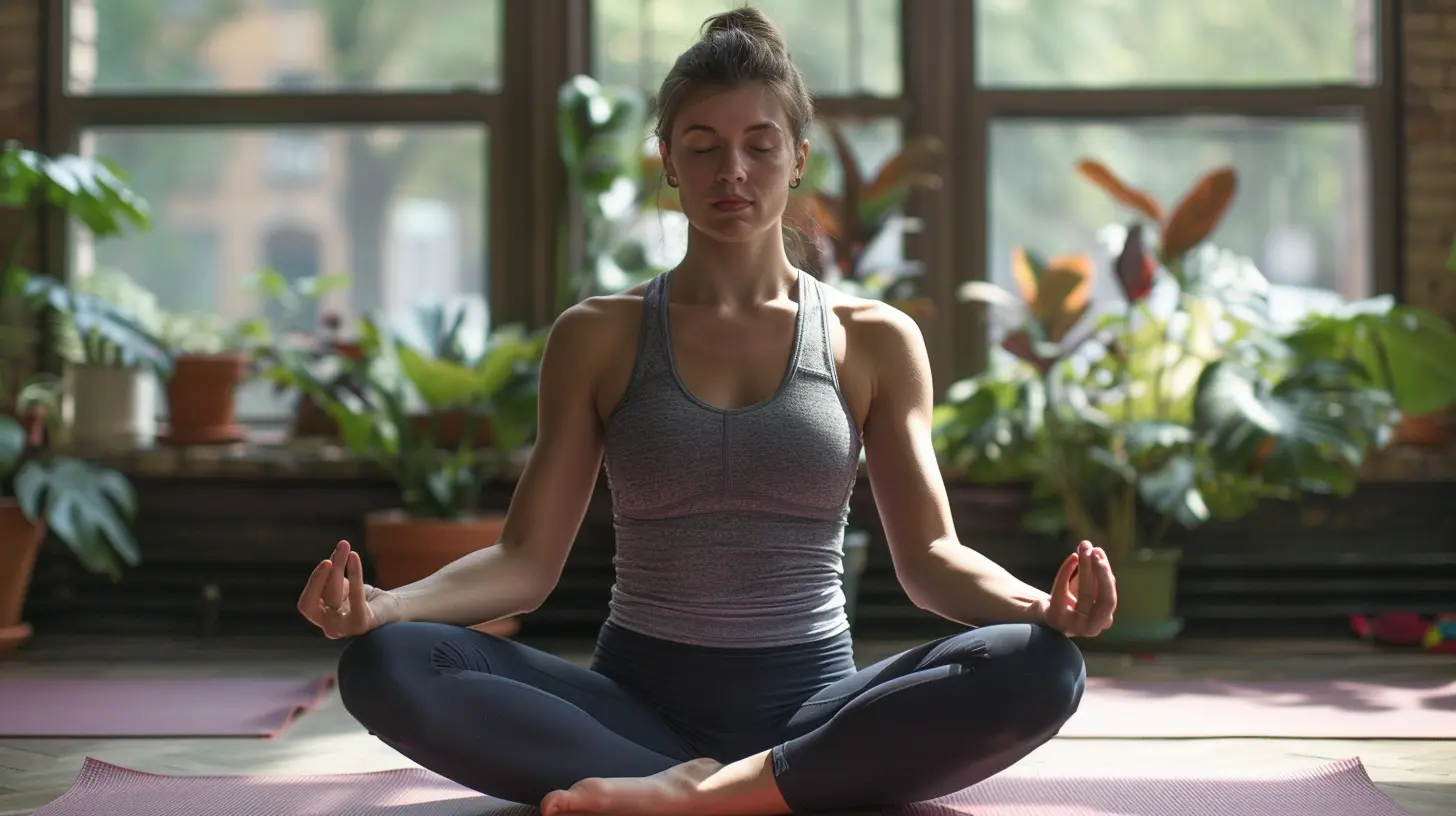
The Mind-Body Connection: More Real Than You Think
We often think of our bodies and minds as separate. But guess what? They’re BFFs. What happens in the body affects the mind, and vice versa. That’s why yoga—being a physical practice that deeply influences your mental and emotional state—is such a powerful healing tool.Yoga strengthens this mind-body connection by:
- Improving body awareness
- Helping you detect tension early
- Creating conscious control over your reactions
It’s like turning a flashlight on your emotions and saying, “Hey, I see you. Let’s work through this.”
Best Yoga Poses for Emotional Balance
Okay, now for the good stuff. Which yoga poses are best when you're feeling emotionally off? Let’s break it down by emotional states. You can mix and match depending on what you need.1. Feeling Anxious? Try Forward Folds
Forward folds calm the nervous system and encourage introspection and stillness.- Child’s Pose (Balasana) – A grounding posture that soothes the mind and allows you to turn inward.
- Seated Forward Bend (Paschimottanasana) – Helps stretch the spine and hamstrings while calming racing thoughts.
2. Feeling Angry? Open That Heart
Anger often comes from feeling stuck or closed off. Heart-opening poses help release those fiery emotions.- Camel Pose (Ustrasana) – Deeply opens the chest and boosts mood.
- Bridge Pose (Setu Bandhasana) – A gentle way to lift the heart and soften tension.
3. Feeling Sad or Low? Go Energizing
Low energy and sadness often go hand in hand. Invigorating poses can boost circulation and lift your mood.- Sun Salutations (Surya Namaskar) – A classic sequence that warms up the body and awakens your inner fire.
- Warrior II (Virabhadrasana II) – Builds strength and confidence, helping you feel powerful again.
4. Need Comfort? Ground Yourself
When you're overwhelmed or emotionally raw, gentle, grounding poses offer the safety your nervous system craves.- Legs Up the Wall (Viparita Karani) – So relaxing it’s like hitting a natural reset button.
- Reclined Bound Angle Pose (Supta Baddha Konasana) – Opens the heart and hips while creating a sense of support.
The Role of Meditation and Breathwork
If yoga is the body of emotional healing, breathwork and meditation are the soul.Here's how they help:
- Breathwork (Pranayama) works directly with your nervous system, shifting you from "fight or flight" to "rest and digest." Try alternate nostril breathing (Nadi Shodhana) or box breathing when feeling overwhelmed.
- Meditation helps you sit with your emotions, instead of running from them. You’re not pushing feelings away; you’re allowing them to flow through you. Sit for just five minutes a day and notice how your thoughts and emotions begin to shift.
Creating an Emotional Healing Yoga Routine
You don’t need to do hours of yoga every day to see results. Start small. Even 10–15 minutes can make a difference.Here’s a sample routine you might try when feeling emotionally off:
1. Centering (2 min): Sit quietly and take deep breaths. Place one hand on your heart and one on your belly.
2. Gentle Movement (5–10 min): Flow through a few sun salutations, followed by hip openers like pigeon pose or butterfly.
3. Breathwork (3 min): Try alternate nostril breathing or a simple 4-4-4-4 box breath.
4. Rest (5 min): Lie in savasana with a blanket and allow everything to settle.
Repeat as needed.
Tips to Enhance Your Emotional Healing Journey
Here are a few things to keep in mind when using yoga to navigate emotional challenges:- Go Slow – Emotional breakthroughs happen gradually. Don’t push yourself.
- Stay Consistent – Healing happens daily, not occasionally.
- Be Curious – Emotions that arise during practice are information, not threats.
- Create a Safe Space – Practice in a quiet, comfortable spot where you can truly let go.
- Use Props – Blankets, bolsters, and blocks can help you feel supported.
And hey, it’s okay to cry during yoga. It means something’s shifting. Let it happen.
Real Talk: Emotional Healing Isn’t Linear
One last thing—because this is super important: healing is not a straight line. Some days yoga will feel amazing. Other days, not so much. That’s normal.Think of yoga like a friend who always shows up for you, no matter your mood. Stick with it. The benefits might be subtle at first, but over time, you’ll notice:
- Better mood regulation
- More self-compassion
- Increased emotional awareness
- A deeper sense of peace
And who doesn’t want a little more of that?
Final Thoughts
Yoga is more than a practice—it’s a lifeline when you're feeling emotionally off-center. Instead of bottling things up or letting emotions take you on a wild rollercoaster, yoga guides you back to yourself. Through breath, movement, and presence, it teaches you how to sit with your feelings, understand them, and ultimately, release them.So the next time you feel like your emotions are running the show, roll out your mat. Let it hold you. Let it heal you.
You don’t have to hold it all together. Yoga’s got your back.
all images in this post were generated using AI tools
Category:
YogaAuthor:

Madeline Howard
Discussion
rate this article
2 comments
Lys McNaughton
“Who knew bending like a pretzel could also untangle my emotions? I tried yoga for emotional balance, and while my body might feel like a damp noodle, my mind is doing the happy dance! Just remember: it’s all about finding your inner Zen—without accidentally rolling off the mat!” 🧘♂️💃
March 13, 2026 at 5:58 AM
Madeline Howard
I'm glad to hear that yoga is helping you find your inner Zen! It’s amazing how movement can transform both body and mind. Keep enjoying your journey! 🧘♀️✨
Zealot McCray
Yoga: where we stretch our bodies, release our emotions, and sometimes accidentally launch into a full-on ‘downward dog’ while dreaming of pizza. Balance achieved? Maybe after slice one!" 🍕🧘♀️
March 10, 2026 at 3:35 AM
Madeline Howard
Haha, I love that image! Finding balance can definitely come with some unexpected twists... and cravings!