Why Power Naps Could Be the Key to Better Nights
22 November 2026
In today's fast-paced world, sleep is often compromised in pursuit of productivity. Many people find themselves struggling to stay alert, leading to a reliance on caffeine or other stimulants. However, a more effective solution may lie in the simple act of napping. Power naps, typically short bursts of sleep lasting between 10 to 30 minutes, can significantly enhance your overall sleep quality and daytime alertness. This article delves into the science of power naps, their benefits, and how to incorporate them into your daily routine for better nights.
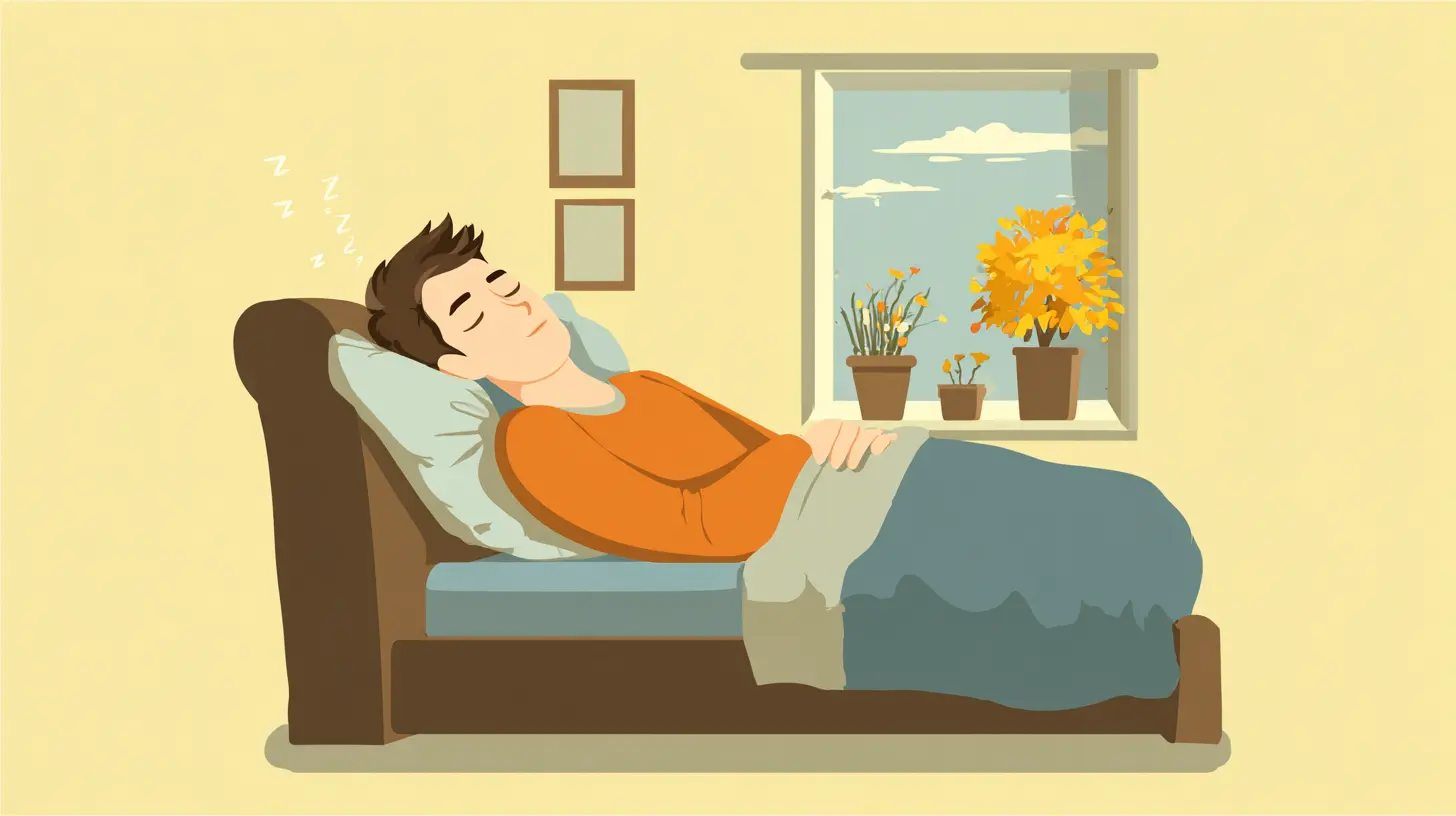
The Science of Sleep
Before understanding the value of power naps, it is essential to grasp the basics of sleep. Sleep is divided into two main stages: non-rapid eye movement (NREM) and rapid eye movement (REM) sleep. NREM sleep comprises three stages, progressing from light sleep to deep sleep. REM sleep is when most dreaming occurs and plays a critical role in cognitive functions like memory and learning.A full sleep cycle, which includes both NREM and REM stages, typically lasts about 90 minutes. During this cycle, your body undergoes various restorative processes, including muscle repair, immune function enhancement, and brain detoxification. When you disrupt this cycle or do not get enough sleep, it can lead to cognitive impairment, mood disturbances, and a host of other health issues.

What is a Power Nap?
A power nap is a brief period of sleep that is intentionally scheduled to increase alertness and performance. The ideal duration for a power nap varies depending on individual needs, but research suggests that naps should be kept between 10 and 30 minutes. This duration allows you to reap the benefits of restorative sleep without entering deeper sleep stages, which can leave you feeling groggy if interrupted.Benefits of Power Naps
1. Enhanced Alertness and Performance: Numerous studies have shown that a short nap can boost alertness and improve performance. After a power nap, individuals often report improved focus, quicker reaction times, and better problem-solving abilities.2. Mood Improvement: A power nap can elevate mood and reduce feelings of stress. This is particularly important in high-pressure environments where emotional resilience is crucial.
3. Memory Consolidation: Napping aids in memory consolidation, helping to solidify information learned earlier in the day. This can be especially beneficial for students or professionals learning new skills.
4. Physical Health Benefits: Regular napping has been associated with various health benefits. For instance, some research suggests that napping can lower the risk of cardiovascular diseases.
5. Increased Creativity: Power naps can stimulate creative thinking. The brain often makes unique connections during sleep, potentially leading to innovative solutions to problems.

When to Nap
Timing is crucial when it comes to power naps. The ideal time for a nap generally falls between 1 PM and 3 PM. This timeframe aligns with the natural dip in energy that most people experience post-lunch and helps avoid interference with nighttime sleep.Optimal Nap Duration
- 10-20 Minutes: This is often referred to as a "power nap." It allows you to wake up before entering deep sleep, minimizing grogginess.- 30 Minutes: A slightly longer nap can still provide significant benefits but may lead to some sleep inertia upon waking, particularly if you wake during deep sleep.
- 60 Minutes: This nap duration includes a full sleep cycle but may leave you feeling disoriented if you wake during deeper sleep stages.
- 90 Minutes: This allows for a complete sleep cycle, including both NREM and REM sleep. It can be beneficial if you have more time but may not be practical during a typical workday.

How to Nap Effectively
To maximize the benefits of power naps, consider the following tips:Create the Right Environment
1. Find a Comfortable Space: Choose a quiet and comfortable location with minimal distractions. If possible, use an eye mask and earplugs to block out light and sound.2. Set a Timer: Use a timer to ensure you do not oversleep. Setting an alarm for 20 minutes can help keep your nap short and sweet.
Mind Your Timing
1. Avoid Late Afternoon Naps: Napping too late in the day can interfere with your nighttime sleep. Aim to nap earlier in the afternoon.2. Consider Your Sleep Schedule: If you know you will not be able to sleep well at night, a power nap can help you stay alert without sacrificing too much sleep later.
Practice Relaxation Techniques
1. Use Deep Breathing: Take a few deep breaths before napping to help calm your mind and body.2. Engage in Progressive Muscle Relaxation: Tensing and relaxing your muscles can help you fall asleep more quickly.
Common Misconceptions about Napping
Despite the benefits of power naps, several misconceptions may hinder their acceptance:Napping is Only for Lazy People
This stigma is unfounded. Napping is a legitimate strategy used by many successful individuals to enhance productivity and well-being. In fact, many cultures, particularly in countries with warmer climates, incorporate napping into their daily routines.Naps are a Replacement for Nighttime Sleep
While naps can help alleviate sleep deprivation, they should not replace a good night's sleep. Naps are best utilized as a supplementary strategy to enhance overall well-being.Napping Makes You Groggy
While waking up from deep sleep can indeed cause grogginess, a well-timed power nap can actually leave you feeling revitalized. The key is to keep your naps short and avoid waking during deeper sleep stages.
Incorporating Naps into Your Routine
Integrating power naps into your daily routine may require some adjustments. Here are some strategies to help:Assess Your Sleep Needs
Understanding your unique sleep requirements is crucial. Most adults need between 7 to 9 hours of sleep per night. If you consistently feel tired during the day, assess your nighttime sleep habits and consider adjusting them.Communicate with Your Workplace
If you plan to nap during the workday, consider discussing it with your employer or team. Many companies are becoming more open to flexible work arrangements that include napping as a way to boost productivity.Experiment with Different Nap Durations
Test various nap lengths to find what works best for you. Keep a journal to track how different durations affect your alertness and mood.Real-World Examples of Power Napping
Several high-profile individuals and organizations recognize the benefits of power napping.Corporate Culture
Many tech companies, like Google and Facebook, offer nap rooms to encourage employees to recharge. They understand that well-rested employees are more productive and creative.Influential Figures
Famous nappers include Winston Churchill, who took short naps during the day to maintain his energy levels. His strategic napping contributed to his renowned work ethic and decisiveness.
Best Practices for Power Napping
To get the most out of your power naps, consider the following best practices:1. Stay Consistent: Try to nap around the same time each day to train your body to expect it.
2. Use Sleep Aids Wisely: If you struggle to fall asleep during the day, consider using non-caffeinated herbal teas or calming scents to help relax.
3. Stay Hydrated: Dehydration can lead to fatigue. Ensure you drink enough water throughout the day to support overall energy levels.
4. Monitor Caffeine Intake: Consuming caffeine too late in the day can hinder your ability to nap. Aim to limit caffeine intake to before mid-afternoon.
5. Listen to Your Body: Finally, pay attention to your body's signals. If you're feeling tired, allow yourself to take a power nap when possible.
Conclusion
Power naps can be a game changer for those seeking better nights and enhanced daytime performance. They provide a simple yet effective means to recharge, improve mood, and boost cognitive abilities. By understanding the science behind sleep, debunking common myths, and incorporating effective strategies, you can unlock the full potential of power napping.Adopting this practice as part of a balanced approach to sleep may be one of the most practical steps you can take toward overall well-being. So, the next time you feel that post-lunch slump, consider taking a power nap instead of reaching for another cup of coffee.
all images in this post were generated using AI tools
Category:
Sleep HygieneAuthor:

Madeline Howard