What Every Beginner Should Know About Making Healthy Smoothies
13 November 2026
Smoothies have become a popular choice for those looking to incorporate healthy habits into their daily routines. They are convenient, nutritious, and versatile, making them suitable for breakfasts, snacks, or even meal replacements. For beginners, the process of making smoothies can feel overwhelming due to the sheer number of ingredients and methods available. This guide aims to simplify the smoothie-making journey by providing useful insights, tips, and advice tailored for beginners.
Understanding the Basics of Smoothies
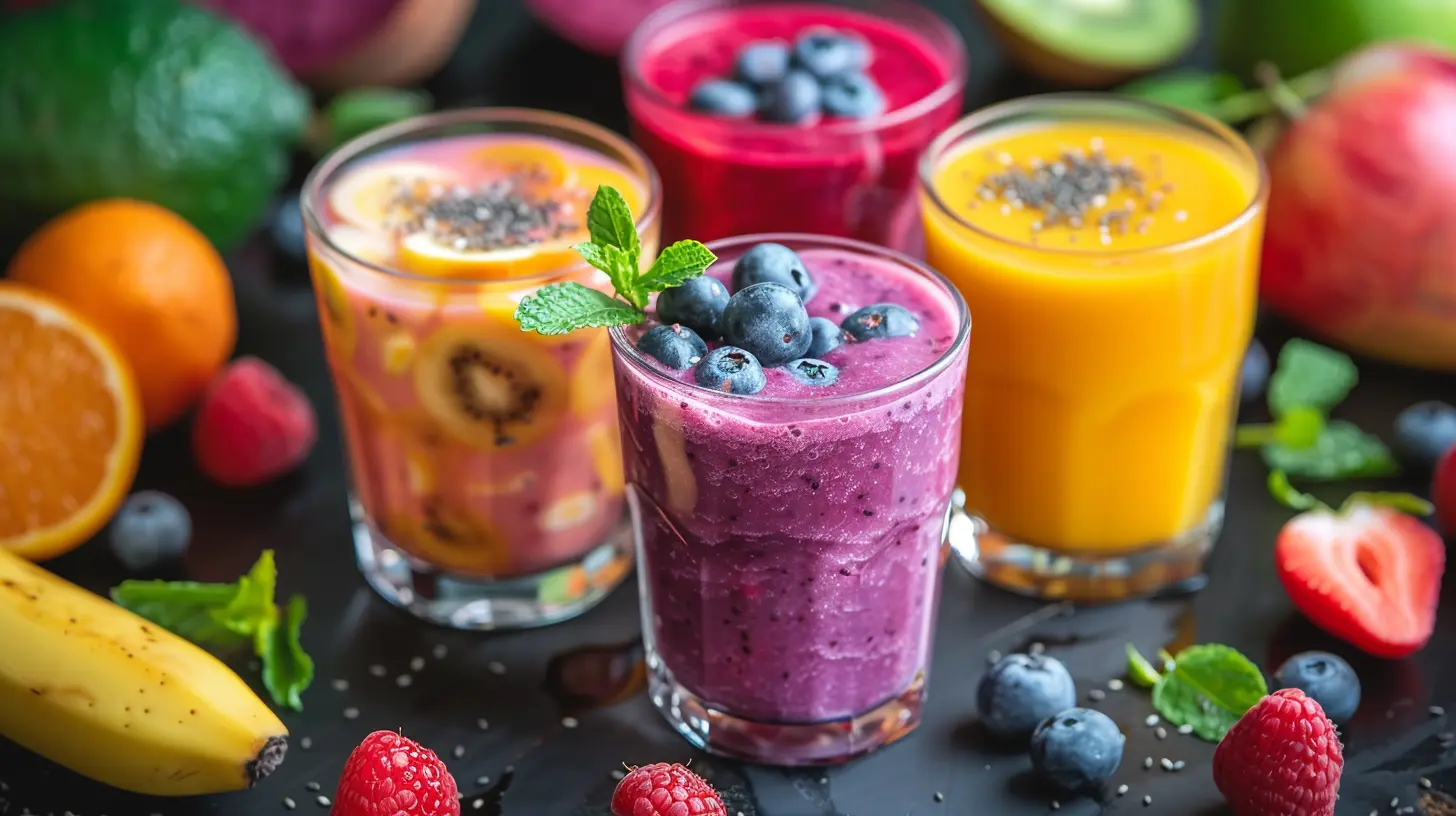
Before diving into the world of smoothies, it's important to grasp the fundamentals. A smoothie typically consists of blended fruits, vegetables, liquids, and optional add-ins. The right combination can yield a nutrient-dense drink that supports your health goals.Key Components of a Smoothie
1. Base Ingredients:- Fruits: Common choices include bananas, berries, and mangoes. They provide natural sweetness, flavor, and essential vitamins.
- Vegetables: Spinach, kale, and carrots are excellent options, adding fiber, minerals, and a vibrant color.
2. Liquid:
- Choose from water, milk, vegetable broth, or plant-based milk like almond or coconut. The liquid helps blend the ingredients smoothly and affects the consistency of the smoothie.
3. Thickeners:
- Ingredients like yogurt, nut butter, or avocado can add creaminess and healthy fats, providing satiety.
4. Add-Ins:
- Superfoods such as chia seeds, flaxseeds, or protein powders can enhance the nutritional profile, but moderation is key.
Choosing Ingredients Wisely
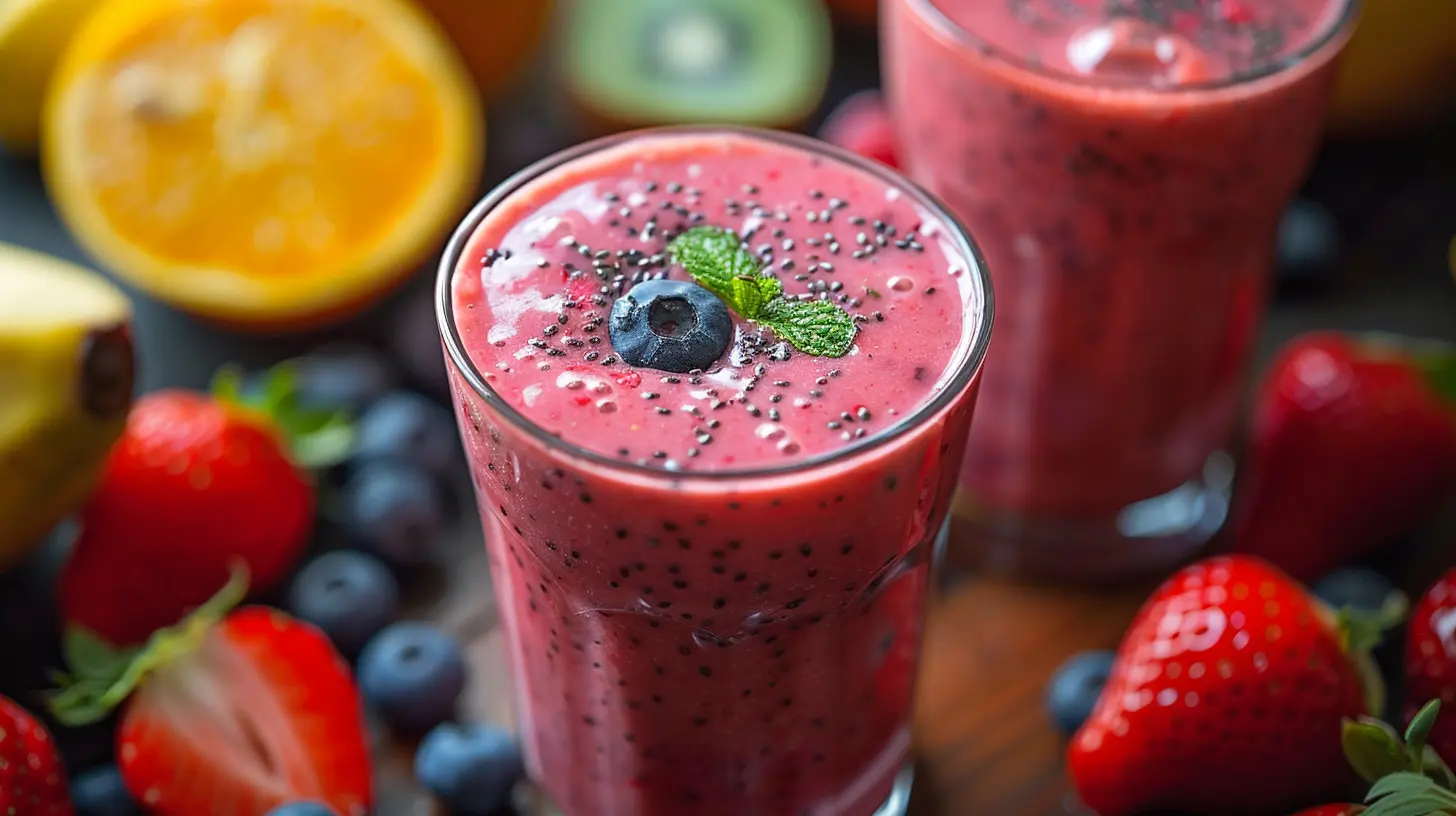
Selecting the right ingredients is crucial for creating a balanced smoothie. Beginners should consider their personal health goals, taste preferences, and any dietary restrictions.Fresh vs. Frozen
Fresh Ingredients
Fresh fruits and vegetables are often packed with vitamins and minerals. However, they have a shorter shelf life and may not always be available, especially for certain fruits out of season.Frozen Ingredients
Frozen fruits and vegetables can be just as nutritious as fresh ones. They are harvested at peak ripeness and quickly frozen, preserving their nutrients. Plus, they add a refreshing chill to smoothies without the need for ice.Flavor Combinations
Experimenting with flavor combinations can enhance your smoothie experience. Consider these pairings:- Berry Blast: Blueberries, strawberries, spinach, and almond milk.
- Tropical Delight: Mango, banana, coconut water, and a splash of lime juice.
- Green Power: Kale, pineapple, avocado, and coconut milk.
Common Mistakes to Avoid
When starting out, beginners often make a few common mistakes. Here are some to watch out for:1. Too Much Sugar:
- It's easy to go overboard with sweet fruits or sweeteners. Aim for a balanced flavor profile to avoid sugar spikes and crashes.
2. Ignoring Fiber:
- Fiber is essential for digestion and can help keep you full. Incorporate whole ingredients rather than relying solely on fruit juices.
3. Neglecting Protein:
- Adding a source of protein can make your smoothie more satisfying. Consider Greek yogurt, protein powder, or nut butter.
Mastering the Blending Process
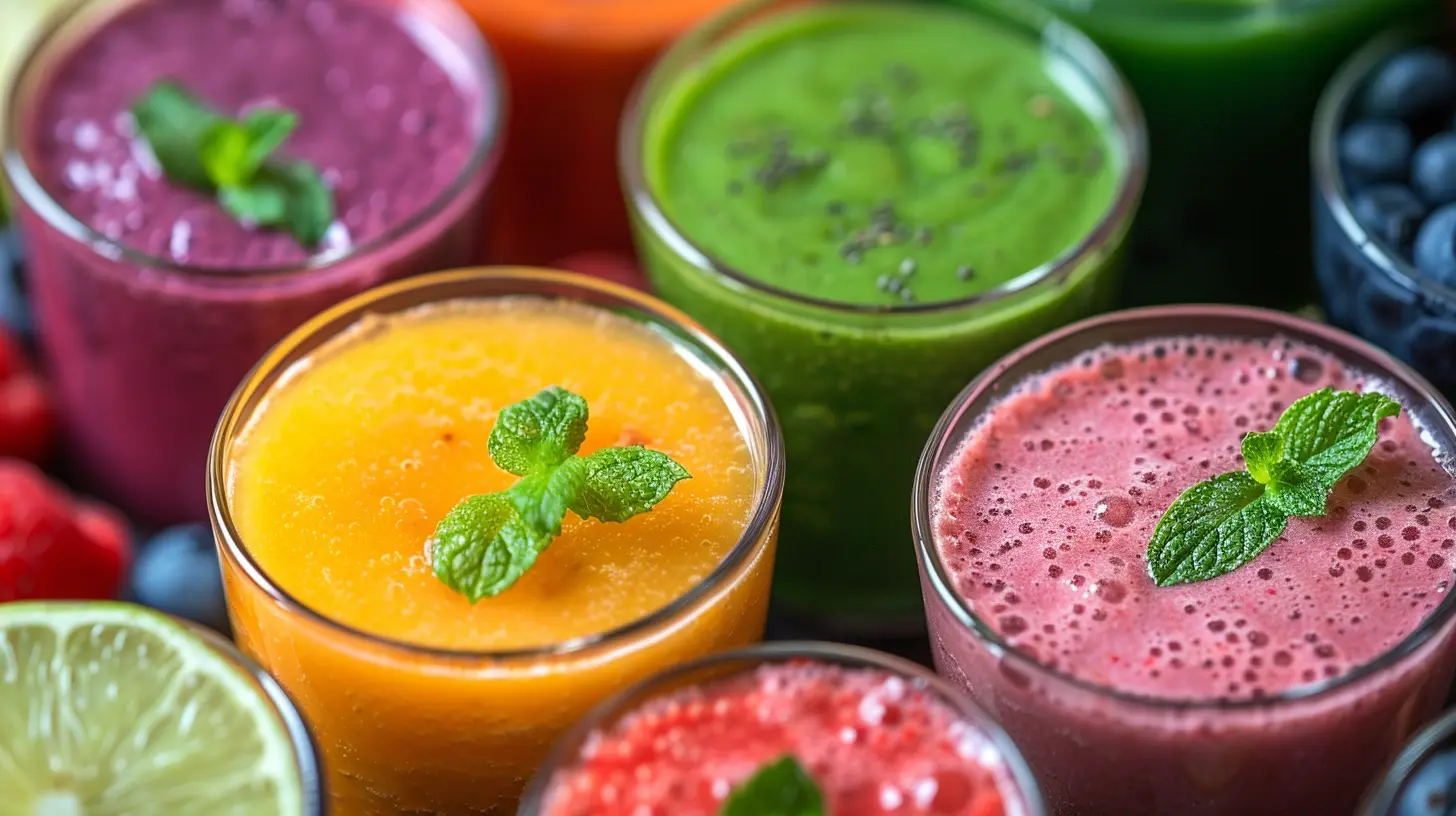
The blending technique can significantly influence the texture and consistency of your smoothie. Here's how to blend effectively:Layering Ingredients
Start with liquids at the bottom to ensure proper blending. Follow with soft ingredients, leafy greens, and finally, frozen items on top. This layering helps create a smoother blend and reduces the strain on your blender.Choosing the Right Blender
A good-quality blender can make a world of difference. A powerful blender ensures that all ingredients are thoroughly blended, avoiding chunks of unblended fruits or vegetables. Invest in a blender that suits your needs, whether it's a personal blender for single servings or a larger one for batch smoothies.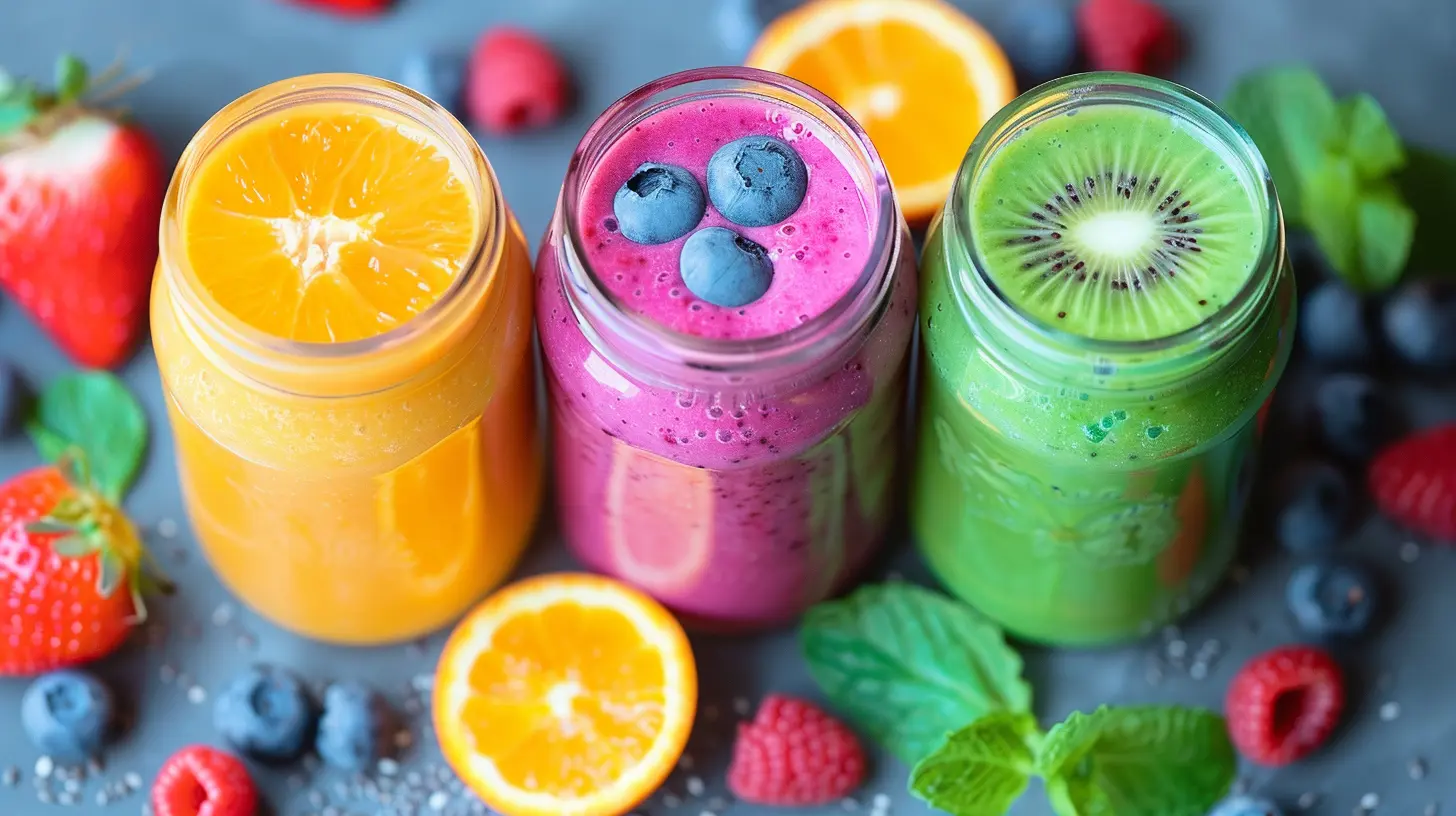
Customizing Your Smoothie for Nutritional Needs
Every individual has unique nutritional requirements, and your smoothies can reflect that. Here are some ways to customize your drink:For Weight Loss
Focus on incorporating low-calorie, high-fiber ingredients such as leafy greens, cucumbers, and berries. Avoid high-calorie add-ins like nut butters or excessive sweeteners.For Muscle Gain
Increase protein content by adding Greek yogurt, protein powder, or tofu. Include healthy fats like avocado or nuts to provide energy and aid in recovery.For Energy Boost
Add ingredients known for their energizing properties, such as spinach, nut butter, and oats. These can provide sustained energy throughout the day.Troubleshooting Common Smoothie Problems
Even the most seasoned smoothie makers encounter issues. Here's how to troubleshoot common problems:Too Thick or Too Thin
If your smoothie is too thick, add more liquid incrementally until it reaches your desired consistency. Conversely, if it's too thin, incorporate more frozen ingredients or a thickener like yogurt.Unpleasant Taste
If your smoothie doesn't taste right, consider adjusting the sweetness or acidity. A splash of citrus juice can brighten flavors, while a little honey or maple syrup can enhance sweetness without overpowering the smoothie.
Best Practices for Smoothie Preparation
To make the smoothie-making process enjoyable and efficient, follow these best practices:Prep Ahead
Prepare smoothie packs by portioning ingredients into bags and freezing them. This way, you can simply blend and go on busy mornings.Clean as You Go
Smoothie-making can get messy. Keep a damp cloth nearby to wipe down surfaces and a brush to clean your blender right after use. This will save you time and effort later.Experiment and Enjoy
Don't hesitate to try new ingredients or combinations. Smoothies are forgiving, and experimenting can lead to delicious discoveries.Storage Tips for Leftover Smoothies
If you make more smoothie than you can drink at once, consider these storage tips:Refrigeration
Smoothies are best consumed fresh, but if you need to store one, keep it in an airtight container in the fridge. Consume it within 24 hours for optimal freshness.Freezing
For longer storage, pour leftover smoothie into ice cube trays or silicone molds. Once frozen, transfer the cubes to a freezer-safe bag for later use. You can blend the frozen cubes into future smoothies for added convenience.
The Role of Smoothies in a Balanced Diet
Smoothies can be a fantastic addition to a balanced diet, but they should not replace whole meals entirely. Use them as a supplement to your meals, providing extra nutrition when needed. Incorporate a variety of foods throughout the day to ensure you're meeting your nutritional requirements.Conclusion
Making healthy smoothies can be an enjoyable and rewarding experience. By understanding the basic components, choosing the right ingredients, and mastering the blending process, beginners can create delicious and nutritious smoothies that fit their lifestyle and health goals. Remember to experiment, learn from your mistakes, and enjoy the journey toward a healthier you.
all images in this post were generated using AI tools
Category:
Healthy SmoothiesAuthor:

Madeline Howard
Discussion
rate this article
1 comments
Adria Rios
Great tips! Smoothies can be a delicious step toward better health.
November 13, 2026 at 5:11 AM